How to Wash Pillow Covers in Washing Machine
Pillow covers absorb sweat, body oils, dust mites, and allergens every single night, especially if you use hair products or skip washing your face before bed. A clean cover does more than look fresh; it directly improves your sleep hygiene. Yet many people toss all pillow covers into the washer without checking fabric type or care labels, risking shrinkage, fading, or permanent damage. The truth is that most cotton, polyester, and linen covers handle machine washing beautifully when you follow a few simple rules. This guide breaks down everything you need to know, from decoding care labels to choosing the right drying method, so your covers come out clean, soft, and intact every time.
Check the Care Label Before Washing
:max_bytes(150000):strip_icc()/international-laundry-care-symbols-2146487_V2-d1f2ab25b0334a99880274c87b83ae63.png)
The care tag sewn into your pillow cover is your most reliable guide. Ignoring it is the fastest way to ruin a perfectly good cover.
Read Cleaning Code Symbols
Manufacturers use universal codes to communicate safe cleaning methods:
– W (Water Washable): Safe for machine or hand washing with mild detergent.
– S (Solvent Only): Requires dry cleaning; never machine wash.
– WS (Water or Solvent): Can be spot cleaned using either method after testing.
– X (Do Not Wash): Clean only by vacuuming or brushing; no liquids allowed.
If you spot a crossed-out washing basin icon, do not machine wash, even on a delicate cycle.
Identify Fabric Type Risks
Different materials react differently to water and agitation:
– Cotton and Polyester: Durable and machine washable; use cold water to prevent fading.
– Linen: Washable but prone to wrinkling and shrinkage; air drying is preferred.
– Silk and Satin: Hand wash only or dry clean to preserve the delicate finish.
– Velvet and Faux Fur: Easily damaged; machine wash only if explicitly labeled.
– Leather and Faux Leather: Never immerse; wipe clean with a damp cloth instead.
When in doubt, treat the cover as dry-clean-only to be safe.
Handle Missing or Faded Labels
No label? Run a quick spot test first:
1. Dampen a white cloth with cold water and mild soap.
2. Press it against an inside seam or hidden corner.
3. Wait 5 minutes, then check for color transfer or texture change.
No bleeding or damage? Proceed with gentle hand washing. Still unsure? Take it to a professional cleaner.
Prepare Covers for Machine Washing

A few minutes of prep protects zippers, prevents snags, and ensures a deeper clean without damage.
Remove Pillow Inserts First
Always separate the cover from the insert before washing. Most memory foam and latex inserts cannot be machine washed because they absorb water and refuse to dry properly. Only wash inserts if the label specifically allows it, such as down or synthetic fills.
Zip and Turn Inside Out
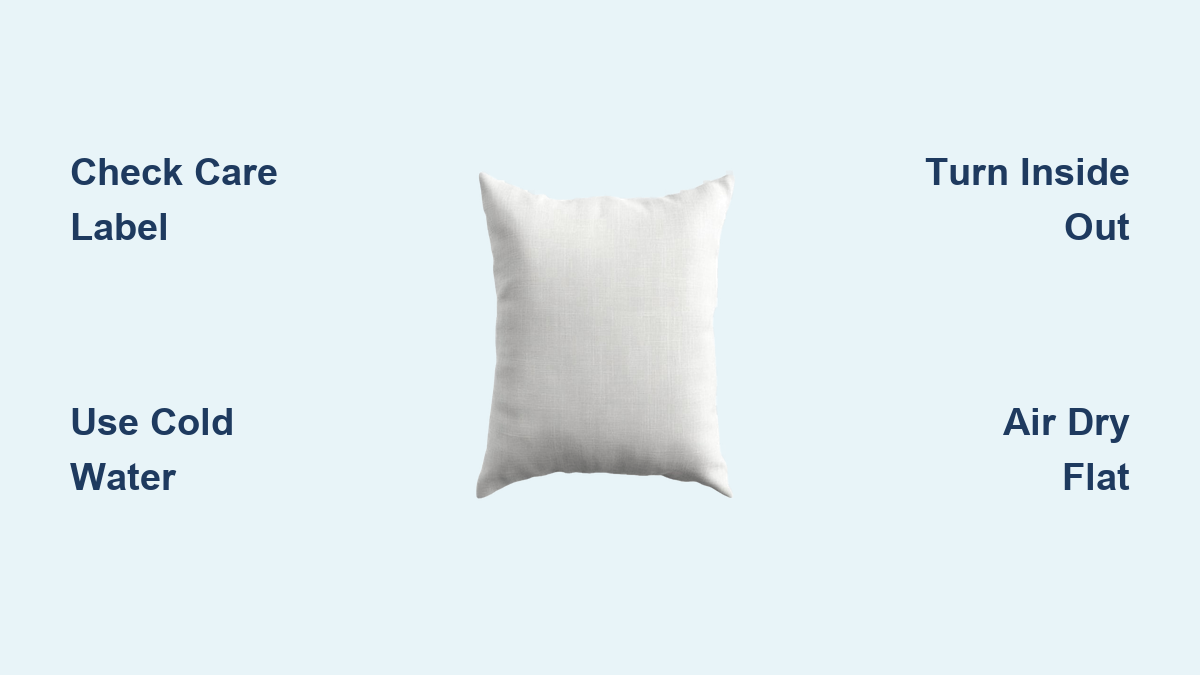
Close all zippers fully to prevent snagging on other items. Then turn the cover inside out. This shields printed patterns, embroidery, and dyes from direct friction during the cycle.
Pre-Treat Stains Gently
For visible stains like makeup, sweat, or food residue:
1. Blot (do not rub) with a white cloth.
2. Apply a small amount of mild stain remover or a paste of baking soda and water.
3. Let sit for 5–10 minutes, then rinse lightly with cold water.
Avoid bleach entirely; it weakens fibers and causes yellowing over time.
Use a Mesh Laundry Bag
Place each cover in a zippered mesh laundry bag. This prevents zipper damage, keeps embellishments from catching, and reduces fabric pilling caused by tumbling. It is especially important for delicate weaves like bouclé or textured cotton.
Set Correct Machine Settings
Choosing the right cycle, water temperature, and detergent makes the difference between a fresh cover and a ruined one.
Choose Cold Water and Gentle Cycle
Use cold water and the delicate or gentle cycle. Warm or hot water opens fabric fibers, which releases dyes and increases shrinkage risk, especially in cotton and linen. Cold water preserves color, prevents shrinking, and treats fibers gently.
Pick Mild, Fragrance-Free Detergent
Harsh detergents strip natural oils and weaken delicate weaves. Look for:
– Mild liquid detergent
– Hypoallergenic or fragrance-free formula
– Half the usual amount to ensure full rinsing
Avoid bleach, fabric softener, and detergents with optical brighteners, all of which can damage fibers or cause yellowing.
Do Not Overload the Machine
Wash 1–2 pillow covers at a time with similar items like other linens. Overcrowding creates friction, which leads to color bleeding, pilling, and incomplete cleaning. Balance the load so the machine spins smoothly without straining.
Try Alternative Cleaning Methods
Not every pillow cover belongs in the washing machine. Some fabrics demand a gentler touch.
Hand Wash Delicate Fabrics
For silk, satin, velvet, or unmarked covers:
1. Fill a basin with cold water and a few drops of mild detergent.
2. Submerge the cover and soak for 10–15 minutes.
3. Gently squeeze; never scrub or twist.
4. Drain and refill with clean water to rinse until soap-free.
5. Press water out using the towel roll method.
This approach preserves fiber integrity and prevents distortion.
Spot Clean Non-Washable Covers
For dry-clean-only or “X”-coded fabrics:
1. Mix cold water with a drop of mild soap.
2. Dampen a white cloth and blot (do not rub) the stain.
3. Use circular motions to clean evenly around trims.
4. Blot dry with a clean towel.
5. Air dry completely before reuse.
Always test the solution on an inconspicuous area first.
Send Sensitive Fabrics for Dry Cleaning
Silk, wool blends, embroidered covers, or anything with metallic threads should go to a professional cleaner. This prevents water spots, dye bleeding, and nap flattening in velvet. Even one improper wash can permanently ruin these materials.
Dry Pillow Covers Safely
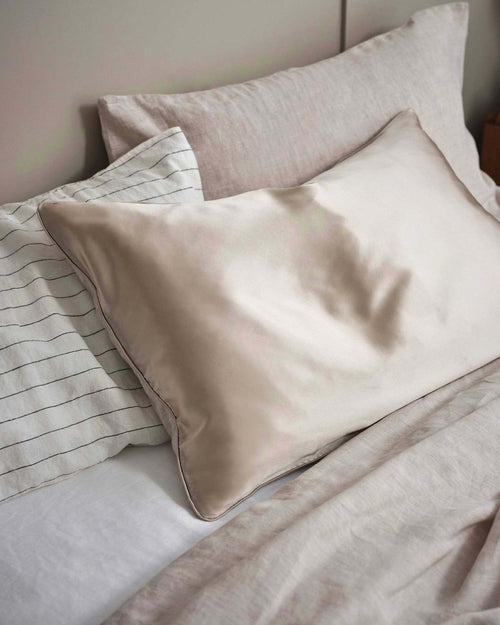
Improper drying causes mildew, shrinkage, and stiff fabric. Match your method to the material.
Air Dry Flat in the Shade
This is the safest option for silk, linen, velvet, faux fur, bouclé, and all delicate fabrics.
Steps:
1. Lay the cover flat on a clean, dry towel.
2. Smooth into shape to prevent wrinkles.
3. Flip once halfway through drying.
4. Keep out of direct sunlight; UV rays fade colors and stiffen fibers.
Drying time varies from 4–24 hours. Ensure 100% dryness before storing or reinserting.
Tumble Dry on Low Heat
Only if the label allows, such as for cotton or polyester blends:
– Use low heat or air-fluff setting.
– Add wool dryer balls or clean tennis balls to fluff the fabric.
– Remove while slightly damp to prevent over-drying and static.
Never use high heat; it can melt synthetic fibers or shrink cotton.
Avoid Common Drying Mistakes
- Do not hang heavy wet covers; they stretch out of shape.
- Do not rely on auto-dry sensors; they often stop before the interior is dry.
- Do not dry near radiators or heaters; this causes warping and brittleness.
Restore Texture and Finish
Once dry, a few quick touch-ups bring covers back to like-new condition.
Iron Inside Out with Low Heat
For wrinkled cotton or linen:
– Use a cool to medium iron.
– Iron on the inside of the cover.
– Place a cloth over silk or delicate prints for protection.
Never iron faux fur, velvet, or chenille; the heat flattens the nap.
Brush Velvet and Faux Fur
To revive plush textures:
– Use a soft-bristle clothes brush or pet comb.
– Gently stroke in one direction.
– Work from top to bottom.
This restores fluffiness and removes lint.
Inspect Closures Before Reassembly
Check zippers and Velcro for alignment, rust, or snagging. Trim loose threads with scissors and replace damaged covers to avoid tearing the insert.
Maintain Cleanliness Longer
Washing less often starts with smarter protection and storage habits.
Use Pillow Protectors
A removable protector under your cover blocks sweat, body oils, dust mites, allergens, hair products, and makeup. Wash protectors monthly (or every 2 weeks for allergy sufferers) in warm water with enzyme detergent. Never use bleach or fabric softener; both degrade waterproof layers.
Wash Frequency Guidelines
| Use Case | Wash Interval |
|---|---|
| Daily use (bedroom or living room) | Every 2–4 weeks |
| Guest room or occasional use | Every 3–6 months |
| Pet-friendly homes | Every 1–2 weeks |
| Allergy sufferers | Every 1–2 weeks |
More frequent washing prevents deep-set stains and odors from building up.
Store Properly When Not in Use
For off-season or extra covers:
– Clean before storing.
– Use breathable cotton bags, not plastic.
– Add cedar blocks or lavender sachets to deter moths and keep things fresh.
Keep in a cool, dark, dry place; avoid attics or basements with humidity.
Troubleshoot Common Problems
Even careful washing can go wrong. Here is how to fix the most frequent issues.
Fix Yellow Stains from Sweat
Caused by oxidized oils and sweat over time:
– Soak in cold water with oxygen-based bleach.
– Apply a paste of baking soda and water, let sit 30 minutes.
– Wash as usual in cold water.
Prevent future stains by washing covers regularly and using protectors.
Prevent or Fix Shrinkage
Natural fibers shrink in warm water or high heat:
– Always wash in cold water.
– Air dry or use low heat.
– Buy pre-shrunk cotton when available.
Once shrunk, stretching rarely works; prevention is key.
Stop Color Fading and Bleeding
Caused by hot water, harsh detergents, or overcrowding:
– Wash in cold water.
– Use mild detergent.
– Wash inside out.
– Separate darks and lights.
If color bleeds, rewash immediately with color-catcher sheets.
Soften Stiff Fabric
Hard water or detergent residue causes stiffness:
– Add half a cup of white vinegar to the rinse cycle.
– Run an extra rinse cycle.
– Ensure full drying.
Vinegar removes mineral buildup without damaging fibers.
Eliminate Mildew Smell
Dampness leads to mold and musty odors:
– Rewash with vinegar or oxygen bleach.
– Dry completely, inside and out.
– Store only when 100% dry.
If the smell persists, the insert may be contaminated and need replacing.
Frequently Asked Questions About Washing Pillow Covers
Can all pillow covers go in the washing machine?
No. Only covers labeled with a “W” or “WS” code are safe for machine washing. Silk, velvet, leather, and covers marked “Dry Clean Only” or “X” require alternative cleaning methods.
How often should I wash my pillow covers?
For daily-use bedroom pillows, wash every 2–4 weeks. Allergy sufferers and pet owners should wash every 1–2 weeks. Guest room or occasional-use covers can go 3–6 months between washes.
What water temperature is best for washing pillow covers?
Cold water is the safest choice for most fabrics. It prevents shrinking, fading, and dye bleeding. Reserve warm or hot water for white cotton protectors that need sanitizing.
Can I put pillow covers in the dryer?
Only if the care label permits it. Use low heat or air-fluff settings for cotton and polyester blends. For delicate fabrics like silk, linen, and velvet, air dry flat in the shade to prevent damage.
How do I remove yellow sweat stains from pillow covers?
Soak the cover in cold water with oxygen-based bleach, then apply a baking soda and water paste to stubborn spots. Let it sit for 30 minutes before washing in cold water with mild detergent.
Should I use bleach on white pillow covers?
Avoid chlorine bleach entirely; it weakens fibers and causes yellowing over time. Use oxygen-based bleach or hydrogen peroxide for brightening white covers safely.
Key Takeaways for Washing Pillow Covers in the Machine

Machine washing pillow covers is safe and effective when you start with the care label and match your method to the fabric. Use cold water, a gentle cycle, and mild detergent, and always turn covers inside out before washing. Air dry delicate materials flat in the shade and reserve tumble drying for durable fabrics on low heat. Pair regular washing with pillow protectors and proper storage to extend the life of your covers and keep your sleep space fresh. Pick up your care labels, sort your covers by fabric type, and run your first load tonight using these guidelines.