
Fix Mottled Skin From Heating Pad: Quick Steps
You reach for your heating pad after a long day, hoping to soothe sore muscles. You use it nightly, sometimes falling asleep with it pressed against your back or legs. Over time, you notice something strange: a patchy, net-like redness on your skin that won’t go away. This could be mottled skin from heating pads, medically known as erythema ab igne, or “toasted skin syndrome.”
This condition isn’t a burn in the traditional sense. It is a reaction to prolonged, low-level heat exposure. While often painless at first, it can lead to permanent discoloration and, in rare cases, even skin cancer. The heat from devices like heating pads, laptops, or car seat warmers, typically between 107°F and 113°F, is enough to damage blood vessels and skin cells over time, especially when used directly on bare skin. This guide will help you recognize early signs, understand potential risks, and take action before the damage becomes irreversible.
Recognize the Rash Pattern

Spot the Fishnet-Like Discoloration
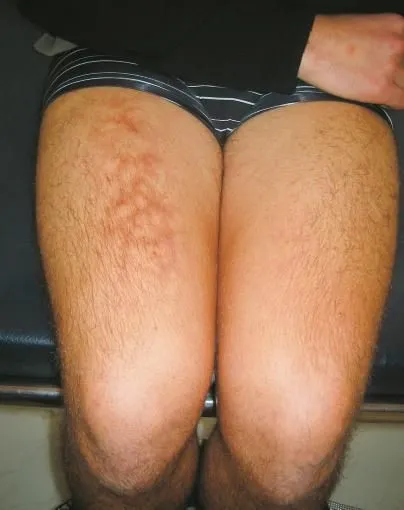
The earliest and most telltale sign of mottled skin from heating pads is a reticulated, net-like red rash that mirrors the shape of the heat source. Common patterns include:
– A rectangular outline on the lower back from a heating pad
– A circular imprint on the thigh from a laptop
– A linear streak from a car seat heater
This mottling occurs because heat dilates the small blood vessels just beneath the skin. Over time, repeated exposure causes those vessels to leak, depositing hemosiderin (a breakdown product of red blood cells), which leads to the dark, webbed appearance.
In early stages, the skin may only appear pink or red and fade when pressed. As exposure continues, the discoloration deepens into brown or slate-gray patches that may become permanent.
Early vs. Advanced Stages
| Stage | Appearance | Reversibility |
|---|---|---|
| Early | Red, net-like pattern; may blanch | Often fades in months |
| Chronic | Dark brown, fixed mottling; skin may feel dry or thin | May be permanent |
If you notice this rash forming, even without pain, it is a warning sign. Stop using the heat source and examine your skin daily for changes.
Identify Common Heat Sources
Heating Pads and Electric Blankets
Heating pads are among the most frequent culprits behind mottled skin. The risk increases when:
– Used directly on bare skin
– Set to high heat for long durations
– Used overnight or while sleeping
Even moderate heat can cause damage if applied for hours every day. Electric blankets pose a similar risk, especially when used on high settings without a sheet barrier.
Pro Tip: Always place a towel or cotton layer between the heating pad and your skin. Limit sessions to 15–20 minutes and avoid falling asleep with it on.
Laptops and Heated Car Seats
Laptop-induced erythema ab igne is increasingly common, especially in students or remote workers who rest devices directly on their thighs. The bottom of a laptop can emit heat in the danger zone (107–113°F) after just 20–30 minutes of use.
Similarly, heated car seats, often used during winter commutes, can cause mottling on the buttocks and thighs with daily, prolonged exposure.
Prevention:
– Use a lap desk or tray with thermal insulation
– Sit on a cushion or blanket in heated cars
– Take breaks from direct contact every 30 minutes
Fireplaces and Space Heaters
Sitting too close to open flames or electric heaters for extended periods (e.g., during cold months) can also trigger the condition, especially on the legs and face. The infrared radiation penetrates the skin gradually, causing cumulative damage.
Visual Cue: Look for mottling on the shins or forearms if you frequently face a heater.
Understand the Health Risks
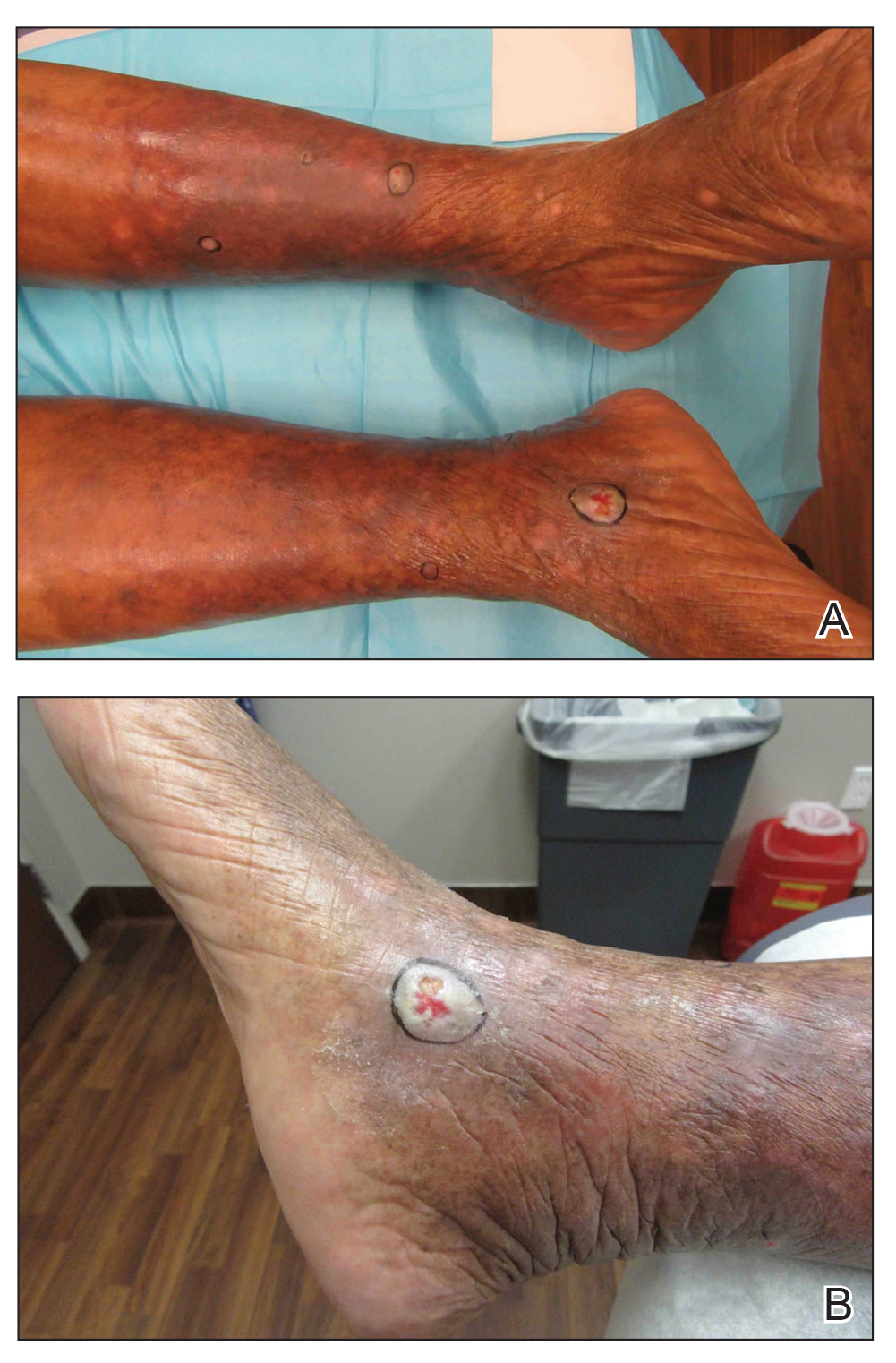
Can Mottled Skin Turn Cancerous?
While most cases of erythema ab igne are benign, long-term, untreated exposure carries a small but real risk of skin cancer. Chronic infrared radiation damages DNA in skin cells, increasing the chance of mutations over years.
Two types of cancer have been linked to this condition:
1. Squamous Cell Carcinoma (SCC) — The most commonly associated malignancy
2. Merkel Cell Carcinoma — Rare but aggressive
The risk is low, but the consequences are serious. Any area of mottled skin that develops ulcers, lumps, or fails to heal after stopping heat exposure should be evaluated by a dermatologist immediately.
When to Worry: Warning Signs
Seek medical attention if you notice:
– Persistent rash that doesn’t fade after 3–6 months
– Itching, burning, or pain in the affected area
– Skin thickening or scaling
– Open sores or raised nodules
These symptoms may indicate deeper tissue damage or early malignancy. A dermatologist can perform a biopsy to rule out cancer.
Stop the Damage Immediately
Remove the Heat Source
The single most effective treatment for mottled skin from heating pads is cessation of the heat source. Without stopping exposure, no other intervention will work.
Steps to take:
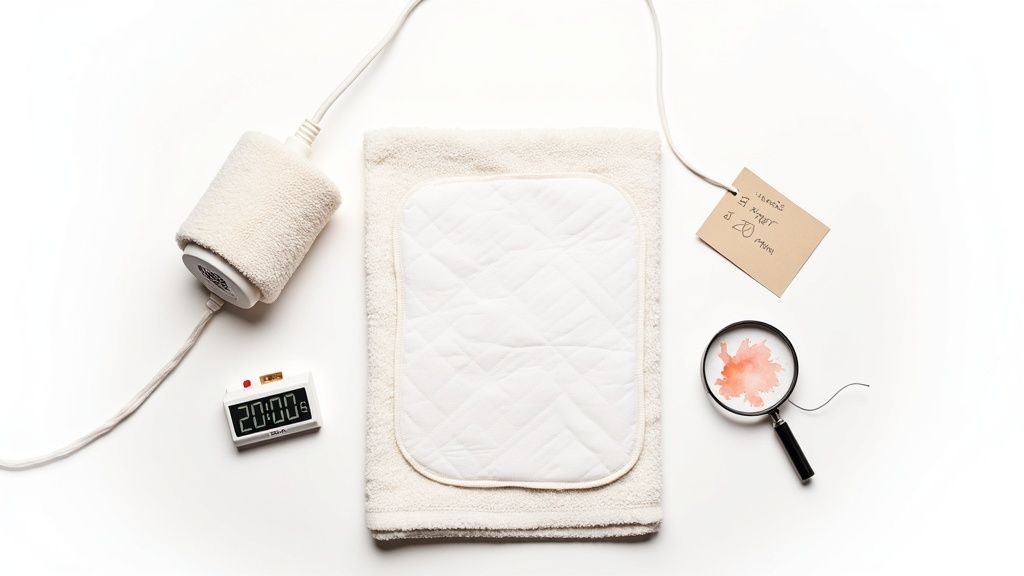
1. Stop using the heating pad on the affected area
2. Avoid direct skin contact with all heat-emitting devices
3. Switch to lower heat settings and shorter durations
4. Use a timer to prevent overuse
Recovery begins only after the thermal injury stops.
Assess Exposure Habits
Ask yourself:
– How many hours per day do I use a heating pad?
– Do I fall asleep with it on?
– Is my laptop on my lap daily?
– Am I near space heaters for hours?
Changing these habits is essential to prevent recurrence or worsening.
Treat Skin Discoloration

Use Topical Retinoids
Once the heat source is removed, topical retinoids (such as retinol or prescription tretinoin) can help fade hyperpigmentation by accelerating skin cell turnover.
How to apply:
– Start with low-concentration retinol (0.1–0.3%) every other night
– Apply to clean, dry skin
– Use sunscreen daily; retinoids increase sun sensitivity
– Expect results in 3–6 months
Caution: Retinoids are not safe during pregnancy, breastfeeding, or when trying to conceive. Consult your doctor before starting.
Other Supportive Care
- Moisturizers: Use fragrance-free creams to support skin barrier repair
- Sun protection: UV exposure can worsen pigmentation; always apply SPF 30+
- Avoid friction: Wear loose clothing over affected areas to prevent irritation
Note: There is no FDA-approved drug specifically for erythema ab igne. Treatment focuses on prevention and cosmetic improvement.
Prevent Future Skin Damage

Create a Safe Heating Routine
To enjoy the benefits of heat therapy without risking mottled skin:
1. Always use a barrier — Place a towel, cloth, or wearable cover between the pad and skin
2. Limit duration — Use heat in 15–20 minute intervals
3. Avoid sleep use — Never fall asleep with an active heating pad
4. Choose lower settings — Use the minimum heat needed for relief
Pro Tip: Opt for moist heat pads or microwavable wraps (e.g., rice bags), which often run cooler than electric models.
Upgrade Your Devices
Consider safer alternatives:
– Heating pads with auto-shutoff timers
– Adjustable temperature controls
– Far-infrared models with even heat distribution
Avoid older, high-heat pads that don’t regulate temperature well.
Know When to See a Dermatologist
Get a Professional Diagnosis
The fishnet pattern of erythema ab igne can resemble other conditions like:
– Livedo reticularis (vascular disorder)
– Cutaneous lupus
– Venous insufficiency
A dermatologist can confirm the diagnosis through visual exam or skin biopsy.
See a specialist if:
– The rash persists beyond 6 months after stopping heat
– You experience pain or itching
– The skin becomes scaly, ulcerated, or lumpy
– You’re unsure of the cause
Early evaluation prevents complications.
Monitor for Long-Term Changes
Even after healing, periodically check the area for:
– New discoloration
– Sores that won’t heal
– Raised or growing bumps
Annual skin checks are wise for anyone with a history of chronic heat exposure.
Frequently Asked Questions About Mottled Skin from Heating Pads
What does mottled skin from a heating pad look like?
Mottled skin from a heating pad appears as a net-like or fishnet-patterned rash that mirrors the heat source’s shape. It starts red in early stages and can darken to brown or slate-gray with continued exposure.
Is mottled skin from heating pads permanent?
It depends on severity. Mild cases often fade within several months after the heat source is removed. However, chronic, long-term exposure can cause permanent hyperpigmentation and textural changes.
Can heating pads cause skin cancer?
In rare cases, yes. Chronic infrared radiation from heating pads can damage skin cell DNA over years. This damage has been linked to Squamous Cell Carcinoma and, less commonly, Merkel Cell Carcinoma. The risk is low but warrants vigilance.
How long does it take for toasted skin syndrome to appear?
The timeline varies based on heat intensity and frequency. Some people develop visible mottling after weeks to months of daily use, especially with direct skin contact and high settings.
How do you treat erythema ab igne at home?
The primary step is stopping heat exposure immediately. After that, topical retinoids (like retinol) can help fade discoloration over months. Moisturizers and sun protection also support skin recovery.
When should I see a doctor for heating pad rash?
See a dermatologist if the rash persists beyond 6 months, causes pain or itching, becomes scaly or ulcerated, or develops lumps. These signs may indicate deeper damage or rare complications.
Key Takeaways for Preventing Heating Pad Skin Damage
Mottled skin from heating pads is preventable and often reversible when caught early. The most important step is recognizing the subtle red or brown net-like rash as a warning sign, not just a harmless side effect. By using heat therapy responsibly, limiting time, adding barriers, and avoiding direct skin contact, you can protect your skin while still enjoying pain relief.
If skin changes persist after stopping heat exposure, don’t wait. Consult a dermatologist to rule out permanent damage or rare but serious complications. Your skin’s health is worth the extra caution.