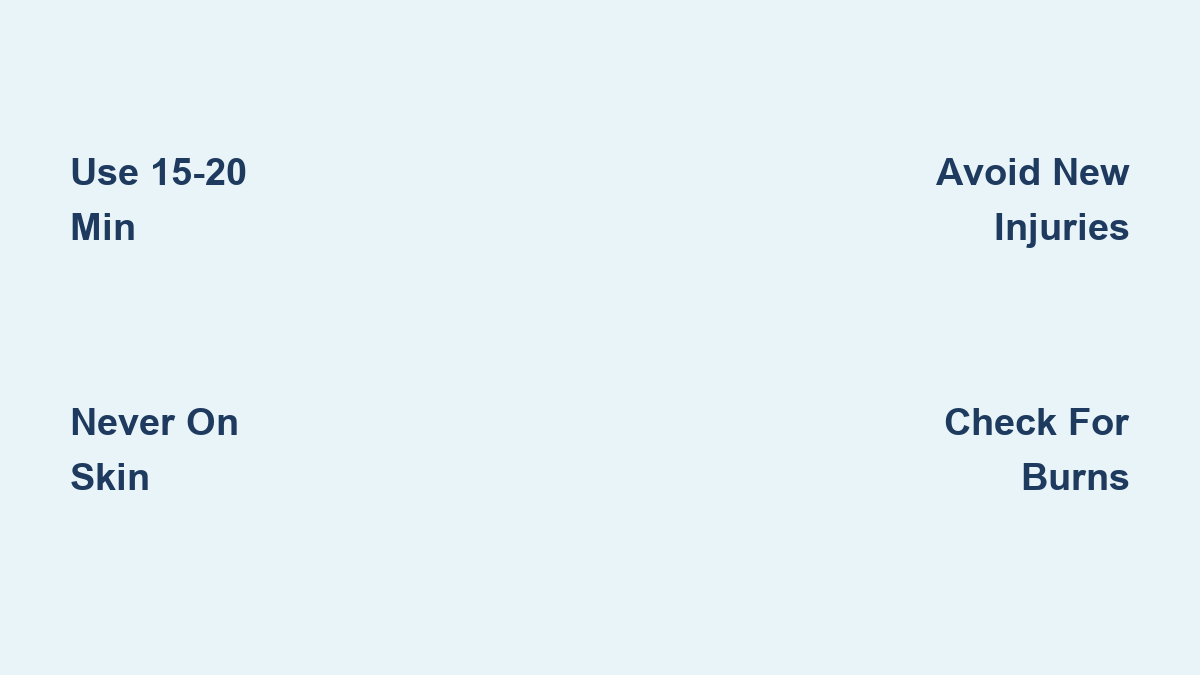
How to Use Heat Relief Pads
You’ve been sitting at your desk for hours, and now your lower back aches. Or maybe you just finished a tough workout and your shoulders feel tight. You reach for your heat relief pad, only to wonder if you’re using it the right way. You’re not alone. Millions rely on heat therapy for drug-free pain relief, but using heat relief pads effectively means more than just warming them up and pressing them to sore muscles. Done correctly, they can melt stiffness, boost circulation, and prepare your body for deeper recovery. Done wrong, they can cause burns or worsen inflammation.
The key lies in understanding when to apply heat, how long to use it, and which type of pad works best for your needs. Whether you’re using an electric model, a microwavable flax pack, or a disposable chemical patch, proper technique maximizes benefits and minimizes risks. This guide breaks down the science-backed methods for safe, effective use so you get real relief, not just temporary warmth.
Choose the Right Type of Heat Relief Pad
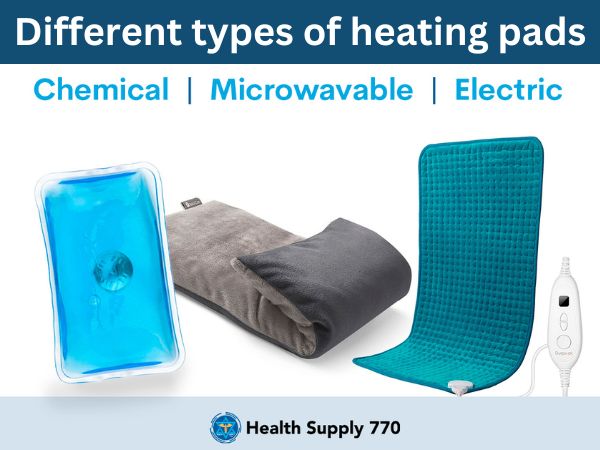
Not all heat relief pads are created equal. Your lifestyle, pain type, and environment dictate the best choice.
Match Pad Type to Your Lifestyle
Different heat sources serve different purposes. Knowing your options helps you pick the one that fits your routine.
Electric Pads for Stationary Relief
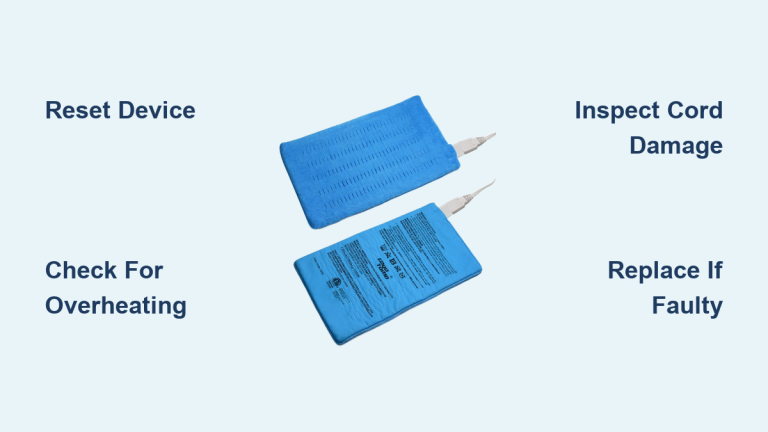
Ideal for long sessions at home, electric heating pads plug into an outlet and deliver consistent dry heat. They’re perfect if you’re relaxing on the couch with chronic back pain or keeping your feet warm on cold nights. Most models offer adjustable temperature settings and auto-shutoff features (usually after 60–90 minutes), adding safety for extended use.
Watch for: The cord limits mobility. Avoid folding or bunching the pad, as this can damage internal coils and create hot spots.
Microwavable Pads for Deep Penetration
Filled with flax seeds, rice, or gels, microwavable pads release moist heat that penetrates deeper than dry heat, making them ideal for tight muscles, cramps, or joint stiffness. Their cordless design makes them great for office use, post-workout recovery, or travel. Flax-based pads mold perfectly to necks, knees, and lower backs thanks to their pliable fillers.
Pro Tip: Heat in 15–30 second bursts, rotating the pad, to prevent overheating one area.
Chemical Patches for On-the-Go Use
These adhesive, single-use patches activate when exposed to air and provide low-level heat for up to 8 hours. They’re discreet and perfect for wearing under clothing during work or travel. While not strong enough for deep muscle pain, they help manage minor aches and stiffness throughout the day.
Avoid if: You have sensitive skin, as some adhesives can cause irritation.
Apply Heat Safely and Effectively
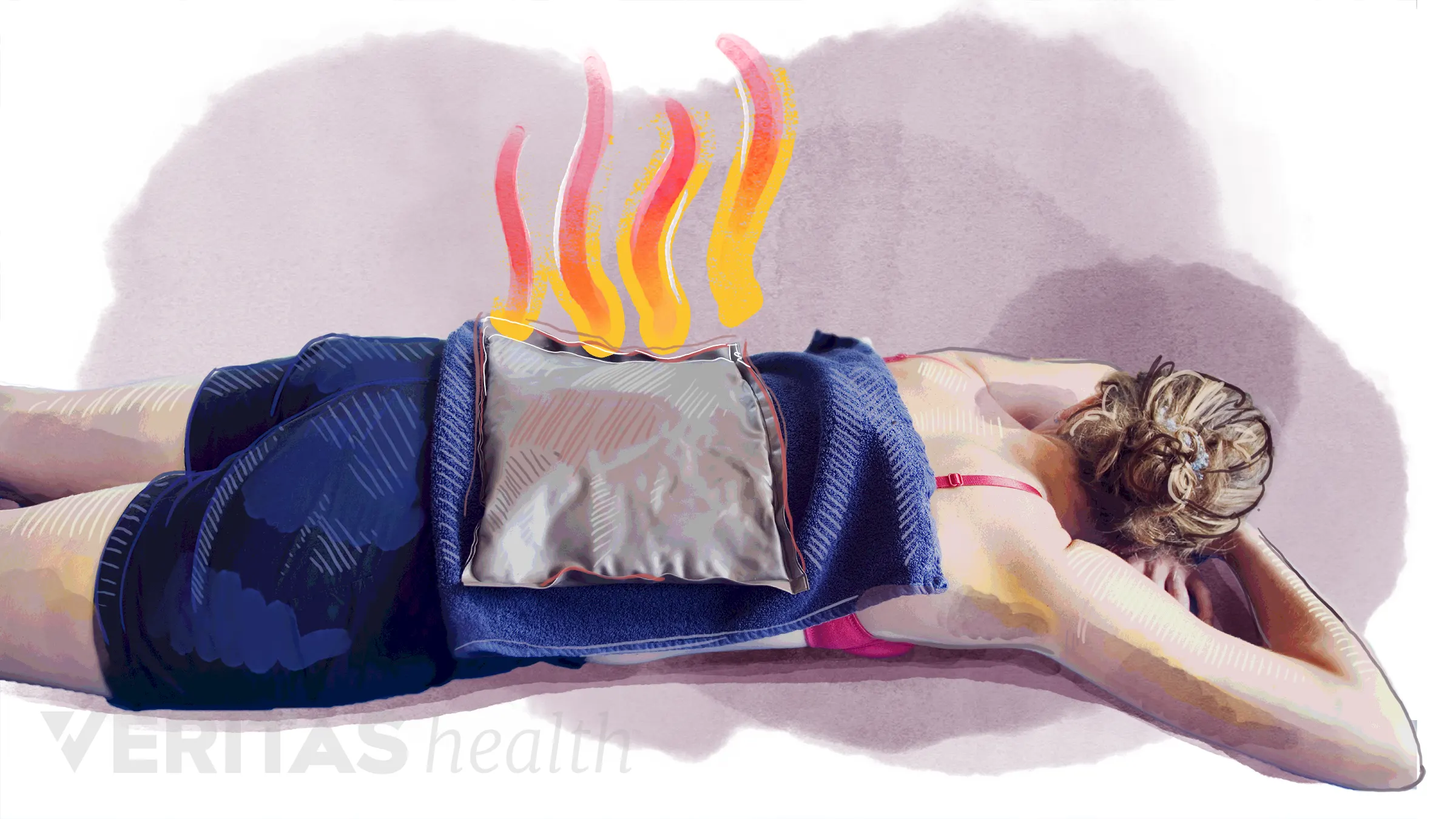
Using a heat pad isn’t just about comfort. It’s about doing it safely to prevent injury.
Never Apply Heat Directly to Skin
Always place a thin barrier, like a cotton towel or the pad’s removable cover, between the heat source and your skin. Direct contact increases the risk of burns, even with low settings. This is especially crucial for microwavable and electric pads, which can develop localized hot spots.
Visual cue: If the pad feels too hot to touch for 10 seconds, it’s too hot for your body.
Use the Correct Duration
Stick to 15–20 minutes per session. This is the sweet spot for triggering vasodilation, where blood vessels widen and deliver oxygen-rich blood to tense tissues, without overloading your skin’s heat receptors.
Why it matters: Going longer doesn’t mean more relief. In fact, prolonged heat can increase inflammation or cause thermal damage, especially in people with reduced sensation.
Set a timer: Don’t rely on memory. Use a phone alarm or kitchen timer to avoid falling asleep with the pad on.
Avoid Heat After Acute Injuries
If you’ve just sprained an ankle or pulled a muscle, do not use heat. During the first 48 hours, injured tissue swells as part of the healing process. Heat increases blood flow, which can worsen swelling and delay recovery.
Use ice instead. Cold therapy constricts blood vessels, reducing inflammation and numbing sharp pain.
Rule of thumb: Ice for new injuries, heat for old aches. Once swelling goes down (usually after 2 days), switch to heat to relax stiff muscles and improve mobility.
Maximize Therapeutic Benefits
Heat isn’t just for pain. It’s a tool to enhance recovery and prepare your body for movement.
Warm Up Before Stretching or Massage
Cold muscles are stiff, like unwarmed rubber bands. Applying heat for 15 minutes before stretching or massage makes collagen fibers more pliable, reducing resistance and allowing deeper work.
Real-world benefit: Athletes use moist heat pre-workout to improve flexibility. Massage therapists recommend heating tight areas first to loosen knots and increase treatment effectiveness.
Try this: Place a microwavable pad on your shoulders before foam rolling. You’ll notice less discomfort and better release.
Combine Heat with Aromatherapy for Stress Relief
Some microwavable pads are infused with natural lavender, chamomile, or eucalyptus. When heated, these release calming scents that engage the olfactory system, reducing stress and enhancing relaxation.
Science link: Aromatherapy activates the limbic system, the brain’s emotional center, amplifying the soothing effect of heat.
Check ingredients: Avoid synthetic fragrances, which may irritate skin or airways. Look for pads with organic botanicals.
Recognize When to Stop or Seek Help
Even safe therapies have limits. Know the warning signs that mean it’s time to pause.
Stop Immediately If You Feel Numbness or Tingling
These sensations indicate nerve irritation or excessive pressure. Continuing could lead to tissue damage or burns, especially if you can’t accurately feel temperature changes.
Also stop if you notice:
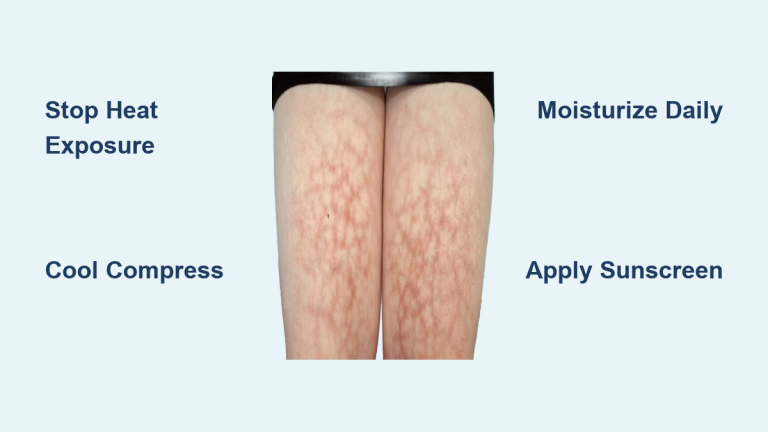
– Persistent redness that doesn’t fade within an hour
– Blisters or skin discoloration
– Increased pain instead of relief
Consult a Doctor Before Use If You Have Certain Conditions
Heat therapy isn’t for everyone. Talk to your healthcare provider if you have:
– Diabetes (can impair sensation in extremities)
– Peripheral neuropathy
– Poor circulation
– Open wounds or infections in the area
– Cancer (avoid heating tumors)
Why: Impaired sensation means you might not feel a burn until it’s severe. Circulatory issues can make heat response unpredictable.
Optimize Long-Term Use and Maintenance
Your heat pad can last years if you care for it properly.
Clean Regularly to Prevent Bacteria Buildup
Most microwavable pads come with removable, washable covers. Wash these every 1–2 weeks, especially if used post-exercise or on bare skin.
Never submerge the inner core. Moisture can spoil grain fillers (like rice or flax) or damage electric components.
For electric pads: Wipe down with a damp cloth and mild soap. Avoid soaking.
Store Properly to Extend Lifespan
- Microwavable pads: Store in a cool, dry place. Keep away from moisture to prevent mold.
- Electric pads: Loosely coil the cord. Don’t wrap tightly to avoid damaging internal wires.
- Chemical patches: Keep sealed until use to prevent premature activation.
Pro Tip: If your microwavable pad develops an off smell, it may be time to replace it, especially if the inner bag has leaked.
Troubleshoot Common Mistakes
Even small errors reduce effectiveness or create risks.
Avoid Overheating Microwavable Pads
Heating too long or on high power can scorch filler material, creating fire hazards or hot spots.
Fix: Use a lower microwave setting (50–70%) and heat in 15-second intervals. Flip or rotate the pad between bursts.
Test temperature: Shake the pad gently. Heat should feel evenly distributed. If one spot burns, let it cool and reheat carefully.
Don’t Fall Asleep with Any Heat Pad
This bears repeating: never sleep with an active heating pad. Even models with auto-shutoff can malfunction. During sleep, your body’s ability to detect heat diminishes, increasing burn risk.
Safer alternative: Use a heated blanket with built-in safety controls if you need warmth overnight.
Don’t Use High Heat for Quick Results
Cranking up the temperature won’t speed up relief. High heat desensitizes skin nerves quickly and increases burn risk without enhancing therapeutic effects.
Better approach: Use moderate heat for the full 15–20 minutes. You’ll get deeper, safer results.
Know What Relief to Expect and When
Understanding the timeline of benefits helps set realistic expectations.
Feel Relief Within 10 Minutes
Studies show 80% of users feel improvement within 10 minutes of applying heat. You should notice:
– A gentle wave of warmth spreading into the muscle
– Gradual reduction in stiffness
– Easier movement in the affected area
If no relief occurs: Reassess placement. Ensure full contact with the painful zone. Consider whether the issue might need medical evaluation.
Relief Lasts Beyond the Session
The effects continue after removal. Enhanced circulation keeps delivering nutrients, and relaxed muscles stay more flexible for hours, especially if followed by light stretching.
Maximize after-effects: Move gently after treatment. Avoid returning to a static position immediately.
Choose High-Quality Products for Better Results
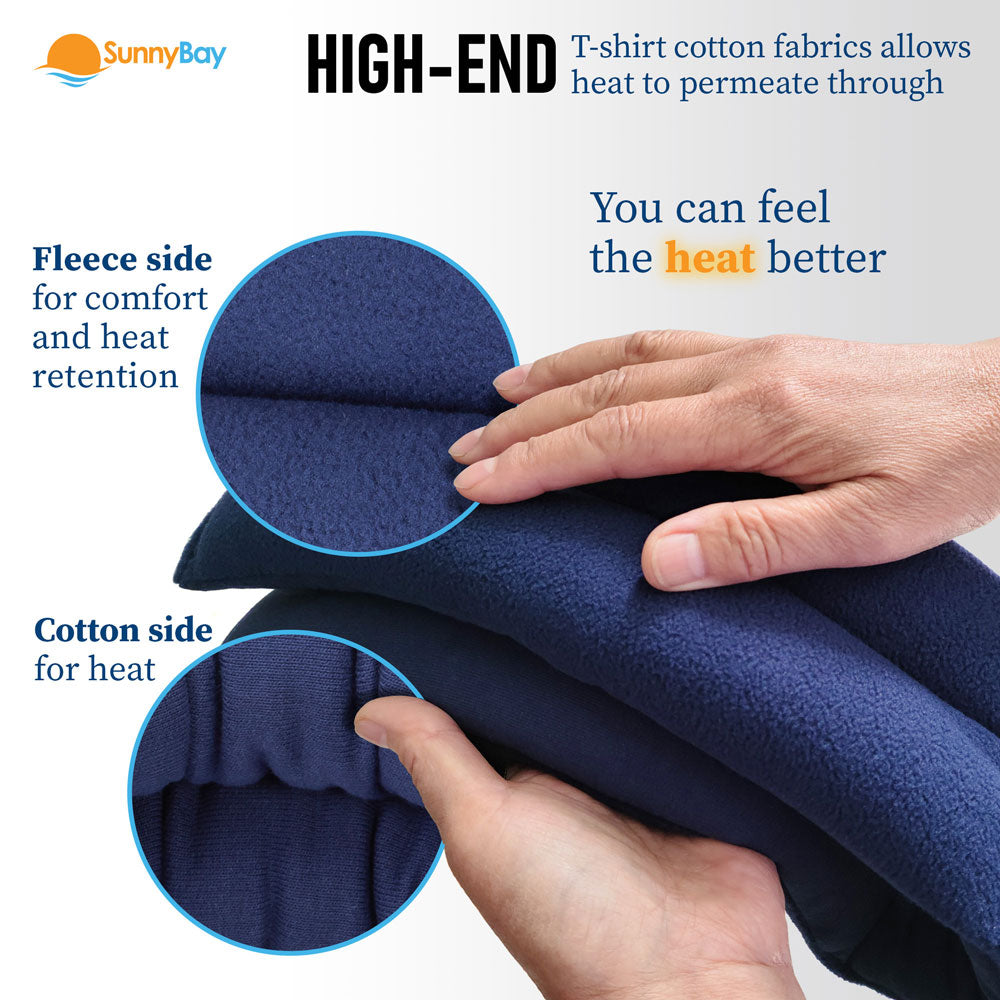
Not all heat pads perform the same. Look for features that ensure safety, comfort, and efficacy.
Look for Dual-Fabric Construction
Top microwavable pads feature:
– Soft fleece side: Retains heat longer and feels cozy against skin
– 100% cotton side: Breathable, prevents overheating, and reduces sweating
This combination regulates temperature and improves comfort during use.
Prioritize Moldability
Pads filled with flax seeds outperform others in conforming to body curves. Their small size and natural oils allow them to drape smoothly over shoulders, knees, or the lower back, maximizing contact and heat transfer.
Avoid stiff or flat pads that only touch parts of the area.
Frequently Asked Questions About Heat Relief Pads
How long should you use a heat relief pad in one session?
The medically recommended duration is 15 to 20 minutes per session. This timeframe is enough to trigger vasodilation and muscle relaxation without overwhelming skin heat receptors. Going longer can increase inflammation or cause thermal damage, especially in people with reduced sensation.
Can you use a heat pad on a new injury?
No. Do not apply heat to fresh injuries during the first 48 hours. Heat increases blood flow, which can worsen swelling and delay healing. Use ice instead to constrict blood vessels and reduce inflammation. Once swelling subsides, switch to heat for stiffness and chronic aches.
Is it safe to sleep with a heating pad on?
Never fall asleep with an active heating pad. During sleep, your body’s ability to sense temperature changes diminishes, significantly increasing burn risk. Even models with auto-shutoff features can malfunction. Use a heated blanket with built-in safety controls if you need overnight warmth.
What is the best temperature setting for a heating pad?
The optimal therapeutic temperature range is between 104°F and 113°F (40°C to 45°C). Start with low-to-moderate heat and avoid high settings, which increase burn risk without improving efficacy. For microwavable pads, heat in short intervals to prevent hot spots.
Which type of heat pad is best for deep muscle pain?
Microwavable pads filled with flax seeds are best for deep muscle pain. They release moist heat that penetrates deeper than the dry heat from electric pads. Flax-based fillers also mold to body contours, ensuring maximum contact and heat transfer to the affected area.
How do you clean a microwavable heat pad?
Wash the removable fabric cover every 1–2 weeks, especially after post-workout use. Never submerge the inner grain-filled core, as moisture can spoil the fillers or cause mold. If the inner bag leaks or develops an off smell, replace the pad immediately.
Key Takeaways for Using Heat Relief Pads Effectively
Using heat relief pads correctly transforms them from simple warm compresses into powerful tools for recovery, relaxation, and pain management. Choose the right type for your lifestyle: electric for stationary home use, microwavable for deep penetrating relief, or chemical patches for on-the-go mobility. Always apply heat with a protective barrier for 15 to 20 minutes, and avoid use on fresh injuries where swelling is present.
For best results, use heat before stretching or massage, clean your pad regularly, and store it properly. Whether you’re an office worker battling neck tension or an athlete managing sore muscles, the right heat therapy routine can reduce reliance on painkillers and improve daily function. Stick to the science, respect the limits, and let heat work for you, not against you. Start with one session today using the guidelines above, and notice how proper technique makes all the difference.