How to Treat Heating Pad Rash
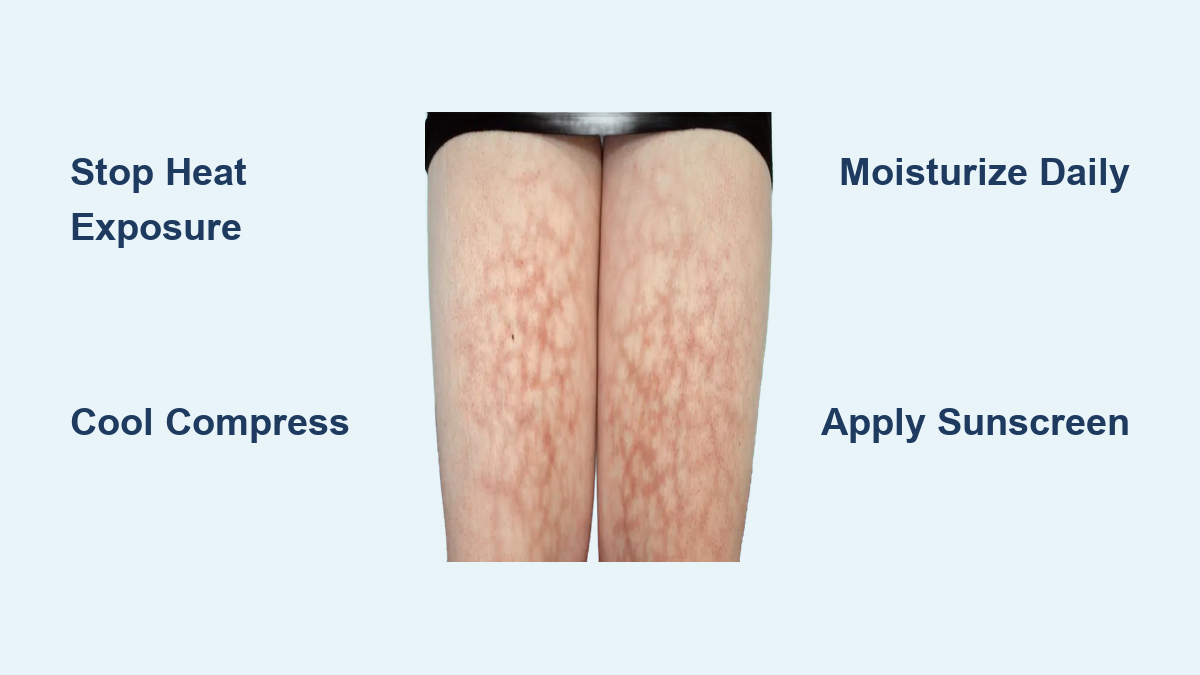
You’ve been curling up with a heating pad to ease back pain or sore muscles, and now your skin looks blotchy, dark, or oddly patterned. What you’re seeing may be heating pad rash, a condition doctors call erythema ab igne or “toasted skin syndrome.” It happens when heat that’s not quite hot enough to burn still damages your skin over time.
The marks often show up as a net-like or mottled discoloration. Some people feel nothing at all, while others deal with dryness, itching, or a leathery texture. In rare cases, years of repeated heat exposure can raise the risk of skin cancer. The encouraging part? Most rashes fade with the right care, especially when you catch them early.
Below, you’ll learn exactly how to treat heating pad rash at home, when to call a dermatologist, and how to prevent it from coming back.
Stop Heat Exposure Right Away
Remove the Heating Pad Completely
The single most important step is to stop using the heating pad on the affected skin. Even low heat can keep the damage going and slow down healing. If you depend on heat for pain relief, try cold packs wrapped in cloth, gentle stretching, or an over-the-counter pain reliever instead.
Avoid All Other Heat Sources
Putting the heating pad away isn’t enough. Skip hot water bottles, heated blankets, saunas, and sitting close to fireplaces or space heaters. Any extra warmth can keep the rash from healing.
Pro Tip: If you ever use heat therapy again, keep sessions short (15–20 minutes) and always place a towel between the pad and your skin.
Cool and Soothe the Affected Skin

Apply a Cool Compress
Right after you stop the heat, place a clean, damp washcloth or cool compress on the rash for 10–15 minutes. Repeat several times a day if the skin feels warm or tender. Never put ice directly on the area, since that can irritate already sensitive skin.
Clean Gently with Lukewarm Water
Wash the area once a day using mild, fragrance-free soap and lukewarm water. Hot water strips natural oils and makes dryness worse. Pat the skin dry with a soft towel instead of rubbing, then move straight to moisturizer.
Moisturize and Repair the Skin Barrier
Pick a Skin-Friendly Moisturizer
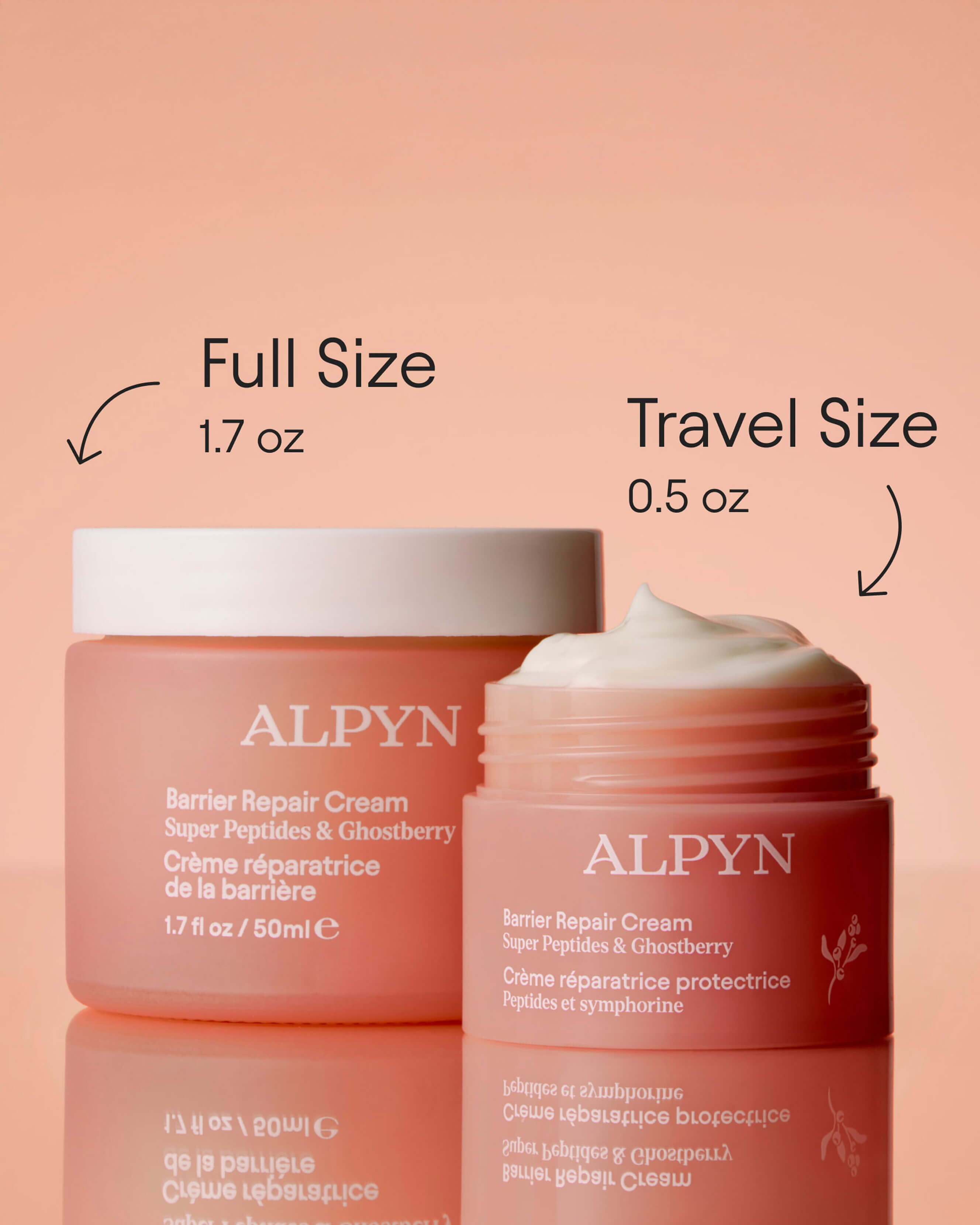
Heating pad rash often leaves skin dry and flaky. Reach for a fragrance-free, hypoallergenic moisturizer such as Cetaphil, CeraVe, or Vanicream. Apply it several times a day, especially after washing.
Helpful ingredients to look for include:
– Ceramides to rebuild the skin barrier
– Hyaluronic acid to pull in moisture
– Glycerin to lock in hydration
Skip products with alcohol, fragrance, or strong exfoliants like glycolic acid, which can sting compromised skin.
Calm the Itch Without Scratching
Scratching can crack the skin and lead to infection. Instead:
– Keep your nails short
– Wear soft, loose clothing over the area
– Try a 1% hydrocortisone cream for up to 7 days for short-term relief
Protect the Area from Sun Damage

Why Sunscreen Matters for Heated Skin
Discolored skin from heating pad rash is extra sensitive to UV rays. Sun exposure can darken the patches further and make them permanent, even after the rash heals.
Apply Sunscreen Every Day
Put on a broad-spectrum sunscreen with SPF 30 or higher on the affected area daily, even if clothing covers it. Reapply if the spot becomes uncovered. Long sleeves, pants, or UPF-rated clothing add extra protection during long outdoor time.
Expert Note: UV damage after heat injury can look a lot like melasma or post-inflammatory hyperpigmentation, so daily sunscreen is non-negotiable.
Watch for Warning Signs During Healing
Track Texture and Color Changes
Most rashes slowly improve over weeks to months once you stop the heat. But healing isn’t always smooth. Stay alert for:
– Skin that feels thick, leathery, or scaly
– Open sores or ulcers
– New lumps, bumps, or sores that won’t heal
These signs can point to deeper damage or, rarely, early squamous cell carcinoma, a skin cancer linked to long-term heat exposure.
Know When Pigmentation Won’t Fade
If the mottled discoloration hasn’t lightened after 6–8 weeks of careful skincare, book an appointment with a dermatologist. Stubborn pigmentation may need professional treatment.
See a Dermatologist for Stubborn Rash

Confirm the Diagnosis
A dermatologist can verify whether your rash is truly erythema ab igne and rule out look-alikes like eczema, psoriasis, or vascular problems. The net-like pattern of discoloration is usually the biggest clue.
Medical Treatments That Help
For rashes that don’t fade on their own, doctors may suggest:
Topical Creams
- Retinoids like tretinoin to speed cell turnover
- Hydroquinone to lighten dark patches (used under medical supervision)
- Combination creams such as retinoid plus hydrocortisone plus hydroquinone
In-Office Procedures
- Laser therapy (like pulsed dye or Q-switched lasers) to target pigment
- Chemical peels to remove damaged outer skin layers
These work best once the skin has fully calmed down, with no active redness or irritation.
Request a Biopsy for Suspicious Spots
If a patch looks raised, bleeds, or keeps growing, a skin biopsy can rule out cancer. Catching problems early makes a big difference.
Prevent Heating Pad Rash from Returning

Limit Time and Temperature
Smart habits keep your skin safe:
– Use heating pads for 15–20 minutes max
– Stick to low or medium heat
– Never fall asleep with one turned on
Set a phone timer so you don’t lose track of time while relaxing.
Always Use a Cloth Barrier
Place a thin towel or fabric layer between the pad and your skin. This small step cuts down direct heat transfer and protects delicate tissue.
Try Safer Pain Relief Alternatives
If you use heat often, consider:
– Heated blankets with auto-shutoff
– Microwavable gel packs used through cloth
– Warm baths kept below 104°F (40°C)
– Stretching routines or physical therapy
Modern heating pads with built-in timers and temperature controls are also worth the investment.
Understand the Long-Term Risks of Heat
Chronic Exposure Can Cause Complications
Using a heating pad daily for months or years, especially on high heat, raises the risk of:
– Permanent skin discoloration
– Thinning or thickening of the skin
– Lasting sensitivity
– Rarely, squamous cell carcinoma
This matters most for people managing chronic pain who may not realize they’re exposing the same patch of skin night after night.
Higher-Risk Groups
Take extra care if you have:
– Neuropathy from diabetes or other conditions, since reduced sensation hides overheating
– Poor circulation, which slows healing
– Autoimmune skin conditions, which can react more strongly to heat
Talk to your doctor about safer pain relief options if any of these apply.
Support Healing with Healthy Habits
Feed Your Skin from the Inside
Good nutrition helps skin repair itself. Focus on foods rich in:
– Vitamin C for collagen and fading pigmentation
– Vitamin E to protect skin cells
– Omega-3 fatty acids to calm inflammation
Fruits, vegetables, nuts, and fatty fish like salmon are all great choices. Ask your doctor before starting new supplements.
Stay Hydrated
Water keeps skin elastic and helps it heal faster. Aim for at least 8 glasses a day, and more if you’re active or live in a dry climate.
Frequently Asked Questions About Heating Pad Rash
What does heating pad rash look like?
It usually shows up as a mottled, net-like pattern of redness or brownish discoloration on the skin. The skin may also feel dry, itchy, or slightly leathery to the touch.
How long does it take for heating pad rash to go away?
Most cases fade over weeks to a few months once you stop the heat and care for your skin gently. Stubborn discoloration may take longer and sometimes needs a dermatologist’s help.
Can heating pad rash cause skin cancer?
It’s rare, but years of repeated heat exposure have been linked to squamous cell carcinoma. The risk is low, but it’s one more reason to use heating pads safely and avoid long sessions.
Is heating pad rash the same as a burn?
No. A burn happens from heat hot enough to injure skin right away. Heating pad rash comes from lower heat used too long, which damages the skin gradually without an immediate burn.
Should I use hydrocortisone cream on heating pad rash?
A 1% hydrocortisone cream can help with itching and mild inflammation for short-term use (up to 7 days). For stronger or longer treatment, check with a doctor.
When should I see a doctor for heating pad rash?
Book a visit if the rash doesn’t improve after 6–8 weeks, the skin becomes thick or scaly, you develop open sores, or you notice any new lumps or changes that worry you.
Key Takeaways for Treating Heating Pad Rash
Heating pad rash responds well to early, consistent care. Stop the heat, cool and moisturize the skin, wear sunscreen daily, and watch for any unusual changes. Most rashes fade within weeks, but don’t wait to see a dermatologist if the discoloration sticks around or the skin starts to look or feel different.
Going forward, protect your skin by using heating pads for short sessions, on low heat, and always with a cloth barrier. Smarter habits let you enjoy the comfort of heat therapy without putting your skin at risk.