How to Use a Pregnancy Pillow for Hip Pain Relief
Hip pain during pregnancy is more than just a minor discomfort. It can disrupt your sleep, affect your mobility, and make daily life harder, especially as your body changes in the second and third trimesters. The good news? You do not have to suffer through it. Using a pregnancy pillow for hip pain is one of the most effective, non-invasive ways to find relief, if you know how to use it correctly.
This guide will show you exactly how to position your body and your pillow to reduce pressure on your hips, maintain proper spinal alignment, and sleep more soundly. Whether you are just starting to feel discomfort or already struggling with nightly aches, these techniques can help you feel better starting tonight.
Choose the Right Pillow Shape for Hip Support
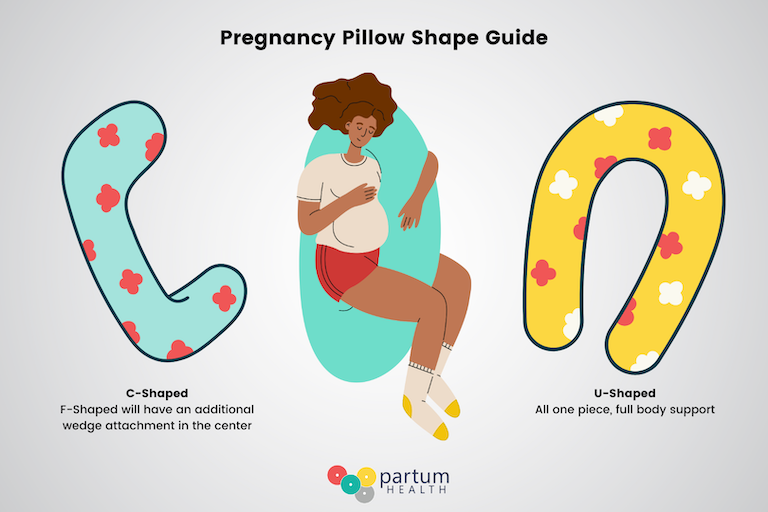
Not all pregnancy pillows are created equal when it comes to hip pain. The shape you choose determines how well you can align your pelvis and relieve joint strain.
U-Shaped: Full-Body Stability
A U-shaped pillow wraps around your body like a cradle, supporting your head, back, belly, hips, and legs all at once. This design is ideal if you tend to toss and turn or wake up with hip pain from shifting positions.
• Keeps hips level by preventing your top leg from dropping down
• Includes built-in space for a pillow between your knees
• Some models have a leg hook to stop rolling onto your back
• Best for side sleepers who want continuous support
Pro Tip: If you are a restless sleeper, look for a U-shaped pillow with a non-slip base or anchoring straps to keep it in place.
C-Shaped: Flexible Front-and-Back Support
The C-shaped pillow curves partially around your body and can be used in multiple configurations. Place it in front to support your belly or behind to support your back.
• Hug it in front while side-sleeping to cradle your belly and tuck another pillow between your knees
• Flip it behind your back to prevent rolling and support your lower spine
• Takes up less space than a U-shape, great for smaller beds
Expert Note: Models like the Boppy Total Body or Frida Mom Adjustable Pillow offer cooling fabric, which helps manage night sweats that often accompany pregnancy.
I-Shaped: Simple and Customizable
An I-shaped pillow runs straight from head to toe and gives you total control over positioning.
• Hug it at the top for upper body comfort
• Slide it under your waist and legs to support hips and prevent knee collapse
• Fold or angle it to create DIY belly or back support
Best For: Taller individuals or those who prefer minimalism with maximum versatility.
Wedge Pillow: Targeted Relief
Wedge-shaped pillows are compact and perfect for addressing specific pressure points.
• Between-the-knees wedge keeps hips aligned and reduces strain on the sacroiliac joint
• Belly support wedge slides under your lower abdomen to take weight off hip ligaments
• Back wedge placed behind your lower back maintains side-sleeping posture
Ideal For: Travel, combo setups, or early pregnancy when full-body support is not yet needed.
Sleep on Your Side with Proper Hip Alignment
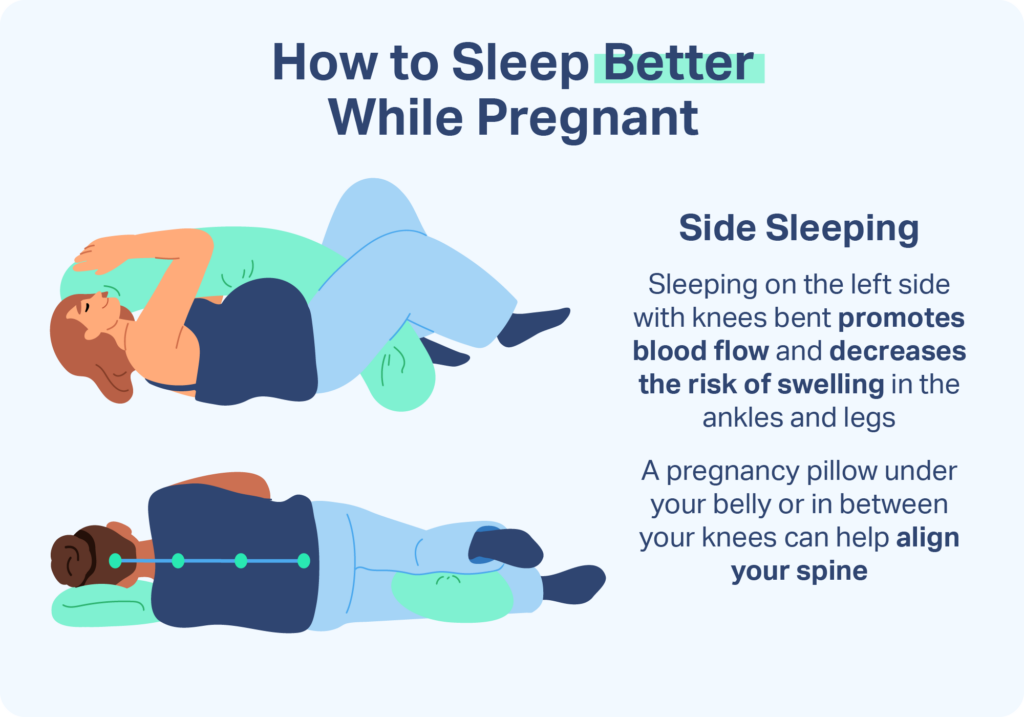
Side sleeping is the gold standard during pregnancy, especially for hip pain relief. But not all side sleeping is equal. The key is neutral alignment: keeping your spine straight and hips stacked.
Left or Right Side: Both Are Safe
While left-side sleeping has long been recommended to improve blood flow to the placenta, newer research shows right-side sleeping is equally safe.
• Switch sides during the night to prevent one hip from bearing constant pressure
• Alternate every few hours if possible to avoid unilateral strain
Myth Busted: Rolling to your right will not harm your baby. Comfort matters, so use both sides freely.
Bend Knees at 30 to 45 Degrees
Do not curl tightly into a fetal position. That can compress your diaphragm and worsen hip torque.
• Gently bend both knees
• Keep your top leg parallel to the floor, not angled downward
• This reduces rotational force on the pelvis and protects the SI joint
Place a Pillow Between Your Knees and Ankles
This is the single most effective move for reducing hip pain when using a pregnancy pillow for hip pain.
Why It Works
When you lie on your side without support, your upper leg pulls your pelvis out of alignment, straining the hip joint and lower back. A pillow between the knees prevents inward knee collapse, maintains neutral pelvic tilt, and reduces pressure on the sciatic nerve.
How to Do It Right
- Lie on your side with your spine straight
- Slightly bend both knees
- Insert a firm pillow or wedge between your thighs and knees
- For extra stability, add a small towel or mini pillow between your ankles
Check Alignment: Your hips should feel level, not tilted. If your top hip dips, the pillow is too thin.
Optimal Thickness: Choose a pillow that is 6 to 8 inches thick, enough to keep your legs parallel when lying down.
Support Your Belly and Back for Full-Body Relief

Hip pain is not just about the hips. It is often caused by poor overall posture. Supporting your belly and back takes pressure off your pelvis and helps everything stay aligned.
Support the Belly
As your uterus grows, it pulls your center of gravity forward, increasing strain on your lower back and hips.
• Use a wedge pillow under your lower abdomen
• Or hug a C-shaped or I-shaped pillow to cradle your belly
• This reduces tension on the round ligaments and prevents anterior pelvic tilt
Support the Lower Back
Without back support, you may roll toward your back during sleep, which worsens hip and spinal strain.
• Place part of a C-shaped or U-shaped pillow behind your lower back
• Or use a rolled towel or small cushion if you are using regular pillows
• This acts as a barrier, keeping you safely on your side
Warning: Never sleep flat on your back after 20 weeks. It can compress major blood vessels and reduce oxygen to the baby.
Adjust Head and Neck Position for Spinal Balance
Your head position affects your entire spine, including your hips.
Keep Neck in Line with Spine
• Use your regular pillow or the curved end of a C or U-shaped pillow
• Avoid propping your head too high, which can cause forward head posture and throw off alignment
• Your ears should line up with your shoulders when viewed from the side
Red Flag: Waking with neck or shoulder pain means your head support is off. Adjust accordingly.
Combine Techniques for Maximum Pain Relief
One pillow is not always enough. Layered support delivers the best results when using a pregnancy pillow for hip pain.
Multi-Pillow Setup for Severe Hip Pain
Try this combination for maximum relief.
• U-shaped pillow for full-body cradling
• Wedge between knees for precise hip alignment
• Belly support wedge to reduce uterine pull
• Small pillow behind back to prevent rolling
Alternative: Use an I-shaped pillow lengthwise along your side, then add a second pillow between your knees.
Use a Reclined Position If Side-Sleeping Fails
When hip pain makes side sleeping unbearable, try a semi-reclined posture.
• Prop yourself up with an adjustable bed at a 30 to 45 degree angle
• Or stack firm pillows against the headboard
• This reduces pressure on hips and improves breathing and digestion
Avoid: Sleeping flat on your back. Even a slight recline is safer and more comfortable.
Start Early to Prevent Chronic Pain
Do not wait until hip pain becomes severe. Using a pregnancy pillow for hip pain early can make a significant difference.
Begin in the First Trimester If Needed
Hormones like relaxin start loosening your joints early, even before your belly shows.
• If you feel joint instability or mild hip discomfort, start using a pillow now
• It helps your body adapt to postural changes before pain sets in
Most Start in the Second Trimester
As your belly grows and weight increases, hip strain becomes more common.
• This is the ideal time to introduce a pregnancy pillow
• Early use can prevent long-term musculoskeletal issues
Expert Insight: Starting before pain becomes chronic improves sleep hygiene and reduces nighttime awakenings.
Pair Pillow Use with Daily Pain-Relief Habits
A pillow alone will not fix everything. Combine it with lifestyle strategies that target the root causes of hip pain.
Stretch Before Bed
Gentle stretching relaxes tight muscles and prepares your body for rest.
Cat-Cow Stretch
• On hands and knees, alternate arching and rounding your back
• Loosens the spine and pelvic joints
Childs Pose
• Kneel, sit back toward heels, stretch arms forward
• Place a pillow under your chest for support
• Opens hips and relieves lower back tension
Butterfly Stretch
• Sit with soles of feet together, knees out
• Gently lean forward to stretch inner thighs and hips
Avoid: Deep hip openers like pigeon pose or frog pose. They can overstretch already loose ligaments.
Stay Active During the Day
Movement strengthens the muscles that support your hips.
• Prenatal yoga improves flexibility and balance
• Walking is a low-impact way to maintain joint health
• Swimming reduces hip load while building strength
• Stationary cycling, with doctor approval, is gentle on joints
Key Benefit: Strong glutes and core muscles stabilize the pelvis and reduce nighttime pain.
Stay Hydrated
Dehydrated muscles cramp and tighten, worsening hip discomfort.
• Drink eight or more glasses of water daily
• Eat electrolyte-rich foods like bananas, coconut water, and spinach
• Avoid excessive caffeine, which can dehydrate
Optimize Your Sleep Environment
Your mattress and bedroom habits play a big role in hip pain.
Check Your Mattress Quality
A sagging or overly soft mattress fails to support proper alignment.
• Ideal is a medium-firm feel with zoned support, firmer under hips, softer under shoulders
• Fix it by adding a memory foam topper for pressure relief without replacing the whole bed
Limit Screen Time Before Bed
Blue light disrupts melatonin, making it harder to fall asleep.
• Power down devices one hour before bed
• Try reading or light stretching instead
Know When to See a Doctor
Some hip pain is normal, but not all of it. Knowing when to seek help is important.
Seek Medical Advice If You Have
• Severe or worsening pain that limits walking
• Numbness, tingling, or weakness in your legs, possible sciatica
• Sharp, shooting pain down your leg
• Difficulty standing or bearing weight
• Swelling or redness in one leg, could indicate a blood clot
These symptoms may point to pelvic girdle pain, symphysis pubis dysfunction, or sciatic nerve compression. Your provider may recommend physical therapy, chiropractic care from a prenatal-certified practitioner, a pelvic brace or support belt, or diagnostic imaging if nerve issues are suspected.
Use Your Pillow After Pregnancy
Do not pack it away after delivery. Your pregnancy pillow still has plenty of uses.
Postpartum Benefits
• Nursing support: Prop it under your arm or baby for comfortable feeding
• C-section recovery: Place behind your back or under your knees to reduce strain
• Tummy time helper: Use it to prop your baby up safely
• Toddler seating aid: Helps older babies sit up during play
Safety Note: Never let a baby sleep on a pillow. Use it only during supervised activities.
Key Takeaways for Using a Pregnancy Pillow for Hip Pain
Using a pregnancy pillow for hip pain effectively comes down to a few essential practices. First, choose the right pillow shape for your body and sleep style. U-shaped pillows offer full-body stability, while C-shaped and I-shaped options provide customizable support. Second, always place a pillow between your knees to maintain hip alignment and prevent pelvic rotation. Third, support your belly and back to reduce overall strain on your hips. Fourth, start using a pillow early rather than waiting for pain to become severe. Fifth, combine pillow use with daily habits like stretching, staying active, and staying hydrated for the best results.
Your hips work harder than ever during pregnancy. Give them the support they need by setting up your pillow correctly tonight. If pain persists despite these measures, reach out to your healthcare provider to rule out underlying conditions. Rest better, feel better, and enjoy this special time with less discomfort.