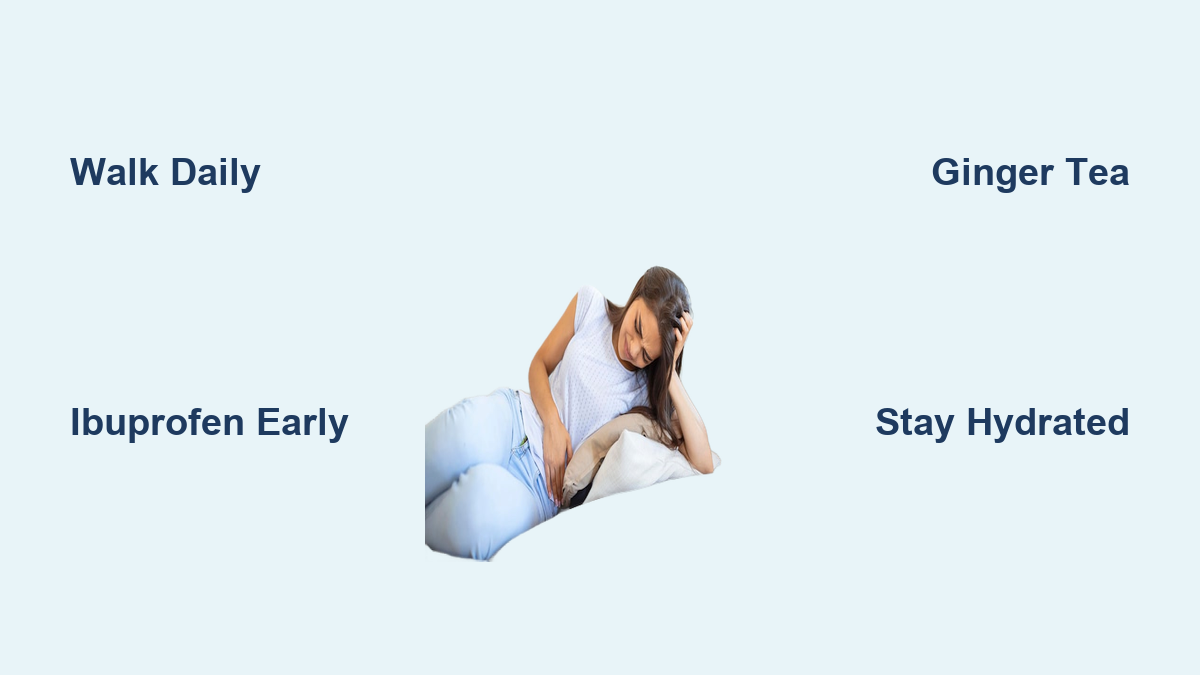
Stop Period Cramps Without Heat: Quick Tips
Period cramps affect more than half of menstruating individuals, often disrupting daily life during the first few days of their cycle. While heating pads are a popular remedy, not everyone has access to one or prefers drug-free, equipment-free alternatives. The good news is that you can stop period cramps without a heating pad using proven strategies like targeted exercises, over-the-counter medications, herbal teas, and simple lifestyle changes.
This guide covers effective, accessible ways to relieve menstrual pain when heat isn’t an option. From gentle movement and pain-relieving teas to OTC medications and dietary tweaks, you’ll learn how to reduce cramping naturally and comfortably, with no plug-in devices required.
Try These Cramp-Relieving Exercises

Physical activity is one of the most effective ways to reduce period pain without medication or heat. Exercise lowers prostaglandin levels, which are hormone-like compounds that trigger painful uterine contractions, while boosting endorphins and endocannabinoids that act as natural painkillers.
Walk to Reduce Menstrual Pain
Even low-intensity walking can ease cramps. One study found that women who walked on a treadmill three times per week for eight weeks reported significantly less menstrual pain afterward. The rhythmic motion improves blood flow and reduces muscle tension in the pelvis.
How to do it:
– Walk at a comfortable pace for 20 to 30 minutes
– Choose a quiet park or indoor space if your energy is low
– Breathe deeply and focus on relaxing your abdomen
Pro tip: Pair walking with light stretching afterward for added relief.
Stretch Tight Abdominal and Hip Muscles
Stretching can be as effective as prescription painkillers for relieving cramps. One clinical trial showed stretching reduced pain just as well as mefenamic acid, a common NSAID.
Best stretches for cramps:
– Child’s Pose (Balasana): Gently stretches the lower back and hips
– Seated Forward Bend (Paschimottanasana): Releases tension in the spine and pelvis
– Supine Twist: Helps relax abdominal muscles
– Butterfly Stretch: Opens hips and increases pelvic blood flow
Hold each stretch for 30 seconds while breathing deeply. Repeat 2 to 3 times daily during your period.
Swim to Soothe Muscle Tension
Water supports your body weight, making swimming a gentle yet powerful way to relieve cramps. The buoyancy reduces pressure on the abdomen, while rhythmic movement boosts circulation and eases muscle spasms.
Even 15 to 20 minutes of slow laps or water walking can make a difference. If pools aren’t accessible, try standing under a warm shower and moving your limbs gently to mimic aquatic therapy.
Practice Yoga for Pain and Stress Relief
Yoga combines stretching, breathwork, and mindfulness, all of which help reduce menstrual pain. Studies show regular yoga practice decreases both the intensity and duration of cramps.
Recommended poses:
– Cat-Cow (Marjaryasana-Bitilasana): Loosens the spine and massages internal organs
– Reclining Bound Angle Pose (Supta Baddha Konasana): Opens the pelvis and calms the nervous system
– Legs-Up-the-Wall (Viparita Karani): Encourages blood flow away from the pelvis, reducing congestion
Aim for 10 to 15 minutes daily. Use a pillow under your hips for extra comfort.
Use OTC Medications Effectively
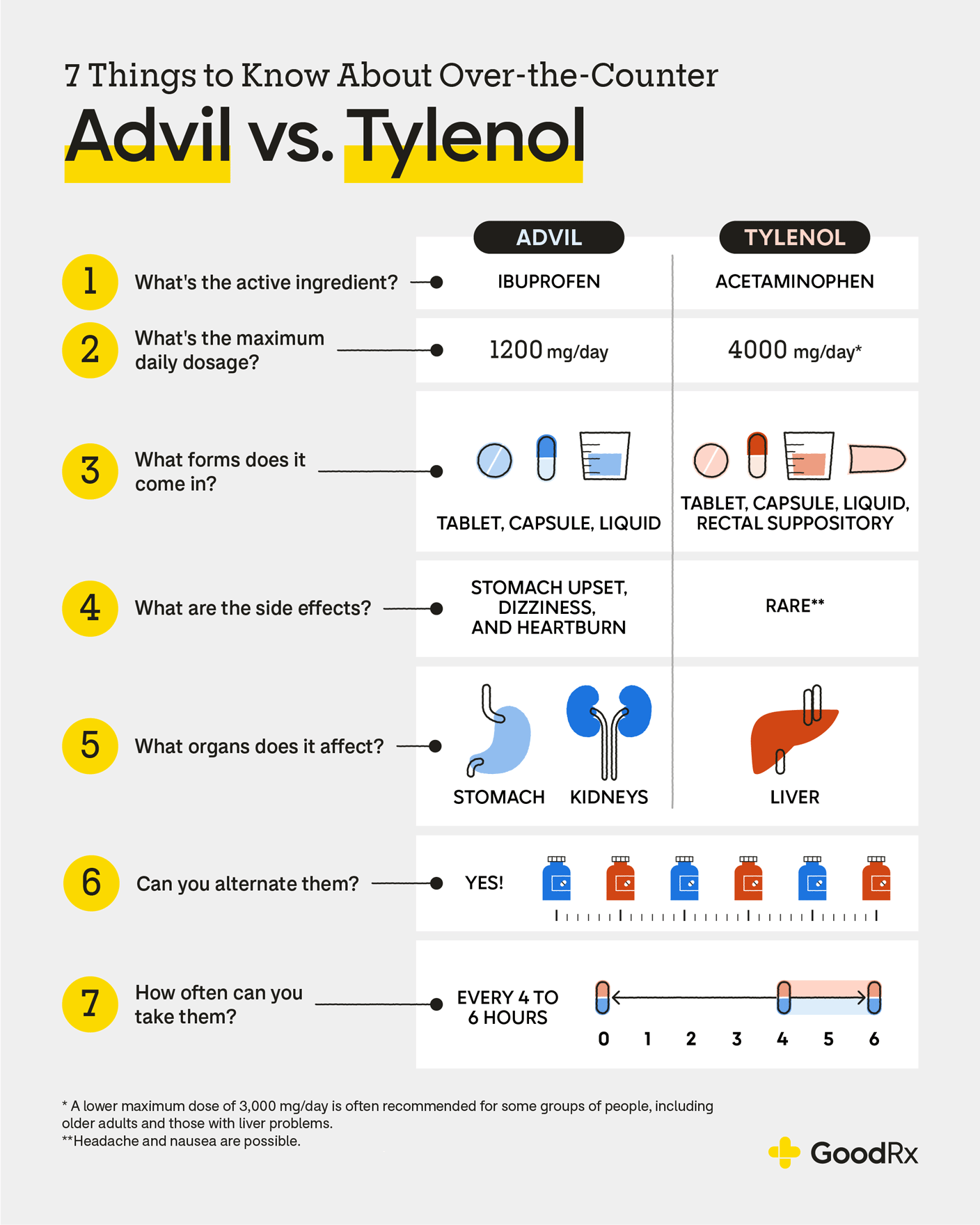
Over-the-counter pain relievers are highly effective for stopping period cramps, especially when taken early.
Choose Ibuprofen Over Tylenol for Cramps
NSAIDs like ibuprofen (Advil) and naproxen (Aleve) block prostaglandin production, directly targeting the cause of cramps. Acetaminophen (Tylenol) only blocks pain signals in the brain and doesn’t reduce inflammation, making it less effective for most people.
For best results:
– Start taking ibuprofen 1 to 2 days before your period begins
– Take every 6 to 8 hours as directed and don’t exceed 1,200 mg per day without medical advice
– Pair with food to avoid stomach upset
Warning: Long-term or excessive NSAID use can cause stomach irritation or kidney issues. Use only as needed.
Consider Multi-Symptom Relief Formulas
Products like Midol and Pamprin combine acetaminophen or ibuprofen with other ingredients to address multiple period symptoms:
– Caffeine: Enhances pain relief but may worsen anxiety in some
– Pamabrom: A mild diuretic that reduces bloating
– Pyrilamine maleate: An antihistamine that helps with sleep and irritability
Use these if you’re dealing with fatigue, bloating, or mood swings along with cramps, but avoid them if you’re sensitive to caffeine.
Drink These Teas for Natural Relief
Certain herbal teas have anti-inflammatory and antispasmodic properties that help relax the uterus and reduce pain.
Sip Ginger Tea Early in Your Cycle
Ginger may be as effective as NSAIDs for reducing menstrual pain, according to a 2015 meta-analysis. It works by inhibiting prostaglandin synthesis.
How to use:
– Drink 1 to 2 cups of fresh ginger tea daily for the first 3 to 4 days of your period
– Steep sliced ginger root in hot water for 10 minutes
– Add honey or lemon to taste
Note: Some research suggests ginger may increase bleeding slightly, so avoid it if you have heavy periods or take blood thinners.
Try Chamomile or Peppermint Tea
- Chamomile: Contains compounds that reduce inflammation and act as a mild muscle relaxant
- Peppermint: Has antispasmodic effects that may ease uterine contractions
Both teas also promote relaxation, helping counteract stress-related worsening of cramps.
Tip: Aim for 2 to 3 cups per day. Avoid chamomile if you’re allergic to ragweed.
Replace Coffee With Green Tea
While coffee can worsen cramps by constricting blood vessels, green tea may help. A cross-sectional study found that drinking 3 to 5 cups of green tea daily was linked to lower menstrual pain.
Green tea contains antioxidants and small amounts of caffeine, enough to boost alertness without triggering the vasoconstriction linked to coffee.
Stay Hydrated to Prevent Worsening Cramps
Dehydration can intensify menstrual pain by increasing muscle tension and inflammation. Staying well-hydrated helps maintain smooth muscle function and reduces bloating.
How much to drink:
– Aim for at least 8 to 10 glasses (64 to 80 oz) of fluids daily
– Include water, herbal teas, and electrolyte-rich drinks like coconut water
Signs you’re dehydrated:
– Dark yellow urine
– Headaches
– Fatigue
– Worsening cramps
Pro tip: Add a pinch of salt and lemon to water to replenish lost electrolytes during heavy flow days.
Try Aromatherapy With Lavender
Lavender essential oil has been shown in clinical trials to reduce menstrual pain when used in aromatherapy or massage. A triple-blind study found that inhaling lavender for 10 minutes three times during the first two days of menstruation significantly reduced pain intensity.
How to use:
– Add 2 to 3 drops of lavender oil to a diffuser
– Inhale directly from the bottle
– Mix with a carrier oil like coconut and massage onto your lower abdomen
Caution: Never apply undiluted essential oils to skin. Do a patch test first.
Eat Anti-Inflammatory Foods
Your diet plays a role in how your body manages inflammation and hormone balance, both key factors in cramp severity.
Best foods to eat:
– Fruits and vegetables: High in antioxidants that fight inflammation, such as berries, spinach, and kale
– Omega-3 rich foods: Fatty fish, flaxseeds, and walnuts reduce prostaglandin production
– Lean proteins: Chicken, tofu, and legumes support hormone regulation
– Whole grains: Help stabilize blood sugar and reduce bloating
Avoid:
– Processed foods
– Refined sugars
– Trans fats found in fried and packaged snacks
These foods increase systemic inflammation and may worsen cramps.
Avoid Alcohol and Tobacco
Both alcohol and tobacco have been linked to increased menstrual pain.
- Alcohol: Can dehydrate you and disrupt hormone balance
- Tobacco: Nicotine constricts blood vessels, reducing oxygen to the uterus and worsening cramps
Limiting or avoiding these substances, especially in the days leading up to and during your period, can lead to noticeable improvement.
Caffeine alert: Coffee, energy drinks, and some sodas can restrict blood flow to the uterus, potentially making cramps worse. Swap them for decaf herbal teas.
Masturbate to Relieve Cramps Naturally
Masturbation increases blood flow to the pelvic region and triggers the release of endorphins, your body’s natural pain relievers. Orgasm also causes uterine contractions that may help expel menstrual blood faster, reducing pressure and pain.
One study found that sexual activity, including masturbation, provided moderate to complete relief from menstrual cramps in many participants.
No pressure: You don’t need to orgasm. Just increased pelvic blood flow can help, and even short sessions can offer relief.
Know When to See a Doctor
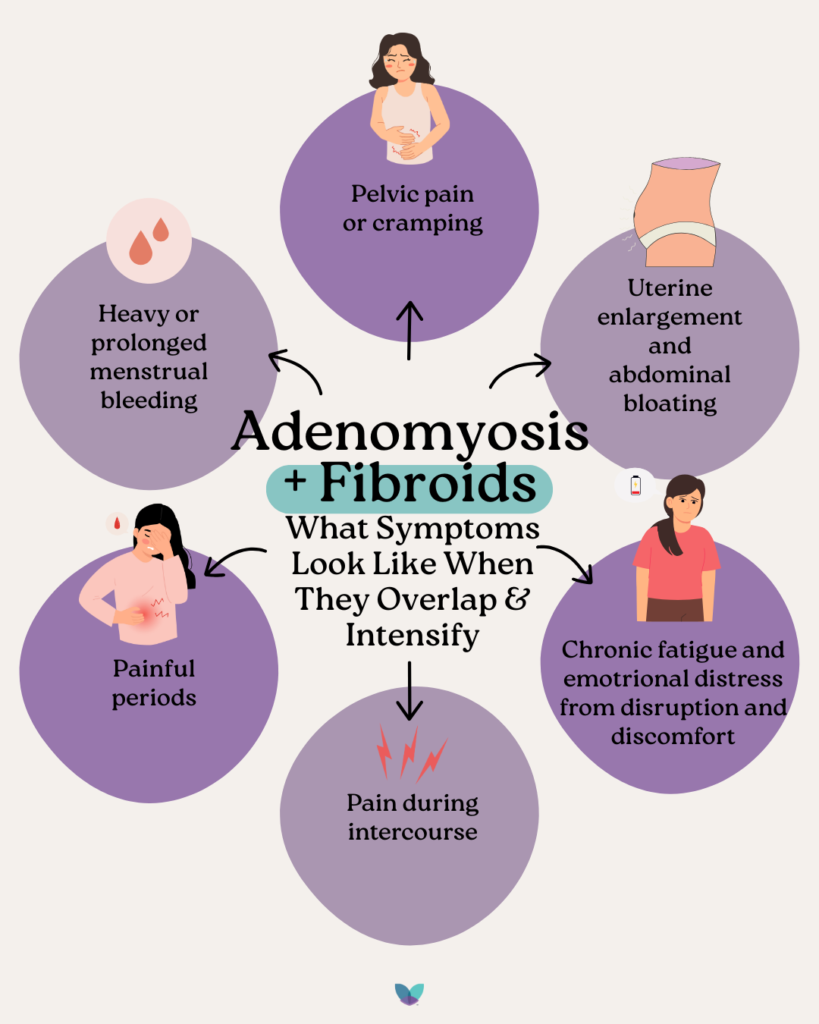
Most period cramps are manageable at home. But if your pain is severe, lasts longer than a few days, or doesn’t improve with OTC meds and lifestyle changes, it could signal an underlying condition.
Signs You Need Medical Help
- Cramps so painful they interfere with work, school, or daily activities
- Pain that lasts more than 3 to 4 days
- Sudden worsening of symptoms over time
- Heavy bleeding requiring frequent pad changes
- Nausea, vomiting, or diarrhea with cramps
These could indicate secondary dysmenorrhea caused by conditions like:
– Endometriosis
– Uterine fibroids
– Adenomyosis
– Pelvic inflammatory disease (PID)
A healthcare provider can perform tests like ultrasounds or laparoscopy and recommend treatments such as hormonal birth control or prescription medications.
Frequently Asked Questions About Period Cramp Relief
Can coffee or other caffeinated beverages make cramps worse?
Yes. Caffeine can restrict blood flow to the uterus, potentially worsening cramps. Limiting or avoiding caffeine during your period may help reduce discomfort.
Is Tylenol or ibuprofen better for period cramps?
NSAIDs like ibuprofen and naproxen are generally more effective than acetaminophen because they block prostaglandin production and reduce inflammation. Tylenol only blocks pain signals in the brain. However, both can provide relief depending on your body and symptoms.
How long should period cramps last before seeing a doctor?
If your cramps last more than a few days, don’t improve with home remedies and OTC medications, or severely interfere with daily life, it’s time to consult a healthcare provider to rule out underlying conditions.
What is the fastest way to relieve period cramps at home?
Gentle movement like walking, applying heat, drinking ginger or chamomile tea, and taking an NSAID like ibuprofen as soon as symptoms start are among the fastest home remedies for period cramp relief.
Can dehydration make period cramps worse?
Yes. Dehydration can increase muscle tension and inflammation, both of which worsen menstrual cramps. Drinking 8 to 10 glasses of water daily helps maintain smooth muscle function and reduce bloating.
Are there any exercises to avoid during period cramps?
High-intensity or strenuous workouts may worsen fatigue and discomfort during heavy flow days. Stick to low-intensity activities like walking, gentle swimming, or yoga, and listen to your body’s signals.
Key Takeaways for Stopping Period Cramps Without a Heating Pad
You don’t need a heating pad to find real relief from period cramps. Movement, hydration, herbal teas, OTC medications, and smart lifestyle choices can all work together to reduce pain naturally.
Start with gentle exercise like walking or yoga, stay hydrated throughout the day, and add anti-inflammatory foods to your meals. When cramps strike, reach for ibuprofen early, sip ginger or chamomile tea, and consider lavender aromatherapy for added comfort.
If your cramps are severe, last longer than a few days, or disrupt your daily life, don’t ignore them. Schedule a visit with a healthcare provider to rule out conditions like endometriosis or fibroids. Relief is possible, and you deserve to feel your best every day of the month.