How to Use a Sutera Pillow
You just unboxed your Sutera Dream Deep pillow and it looks nothing like the flat, fluffy cushion on your bed. Instead, you’re holding a contoured, butterfly-shaped piece of memory foam that promises to fix your neck pain and transform your sleep. The catch? This pillow only works if you set it up and use it correctly. Learning how to use a Sutera pillow the right way makes the difference between waking up refreshed and waking up sore. Skip the airing-out step, pick the wrong loft, or sleep in the wrong position, and you’ll likely give up on a pillow that could have solved your problems. This guide walks you through every step, from unboxing to cleaning, so you get the full benefit of its orthopedic design.
Unbox and Air Out the Pillow Properly

Remove the Pillow from Its Packaging
The Sutera Dream Deep arrives vacuum-sealed and tightly compressed. Cut open the plastic wrap as soon as you open the box and lay the pillow flat on a clean surface. It may look lumpy or thinner than expected at first. Full expansion takes 2 to 4 hours, though some users see it reach full size within 30 minutes.
Unzip and Remove the Outer Cover
Do not sleep on the pillow yet. Unzip the soft outer cover completely and slide it off the memory foam core. This step exposes the foam to fresh air, which is essential for letting any packaging odors dissipate before you rest your head on it.
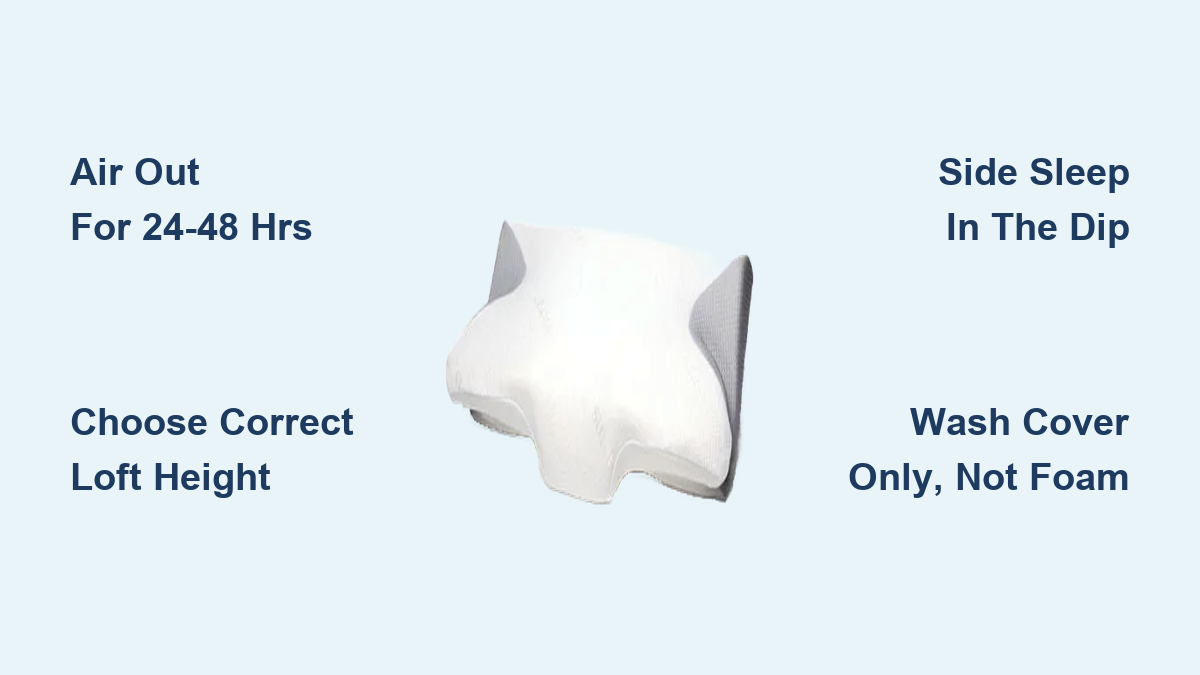
Let the Foam Air Out for 24 to 48 Hours
Even though the foam is CertiPUR-US certified and free from harmful chemicals, it may release a mild smell from being compressed in packaging. To clear it:
– Place the bare foam in a well-ventilated room
– Keep it away from direct sunlight, heaters, or hairdryers
– Wait at least 12 hours, though 24 to 48 hours is ideal
Sensitive sleepers should air it out the full 48 hours. The smell is non-toxic and fades completely with airflow.
Choose the Right Loft Height for Your Body
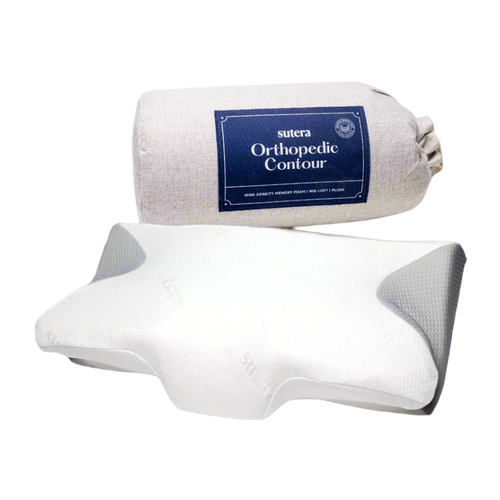
Rotate the Pillow to Switch Loft Levels
One of the smartest features of this pillow is its dual-zone design. You can flip it 180 degrees to choose between two heights:
– Higher loft (5.5 inches): Best for side sleepers or people with broader shoulders
– Lower loft: Better for back sleepers or those with narrower frames
Just rotate the pillow so the side you want faces up. Try both sides during your first few nights to see which one supports your neck best.
Check Your Spinal Alignment
Lie down and check whether your neck forms a straight line from your head to your spine. If your chin tucks toward your chest, the pillow is too high. If your head tilts backward, it may be too low. Switch sides until your spine feels neutral and supported.
Sleep in the Position That Matches the Pillow’s Design
Side Sleeping: Nestle Your Neck into the Nook
Side sleepers get the most out of this pillow. Follow these steps:
1. Lie on your side with your head facing forward
2. Settle your neck into the central dip between the raised wings
3. Rest your head on the raised wing so your skull stays level
4. Slide your arm into the butterfly cutout to relieve shoulder pressure
This setup keeps your cervical spine straight, eases jaw tension, and prevents morning shoulder stiffness. If you feel pressure on your ear or jaw, shift your head slightly forward or backward until you find the sweet spot.
Back Sleeping: Align Your Head in the Contoured Valley
Back sleepers should:
1. Lower your head gently onto the center of the pillow
2. Let your neck sink into the contoured valley
3. Make sure the raised edges cradle the sides of your neck
4. Keep your chin level with your chest, not tilted up or down
The foam softens slightly with body heat and molds to your shape without collapsing. This helps keep your airway open and reduces snoring caused by poor neck alignment.
Stomach Sleeping: Proceed with Caution
The Sutera pillow is marketed for all sleep positions, but strict stomach sleepers often find the 5.5-inch loft too high. It can force your neck upward and cause strain.
If you sleep on your stomach:
– Rotate the pillow to the lower loft side
– Place your head on the edge, not the peak
– Wrap your arms around the butterfly wings for comfort
If you still wake up with neck pain, this pillow may not be the right match. A flat, soft pillow designed for stomach sleeping is a better option.
Combination Sleeping: Move Freely Between Positions
Thanks to quick-recovery foam, the pillow responds instantly when you shift positions. Unlike slow-memory foam that traps impressions, this foam bounces back fast. As you roll from side to back, the transitional zones let you move smoothly without feeling stuck or needing to fluff the pillow.
Give Your Body Time to Adjust

Follow the 3-Night Acclimation Rule
Your body needs time to adapt to a new sleeping posture. Don’t judge the pillow after one night. Use this timeline as a guide:
Night 1: You’ll feel pressure relief as the pillow redistributes weight off your neck and shoulders. Some firmness is normal.
Night 2: Your neck stays aligned through the night. You’ll toss and turn less and wake up with less stiffness.
Night 3: Many users sleep through the night without discomfort. The foam begins to break in and your muscles relax into the new position.
Allow Up to 7 Nights for Full Adjustment
Some users, especially those used to soft pillows, need 5 to 7 nights to fully adapt. During this time:
– Don’t switch back to your old pillow
– Stick with one sleeping position to build muscle memory
– Be patient while your spine retrains
If discomfort persists after 7 nights, your sleep position or body type may not be a good match.
Clean and Maintain the Pillow the Right Way
Wash the Cover Without Damaging It
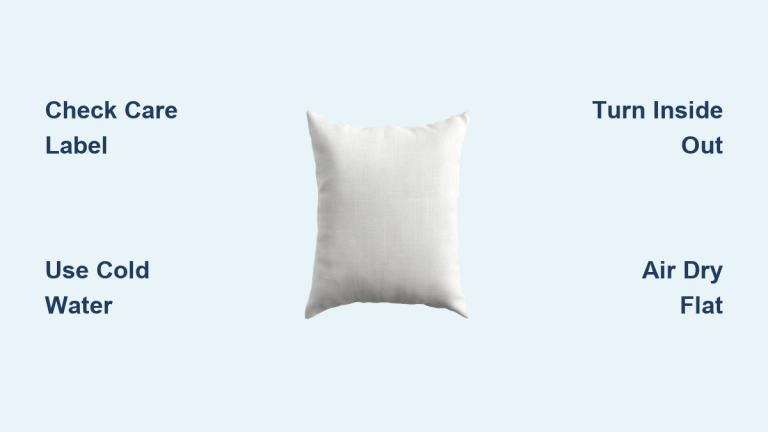
The removable cover is machine washable, but only the cover. Follow these guidelines:
Do:
– Unzip and remove the cover before washing
– Wash in cold water with mild detergent
– Wash with like colors
– Air dry or tumble dry on no-heat or low-heat
Don’t:
– Use bleach or harsh chemicals
– Machine dry on high heat
– Dry in direct sunlight
Wash the cover every 1 to 2 weeks, or more often if you sweat heavily or skip an extra pillowcase.
Spot Clean the Foam Core Only
Never submerge the foam in water or put it in a washing machine. Water permanently damages the open-cell structure. For stains:
1. Mix warm water with a few drops of mild soap
2. Dampen a clean cloth without saturating it
3. Dab the affected area gently
4. Blot with a dry towel
5. Let the foam air dry completely for at least 24 hours before re-covering
Avoid solvents, alcohol, and enzyme cleaners.
Store and Travel with the Pillow Safely
The memory foam can be rolled or folded for travel without permanent damage. Roll it tightly into a suitcase, then unroll and air it out for a few hours before sleeping on it. For long-term storage, keep it in a cool, dry place and avoid compressing it for more than a week.
Troubleshoot Common Issues
The Pillow Feels Too Firm
The medium-firm to firm density is intentional. Soft pillows collapse and misalign the spine. Wait 5 to 7 nights for the foam to soften with body heat, and make sure you’re using the correct loft. You should sleep on the pillow, not sink into it.
You Notice a Chemical Smell
Off-gassing from packaging is normal. Remove the cover and air out the foam for 24 to 48 hours in a ventilated room. The smell is non-toxic and temporary.
Your Pillowcase Doesn’t Fit
The butterfly shape and height exceed standard dimensions. Use the included cover as your base layer and place a standard pillowcase over it, even if it fits loosely. You can also buy a contoured pillowcase made for ergonomic pillows.
Your Neck Hurts as a Stomach Sleeper
The 5.5-inch loft forces your neck into extension. Try the lower loft side or sleep on the edge of the pillow. If pain continues, this pillow isn’t ideal for you.
Maximize the Lifespan of Your Pillow
Rotate the Pillow Regularly
Flip it every few days to even out wear and switch between high and low loft zones. This keeps the foam resilient over time.
Use an Additional Pillowcase
A breathable cotton or bamboo pillowcase over the included cover protects it from oils and sweat while making cleaning easier.
Avoid Heat and Direct Sunlight
Prolonged exposure to sunlight, heaters, or hairdryers breaks down memory foam. Always air dry in the shade.
Frequently Asked Questions About the Sutera Pillow
How long does it take to get used to a Sutera pillow?
Most users need 3 to 7 nights to fully adjust. The pillow feels firmer than traditional pillows, and your body needs time to adapt to the new spinal alignment. Don’t switch back to your old pillow during this period.
Can stomach sleepers use the Sutera Dream Deep pillow?
Strict stomach sleepers often find the 5.5-inch loft too high, which forces the neck upward and causes strain. If you sleep on your stomach, try the lower loft side or the edge of the pillow. A flatter pillow designed for stomach sleeping may be a better fit.
How do you wash a Sutera pillow?
Remove the outer cover and machine wash it in cold water with mild detergent. Air dry or tumble dry on low heat. Never machine wash the foam core. Spot clean stains with a damp cloth and mild soap, then let the foam air dry completely for 24 hours.
Why does my Sutera pillow smell like chemicals?
The smell comes from off-gassing after compression in packaging. It’s non-toxic because the foam is CertiPUR-US certified. Remove the cover and air out the foam in a ventilated room for 24 to 48 hours to eliminate the odor.
What is the difference between the high and low loft sides?
The pillow has a dual-zone design. The higher loft side measures 5.5 inches and works best for side sleepers or people with broader shoulders. The lower loft side is better for back sleepers or those with narrower frames. Rotate the pillow 180 degrees to switch between them.
Does the Sutera pillow come with a warranty?
Sutera offers a risk-free trial period, often described as 90 days, though the return window is typically 30 days from delivery. A specific long-term warranty is not listed, but the trial covers defects and dissatisfaction.
Final Thoughts on Using Your Sutera Pillow for Better Sleep
The Sutera Dream Deep pillow works best when you treat it as a precision sleep tool, not just another cushion. Air it out for 24 to 48 hours before use, choose the loft that matches your body and sleep style, and give yourself at least a week to adjust. Clean the cover regularly, spot clean the foam only, and avoid heat to keep it in top shape. Done right, this pillow can ease neck pain, reduce morning stiffness, and help you sleep through the night. Start tonight by unboxing, airing out, and finding your ideal loft. Your spine will thank you by morning.