
Is a Heating Pad Safe in Early Pregnancy?
Using a heating pad during early pregnancy can feel like a natural solution for the aches and cramps that often accompany this delicate phase. Many expectant mothers wonder whether applying heat is safe when the body is changing so rapidly. The good news is that heating pads are generally considered safe during early pregnancy, but only when used correctly. The key lies in understanding the difference between localized warmth and dangerous core body overheating.
Medical experts agree that applying a heating pad to areas like the lower back or hips for short periods poses little risk. What matters most is avoiding practices that raise your internal temperature above 102°F (38.9°C), a threshold linked to potential birth defects during the first trimester. Since early pregnancy involves rapid fetal development, especially neural tube formation, caution is essential. This guide breaks down everything you need to know about using heating pads safely in early pregnancy. You will learn which body areas are safe, how long and how hot is too hot, and what warning signs to watch for.
Safe Use Guidelines for Heating Pads During Early Pregnancy

To protect both mother and developing baby, every heating pad session must follow strict safety rules. These protocols are designed to eliminate any chance of raising core body temperature to dangerous levels.
Low Heat, Short Duration
The golden rule of heat therapy during pregnancy is low and brief. Always start with the lowest heat setting, even if it feels mild, and never exceed 15 minutes of continuous use. This short window allows muscles to relax without risking tissue damage or systemic heat buildup.
Set a physical timer before applying the pad. Many modern heating pads come with automatic shut-off features that cut power after 10–15 minutes, adding an extra layer of safety. Devices should ideally stay below 100°F at the point of contact to maintain a buffer below the 102°F core temperature threshold.
Approved Application Areas
Where you place the heating pad matters just as much as how long you use it. Only certain zones are considered safe for heat therapy during early pregnancy.
Lower Back and Hip Relief
The lower back and hips are the most common and safest targets for heat application. As your body adjusts to pregnancy hormones like relaxin and your center of gravity shifts, these areas bear extra strain. Applying heat here helps ease muscle tension, reduce stiffness, and improve mobility.
Use a wrap-style pad secured around your lower back and ensure it does not drift toward the abdomen. For hip pain, position the pad laterally over the sore joint rather than on the front pelvic area.
Shoulder and Leg Pain Management
Shoulder tension and leg cramps are frequent during early pregnancy due to postural changes and circulation shifts. A heating pad can safely target these areas when wrapped around the shoulder or placed along the calf.
Avoid placing the pad directly over joints unless recommended by a healthcare provider. Focus on surrounding muscle groups instead and remove the pad immediately once the timer goes off.
Avoid These Risky Practices
Even with good intentions, some habits can turn a safe tool into a hazard.
No Abdominal Heat Application
Never apply a heating pad directly to your stomach or lower abdomen. This area houses the developing embryo and should remain free from concentrated heat sources. If you are experiencing abdominal discomfort, consult your doctor before using any heat therapy, since pain in this region can sometimes signal complications.
Never Sleep with a Heating Pad
Using a heating pad while lying down is fine, but only if you stay awake. Falling asleep with an active heating pad is strictly prohibited. Prolonged contact can cause burns or contribute to a slow rise in core temperature. For overnight comfort, consider a pregnancy support pillow or a warm (not hot) bath before bed.
Always Use a Protective Barrier
Never place a heating pad directly against bare skin. Always use a thin towel or a layer of clothing between the pad and your skin. This prevents thermal burns and helps distribute heat more evenly.
Understanding the Heat Safety Threshold

The biggest concern with heat during early pregnancy is not surface warmth but what happens inside your body. The real danger comes when your core body temperature rises above 102°F (38.9°C), especially during the first trimester.
Why Core Temperature Matters
During the first 12 weeks, your baby’s major organs are forming. Elevated internal temperatures, particularly during neural tube development, have been linked to increased risks of birth defects. This is why activities like hot tubs, saunas, or high-fever illnesses are strongly discouraged.
A heating pad, however, does not typically raise core temperature when used properly. Because heat is localized and brief, your body easily dissipates the warmth through blood flow and skin exposure. Unlike soaking in a hot tub, where heat surrounds your entire body, a heating pad affects only a small region.
How Localized Heat Stays Safe
Think of it like holding a warm cup of tea. The heat warms your hands but does not make you feverish. Similarly, a heating pad relaxes tight muscles in your back without heating your internal organs.
As long as you keep sessions under 15 minutes, use a low setting, apply it away from the belly, and stay alert, your core temperature remains stable.
Choosing the Right Heating Device
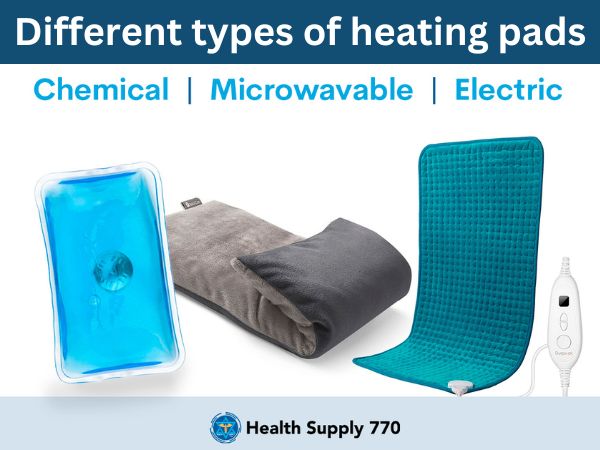
Not all heat sources are created equal. Some types of heating devices offer built-in safety advantages that make them better suited for pregnancy use.
Electric Pads: Control vs. Risk
Electric heating pads provide consistent, adjustable warmth. Many newer models include automatic shut-off timers, which align perfectly with pregnancy safety guidelines.
However, they require active monitoring. Since they can maintain high heat indefinitely, accidental prolonged use is a risk. Always set an external alarm and never drape the cord over the pad.
Best for: Targeted, controlled relief when used with discipline.
Microwaveable Pads: Natural Cooling Advantage
Rice, flaxseed, or gel-filled microwaveable pads cool down naturally after heating. This built-in time limit reduces the risk of overheating or falling asleep with an active device.
Heat for the recommended time, test on your inner wrist, and knead the pad to distribute heat evenly before applying.
Best for: Short-term, low-risk warmth with no electrical components.
Hot Water Bottles: Simple but Requires Care
A warm water bottle can soothe sore muscles, but safety depends entirely on water temperature. Never fill with boiling water. Use warm tap water and always wrap the bottle in a towel.
Best for: Quick relief when electric or microwaveable options are unavailable.
Recognizing Warning Signs
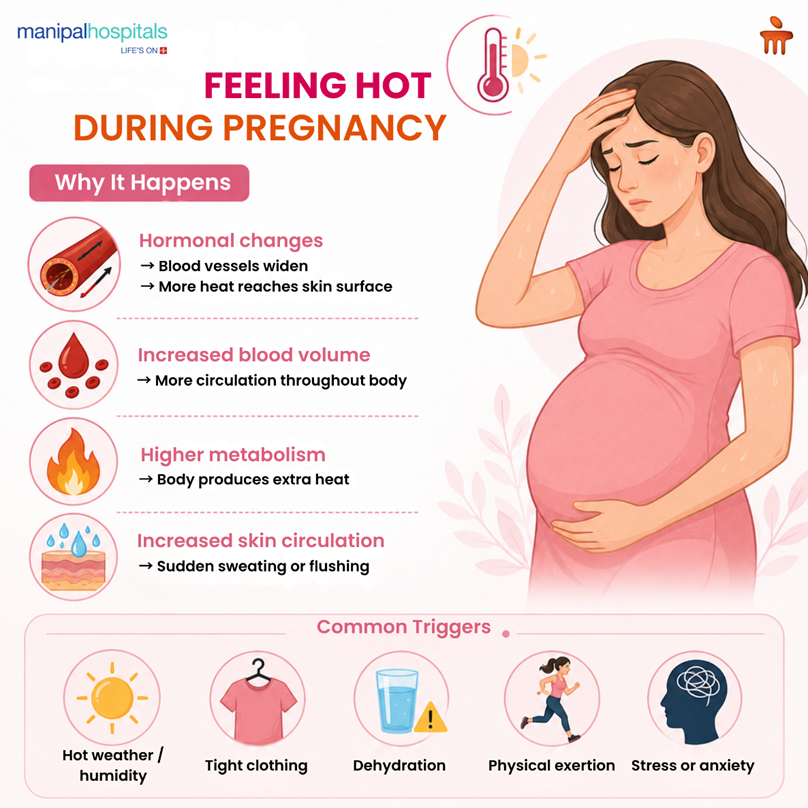
Even when following guidelines, it is vital to listen to your body. Certain symptoms mean you should stop using a heating pad immediately.
When Heat Feels Wrong
Discontinue use if you experience:
– Skin redness or burning sensation
– Dizziness or lightheadedness
– Excessive sweating
– Increased heart rate
– Nausea or flushing
Remove the pad, cool down, and rest in a well-ventilated area.
When to Call Your Doctor
Seek medical advice if you have:
– Severe or worsening abdominal pain
– Vaginal bleeding
– Persistent cramping
– Pain accompanied by fever or chills
Heating pads should never mask symptoms that could signal miscarriage, ectopic pregnancy, or infection. If in doubt, get checked.
Alternative Pain Relief Methods
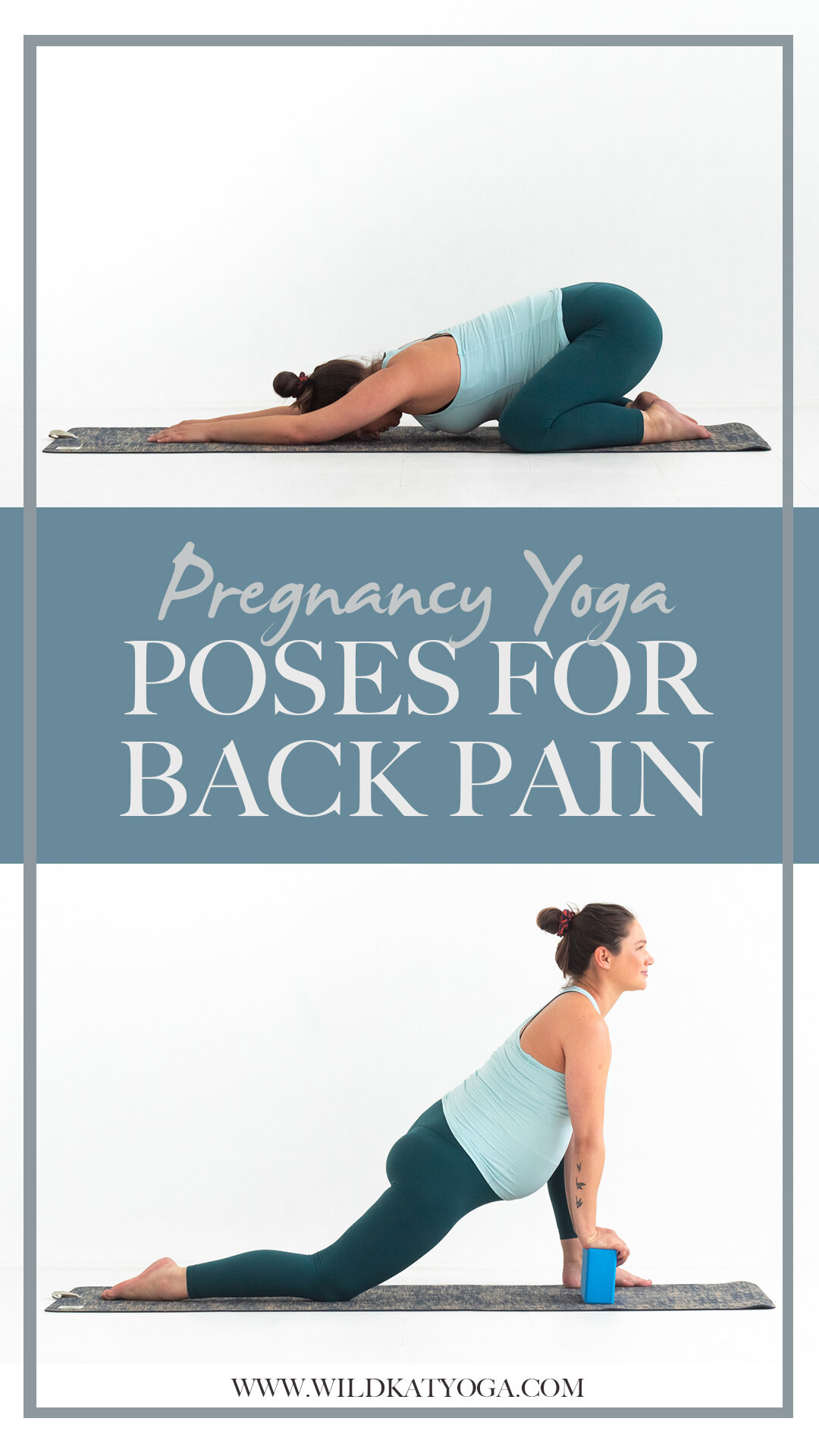
For those who prefer to avoid heat altogether, or want complementary options, several safe alternatives exist.
Prenatal Stretching and Yoga
Gentle movement can relieve tension without any external devices. Prenatal yoga and stretches like cat-cow pose or child’s pose help loosen tight back and hip muscles.
Practice in a cool room, stay hydrated, and avoid overheating. Attend certified prenatal classes or follow trusted online guides.
Supportive Sleep Aids
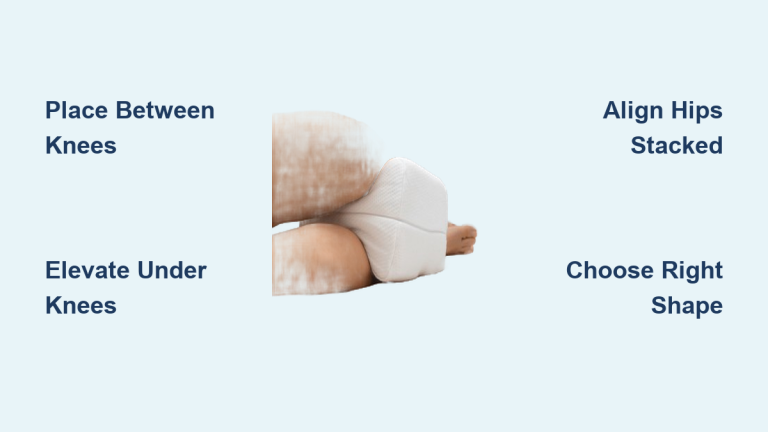
A pregnancy pillow can dramatically reduce nighttime aches by supporting your belly, back, and hips. This alignment prevents strain and promotes restful sleep, often eliminating the need for post-bedtime heat therapy.
Professional Therapies
Prenatal massage and physical therapy are excellent options for persistent pain. Certified therapists use techniques tailored to pregnant bodies, targeting deep muscle tension safely.
Ask your OB-GYN for referrals to licensed providers experienced in maternity care.
Medication Guidance
If non-drug methods are not enough, acetaminophen (Tylenol) is often approved for pain relief during pregnancy, but only with your doctor’s approval. Never take aspirin, ibuprofen, or other NSAIDs without medical guidance, especially in early pregnancy.
Frequently Asked Questions About Heating Pads in Early Pregnancy
Can I use a heating pad if I am only 4 weeks pregnant?
Yes, but with heightened caution. The first trimester is the most critical period for neural tube development. Strictly adhere to the 10–15 minute limit, use the lowest setting, and avoid any practice that causes sweating or flushing.
Is it safe to use a heating pad during labor?
Yes, heating pads are often used during labor for back pain relief. The same rules apply: low heat, away from the belly, and short durations.
What is the difference between a heating pad and a hot tub regarding safety?
A hot tub immerses the whole body, raising the core temperature rapidly, which is dangerous. A heating pad targets a small area, and the body can dissipate that heat locally without affecting core temperature, provided time limits are respected.
Are microwaveable pads safer than electric ones?
Neither is inherently safer, but they have different risk profiles. Microwaveable pads have a natural cooling curve, reducing prolonged exposure risk. Electric pads offer consistent heat but require strict timer adherence. Both are safe when used correctly.
Can I use a heating pad for round ligament pain?
Round ligament pain often manifests in the lower abdomen or groin. Do not place the pad directly on the front of the abdomen. Apply heat to the lower back or hips instead, or consult your doctor for specific guidance.
Key Takeaways for Using a Heating Pad in Early Pregnancy
Heating pads can be a safe, effective tool for managing early pregnancy discomfort when used wisely. Stick to low heat, short durations of 10–15 minutes, and approved body areas like the lower back, hips, shoulders, and legs. Always use a protective barrier and never apply heat directly to the abdomen or fall asleep with the device active.
Prioritize safety over convenience, and always consult your healthcare provider if pain persists or feels unusual. With the right approach, you can find relief while protecting your baby’s development.