Can Heating Pads Cause Muscle Spasms?
You reach for a heating pad after a long day, hoping to ease tight shoulders or a sore back. The warmth feels soothing at first, until suddenly, it isn’t. Instead of relief, you feel a sharp, involuntary twitch: a muscle spasm. Could the very tool meant to relax your muscles actually be triggering them?
A properly used heating pad should not cause muscle spasms. In fact, it is designed to prevent them. However, misuse, incorrect timing, or underlying conditions can turn therapeutic heat into a trigger for spasms or worsen existing ones. This article explains how heat therapy works, when it helps, and when it can backfire so you can use your heating pad safely and effectively.
How Heat Therapy Interacts With Your Muscles
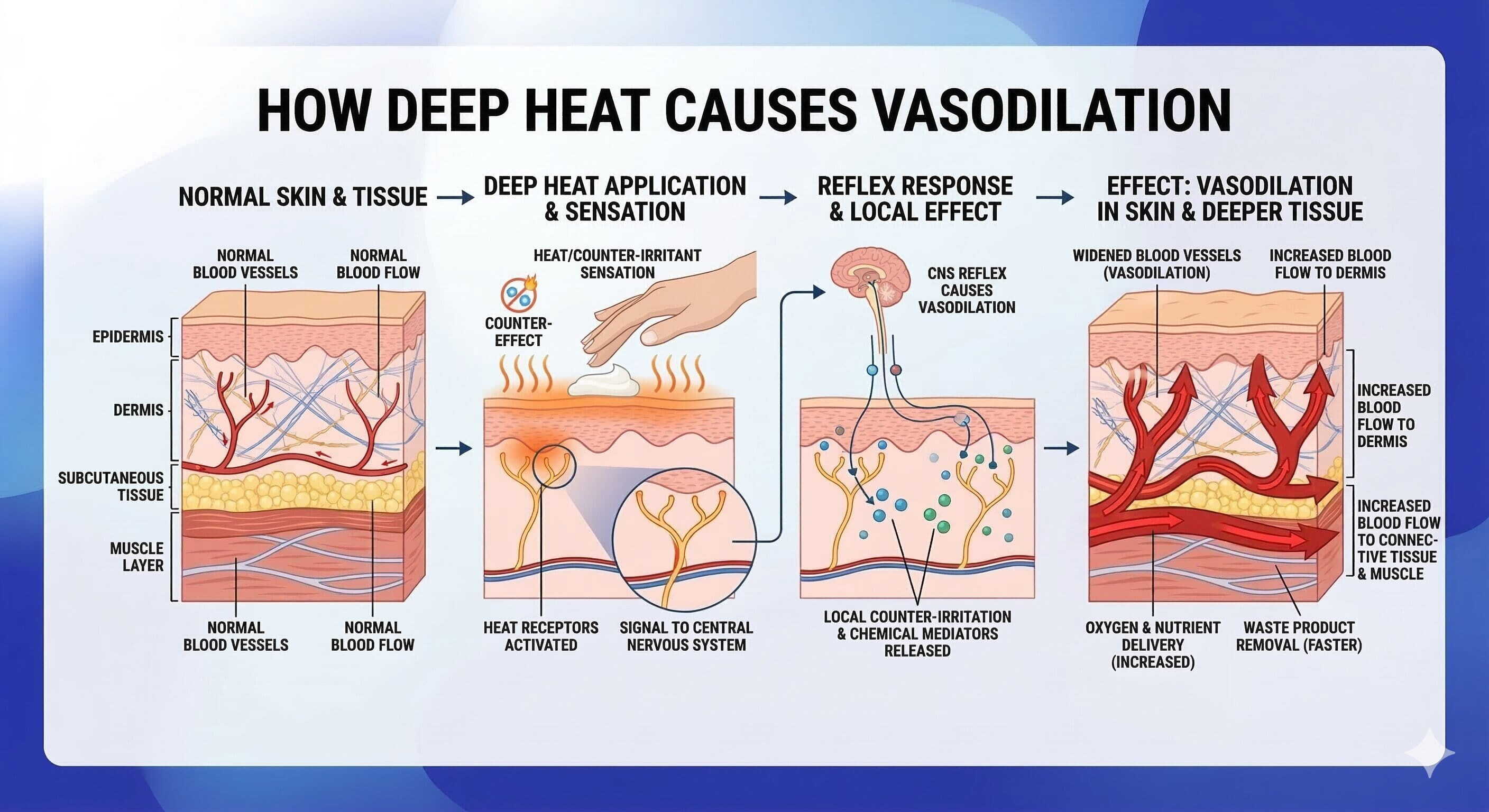
Heat therapy is widely recommended for muscle tightness and chronic discomfort. But to understand how it might cause spasms, you first need to know how it is supposed to help.
Increased Blood Flow and Tissue Elasticity
When applied correctly, heat causes vasodilation, the expansion of blood vessels in the targeted area. This increased circulation delivers oxygen and nutrients while flushing out metabolic waste like lactic acid, which builds up after exertion and contributes to soreness.
Improved blood flow also warms up connective tissues, making them more pliable. Think of it like warming mozzarella before stretching it. This reduces joint stiffness and relaxes tight muscles, helping prevent spasms from taking hold.
Blocking Pain Signals Through Nerve Interference
Heat activates sensory receptors in the skin, which can override pain signals traveling to the brain. This concept is known as the Gate Theory of Pain. By closing the gate on pain, heat reduces discomfort and allows muscles to relax instead of guarding against perceived injury.
So why do some people report spasms after using a heating pad?
When Heat Therapy Backfires and Triggers Spasms
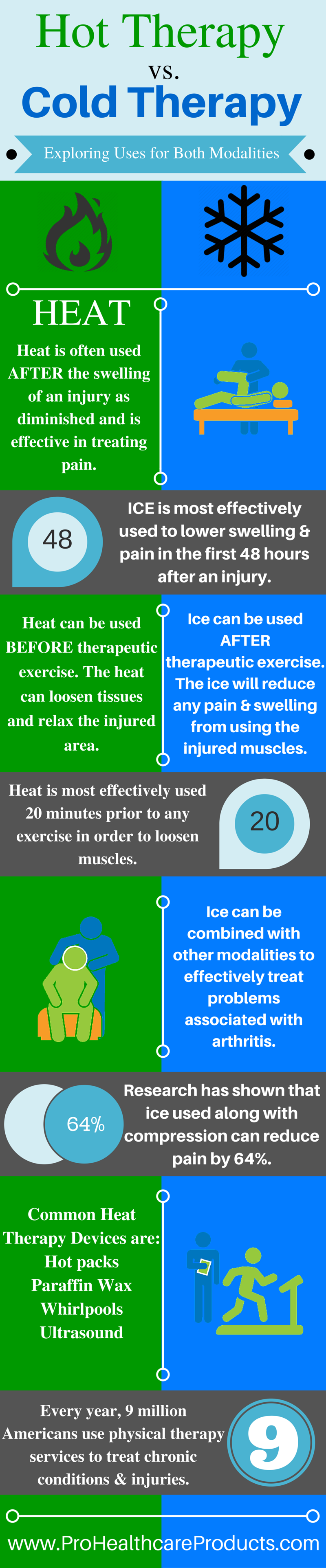
While heat is beneficial for chronic stiffness, using it at the wrong time or in the wrong way can lead to increased muscle irritation, inflammation, or even spasms.
Applying Heat to Acute Injuries
One of the most common mistakes is using heat on a new injury within the first 48 to 72 hours. If you have just pulled a muscle or strained your back, inflammation is already present.
Heat increases blood flow, which sounds helpful, but in an acutely inflamed area, this can worsen swelling and pressure. That added pressure irritates nerves and surrounding tissues, which may trigger protective muscle spasms.
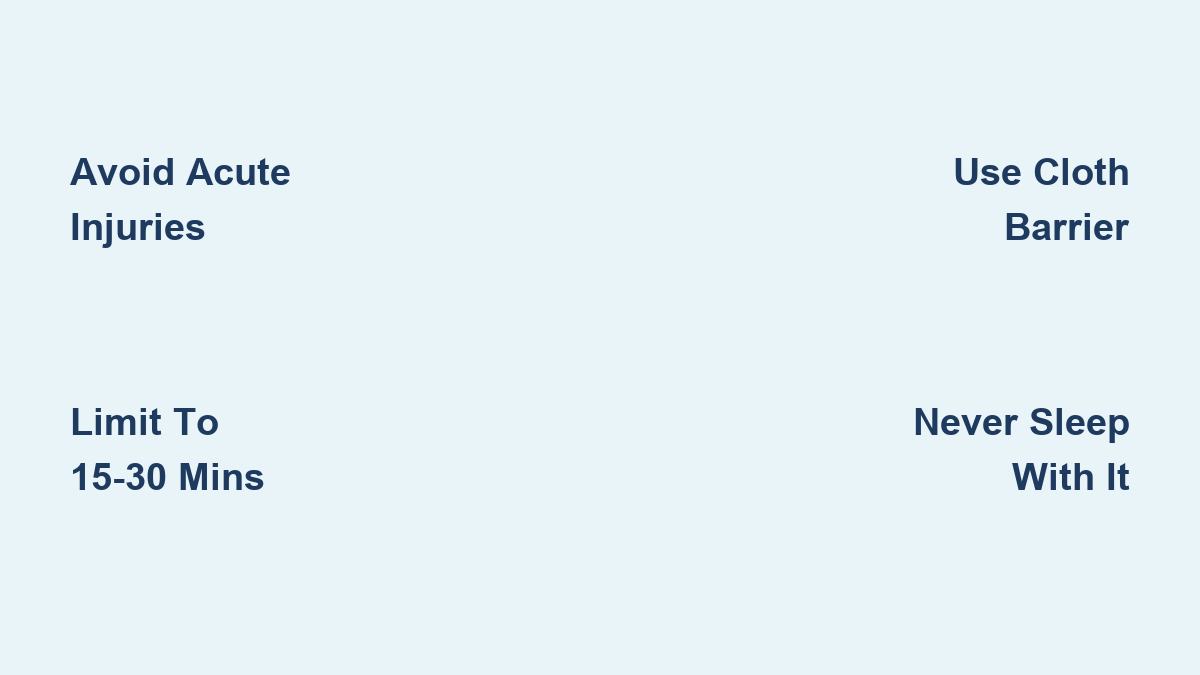
Rule of thumb: Avoid heat during the first 2 to 3 days after injury. Use cold therapy instead.
Overheating From Prolonged Sessions
Using a heating pad for longer than recommended, especially while sleeping, can lead to localized overheating. When tissues get too warm, they may become hyperirritable, causing muscles to contract involuntarily.
Prolonged heat exposure can also:
– Damage skin and underlying tissue
– Disrupt normal nerve signaling
– Trigger reflexive muscle guarding
Recommended limit: 15 to 30 minutes per session. Never sleep with a heating pad on.
Direct Skin Contact Without a Barrier
Placing a heating pad directly on the skin increases the risk of burns and nerve irritation, especially in sensitive areas. Damaged or overstimulated nerves can misfire, sending abnormal signals that result in spasms.
Always place a thin towel or cloth barrier between the pad and your skin.
Who Faces a Higher Risk of Heat-Induced Spasms?
Not everyone reacts the same way to heat therapy. Certain individuals are more vulnerable to adverse effects.
People With Neuropathy or Reduced Sensation
Individuals with diabetes, nerve damage, or spinal conditions often have diminished sensation. They may not realize the pad is too hot until tissue damage occurs.
Burns or overheated nerves in these cases can lead to abnormal muscle contractions or spasms, even without pain warning signs.
Warning: If you have reduced sensation, avoid heating pads unless under medical supervision.
Users With Chronic Inflammation Conditions
Those with conditions like arthritis, fibromyalgia, or chronic tendinitis may experience flare-ups if heat is applied incorrectly. While heat can soothe stiffness, it may aggravate underlying inflammation if used too frequently or for too long.
Monitor your body’s response closely and discontinue use if symptoms worsen.
Proper Heating Pad Use to Prevent Spasms

Using a heating pad safely is not complicated, but it does require attention to timing, duration, and the type of injury you are treating.
Choose the Right Type of Heat
Not all heat is equal. Some forms penetrate deeper and work better for muscle relaxation.
Moist Heat vs. Dry Heat
- Moist heat (such as a warm damp towel) penetrates deeper and is more effective at relaxing tight muscles.
- Dry heat from electric pads heats the surface more, which may not reach deep tissue as effectively.
Pro tip: For stubborn spasms, try a microwavable moist heat pack or a hot wet towel instead of a standard electric pad.
Disposable Wraps for Short-Term Use
Single-use heating wraps provide consistent, controlled heat without electrical risks. They typically last 8 to 12 hours and are ideal for low-level, continuous warmth during the day.
These are great for office use or travel, but still avoid sleeping with them on.
Step-by-Step Safe Heating Pad Protocol
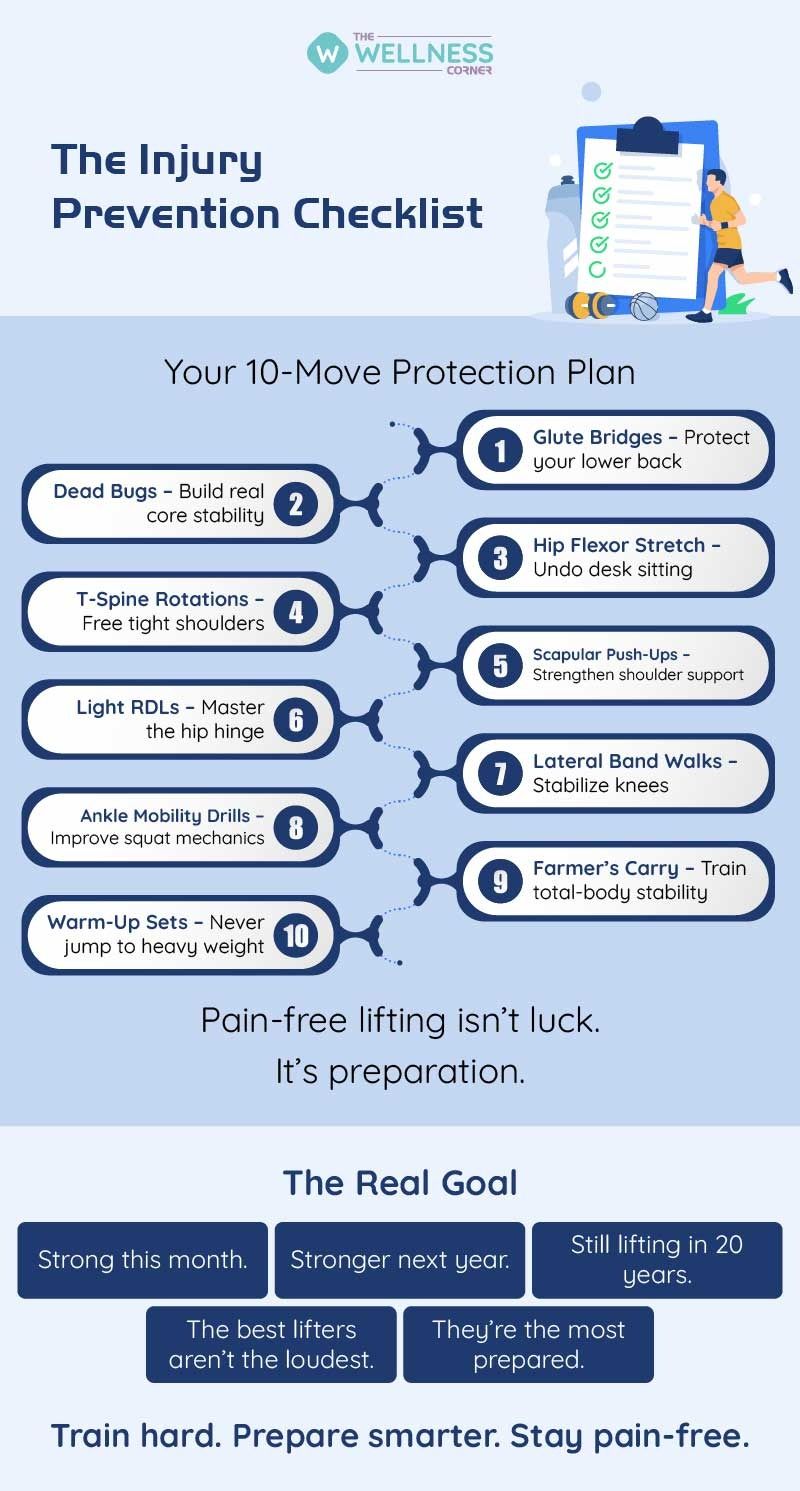
Follow this simple routine to reduce the risk of spasms and get real relief.
1. Assess Your Injury Type
Ask yourself:
– Did this happen today or yesterday? → Likely acute → Use cold, not heat.
– Is it a long-standing ache or stiffness? → Likely chronic → Heat is appropriate.
Never use heat if there is swelling, redness, or warmth at the site.
2. Set a Timer for 15 to 30 Minutes
Use a phone alarm or the built-in shutoff feature. Exceeding 30 minutes raises the risk of tissue irritation.
Ideal duration: 15 minutes before activity; up to 30 minutes for deep relaxation.
3. Use a Cloth Barrier
Place a thin towel between the pad and your skin. This prevents burns and allows even heat distribution.
Check your skin every 5 to 10 minutes for redness or discomfort.
4. Combine Heat With Gentle Movement
After heating, do light stretching or range-of-motion exercises. This helps:
– Lock in improved flexibility
– Prevent muscles from tightening again
– Reduce future spasm risk
Avoid intense activity immediately after heat application.
Common Mistakes That Trigger Spasms
Even with good intentions, small errors can make things worse.
Falling Asleep With the Pad On
This is the leading cause of heating pad-related injuries. During sleep, you lose the ability to sense overheating.
Risks include:
– Burns, especially in older adults
– Nerve damage
– Muscle overstimulation and spasms
Solution: Only use heating pads while awake. Choose models with auto-shutoff set to 15 to 30 minutes.
Using Heat Before Knowing the Injury Type
Many people assume sore equals heat. But if you are dealing with a recent strain, heat can increase inflammation and lead to protective muscle guarding, which is a form of spasm.
Rule: Wait 72 hours post-injury before applying heat.
Ignoring Skin Changes
Redness, mottling, or numbness under the pad are warning signs. Continuing use can damage tissue and irritate nerves, potentially leading to spasms.
Stop immediately if you notice any skin changes.
When to Switch to Cold Therapy Instead
Knowing when not to use heat is just as important as knowing when to use it.
Acute Injury Symptoms Call for Cold
- Sudden onset of pain
- Swelling or puffiness
- Localized warmth or redness
- Limited mobility after trauma
Action: Apply ice wrapped in a thin towel for 10 minutes, then remove. Repeat every 1 to 2 hours as needed for up to 3 days.
Best cold pack option: A bag of frozen peas, because it conforms to joints and is easy to reuse.
Post-Workout Prevention
Athletes often use immediate cold therapy after intense training to prevent inflammation from turning into chronic pain.
Example: Ice knees for 10 minutes after running to avoid future stiffness and spasms.
Choosing the Right Equipment for Safe Use

Not all heating pads are created equal. The right choice reduces risks and improves results.
Electric Pads: Features to Look For
- Adjustable temperature settings
- Automatic shutoff (15 to 30 minutes)
- Durable fabric with no exposed wires
- Machine-washable cover
Avoid pads that feel too hot within minutes or have rigid construction.
Moist Heat Options
- Microwavable gel packs (add a damp towel for moisture)
- Hot wet towels (soak in hot water, wring out, apply)
- Hydrocollator pads (used in clinics; not for home use due to high burn risk)
Why moist heat wins: It penetrates deeper and relaxes muscles faster.
Disposable Wraps: Convenience and Safety
- No electricity required
- Consistent low-level heat
- Ideal for all-day wear (but not overnight)
- Great for neck, back, or shoulder stiffness
When to See a Doctor
Home therapy should bring relief within 48 hours. If your symptoms persist or worsen, it is time to seek medical help.
Red Flags Requiring Immediate Care
- Muscle spasms that do not stop
- Numbness, tingling, or weakness
- Loss of bladder or bowel control (possible spinal emergency)
- Severe pain that limits movement
Your provider may order imaging such as X-ray or MRI, or recommend physical therapy, medications, or muscle relaxers.
Call 911 if you suspect a spinal injury or neurological emergency.
Frequently Asked Questions About Heating Pads and Muscle Spasms
Can a heating pad actually cause muscle spasms?
A heating pad itself does not cause spasms when used correctly. However, applying it to an acute injury, using it too long, or placing it directly on skin can trigger spasms by increasing inflammation or irritating nerves.
How long should I use a heating pad to avoid spasms?
Limit sessions to 15 to 30 minutes. Sessions shorter than 10 minutes may not allow tissues to warm sufficiently, while sessions longer than 30 minutes increase the risk of overheating and tissue irritation.
Is it safe to sleep with a heating pad on?
No. Sleeping with a heating pad is dangerous because you cannot sense overheating. This increases the risk of burns, nerve damage, and muscle spasms. Only use heating pads while awake, and choose models with auto-shutoff features.
Should I use heat or cold for a muscle spasm?
Use cold therapy for acute injuries with swelling or inflammation. Use heat for chronic muscle stiffness and spasms without active swelling. Heat relaxes tight muscles and stops spasms by increasing blood flow and tissue elasticity.
Who should avoid using heating pads?
People with reduced sensation (such as those with diabetes or nerve damage), open wounds, or active inflammation should avoid heating pads or use them only under medical supervision.
When should I see a doctor for muscle spasms?
See a doctor if spasms do not stop, if pain persists beyond 48 hours of home treatment, or if you experience numbness, tingling, weakness, or loss of bladder or bowel control.
Key Takeaways for Using a Heating Pad Without Triggering Spasms
A heating pad does not inherently cause muscle spasms, but using it incorrectly can. By applying heat only to chronic stiffness, avoiding prolonged exposure, and choosing the right type of heat, you can safely relax tight muscles and prevent spasms.
Use this quick checklist before every session:
– Wait 72 hours after injury before using heat
– Never sleep with a heating pad on
– Always use a cloth barrier
– Limit sessions to 15 to 30 minutes
– Choose moist heat for deeper muscle relief
– Stop if skin turns red or numb
– Combine heat with gentle movement
– Consult a doctor if pain persists beyond 2 days
When in doubt, err on the side of caution: cold is safer for new pain, heat for old stiffness. Your muscles will thank you.