
Lidocaine Patch and Heating Pad: Safety Guide
Combining a lidocaine patch and heating pad might seem like a fast track to arthritis pain relief, but this pairing carries real risks. Heat changes how the skin absorbs medication, which can lead to overdose, skin burns, or dangerous side effects. Understanding why this combination is unsafe helps you protect yourself or a loved one while still finding effective ways to manage chronic neck or nerve pain.
This guide explains exactly what happens when heat meets a medicated patch, the warning signs of too much lidocaine in the body, and practical alternatives that deliver real relief without the danger. You’ll also learn proper patch application techniques and when to call a healthcare provider.
Why Heat and Lidocaine Patches Don’t Mix

Heat Speeds Up Medication Absorption
Lidocaine patches like Lidoderm are designed to release a controlled, steady dose of medication over 12 hours. When you place a heating pad over the patch, the warmth opens blood vessels and increases skin permeability. This causes the patch to dump medication into the bloodstream faster than intended, potentially delivering two to three times the normal dose in a short period.
The result is systemic lidocaine absorption, where the drug spreads beyond the targeted area and affects the entire body. What was meant to be a localized numbing treatment becomes a whole-body exposure that can stress the heart and nervous system.
Risk of Systemic Toxicity
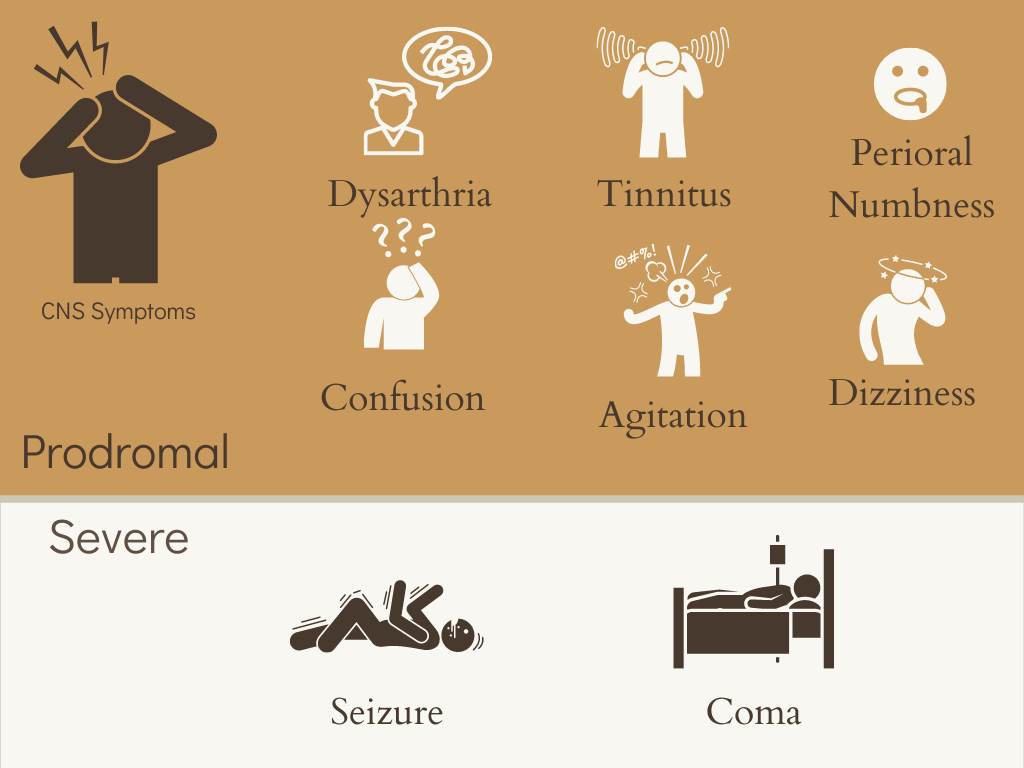
Too much lidocaine in the bloodstream can cause serious complications, especially in older adults or anyone with liver or kidney problems. Watch for these warning signs:
- Dizziness or lightheadedness
- Ringing in the ears
- Blurred vision
- Confusion or unusual nervousness
- Nausea
- Irregular heartbeat
- Seizures in severe cases
These symptoms can appear quickly and require immediate medical attention. Even mild warmth from an electric blanket or heated car seat can trigger this response.
Skin Damage and Burns
The neck and back have thin, sensitive skin that is especially vulnerable to thermal injury. A heating pad over a patch traps heat against the skin, raising the risk of:
- Redness and irritation
- Blisters or burns
- Uneven medication release as the adhesive softens
Patients with nerve damage or reduced sensation may not notice overheating until damage has already occurred. This makes the combination particularly hazardous during prolonged use or while sleeping.
How Transdermal Patches React to Heat
The Science Behind Controlled Drug Delivery
Lidocaine patches work through transdermal delivery, a system engineered to release small, measured amounts of medication through the skin over time. The patch creates a barrier that slows absorption, keeping lidocaine concentrated near the nerves where pain originates while limiting how much enters the bloodstream.
Heat disrupts this careful balance. Elevated skin temperature increases blood flow and makes the skin more porous, allowing medication to pass through too quickly. The controlled-release design essentially short-circuits, turning a safe low dose into a potentially toxic flood.
Physical Changes to the Patch
Beyond absorption issues, heat alters the patch itself. The adhesive or gel layer can soften, melt slightly, or shift position. This leads to:
- Uneven drug distribution across the skin
- Patches that peel off prematurely
- Sticky residue that irritates skin during removal
Even brief heat exposure counts. Saunas, hot baths, heating pads, and direct sunlight can all interfere with how the patch works.
Safe Ways to Get Pain Relief
Separate Heat and Patch Use
You don’t have to choose between heat therapy and lidocaine. You just need to time them apart. Try this approach:
- Apply a heating pad for 15 to 20 minutes to relax stiff muscles
- Remove the heat source and wait at least 30 minutes for skin to cool completely
- Apply the lidocaine patch once skin temperature returns to normal
- Save heat therapy for the 12-hour break period when no patch is worn
This sequence lets you enjoy the muscle-relaxing benefits of heat without boosting drug absorption.
Try Cold Therapy Instead
If inflammation or swelling is part of the problem, cold therapy works well alongside a lidocaine patch. Wrap a cold pack in a thin cloth and apply it for 15 minutes at a time. Cold reduces nerve activity and numbs sharp pain without affecting how the medication absorbs.
Apply the Patch Correctly
Getting the most from your lidocaine patch starts with proper application:
- Cut the patch to fit the painful area using scissors, which helps cover the exact spot that hurts
- Apply to clean, dry, intact skin and avoid broken or irritated areas
- Rotate application sites each time to prevent skin irritation
- Leave the patch uncovered unless your doctor specifically says otherwise
Following these steps keeps dosing consistent and reduces the chance of side effects.
When to Call a Healthcare Provider
Emergency Warning Signs
Seek medical help right away if you notice any of these symptoms while using a lidocaine patch:
- Difficulty breathing
- Slow or irregular heartbeat
- Seizures
- Loss of consciousness
- Severe confusion or dizziness
These may signal lidocaine toxicity and require emergency treatment.
Confirm Instructions with Your Doctor
Some medicated patches (like nitroglycerin or fentanyl) are sometimes paired with heat under medical supervision, but lidocaine is not one of them. If your prescriber seems unsure, ask for written guidance or speak with a pharmacist. Never assume heat is safe.
If current treatments aren’t controlling the pain, ask about alternatives such as physical therapy, prescription nerve pain medications like gabapentin, or other topical options that may work better for your situation.
Frequently Asked Questions About Lidocaine Patches and Heat
Can I use a heating pad before applying a lidocaine patch?
Yes, this is actually a smart approach. Apply heat for 15 to 20 minutes, then wait at least 30 minutes for your skin to return to normal temperature before putting on the patch. This relaxes muscles without increasing drug absorption.
What should I do if I accidentally used heat with a lidocaine patch?
If the exposure was brief and you feel fine, remove the patch and watch for symptoms over the next few hours. If you experience dizziness, nausea, heart palpitations, or confusion, seek medical attention immediately.
Is it safe to sleep with a lidocaine patch on?
Yes, patches can be worn for up to 12 hours, including overnight. Just make sure no heating pad, electric blanket, or heated mattress pad is in use while the patch is on your skin.
Are there any safe ways to add warmth while using lidocaine?
No external heat should touch the patch while it’s on. If warmth helps your pain, apply it before putting on the patch or during the 12-hour break period when the patch is off.
Can I cut a Lidoderm patch to fit a smaller area?
Yes, Lidoderm patches can be trimmed with scissors to match the size and shape of your painful area. This is especially useful for joints like the neck or wrist. Avoid touching the sticky side with your fingers to keep it clean.
Key Takeaways for Using Lidocaine Patches Safely
Combining a lidocaine patch and heating pad is never safe, even for short periods. Heat increases drug absorption, raising the risk of toxicity, skin burns, and serious cardiovascular or neurological side effects. The safest path forward is separating heat therapy and patch use by at least 30 minutes, applying patches to clean dry skin, and rotating sites to prevent irritation.
If you or a loved one relies on lidocaine patches for chronic pain, take time to review application steps with your doctor or pharmacist. Ask about complementary treatments like cold therapy, gentle stretching, or physical therapy that can boost relief without the risks. When in doubt, always prioritize safety and confirm any heat-related questions with a healthcare professional before trying something new.