Best Heating Pad After Egg Retrieval (2026 Guide)
Cramping after egg retrieval can feel intense, and a heating pad often seems like the easiest fix. But during IVF, every choice feels high-stakes, especially when implantation is on the line. The big question many women ask is simple: is a heating pad after egg retrieval safe, or could it interfere with success?
This guide breaks down what fertility clinics actually advise, what the science says about heat and core temperature, and which alternatives work better during each phase of your cycle. You’ll learn when heat is acceptable, when to avoid it entirely, and how to manage pain without risking your results.
Why Post-Retrieval Pain Happens and How Heat Fits In
Egg retrieval isn’t a gentle process. A needle passes through the vaginal wall to aspirate follicles from each ovary, which leaves behind irritation and minor trauma. Most women feel:
- Cramping similar to period pain
- Bloating from ovarian swelling
- Pelvic pressure or heaviness
- Soreness near the puncture site
These symptoms usually fade within 1–3 days, though bloating can linger longer if you’re at risk for mild ovarian hyperstimulation syndrome (OHSS). Heat can soothe these sensations, but the timing of application matters more than the heat itself.
The Core Temperature Concern: What Actually Matters
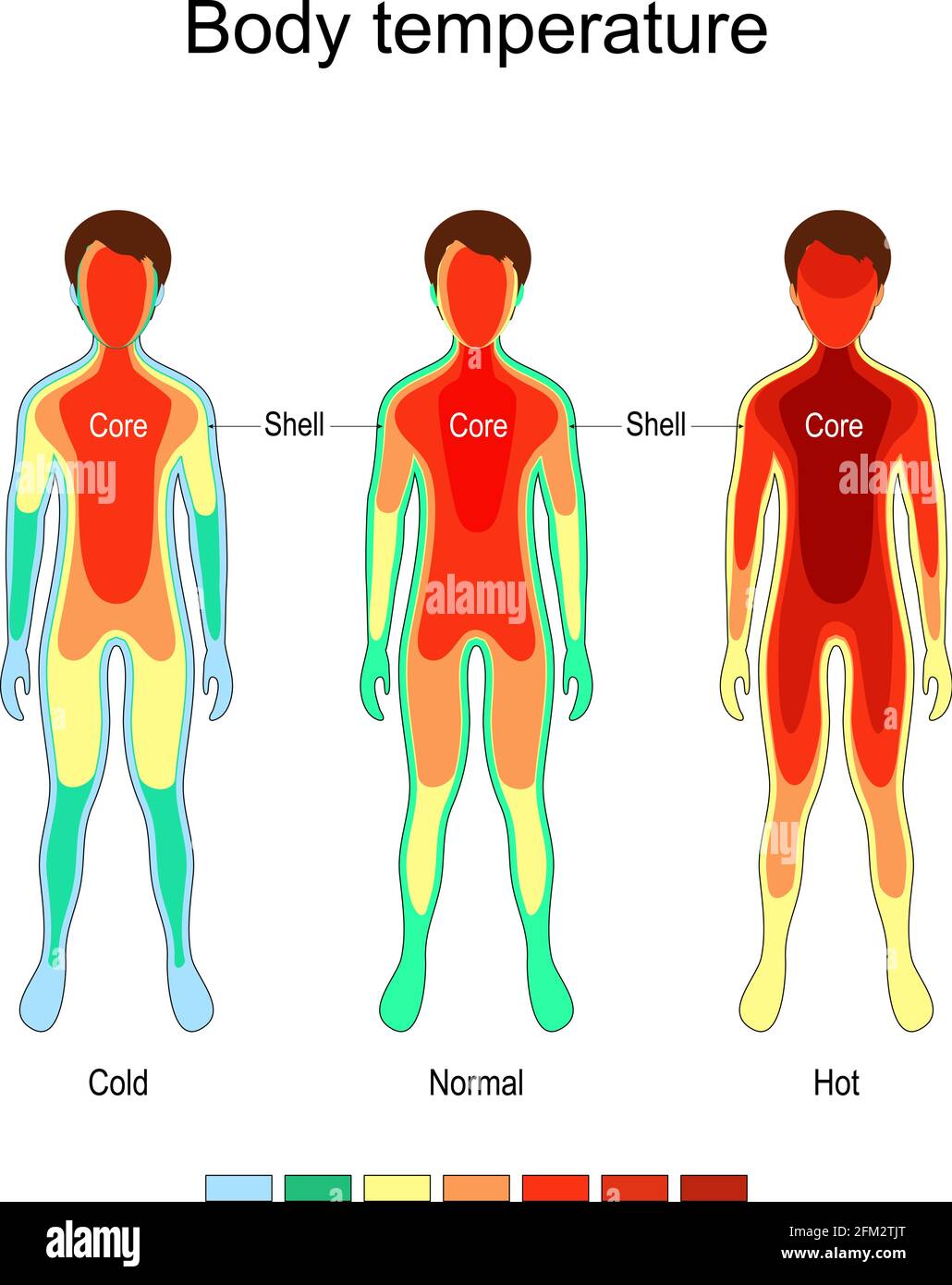
The worry around heating pads isn’t really about the pad at all. It’s about core body temperature, which is the internal temperature of your body. Research suggests that sustained core temperatures above 102°F (39°C) may interfere with egg maturation, embryo development, and implantation.
A standard heating pad on low or medium does not raise core temperature. It warms the skin and underlying muscle but doesn’t penetrate deeply enough to affect the ovaries or uterus. Activities that do raise core temperature include:
- Vigorous exercise
- Saunas and steam rooms
- Hot tubs
- Extremely hot baths
Because a heating pad stays on the surface, most evidence suggests it poses minimal risk when used briefly and correctly. Still, fertility clinics often prefer caution, especially after procedures involving eggs or embryos.
Before Egg Retrieval: Heat Is Generally Acceptable
During the menstrual phase and ovarian stimulation, using a heating pad for cramps is widely considered safe. Many women rely on it daily during their periods without issue. Fertility acupuncture clinics often place heating pads on the lower back or abdomen, based on the traditional Chinese medicine belief that warmth improves pelvic blood flow.
Safe applications during this phase include:
- Lower back pain from injections or stress
- Abdominal cramps during your period
- Muscle tension in the shoulders or neck
Keep the setting on low or medium, limit sessions to 15–20 minutes, and place a towel between the pad and your skin. Avoid falling asleep with the pad on, since prolonged contact can cause burns or skin irritation.
After Egg Retrieval: Most Clinics Say No
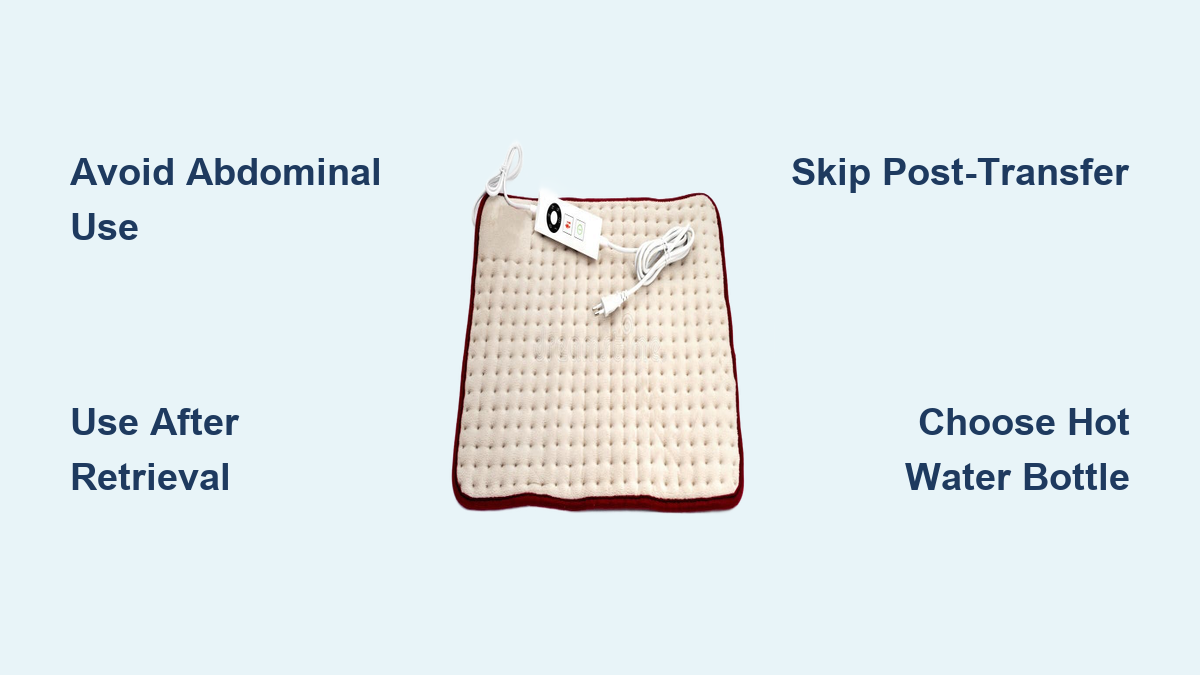
Once retrieval is complete, the rules shift. At least one major clinic, CCRM (Colorado Center for Reproductive Medicine), explicitly advises against heating pads after egg retrieval, though they consider a hot water bottle acceptable.
The reasoning comes down to inflammation. Your ovaries were just punctured multiple times. Applying direct heat could increase blood flow to already irritated tissue, potentially worsening swelling or discomfort. For women at risk of OHSS, anything that might affect fluid retention or vascular permeability adds unnecessary concern.
If your clinic has given specific guidance, follow it, even if online forums suggest otherwise. Clinic protocols exist to minimize every controllable variable during a fragile window.
After Embryo Transfer: Avoid Abdominal Heat Entirely
This is the strictest phase. Most clinics recommend avoiding all abdominal heat after embryo transfer, including:
- Heating pads on the stomach
- Hot baths
- Saunas or steam rooms
- Very hot showers
The goal during days 1–5 post-transfer is to keep your body in a stable, undisturbed state while implantation occurs. There’s no direct evidence that a heating pad causes implantation failure, but the theoretical risk isn’t worth taking when alternatives exist.
You can still use heat on other areas. Applying a heating pad to your lower back, legs, or shoulders is generally fine, as long as you avoid direct abdominal contact.
Comparing Heat Sources: Which Is Safest?

Not all warmth is the same. Here’s how common options stack up during the post-retrieval and post-transfer phases:
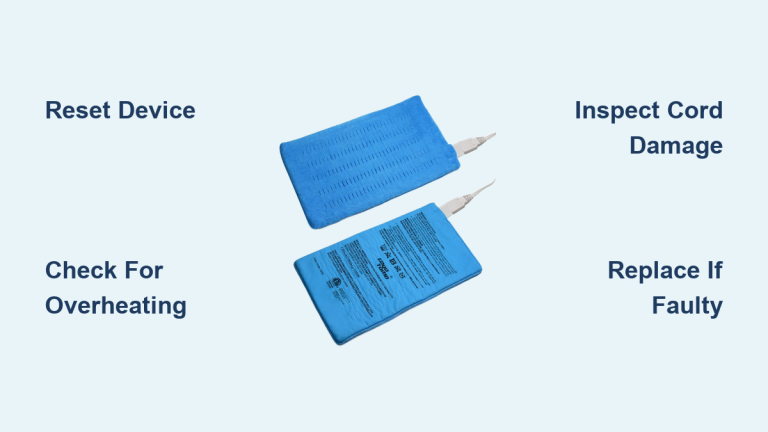
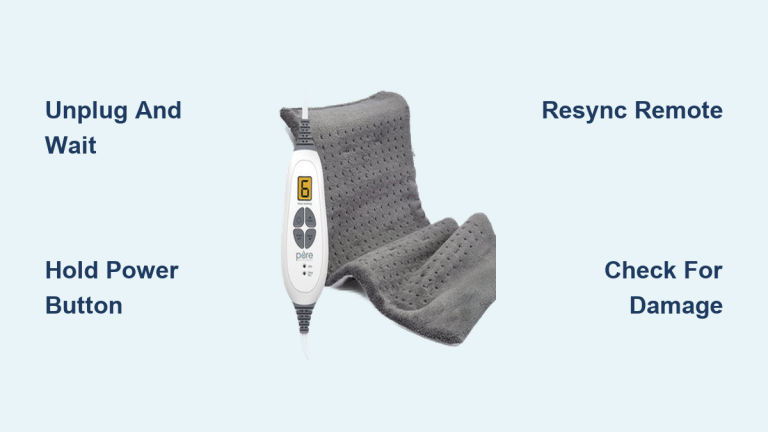
- Electric heating pad: Moderate risk. Delivers intense, continuous heat and can overheat tissues if left too long.
- Hot water bottle: Low risk. Provides softer, more diffuse warmth and is easier to control.
- Microwavable rice sock: Low to moderate risk. Natural heat that cools faster than electric options.
- Heating patches (like ThermaCare): Moderate risk. Chemical heat is hard to remove quickly and not recommended post-transfer.
If you need warmth, a hot water bottle wrapped in a towel is usually the gentlest choice.
Safer Pain Relief Options After Retrieval
If you’re avoiding heat, several effective alternatives exist:
- Acetaminophen (Tylenol): Safe for mild to moderate pain and widely recommended during IVF.
- Hydration: Helps flush hormones and reduce bloating.
- Rest: Supports recovery and reduces strain on enlarged ovaries.
- Light walking: Improves circulation without raising core temperature.
- Supportive clothing: Maternity bands or loose waistbands can ease abdominal pressure.
Avoid NSAIDs like ibuprofen or naproxen unless your doctor approves them, since they may affect ovarian blood flow or implantation.
Mistakes to Avoid During IVF Recovery
Three common errors can increase risk or discomfort:
- Using high heat for extended periods. This can cause skin burns, irritation, or increased inflammation. Never use the maximum setting, especially after retrieval.
- Placing heat on the abdomen post-transfer. Even if cramping is intense, resist the urge. The theoretical risk outweighs temporary relief.
- Assuming pre-retrieval safety applies afterward. What works during your period may not be appropriate once eggs or embryos are involved. Always reassess based on your current phase.
When to Call Your Doctor
Some symptoms after retrieval signal complications that need immediate attention. Contact your clinic if you experience:
- Severe or worsening abdominal pain
- Fever or chills
- Persistent nausea or vomiting
- Rapid weight gain or abdominal tightness
- Shortness of breath or reduced urination
These could indicate OHSS or infection, both of which require prompt medical care.
Frequently Asked Questions About Heating Pads After Egg Retrieval
Can a heating pad damage my eggs or embryos?
Localized heat from a heating pad does not raise core body temperature and is unlikely to affect egg or embryo health when used briefly. However, most clinics recommend avoiding abdominal heat after retrieval and transfer as a precaution.
Is it safe to use a heating pad during my period before egg retrieval?
Yes. Using a heating pad for menstrual cramps before retrieval is generally considered safe and is widely practiced. Keep the setting low to medium and limit sessions to 15–20 minutes.
Why does my clinic say no heating pads after retrieval?
Clinics like CCRM advise against heating pads after retrieval because direct heat may increase inflammation in already irritated ovarian tissue. A hot water bottle is usually considered a gentler alternative.
Can I use a heating pad on my back after embryo transfer?
Yes. Applying heat to areas away from the abdomen, such as the lower back, legs, or shoulders, is generally acceptable. Just avoid direct abdominal contact during the implantation window.
What pain medication is safe after egg retrieval?
Acetaminophen (Tylenol) is the most commonly recommended option. Avoid NSAIDs like ibuprofen unless your doctor specifically approves them, as they may interfere with implantation.
How long should I wait before using a heating pad again after transfer?
There’s no universal timeline, but most clinics recommend avoiding abdominal heat entirely until after your pregnancy test and confirmation of a viable pregnancy. Always defer to your clinic’s specific protocol.
Key Takeaways for Using a Heating Pad After Egg Retrieval
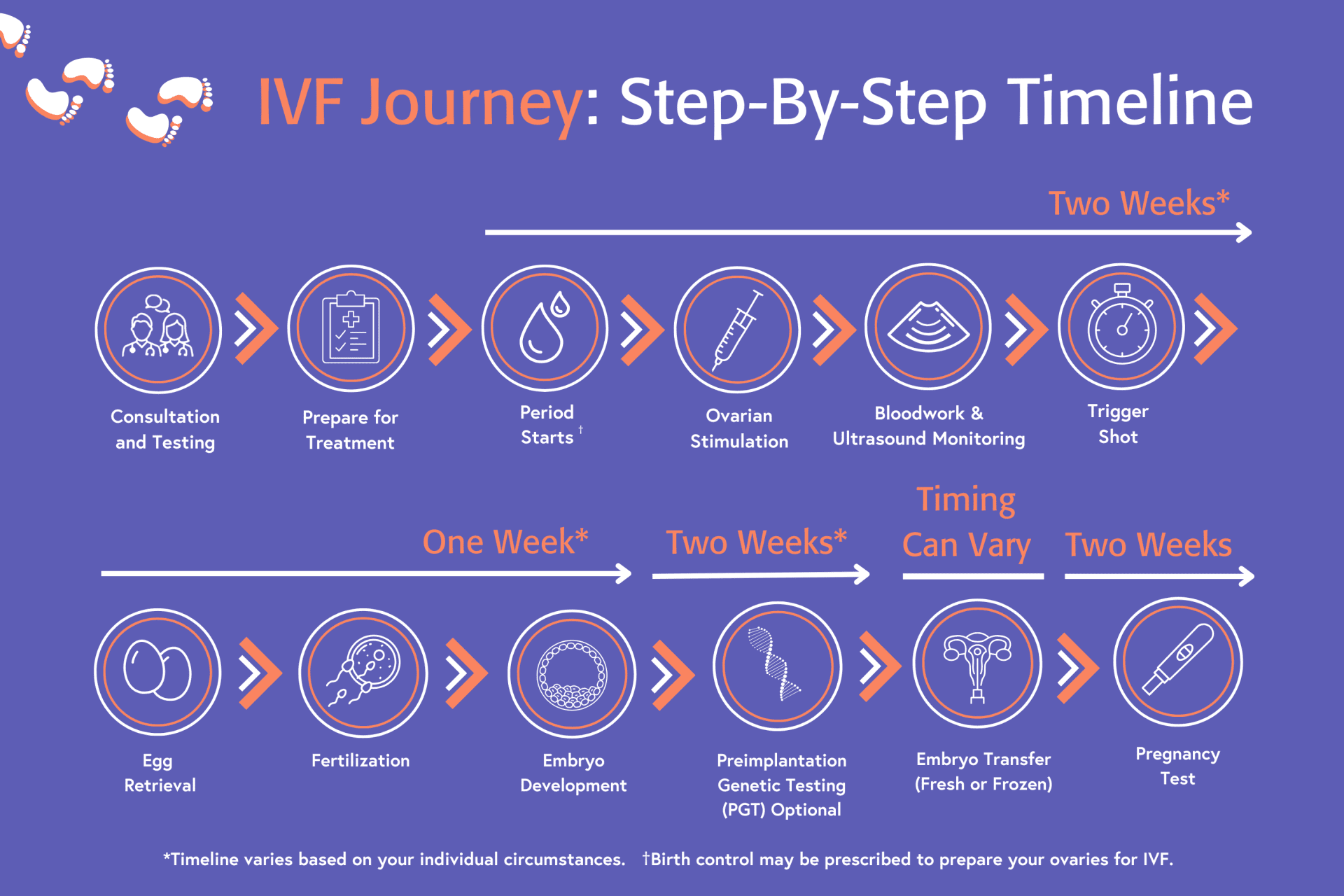
A heating pad on low or medium won’t spike your core temperature, but timing is everything during IVF. Before retrieval, heat for cramps is generally safe and commonly used. After retrieval, most clinics want you to skip the heating pad in favor of gentler options like a hot water bottle. After embryo transfer, abdominal heat is off-limits entirely, though you can still apply warmth to your back or legs.
When discomfort hits, reach for Tylenol, hydration, and rest first. Save the heating pad for areas far from your abdomen, and always follow your clinic’s specific guidance. Pain is temporary, but protecting your IVF outcome is worth the extra caution.