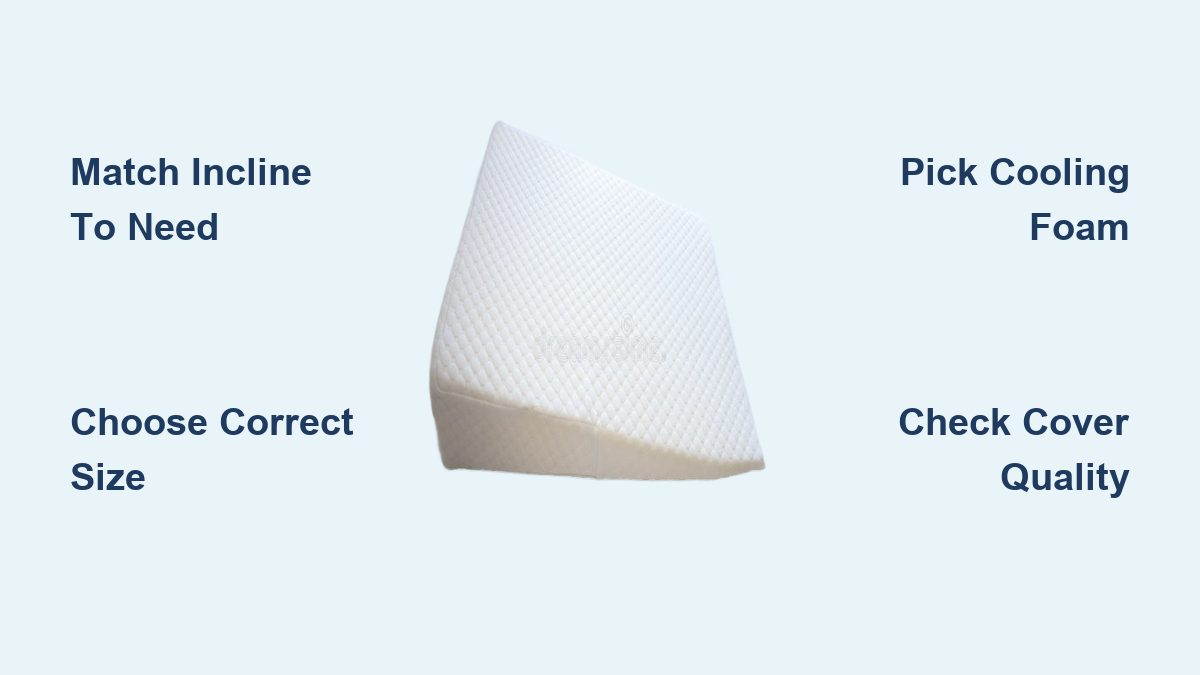
How to Choose a Wedge Pillow
Waking up with heartburn, a stiff neck, or that heavy feeling in your chest at night? You are not alone. Millions of adults struggle with acid reflux, snoring, or back pain that quietly steals hours of rest. A wedge pillow offers a simple, drug-free solution by elevating your upper body or legs at a consistent angle that gravity can work with all night long.
But choosing the wrong wedge can make things worse. Too low and reflux returns. Too steep and your neck aches by morning. This guide breaks down exactly how to choose a wedge pillow that matches your body, your health goals, and your mattress. You will learn which incline works for which condition, which foam types actually stay cool, and which designs solve problems most buyers never see coming.
Match the Incline to Your Primary Health Goal

The height of your wedge is the single most important decision you will make. Different conditions require different angles, and guessing wrong can leave you frustrated after the first night.
Acid Reflux and GERD Need 10+ Inches of Elevation
For nighttime heartburn or diagnosed GERD, elevate your entire torso by at least 10 inches, roughly 30 to 45 degrees. This keeps stomach acid where it belongs. A continuous slope from your hips to your shoulders is critical because bending at the waist actually increases abdominal pressure and worsens reflux.
- Best models: Helix Wedge Pillow (10 inches), Cozymaker (10 or 12 inches), MedCline Acid Reflux System
- Avoid: Wedges under 7 inches unless your reflux is very mild
Snoring and Sleep Apnea Benefit from Steeper Elevation
Elevating your head opens airways and prevents soft tissue from collapsing in your throat. While CPAP remains the gold standard for sleep apnea, a wedge pillow can meaningfully reduce snoring and improve mild symptoms.
- Recommended incline: 10 to 12 inches
- Bonus: Elevation also drains sinuses, cutting down on congestion-related snoring
- Pro tip: Combine with side sleeping for the clearest airway
Back Pain Relief Often Requires Two Wedge Positions
Back pain sufferers frequently need elevation in two places: under the upper back and under the knees. A single wedge can serve one purpose, but modular systems handle both.
- For lower back pain: Place a 6 to 7 inch wedge under your knees to flatten the lumbar arch
- For upper back support: A 10 inch wedge maintains your natural spine curve while you sleep
- Best full-body option: The Contour BackMax system includes separate pieces for back, knee, and foot elevation in a zero-gravity configuration
Leg Swelling Requires Feet Above Heart Level
To improve circulation and reduce edema, your legs need to sit above your heart. Even a modest 6 to 8 inch wedge placed under your calves makes a noticeable difference.
- Best for: Varicose veins, pregnancy-related swelling, long recovery periods
- Adjustable option: Sleep Number and Bieezzk modular pillows reconfigure easily for leg lift
Choose the Right Size for Your Mattress
A wedge pillow should fit your bed without crowding your partner or leaving your torso unsupported. Measure before you buy.
Standard 24×24 Inches Fits Most Queen and King Beds
Most wedge pillows measure 20 to 24 inches wide and long, which works perfectly for larger mattresses. Popular options like the Helix and Brentwood Home Zuma both use a 24×24 footprint.
- Ideal for back sleepers sharing a bed
- Leaves enough room for a partner to sleep comfortably beside you
Larger Systems Provide Full-Body Alignment
Some systems go beyond a basic wedge to support your entire body at once. The MedCline Acid Reflux System, for example, includes a 34×30 inch wedge plus a 50 inch body pillow.
- Best for side sleepers who need full-body alignment
- May overwhelm Twin or Full mattresses
Compact or Modular Designs Work in Tight Spaces
Smaller beds, dorm rooms, or guest rooms call for a smaller footprint. Modular designs also let you store pieces separately when not in use.
- Sleep Number Adjustable Wedge: Compact 2 inch base with stackable inserts
- Bieezzk Pillow Set: Stackable foam pieces you customize based on need
Select Foam Type Based on Sleep Style and Temperature

The material inside your wedge determines how it feels, how long it lasts, and whether you sleep hot or cool. Match the foam to your priorities.
Gel-Infused Memory Foam for Hot Sleepers
Standard memory foam molds to your body but traps heat. Gel-infused versions actively pull warmth away from your skin.
- Best models: Helix and Cozymaker both use gel layers
- Pros: Excellent pressure relief with a cooling effect
- Cons: Still warmer than latex over a full night
Solid Memory Foam for Long-Lasting Firmness
Dense, single-block memory foam holds its shape far longer than shredded or low-density fills. Look for CertiPUR-US certification to confirm the foam is free from harmful chemicals.
- Found in: Brentwood Home Zuma and Contour BackMax
- Best for: Back sleepers who need firm, reliable support night after night
Polyfoam for a Bouncy, Responsive Feel
Polyurethane foam springs back quickly and resists sagging. It feels more buoyant than memory foam and avoids that “stuck in the pillow” sensation.
- Best for: Users who dislike the sinking feel of memory foam
- Often used as a supportive base layer in hybrid designs
Latex for Natural Coolness and Eco-Friendly Materials
Natural Dunlop latex, like that used in the Avocado Organic Latex Wedge, offers a breathable, bouncy feel that sleeps noticeably cooler than foam.
- Pros: Naturally hypoallergenic, resists dust mites, eco-friendly
- Certifications: GOLS for organic latex, GOTS for organic cotton covers, GREENGUARD Gold for low emissions
- Best for: Eco-conscious buyers and hot sleepers
Down Alternative for Plush Lounging
Polyester fiber fills mimic the softness of down without using animal products. These pillows feel cozy and inviting but lack the structural support needed for reflux or apnea.
- Found in: The Company Store Down Alternative Reading Wedge and Casper Backrest
- Best for: Sitting up to read or watch TV, not overnight medical use
Match Firmness to Your Sleeping Position
Your sleep position changes what you need from a wedge. The wrong firmness leads to neck strain, pressure points, or restless tossing.
Firm Support for Back Sleepers
Back sleepers need consistent elevation that holds the spine in neutral alignment. If the pillow is too soft, your head tilts forward and your airway narrows.
- Ideal materials: High-density polyfoam or solid memory foam
- Top picks: Helix Wedge and Contour BackMax
Medium-Firm Cushioning for Side Sleepers
Side sleepers need enough give to cushion the shoulder but enough firmness to keep the torso elevated. Flat wedges often cause shoulder compression and numbness.
- Solution: Contoured wedges with arm pockets, like the MedCline Shoulder Relief System, solve this problem
- Best materials: Memory foam or shredded foam that molds around the shoulder
Plush Softness for Reading and Lounging
When you are awake, comfort matters more than structural support. Plush pillows feel inviting for extended sitting.
- Top choices: Casper Backrest Pillow and Company Store Down Alternative
- Features to look for: Armrests, soft covers, pockets for remotes or phones
Look for Specialized Designs That Solve Real Problems
Generic wedges work for some users, but specialized designs address issues most buyers never anticipate until they are lying on the pillow at 2 a.m.
Arm Pockets Prevent Side-Sleeper Shoulder Pain
Side sleepers often wake with numb or aching shoulders because traditional wedges compress the joint. The MedCline Shoulder Relief System features a patented arm pocket that lets your arm pass through the wedge, eliminating pressure while keeping you elevated.
- Ideal for reflux-prone side sleepers
- Includes a body pillow for full alignment
Adjustable Heights for Multi-Use Flexibility
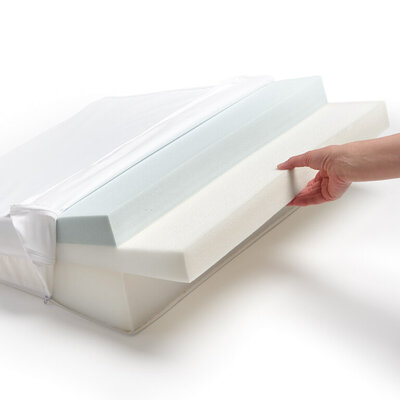
One pillow, many functions. Modular wedges let you change the height based on what you are doing that day.
- Sleep Number Adjustable Wedge: Stack 2 inch and 4 inch inserts to reach anywhere from 2 to 8 inches total
- Use low for leg elevation, high for reading or reflux
Multi-Piece Systems for Full-Body Support
Some kits combine wedges for different body parts, enabling advanced positions like zero gravity where hips and knees sit slightly above the heart.
- Contour BackMax: Includes back, knee, foot, and neck supports
- Premium price (around $300) but unmatched versatility for chronic pain sufferers
Check Cover Quality and Cleaning Ease
You will spend hours on this pillow every week. The cover needs to feel good, stay clean, and survive the washing machine.
Removable Zippered Covers Are Non-Negotiable
Never buy a wedge without a removable cover. Skin oils, sweat, and the occasional spill will stain an attached cover permanently.
- Look for: Full-zip or three-quarter zip designs
- Common materials: Bamboo rayon (Brentwood), organic cotton (Avocado), rayon-poly blend (Helix)
Machine-Washable Covers Simplify Maintenance
Most quality covers can go straight into the washing machine. Use warm water and mild detergent, then tumble dry on low heat or air dry.
- Warning: Never wash the foam core. Spot clean only with a damp cloth and mild soap, then air dry completely
Gusseted Covers for Adjustable Designs
Modular pillows need covers that expand when you add inserts. Gusseted zippers prevent tearing and keep the cover snug at every height.
- Found in Sleep Number and Bieezzk adjustable models
Avoid These Common Buying Mistakes
Even careful shoppers get tripped up by marketing claims or unrealistic expectations. Steer clear of these pitfalls.
Do Not Stack Regular Pillows as a Substitute
It is tempting to save money by stacking bed pillows, but this approach backfires. Stacking creates a bend at your waist, increases abdominal pressure, and makes reflux worse. A true wedge maintains a straight incline from hips to head, which is what makes it effective.
Expect a 7 to 10 Day Adjustment Period
Switching to a wedge feels strange at first. Your body needs time to adapt to the new angle, so mild neck stiffness or a “too high” feeling is normal during the first week.
- Tip: Start by using the wedge during reading or TV time before committing to a full night of sleep on it
Do Not Buy Based on Price Alone
Wedges under $30 often use low-density foam that sags within months. The Cozymaker at around $27 is a rare budget exception with surprisingly durable foam, but most ultra-cheap options disappoint quickly.
Always Check the Trial Period and Warranty
Test before you commit. Reputable brands offer sleep trials ranging from 30 to 100 nights, which gives you time to adjust and decide if the pillow truly works for you.
| Brand | Trial Length | Warranty |
|---|---|---|
| Helix | 30 nights | 1 year |
| Avocado | 100 nights | 1 year |
| Contour | 45 nights | 1 year |
| Sleep Number | 30 nights | 1 year |
| Cozymaker | None | N/A |
Top Picks by Use Case

Here are the best wedge pillows based on specific needs, drawn from real testing and user feedback.
Best Overall: Helix Wedge Pillow
The Helix combines a 10 inch incline with gel-infused memory foam and a breathable rayon cover. It offers firm support for back sleepers, effective reflux relief, and stays cooler than most competitors. Priced between $82 and $109, it is made in the USA and carries CertiPUR-US certification.
Best for Side Sleepers: MedCline Shoulder Relief System
If you sleep on your side and struggle with reflux, nothing beats the MedCline. Its patented arm pocket eliminates shoulder compression while keeping you elevated. The system includes a full body pillow for alignment. At $250, it is a premium investment, but side sleepers consistently call it life-changing.
Best Budget Pick: Cozymaker Bed Wedge
The Cozymaker delivers multiple incline options (7.5, 10, and 12 inches), a cooling layer, and dual storage pockets for under $35. It lacks a trial period, but the price makes it easy to replace if it does not work out.
Best for Reading: Casper Backrest Pillow
The Casper Backrest feels like a marshmallow and works beautifully for sitting up in bed. At $117 to $129, it is not cheap, but the plush comfort is hard to beat for lounging. Skip this one if you need medical-grade reflux support.
Best Eco-Friendly: Avocado Organic Latex Wedge
The Avocado uses 100 percent Dunlop latex with GOLS, GOTS, and GREENGUARD Gold certifications. It sleeps cool, resists dust mites, and lasts for years. Priced at $199 to $219, it comes with a generous 100 night trial.
Best Adjustable: Sleep Number Adjustable Wedge
The Sleep Number system uses stackable 2 inch and 4 inch inserts to customize height from 2 to 8 inches. At around $50, it is affordable, versatile, and perfect for users who want one pillow for leg elevation, reading, and reflux relief.
Frequently Asked Questions About Wedge Pillows
What incline is best for acid reflux?
A minimum of 10 inches of elevation (roughly 30 to 45 degrees) is recommended for acid reflux or GERD. This height keeps stomach acid from rising into the esophagus while you sleep. Lower inclines may help mild symptoms but often fall short for diagnosed reflux.
How long does it take to adjust to sleeping on a wedge pillow?
Most users need 7 to 10 days to fully adapt to a wedge pillow. During this period, mild neck stiffness or a feeling of being too high is common. Starting with shorter sessions, such as reading on the wedge, can ease the transition.
Can side sleepers use a wedge pillow?
Yes, but standard wedges can compress the shoulder and cause numbness. Side sleepers should choose contoured wedges or systems with arm pockets, like the MedCline Shoulder Relief System, which is specifically designed to eliminate shoulder pressure while maintaining elevation.
Are wedge pillows worth it for snoring?
Wedge pillows can reduce snoring by elevating the head and opening airways, especially when snoring is related to congestion or mild sleep apnea. They work best when combined with side sleeping. For moderate to severe sleep apnea, CPAP therapy remains the recommended treatment.
How do you clean a wedge pillow?
Remove the cover and machine wash it in warm water with mild detergent. Tumble dry on low heat or air dry completely before reassembling. Never machine wash the foam core. Spot clean the foam with a damp cloth and mild soap, then allow it to air dry fully to prevent mold.
How long does a wedge pillow last?
A high-quality wedge pillow typically lasts about three years with proper care. Dense memory foam, polyfoam, and latex retain their shape longer than low-density fills. Using a washable cover and rotating the pillow occasionally can extend its lifespan.
Key Takeaways for Choosing Your Ideal Wedge Pillow
Choosing the right wedge pillow comes down to matching the product to your body and your goals. Start by identifying your primary need: reflux relief, snoring reduction, back pain, or simply better lounging. That answer dictates the incline height, firmness, and material you should prioritize.
Measure your mattress to confirm the pillow will fit comfortably, especially if you share the bed. Look for trusted certifications like CertiPUR-US for foam safety or GOLS and GOTS for organic materials. Give yourself at least a week to adjust before deciding whether the pillow works, and take full advantage of any sleep trial your chosen brand offers.
A well-chosen wedge pillow is not just a comfort accessory. It is a tool for better digestion, easier breathing, and deeper sleep. Invest in one that fits your needs, and you will likely wonder how you ever managed without it.