Best Heating Pad Temperature for Kittens (2026 Guide)
Newborn and young kittens cannot regulate their own body temperature, making them entirely dependent on external heat sources for survival. During the first few weeks of life, even a slight drop in warmth can slow digestion, weaken immunity, or lead to fatal hypothermia. Choosing the correct heating pad temperature for kittens is one of the most important decisions a foster caregiver can make. This guide breaks down exact temperature ranges by age, safe setup methods, and emergency warming steps to keep your kittens healthy and thriving.
You will learn how to match heat output to each developmental stage, avoid common safety mistakes, and recognize warning signs of both chilling and overheating. Whether you are caring for an orphaned litter or a single fragile newborn, these protocols will help you create a safe, warm environment.
Target Body Temperature Every Kitten Needs to Maintain
All healthy kittens, regardless of age, must keep an internal body temperature between 100°F and 102°F (37.8°C to 38.9°C). This range supports digestion, organ function, and immune response.
Warning signs of hypothermia include:
– Cold paws or ears
– Lethargy or unresponsiveness
– Weak or absent suckling reflex
If a kitten feels cold, do not feed it. Cold kittens cannot digest milk, which causes fermentation, bloating, and potentially fatal complications. Always warm first, then feed.
Heating Pad Temperature Guidelines by Kitten Age
Newborn Kittens: 1 to 7 Days Old
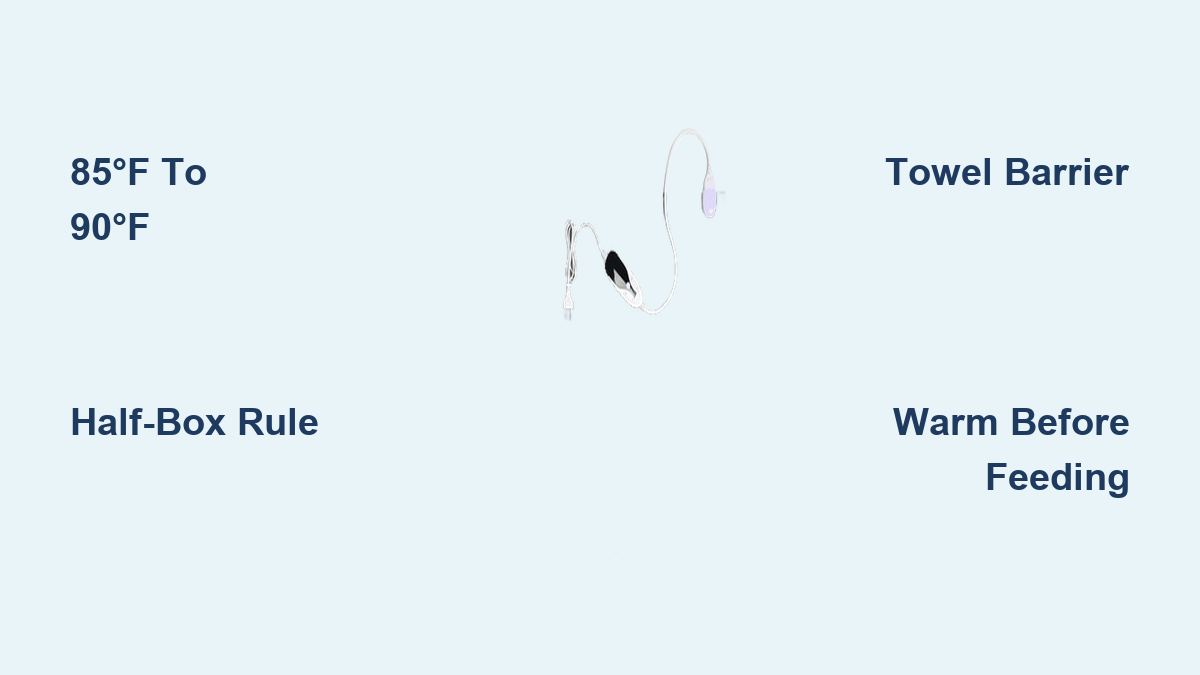
Newborns cannot shiver and have zero ability to generate internal heat. The enclosure must stay between 85°F and 90°F (29°C to 32°C). Set the heating pad to approximately 98°F (36.7°C) on the surface, and place it under only half the box so kittens can crawl to a cooler side if needed.
Growing Kittens: 8 to 30 Days Old
Kittens in this stage retain heat slightly better but still rely on supplemental warmth. Lower the ambient temperature to 80°F to 85°F (27°C to 29°C). Keep the pad on the same side of the box, covered with a thick towel, and watch for panting or restlessness.
One Month and Older: 4 Weeks
By four weeks, kittens begin developing thermoregulation. The enclosure can drop to 75°F (24°C). Use the heating pad only during cooler hours or if the kitten appears chilly.
Six Weeks and Beyond
At six weeks, most kittens can maintain body heat in normal indoor conditions around 70°F (21°C). A heating pad is usually unnecessary unless the environment is cold or the kitten is ill.
Safe Heating Pad Setup for Kittens

The Half-Box Heating Rule
Never place a heating pad under the entire floor of the kitten enclosure. Always cover only half of the base. This creates a thermal gradient, allowing the kitten to move away from the heat if it becomes too warm. Kittens trapped on a fully heated surface cannot escape overheating.
Use a Towel Barrier Every Time
Place at least one thick towel between the heating pad and the kitten. Direct contact with even a low-setting pad can cause burns. For added safety, use two layers: one beneath the pad for insulation and one on top for softness.
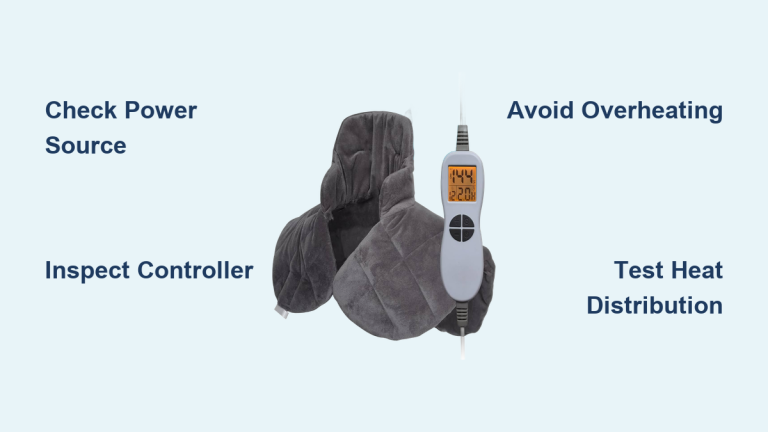
Choose a Pad with a Thermostat
Standard human heating pads can run too hot for small animals. Safer options include:
– A pet-safe heating pad with an adjustable thermostat
– A low-voltage pad designed for small animals
– A reptile heating pad paired with a thermostat set to 85°F to 90°F
Avoid the “high” setting entirely. Stick to low or warm mode only.
Alternative Safe Heat Sources for Kittens
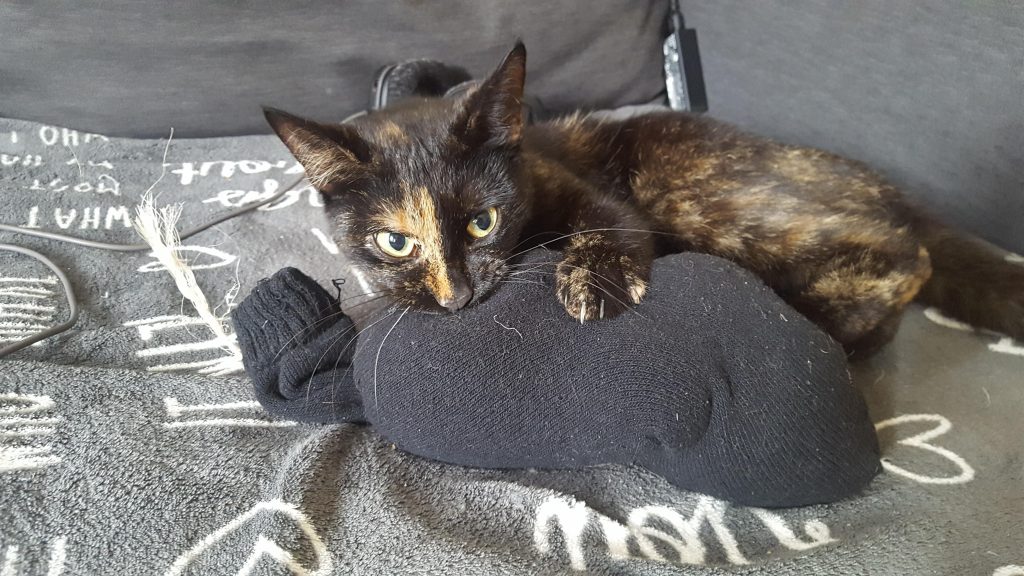
DIY Rice Sock Heater
A rice sock is a simple, cord-free warming option.
Steps to prepare:
1. Fill a thick, clean sock with dry, uncooked rice.
2. Sew or knot the end securely.
3. Microwave for 60 seconds.
4. Test on your inner wrist. It should feel warm, not hot.
5. Wrap in a towel and place in the enclosure.
This method lasts one to two hours per heating. Never use scented rice or add herbs, as these can be toxic to kittens.
Hot Water Bottle
A hot water bottle provides gentle, consistent warmth.
Safe use steps:
1. Fill with hot but never boiling water.
2. Screw the cap on tightly.
3. Wrap the bottle completely in a towel.
4. Place in one corner of the box.
Replace the water every two to three hours. Always check for leaks before placing it near kittens, since even a small drip can chill or drown a young kitten.
Commercial Microwavable Pads
Products like Snugglesafe are designed for pets and provide up to 10 hours of warmth per heating. Follow package instructions and always wrap the pad in fabric before placing it with kittens.
Emergency Warming Protocol for Cold Kittens
A cold, limp, or unresponsive kitten requires immediate action.
Warm Against Your Skin
- Dry the kitten if it is wet.
- Place the kitten against your bare chest or abdomen.
- Cup your hands gently around the body to trap heat.
- Wait for movement. Wriggling indicates circulation is returning.
Do not rub vigorously. Gentle massage is enough to stimulate blood flow.
Use a Heat Source with Rotation
- Place the kitten on a warm, towel-covered heating pad or water bottle.
- Turn the kitten from side to side every 5 minutes to distribute heat evenly.
- Massage gently to encourage circulation.
- Stop when the ears and paws feel warm and the kitten becomes active.
Do not feed until the kitten is fully warm, wriggling, or attempting to suckle.
How to Prevent Overheating and Burns
Recognize Overheating Signs
- Panting or open-mouth breathing
- Lethargy or glassy eyes
- Frantic attempts to escape the heat
- Warm ears or belly, not just paws
If you notice these signs, move the kitten to a cooler area and offer a cool (not cold) surface to lie on.
Burn Prevention Checklist
- Always use a towel barrier between the pad and the kitten
- Never set the heating pad to “high”
- Avoid pads with damaged cords
- Keep cords tucked away to prevent chewing
- Test the pad temperature on your skin before placing the kitten nearby
Avoid plastic bottles or glass jars as heat sources. They can create hot spots. Stick to soft, flexible containers like rubber hot water bottles or rice socks.
Enclosure Setup for Proper Temperature Control
Choose the Right Container
Use a plastic storage bin or cardboard carrier with high sides to block drafts. The enclosure should be large enough to include:
– A warm zone with the heat source
– A cool zone away from the heat
– Soft nesting material like fleece or towels
Cover the Box for Kittens Under 4 Weeks
For kittens under one month, cover the enclosure with a blanket or towel to trap warmth and block drafts. Leave one side slightly open for airflow. Place the enclosure in a quiet, warm room away from doors, windows, and foot traffic.
Monitor Temperature Daily
Place a digital thermometer in the warm zone to verify the temperature. Do not rely on touch alone. Adjust the heat output weekly as the kittens grow:
– Week 1: 85°F to 90°F
– Weeks 2 to 4: 80°F to 85°F
– Week 5 and beyond: 75°F, then 70°F
Why You Should Never Feed a Cold Kitten
Feeding a cold kitten is one of the most dangerous mistakes a caregiver can make. Cold body temperature shuts down digestion. Milk sits in the stomach, ferments, and causes bloating, gas pain, diarrhea, and potentially fatal sepsis.
Safe feeding protocol:
1. Warm the kitten until it is active and wriggling.
2. Check that the paws and ears feel warm.
3. Feed small amounts of kitten milk replacer warmed to 100°F (38°C).
4. Burp gently after feeding.
5. Keep the kitten warm for at least 30 minutes after eating.
Test the milk temperature on your wrist before offering it. Cold milk can lower the kitten’s core temperature.
Age-Based Temperature Transition Plan
Week 1: Maximum Warmth and Supervision
- Ambient temperature: 85°F to 90°F
- Heat source: Half-box pad or rice sock
- Enclosure: Covered and draft-free
- Monitoring: Every 30 to 60 minutes
Weeks 2 to 4: Gradual Cooling
- Ambient temperature: 80°F to 85°F
- Reduce pad use during daytime if the room is warm
- Begin uncovering the box for short periods
- Watch for shivering or huddling, which signal cold
Week 5: Testing Independence
- Lower the ambient temperature to 75°F
- Remove the heating pad at night if the kitten stays warm
- Observe behavior. Active, playful kittens are likely warm enough
Week 6 and Beyond: Discontinue Supplemental Heat
- Maintain room temperature at 70°F
- Provide soft bedding for comfort
- Use a heating pad only if the kitten is sick or in a cold room
Frequently Asked Questions About Heating Pad Temperature for Kittens
What is the safest heating pad temperature for newborn kittens?
The heating pad surface should be set to approximately 98°F (36.7°C), while the surrounding enclosure stays between 85°F and 90°F. Always place a towel barrier between the pad and the kitten, and heat only half the box so the kitten can move to a cooler area if needed.
Can I use a human heating pad for kittens?
Yes, but only on the lowest setting and with a thick towel barrier. Human heating pads can run hotter than expected and lack automatic shutoffs designed for pets. A pet-safe or reptile heating pad with a built-in thermostat is a safer choice.
How do I know if my kitten is too cold?
Check the paws and ears. If they feel cool to the touch, the kitten is likely cold. Other signs include lethargy, a weak suckling reflex, and unresponsiveness. Warm the kitten immediately before attempting to feed it.
How long should I keep using a heating pad for kittens?
Most kittens need supplemental heat for the first four to five weeks of life. By six weeks, they can usually maintain body heat in a standard indoor environment around 70°F. Continue using a heating pad beyond this point only if the kitten is sick or the room is unusually cold.
Is it safe to leave a heating pad on all night for kittens?
Only if the pad has a reliable thermostat and you have verified the temperature with a thermometer. Check the setup before bedtime and ensure the kitten has a cool zone to escape to. Never use a damaged pad or one without temperature control.
What should I do if my kitten is unresponsive and cold?
Begin emergency warming immediately. Place the kitten against your bare skin, or use a warm towel-covered heat source with rotation every 5 minutes. Gently massage to stimulate circulation. Do not feed the kitten until it is warm, wriggling, and active.
Key Takeaways for Safe Kitten Heating
The correct heating pad temperature for kittens depends entirely on age, health, and environment. Newborns need an enclosure temperature of 85°F to 90°F, while six-week-olds thrive at standard room temperature around 70°F. Always use a towel barrier, heat only half the enclosure, and create a thermal gradient so kittens can self-regulate.
Warm every kitten before feeding. Cold kittens cannot digest milk, and feeding them can lead to fatal bloating. Monitor temperature with a thermometer rather than relying on touch, and adjust heat output weekly as the kittens grow.
Your next step is to check your current setup against the safety checklist in this guide. Verify the pad temperature, confirm the barrier is in place, and make sure your enclosure includes both a warm zone and a cool zone. A few minutes of preparation now can save lives in the days ahead.