Is a Heating Pad Safe on Abdomen During Pregnancy?
Pregnancy often brings back pain, pelvic pressure, and muscle cramps that make daily life uncomfortable. Many expecting individuals instinctively reach for a heating pad to find relief. While heat therapy can be a safe and effective tool for managing certain pregnancy-related pains, using a heating pad directly on the abdomen is strongly discouraged by medical experts. The primary concern? Even localized heat can contribute to elevated core body temperature, and that poses real risks to fetal development, especially during the first trimester.
The danger lies not in the comfort of warmth, but in the potential for overheating. Research shows that raising your core temperature above 102.2°F (39°C), even briefly, increases the risk of neural tube defects like spina bifida, particularly in early pregnancy when organs are forming. Unlike a warm bath, which affects the whole body but can be monitored, direct abdominal heat is harder to control. Plus, abdominal pain during pregnancy can signal serious conditions like preterm labor or placental issues. Applying heat might mask symptoms, delaying critical care. This guide will show you exactly where and how to use a heating pad safely during pregnancy, which areas to avoid, and effective alternatives for soothing abdominal discomfort.
Approved Areas for Heat Therapy During Pregnancy

Safe Zones: Back, Hips, and Limbs
While the abdomen is off-limits, heat therapy is widely recommended for other areas where pregnancy pain commonly strikes. The lower back, hips, pelvis, and legs are safe targets when used correctly. Nearly every pregnant person experiences back pain due to shifting posture and increased weight, and close to half report muscle cramps, especially in the legs. A heating pad on these areas can offer significant relief without raising core temperature.
Heat works by triggering vasodilation, which expands blood vessels to increase circulation. This delivers oxygen and nutrients to sore muscles, reduces spasms, and improves joint mobility. Unlike immersion in hot water, localized heat on the back or hips typically doesn’t affect overall body temperature when used as directed.
Lower Back Pain Relief With a Heating Pad
Lower back pain is one of the most common complaints during pregnancy, often starting in the second trimester and worsening as the belly grows. Applying a heating pad to the lower back can ease tension and support daily comfort.
How to Use Safely on Your Lower Back
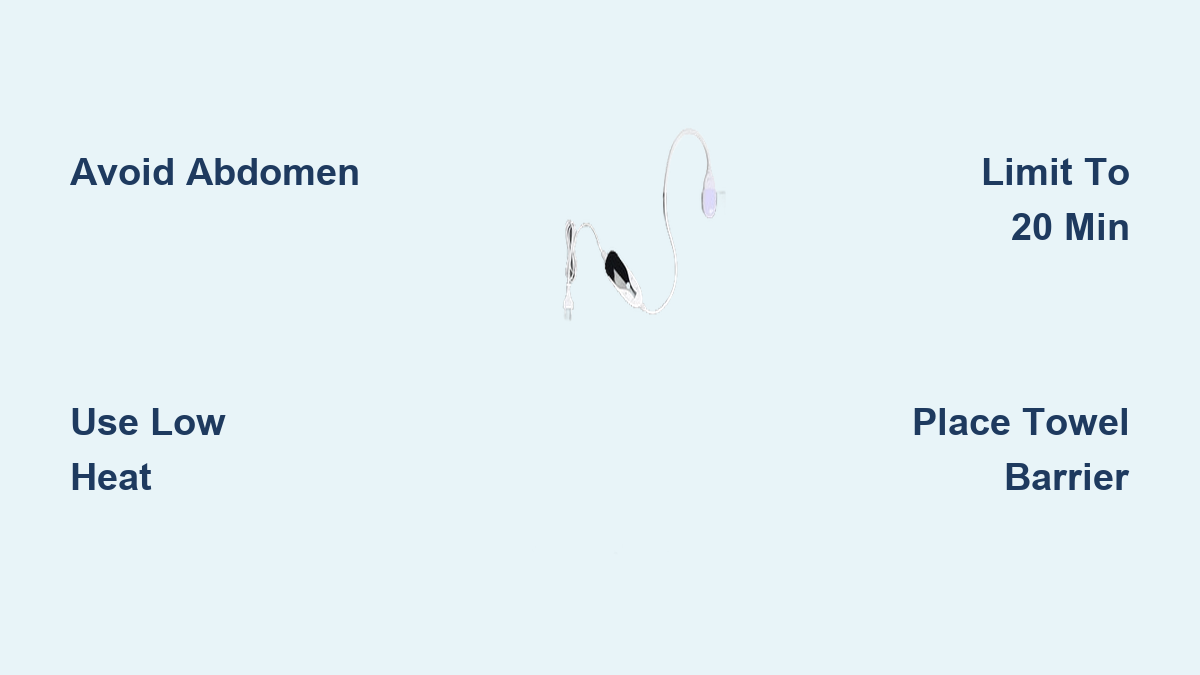
- Set the pad to the lowest heat setting
- Place a towel or cloth between the pad and your skin
- Limit use to 15–20 minutes at a time
- Stay awake and monitor the area; never fall asleep with the pad on
Many users report using heating pads on their lower back throughout pregnancy, even into early labor, with no adverse effects. The key is moderation and correct placement.
Hip and Pelvic Discomfort Relief
Pelvic girdle pain (PGP) affects up to 1 in 5 pregnant individuals. Hormonal changes loosen ligaments, and the shifting center of gravity strains the hips and pelvis. A heating pad can help relax tight muscles and reduce stiffness.
Tips for Pelvic Heat Application
- Target the outer hips or sacroiliac (SI) joints, not the front of the pelvis near the uterus
- Combine heat with gentle stretching or prenatal yoga for better results
- Use before bedtime to improve sleep comfort, but always remove the pad before lying down
Why Abdominal Heat Is Not Safe During Pregnancy

Core Temperature Risks From Heating Pads
The biggest danger of placing a heating pad on the abdomen is the potential to raise your core body temperature. Even if the pad feels only warm to the touch, prolonged or intense heat can transfer inward, affecting the developing fetus.
First Trimester: Highest Risk Period
During weeks 1–12, the baby’s neural tube, which becomes the brain and spinal cord, is forming. Exposure to excessive heat (hyperthermia) during this window is linked to a higher risk of neural tube defects. Because many people don’t realize they’re pregnant in these early weeks, avoiding abdominal heat from day one is crucial.
While a hot bath or sauna raises core temperature more dramatically, a heating pad on the belly can still contribute, especially if used for too long or at high settings.
Fetal Development Concerns
Beyond the first trimester, the fetus remains sensitive to temperature changes. The body regulates heat through blood flow and sweating, but pregnancy reduces heat tolerance. Overheating can lead to:
– Reduced blood flow to the placenta
– Dehydration
– Increased heart rate in both mother and baby
There is no safe “low-risk” way to apply heat directly to the abdomen. Medical guidelines are clear: avoid it entirely.
Masking Serious Pregnancy Symptoms
Abdominal pain during pregnancy can have many causes, some harmless and others urgent. Round ligament pain, gas, and constipation are common and usually benign. But pain can also signal:
– Preterm labor
– Ectopic pregnancy
– Placental abruption
– Urinary tract infection
Using a heating pad may dull the pain temporarily, but it could also mask warning signs that require immediate medical attention. If abdominal discomfort is persistent, severe, or accompanied by other symptoms, heat is not the solution.
Recognizing Dangerous Abdominal Symptoms During Pregnancy
When to Seek Immediate Care
Not all abdominal pain means something is wrong, but certain red flags demand urgent evaluation. Never use a heating pad if you experience any of the following:
Vaginal Bleeding or Spotting
This could indicate miscarriage, ectopic pregnancy, or placental issues. Even light bleeding warrants a call to your provider.
Fever Over 100.4°F (38°C)
A fever suggests infection, which can be dangerous during pregnancy. Heat application can worsen fever and increase fetal risk.
Persistent Nausea or Vomiting
Especially if you can’t keep fluids down, this may signal hyperemesis gravidarum or other complications.
Decreased Fetal Movement
After 28 weeks, reduced kicks or activity should be evaluated immediately.
Regular Contractions Before 37 Weeks
Frequent tightening of the uterus could be preterm labor. Don’t assume it’s just Braxton Hicks.
If you have any of these symptoms, contact your healthcare provider right away. Do not attempt to self-treat with heat.
Safe Alternatives for Abdominal Discomfort in Pregnancy
Warm Baths Instead of Heating Pads
For soothing relief without direct heat, a warm (not hot) bath is a safe alternative. Fill the tub with water no hotter than 100°F (37.8°C), about the temperature of a warm shower. Soak for 15–20 minutes to relax muscles and ease tension.
Safety Tips for Bathing While Pregnant
- Use a non-slip mat to prevent falls
- Keep the bathroom warm to avoid chills
- Stay hydrated before and after
- Avoid bubble baths with strong fragrances
Unlike a heating pad, a warm bath distributes heat evenly and allows you to monitor how you feel overall.
Positional Changes and Rest
Sometimes, simple adjustments bring fast relief. If you’ve been standing, sit or lie on your side. If sitting, stretch or walk gently. Lying on your left side improves blood flow to the uterus and can reduce pressure-related discomfort.
Use pillows for support, placing them between your knees, under your belly, or behind your back. Rest is one of the most effective, natural remedies for pregnancy aches.
Prenatal Massage and Muscle Rubs
Gentle massage with pregnancy-safe oils can ease muscle tension in the lower abdomen and surrounding areas. Focus on the sides and lower back, avoiding deep pressure on the front of the belly.
Avoid essential oils unless approved by your provider, as some can stimulate contractions.
Safe Heating Pad Use: Rules to Follow During Pregnancy
Set It Low, Keep It Covered
Using a heating pad safely means strict adherence to three rules: low heat, barrier, and time limit.
Lowest Setting Only
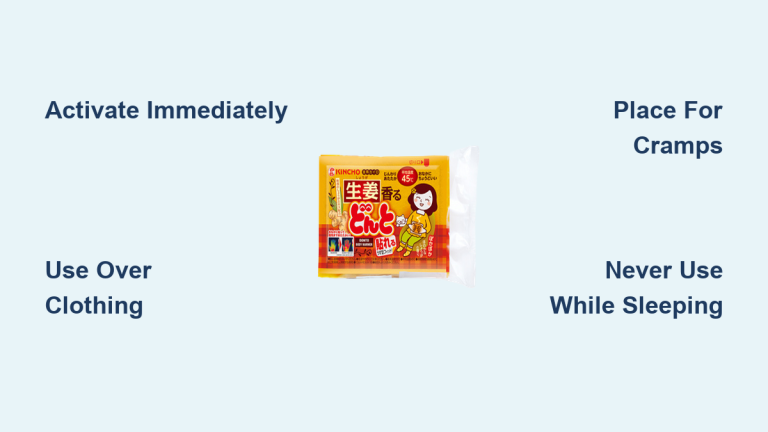
Even if the pad feels barely warm, start low. You can always adjust slightly, but never use high heat. Electric pads with adjustable dials are safer than microwaveable packs, which can develop hot spots.
Always Use a Barrier
Place a towel, T-shirt, or cloth layer between the pad and your skin. This prevents burns and helps distribute heat evenly.
15–20 Minute Rule
Set a timer. Never exceed 20 minutes. Afterward, give your body a break before reapplying.
Choosing the Right Heating Device for Pregnancy

Types of Heating Pads and Safety Features
Not all heating devices are equal. Some are safer and more reliable than others during pregnancy.
Electric Heating Pads
Best for consistent, controlled heat. Look for models with:
– Adjustable low settings
– Automatic shut-off (after 15–30 minutes)
– Even heat distribution
Microwaveable Packs
Reusable but riskier. Always test temperature before use, as microwave times vary. Never apply directly to skin.
Hot Water Bottles
Classic option. Fill with warm (not boiling) water and check for leaks. Wrap in a towel before use.
Electric Blankets and Heating Vests
Use with caution. These can raise core temperature if used for long periods. Avoid sleeping with them on.
Special Considerations for Heating Pad Use in Pregnancy
Pre-existing Health Conditions
Certain medical issues increase the risks of heat therapy:
Sensory Deficits
Conditions like diabetes or nerve damage can reduce skin sensitivity. You might not feel if the pad is too hot, increasing burn risk.
Thermoregulation Disorders
If you have trouble sweating or managing body temperature, avoid heat therapy unless cleared by a doctor.
Medication Use
Some medications (like antihistamines or antidepressants) impair the body’s ability to cool down. Talk to your provider before using any heat device.
Trimester-Specific Advice for Heating Pad Use
First Trimester
Avoid all forms of excessive heat, including saunas, hot tubs, or heating pads on the abdomen. Stick to low-heat, short-duration use on approved areas.
Third Trimester
You’re more prone to overheating and dehydration. Stay hydrated, limit heat sessions, and avoid NSAIDs like ibuprofen, which are not safe late in pregnancy.
Alternative Pain Relief Methods During Pregnancy
Medication Options
When non-drug methods aren’t enough, some medications are considered safe.
Acetaminophen (Tylenol)
The first-line pain reliever during pregnancy when used as directed. Effective for mild to moderate pain and fever.
NSAIDs (Ibuprofen, Naproxen, Aspirin)
Generally avoided, especially after 20 weeks. These can affect fetal kidney function and reduce amniotic fluid. Always consult your doctor before use.
Non-Medication Therapies for Pregnancy Pain
Prenatal Physical Therapy
A physical therapist can design exercises to strengthen core muscles, improve posture, and reduce pain.
Prenatal Yoga and Stretching
Gentle movement enhances flexibility and reduces tension. Look for classes designed for pregnant individuals.
Mind-Body Techniques
Deep breathing, meditation, and guided relaxation can ease stress-related discomfort and improve sleep.
Stay Active, Not Overexerted
Regular walking or swimming supports overall comfort, but stop if you feel pain, dizziness, or overheating.
Frequently Asked Questions About Heating Pads and Pregnancy
Can I use a heating pad on my abdomen during pregnancy?
No. Medical experts strongly advise against placing a heating pad directly on the abdomen during pregnancy. Direct abdominal heat can raise your core body temperature, which has been linked to neural tube defects and other fetal development concerns, especially during the first trimester.
What areas are safe for heating pad use while pregnant?
The lower back, hips, pelvis, and legs are generally considered safe areas for heating pad use during pregnancy. These areas benefit from localized heat therapy without significantly affecting core body temperature when used correctly.
How long can I safely use a heating pad while pregnant?
Limit heating pad sessions to 15–20 minutes at a time, always on the lowest heat setting, with a cloth barrier between the pad and your skin. Never fall asleep while using a heating pad.
What temperature is safe for a heating pad during pregnancy?
Use the lowest heat setting possible. High temperatures are explicitly identified as harmful during pregnancy. Always place a towel or cloth barrier between the heating pad and your skin to prevent burns and diffuse heat.
What are the risks of using a heating pad on my stomach while pregnant?
The primary risks include raising core body temperature, which can lead to neural tube defects in the developing fetus, dehydration, and masking symptoms of serious conditions like preterm labor or placental abruption. The first trimester carries the highest risk.
What can I use instead of a heating pad for abdominal discomfort during pregnancy?
Safe alternatives include warm (not hot) baths, positional changes, rest, prenatal massage, prenatal yoga, and acetaminophen (Tylenol) when approved by your healthcare provider. For persistent or severe abdominal pain, consult your doctor immediately.
Key Takeaways for Using a Heating Pad Safely During Pregnancy
Using a heating pad on your abdomen during pregnancy is not safe due to risks of overheating and fetal harm. However, when applied correctly to the back, hips, or limbs, heat therapy can be a valuable tool for managing common pregnancy discomforts. Always use low heat, a protective barrier, and limit sessions to 15–20 minutes. For abdominal pain, opt for safer alternatives like warm baths, positional changes, or medical guidance.
Your next step: Bookmark this guide and share it with other expecting parents. If you’re experiencing abdominal pain during pregnancy, skip the heating pad and contact your healthcare provider to rule out any serious conditions. When used safely on approved areas, a heating pad can help you stay comfortable throughout your pregnancy journey.