
How to Use Kincho Heat Pad
You’re stepping out into freezing weather, bracing for a long commute, and you reach for a Kincho heat pad. It’s small, adhesive, and promises steady warmth for hours. But if you’ve ever questioned whether to place it on your skin, how to activate it properly, or which version works best for cramps versus back pain, you’re in the right place.
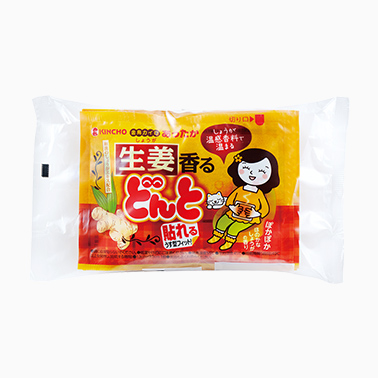
Kincho heat pads, officially called KINCHO DONTO, are disposable, air-activated warmers that generate heat through a chemical reaction. Unlike electric or microwavable options, they start warming the moment you open the package. No charging, no reheating, no shaking needed. These pads stick directly to clothing and deliver targeted warmth for up to 12 hours, depending on the model you choose.
This guide walks you through exactly how to activate, apply, and maximize your Kincho heat pad while avoiding common mistakes. You’ll learn where to place it for back pain, menstrual relief, or full-body warmth, how scented versions differ, and what to watch for around kids or sensitive skin.
Activate the Heat Pad the Moment You Open It
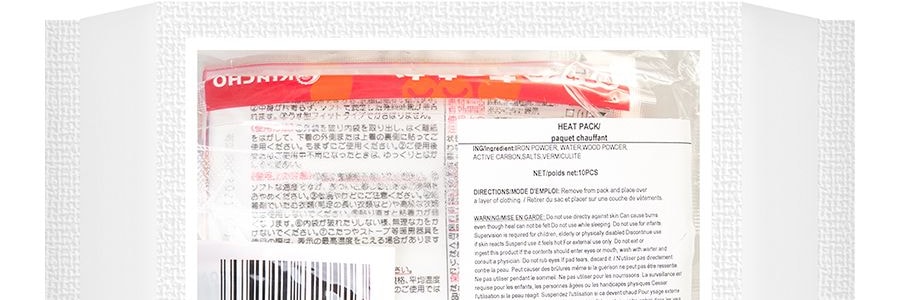
Once exposed to air, the heating reaction begins immediately. There’s no waiting period.
Open and Apply Without Delay
Kincho heat pads contain iron powder that reacts with oxygen the instant it meets air. This exothermic (heat-producing) process starts the moment you tear open the outer wrapper and remove the inner pouch.
- Do not open the package ahead of time to “check” it.
- Do not store opened pads in ziplock bags. Once exposed, the reaction cannot be paused or restarted.
- The pad begins warming within 1–5 minutes and reaches a stable temperature quickly.
If you open it too early while reading instructions, you may lose valuable heat before you even apply it.
Inspect the Packaging Before Opening
A few quick checks protect your investment:
- Confirm the seal is fully intact. A damaged package means air has already entered, reducing effectiveness.
- Check the expiration date. Old pads lose heat output over time.
- Store unused pads in a cool, dry place away from direct sunlight to preserve shelf life.
Apply Only to Clothing, Never Directly to Skin
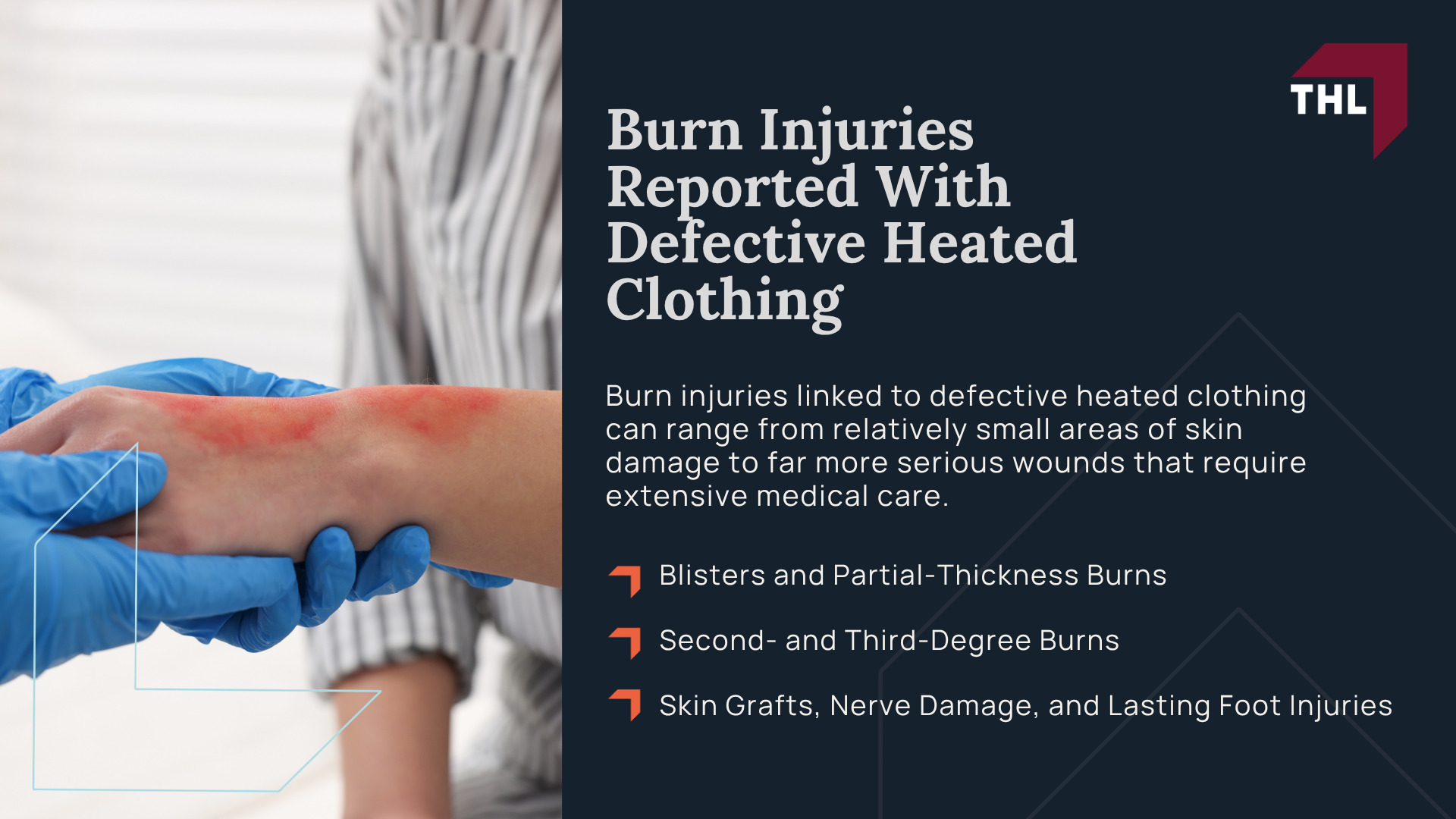
This is the most critical safety rule for Kincho heat pads, and the one most often overlooked.
Prevent Low-Temperature Burns
Kincho heat pads reach a maximum of 64°C (147°F), which is hot enough to cause low-temperature burns if placed directly on skin. These burns develop gradually, often without immediate pain, especially if you’re asleep or have reduced heat sensitivity.
- Always place the pad over a layer of clothing, not under tight layers, not against bare skin.
- Use a thin fabric barrier like an undershirt, base layer, or jacket lining.
- Never use while sleeping or under heavy blankets where heat can build up.
Match Adhesive to the Right Fabric
The sticky back is designed to bond with fabric fibers, not skin.
- Apply to cotton, wool, or synthetic blends for best adhesion.
- Avoid waterproof, slick, or damp fabrics like raincoats or nylon shells. The adhesive won’t hold.
- If the pad won’t stick, clean the clothing surface and try again.
Choose the Right Placement for Your Needs

Where you place the pad determines how effectively you feel the warmth.
Warm the Lower Back for Core Heat
The lower back is a prime spot for retaining body heat.
- Helps stabilize core body temperature.
- Ideal for outdoor workers, hikers, and commuters.
- Place just above the waistband, centered on the spine.
This location keeps heat close to internal organs and major blood vessels, promoting full-body warmth from the inside out.
Target Shoulders for Stiffness Relief
If you suffer from cold shoulders or muscle tension, apply a pad to each shoulder blade.
- Use the Mini size under dress shirts or light jackets.
- Steady heat relaxes tight muscles caused by poor circulation or AC exposure.
This works especially well for office workers or drivers on long winter trips.
Apply to the Stomach for Menstrual or Internal Cold
For cramps or that “always cold inside” feeling, reach for Ginger or Mugwort scented pads.
- Center the pad just below the navel, known as the “magic therapeutic point” in Kincho’s product guide.
- The 45°C (113°F) heat is gentler and safer for longer wear.
- Combined with aroma, it promotes a sensation of internal warmth.
This method is popular among users managing menstrual discomfort or chronic cold sensitivity.
Use Scented Variants for Added Therapeutic Benefits

Not all Kincho pads serve the same purpose. Aromatherapy versions offer more than heat alone.
Ginger Scent: Warmth from Within
- Designed to stimulate internal warmth.
- Best applied to the abdomen.
- Ginger extract is traditionally linked to improved circulation and digestive comfort.
Ideal for those who feel cold even indoors.
Mugwort Scent: Restore Vitality
- Traditionally used in East Asian wellness practices.
- Claimed to stabilize physical condition and boost energy.
- Also applied to the lower abdomen.
Popular during recovery periods or cold-weather fatigue.
Fresh Forest Fragrance: Relaxation Mode
- Releases a calming woodland scent as it warms.
- Heat and moisture carry the fragrance upward toward your face.
- Perfect for stress relief, meditation, or awake-time use before bed.
These scented pads last 5 hours, run cooler, and are meant for gentle therapeutic use rather than extreme cold.
Follow Safety Rules Without Exception
Ignoring safety guidelines can turn a helpful tool into a hazard.
Never Use While Sleeping
Even if you’re cold at night, do not place a Kincho pad in bed.
- The risk of compression and overheating is too high.
- Reduced sensation during sleep delays your pain response.
If you need overnight warmth, choose a medical-grade skin-safe warmer instead.
Keep Away from Children and Pets
Kids may mistake the pad for a toy.
- Store unused pads out of reach.
- Teach children never to touch or play with activated pads.
- Pets can suffer burns from chewing or lying on them.
Do Not Cut or Open the Pouch
The contents (iron powder, salt, water, activated carbon) are safe when sealed.
- Do not puncture, cut, or ingest the pad.
- If the pouch leaks, avoid skin contact and dispose of it properly.
- Wash hands after handling, especially before eating.
Maximize Heat Output and Adhesion
A few small adjustments ensure your pad performs at its best.
Avoid Compression for Full Heat
If the pad is squished in a tight pocket or under a backpack strap, it won’t get enough oxygen.
- Loosen clothing slightly to allow airflow.
- Don’t place under heavy belts or tight waistbands.
- In windy conditions, layer up to retain heat.
Fix Poor Adhesion Quickly
If the pad won’t stick:
- Ensure the fabric is clean, dry, and non-waterproof.
- Press firmly for 10–15 seconds after placement.
- Try a different spot. Seams and textured areas don’t hold well.
If adhesive still fails, use a small piece of medical tape to secure it, but never place tape on skin with the pad.
Know When to Replace or Discard
Kincho pads are single-use only. Once the heat stops, the pad is spent.
Duration by Model
| Model | Duration (above 40°C) |
|---|---|
| Standard Size | 12 hours |
| Mini Size | 7 hours |
| Aromatherapy (Ginger/Mugwort/Forest) | 5 hours |
After this time, the iron has fully oxidized into a solid, rusted mass. The pad will feel cool and rigid.
- Dispose of it in combustible trash, not recycling or the toilet.
- Do not attempt to reheat in a microwave or oven. This is dangerous and can cause fire.
Buy the Right Pack for Your Needs
Choose based on your primary use case.
Standard 10-Pack: Everyday Use
- Costs 300–500 JPY.
- Best for commuters, office workers, or light outdoor use.
- Delivers 12 hours of heat with strong adhesion.
Bulk 30–60 Packs: Long-Term Value
- Around 700 JPY for 30 pads.
- Ideal for frequent users, winter travelers, or families.
- Lowest cost per unit.
Scented 8-Packs: Therapeutic Focus
- 300–600 JPY.
- Designed for relaxation, cramps, or internal cold.
- Shorter duration and lower heat, with added aroma.
These are available at drugstores, convenience stores, and 100-yen shops, especially from autumn through winter.
Frequently Asked Questions About Kincho Heat Pads
Can You Apply Kincho Heat Pads Directly to Skin?
No. Kincho heat pads reach up to 64°C (147°F), which can cause low-temperature burns if placed on bare skin. Always apply over a layer of clothing, such as an undershirt or base layer.
How Long Does a Kincho Heat Pad Stay Warm?
Duration depends on the model. Standard pads stay above 40°C for 12 hours, Mini pads for 7 hours, and aromatherapy variants for 5 hours. Once the iron fully oxidizes, the pad cools permanently.
Where Should You Place a Kincho Pad for Menstrual Cramps?
Apply a Ginger or Mugwort scented pad to the stomach area, centered just below the navel. This spot is referred to as the “magic therapeutic point” and is specifically recommended for internal warmth and cramp relief.
Can You Reuse a Kincho Heat Pad?
No. The chemical reaction cannot be restarted. Attempting to reheat the pad in a microwave or oven is dangerous and can cause fire. Dispose of used pads in combustible trash after they cool.
Are Kincho Heat Pads Safe for Children?
Exercise extreme caution. Children should never place pads directly on skin, and used or unused pads should be stored out of reach. The high temperature poses a burn risk if mishandled.
What Should You Do If the Pad Won’t Stick?
Ensure the fabric is clean, dry, and made of cotton, wool, or synthetic blends. Avoid waterproof materials like raincoats. Press firmly for 10–15 seconds after application. If adhesion still fails, secure with medical tape on the clothing only.
Key Takeaways for Using Kincho Heat Pads Effectively
Kincho heat pads are powerful tools when used correctly. Activate them immediately after opening, apply only over clothing, and choose placement based on your goal: lower back for core warmth, shoulders for stiffness, or stomach for cramps and internal cold. Never use them on bare skin or while sleeping, and always dispose of used pads in combustible trash.
For best results, match the pad type to your needs. Standard 12-hour pads work for all-day outdoor warmth, Mini pads suit targeted relief under light clothing, and aromatherapy variants offer gentle heat with added therapeutic scent. Stock up during autumn and winter at drugstores or convenience stores, and store unused pads in a cool, dry place to preserve their shelf life.