
Prolonged Heating Pad Use: Risks and Safety Tips
You reach for your heating pad after a long day, hoping to ease that stubborn back pain. It feels soothing, so you leave it on a little longer. Maybe you even fall asleep with it. This scenario plays out in millions of homes, but repeated over weeks or months, it can trigger a surprising and often overlooked condition called erythema ab igne, better known as toasted skin syndrome. While heat therapy offers real relief, prolonged heating pad use at moderate temperatures between 107°F and 113°F can cause lasting skin damage, including permanent discoloration and, in rare cases, skin cancer.
This condition does not happen overnight. It develops silently, often without pain, starting as a faint, net-like redness that many dismiss as dry skin or a mild rash. Left unchecked, it progresses to a brown, webbed stain that may never fade. The good news is that it is largely preventable. By understanding the risks, recognizing early signs, and using heat therapy safely, you can protect your skin while still managing discomfort. This guide explains how prolonged heating pad use damages skin, how to spot warning signs, and what steps to take for both treatment and prevention.
Recognize Toasted Skin Syndrome Early
What Is Erythema Ab Igne?
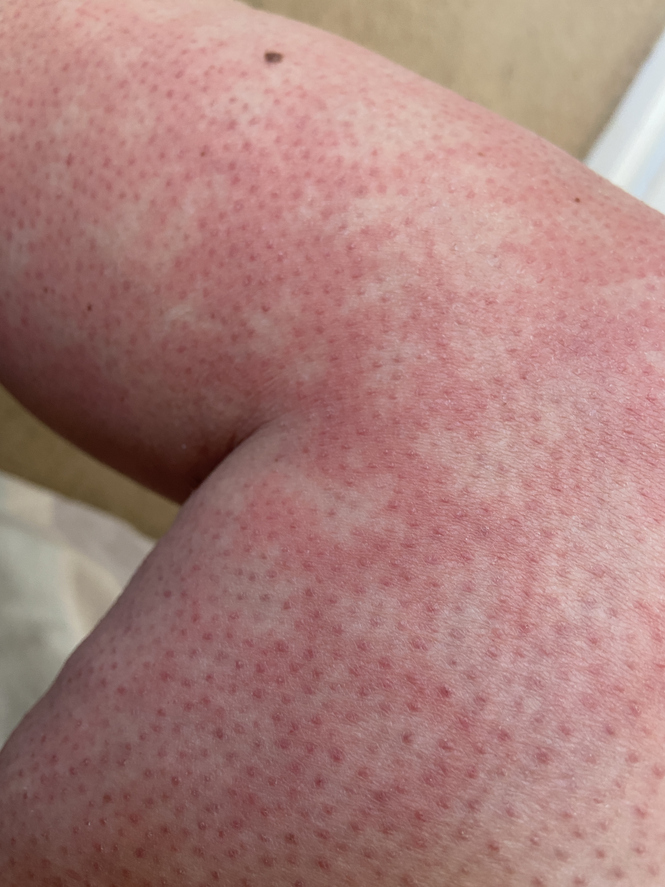
Erythema ab igne, Latin for “redness from fire,” is a skin reaction caused by long-term exposure to moderate heat. This heat is not intense enough to burn but is sufficient to damage skin over time. It is not a burn injury but a chronic condition resulting from repeated heat exposure, typically between 107°F and 113°F (41.6°C to 45°C). This temperature range is common in heating pads, electric blankets, and laptop surfaces.
The root cause involves infrared radiation and repeated vasodilation, which is the widening of blood vessels. Over time, capillaries in the skin become congested, leak red blood cells, and deposit hemosiderin, a pigment that leads to brown discoloration. While the condition starts as benign, continued exposure increases the risk of DNA damage in skin cells, raising long-term cancer concerns.
Early Skin Changes to Watch For
The first signs of toasted skin syndrome are subtle. You may not feel pain, but your skin tells the story. Watch for these early indicators:
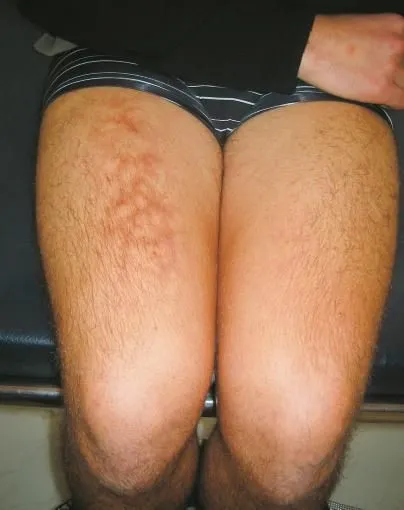
- Reticulated (net-like) redness on areas frequently exposed to heat
- A mottled, fishnet pattern that matches the shape of the heat source
- Mild itching or tingling in the affected zone
These early changes often appear on the lower back, abdomen, thighs, or wherever the heating pad is routinely placed. If you notice redness that does not fade within hours of removing the heat source, consider it a warning. This stage is reversible, but only if you stop the heat exposure immediately.
When Discoloration Becomes Permanent
Without intervention, the red rash darkens to a brown or grayish-brown hue. This hyperpigmentation signals permanent structural damage. Hemosiderin buildup and collagen changes make the discoloration long-lasting, even after you discontinue heat use. In advanced cases, the skin may feel slightly thin or dry. While not harmful in itself, this stage indicates significant cumulative damage and increases the risk of rare skin cancers like squamous cell carcinoma and Merkel cell carcinoma.
Common Heat Sources and Risk Scenarios
Heating Pads and Electric Blankets
Heating pads are the most frequent culprits in erythema ab igne cases. When used for hours daily, especially on high settings or while sleeping, they deliver consistent, low-level heat that meets the danger threshold. Electric blankets pose a similar risk, particularly when used all night every night. The continuous exposure prevents the skin from recovering, accelerating pigment changes.
Key risk behaviors include:
- Falling asleep with the pad or blanket on
- Using the highest heat setting regularly
- Placing the pad directly on bare skin
Even microwaveable pads, often perceived as safer, can exceed 110°F and cause damage with prolonged contact.
Laptops and Seat Heaters
Modern devices contribute to this condition in unexpected ways. Laptops placed on laps generate heat from the battery and processor, often reaching 110°F or higher after extended use. Younger users, especially students or remote workers, are increasingly diagnosed with thigh discoloration from daily laptop use.
Similarly, car seat heaters used during long commutes can cause lower back or thigh lesions. Because the heat is indirect and gradual, users rarely notice the exposure until a rash appears.
Fireplaces and Space Heaters
Sitting too close to radiant heat sources like fireplaces or space heaters for hours can also trigger erythema ab igne, especially on the legs or face. Unlike direct contact devices, the risk comes from prolonged proximity, not touch. People with chronic pain or those living in cold climates are particularly vulnerable.
How Heat Damages Skin Over Time

Infrared Radiation and DNA Impact
The danger extends beyond temperature alone. Infrared radiation plays a central role. This invisible heat penetrates the skin, causing oxidative stress and direct DNA damage in epidermal cells. While the body repairs most damage, repeated exposure overwhelms these systems. Unrepaired mutations accumulate, increasing the risk of abnormal cell growth.
This process is slow, often taking months or years of daily exposure. That is why many do not connect their skin changes to heat use until the condition is advanced.
Vascular Changes and Pigment Buildup
Repeated heat causes capillaries to dilate constantly. Over time, this leads to:
- Vascular congestion: Blood pools in small vessels
- Red blood cell leakage: Hemoglobin breaks down into hemosiderin
- Iron deposition: Hemosiderin stains the skin brown
These changes appear visibly as a lacy, reticulated pattern. Once hemosiderin settles, fading becomes unlikely, even after stopping heat exposure.
Why No Pain Does Not Mean Safety
One of the most dangerous aspects of this condition is the lack of pain. Unlike a burn, which forces you to pull away, erythema ab igne develops silently. You might feel warmth but not discomfort, so you keep using the pad. This false sense of safety allows damage to progress unnoticed. If you feel burning, itching, or tingling, your skin is reacting. Remove the heat source immediately.
Cancer Risks from Chronic Heat Exposure
Link to Squamous Cell Carcinoma
While rare, squamous cell carcinoma (SCC) has been documented in long-standing erythema ab igne lesions. These cancers typically arise in areas with years of untreated discoloration. The chronic inflammation and DNA damage create an environment where mutated cells can proliferate.
Though the overall risk is low, it is not zero. Dermatologists emphasize that any persistent, non-healing skin change in a heat-exposed area should be evaluated promptly.
Merkel Cell Carcinoma: A Rare but Serious Risk
An even rarer association exists with Merkel cell carcinoma, an aggressive neuroendocrine skin cancer. Cases are extremely uncommon but have been reported in patients with long-term thermal injury. This underscores the importance of early intervention. Preventing the condition is far safer than treating its complications.
Who Is at Highest Risk?
Certain factors increase vulnerability:
- Chronic pain patients using heating pads daily
- Elderly individuals with reduced skin sensitivity
- People with neuropathy who may not feel heat buildup
- Those with poor circulation or thin skin
If you fall into one of these groups, extra caution is essential.
Immediate Steps to Take If You Are at Risk
Stop Heat Exposure Now
The single most effective treatment is cessation. If you notice early redness or a net-like pattern, stop using the heating pad or other heat source on that area immediately. Do not wait for symptoms to worsen. Discontinuing exposure gives your skin the best chance to recover.
Even if you are still in pain, switch to alternative pain relief methods like gentle stretching, over-the-counter pain relievers, or cold therapy.
Inspect Your Skin Daily
Perform a quick visual check of common exposure zones:
- Lower back
- Abdomen
- Thighs
- Neck and shoulders
Look for color changes, patterns, or texture shifts. Use a mirror if needed. Early detection can prevent permanent damage.
Consult a Dermatologist
If you see persistent redness, brown discoloration, or skin thickening, see a board-certified dermatologist. They can:
- Confirm the diagnosis
- Rule out other conditions like eczema or lupus
- Assess cancer risk
- Recommend treatment options
Do not rely on online images or self-diagnosis. A professional evaluation is crucial.
Safe Heat Therapy Practices

Use Barriers and Lower Settings
Never apply a heating pad directly to bare skin. Always place a towel, T-shirt, or fabric barrier between the device and your body. This reduces heat transfer and prevents concentrated exposure.
Set the pad to the lowest effective temperature. If you cannot comfortably keep your hand on it for 5 minutes, it is too hot.
Limit Use to 20-Minute Intervals
Follow the 20-minute rule: Use the heating pad for no more than 20 minutes at a time. Set a timer. Afterward, remove it and wait at least an hour before reapplying.
This allows your skin to cool and recover, reducing cumulative damage.
Avoid Sleeping with Heat Sources
Never fall asleep with a heating pad or electric blanket on high heat. If you use one to warm the bed, turn it off before sleeping. Modern devices have auto-shutoff features. Use them, but do not rely on them as a safety net.
Treatment Options for Existing Damage
Topical Retinoids for Discoloration
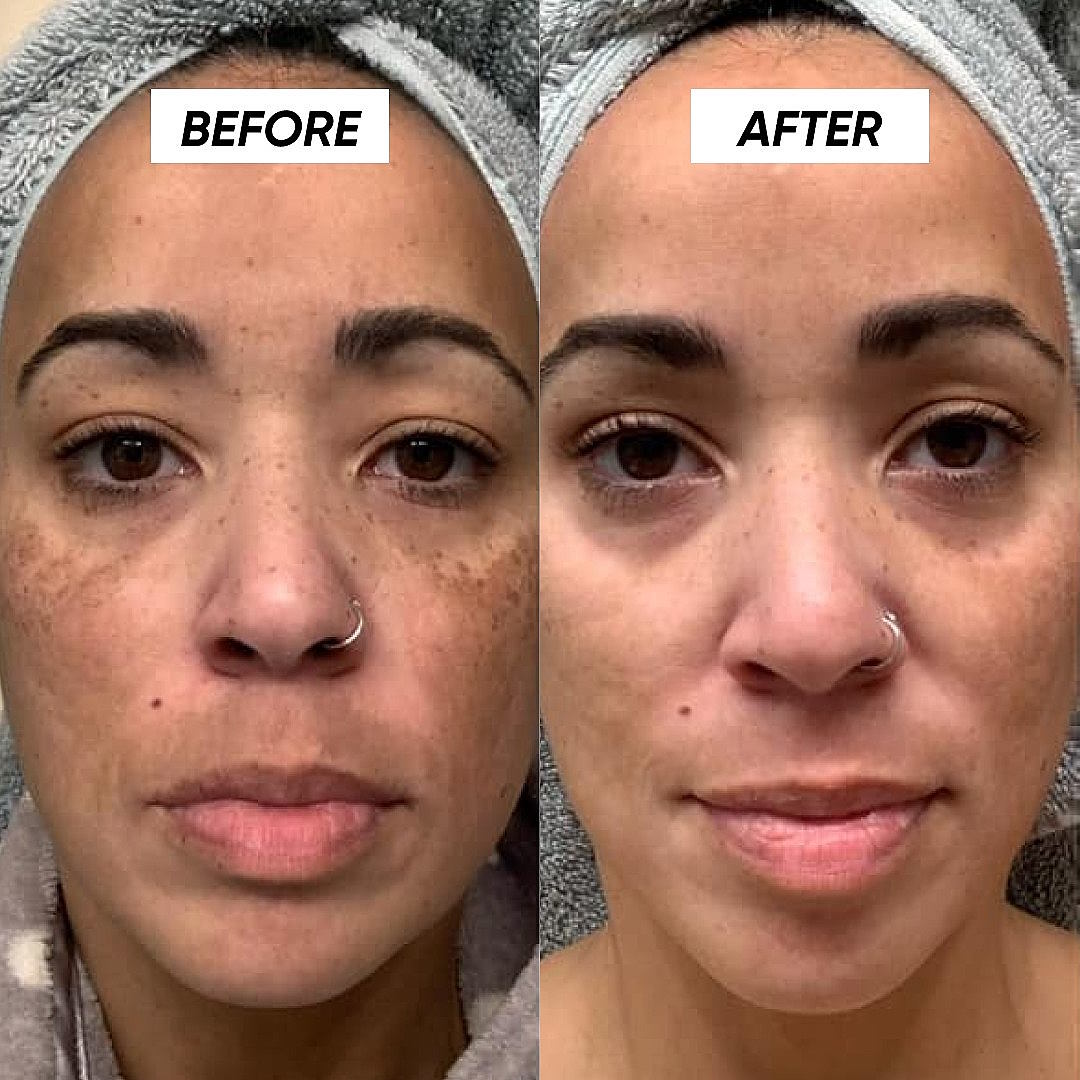
If you have early-stage redness or mild hyperpigmentation, a dermatologist may prescribe topical retinoids like tretinoin. These promote skin cell turnover and can gradually fade discoloration over months.
Important: Retinoids and retinol products are not safe during pregnancy, breastfeeding, or when trying to conceive due to potential birth defects.
Over-the-Counter Retinol Lotions
For less severe cases, retinol-based body lotions (0.1% to 1%) can help. Apply nightly to affected areas, but only after stopping heat exposure. Results take 3 to 6 months and vary by individual.
Avoid using retinol on irritated or broken skin.
When Damage Is Permanent
If the skin has turned brown and the pattern is fixed, complete reversal is unlikely. The focus shifts to:
- Preventing further damage
- Monitoring for skin changes
- Using cosmetic cover-ups if desired
Laser treatments may be explored in rare cases, but evidence is limited.
Prevention: Best Practices for Daily Use
Choose Safer Pain Relief Alternatives
Consider rotating heat therapy with other methods:
- Cold packs for inflammation
- Stretching or yoga for muscle tension
- OTC pain relievers like ibuprofen, used as directed
- Physical therapy for chronic conditions
This reduces reliance on heat and lowers risk.
Use Devices as Intended
Follow manufacturer instructions:
- Do not fold or bunch heating pads
- Replace old or damaged pads
- Use timers and auto-shutoff features
Treat your heating pad like any medical device. Use it responsibly.
Educate High-Risk Households
If you live with elderly relatives or someone with chronic pain, educate them about the risks. Many are unaware that daily heat use can cause skin damage. Post a reminder near the pad: “20 minutes max. Use a towel. No sleeping with heat.”
Frequently Asked Questions About Prolonged Heating Pad Use
Can a Heating Pad Cause Skin Damage?
Yes. Prolonged heating pad use at moderate temperatures (107°F to 113°F) can cause erythema ab igne, also called toasted skin syndrome. This condition results from chronic heat exposure and leads to net-like skin discoloration that may become permanent.
What Does Toasted Skin Syndrome Look Like?
It starts as a faint, red, fishnet-like rash on the heated area. Over time, the redness darkens to brown or grayish-brown. The pattern often matches the shape of the heat source, appearing on the back, abdomen, or thighs.
Is Toasted Skin Syndrome Reversible?
Early-stage redness often fades within several months after stopping heat exposure. However, once the discoloration turns brown, the changes are typically permanent because hemosiderin pigment has deposited in the skin.
Can Heating Pads Cause Cancer?
In rare cases, yes. Long-term untreated erythema ab igne has been linked to squamous cell carcinoma and Merkel cell carcinoma. The risk is low but increases with years of continued heat exposure and DNA damage.
How Long Is It Safe to Use a Heating Pad?
Limit use to 20 minutes per session with at least an hour between applications. Never sleep with a heating pad on, and always place a fabric barrier between the pad and your skin.
Who Is Most at Risk for Toasted Skin Syndrome?
Chronic pain patients, elderly individuals, people with neuropathy, and those with poor circulation face the highest risk. Anyone who uses heating pads daily for hours at a time is also vulnerable.
Key Takeaways for Protecting Your Skin from Prolonged Heating Pad Use
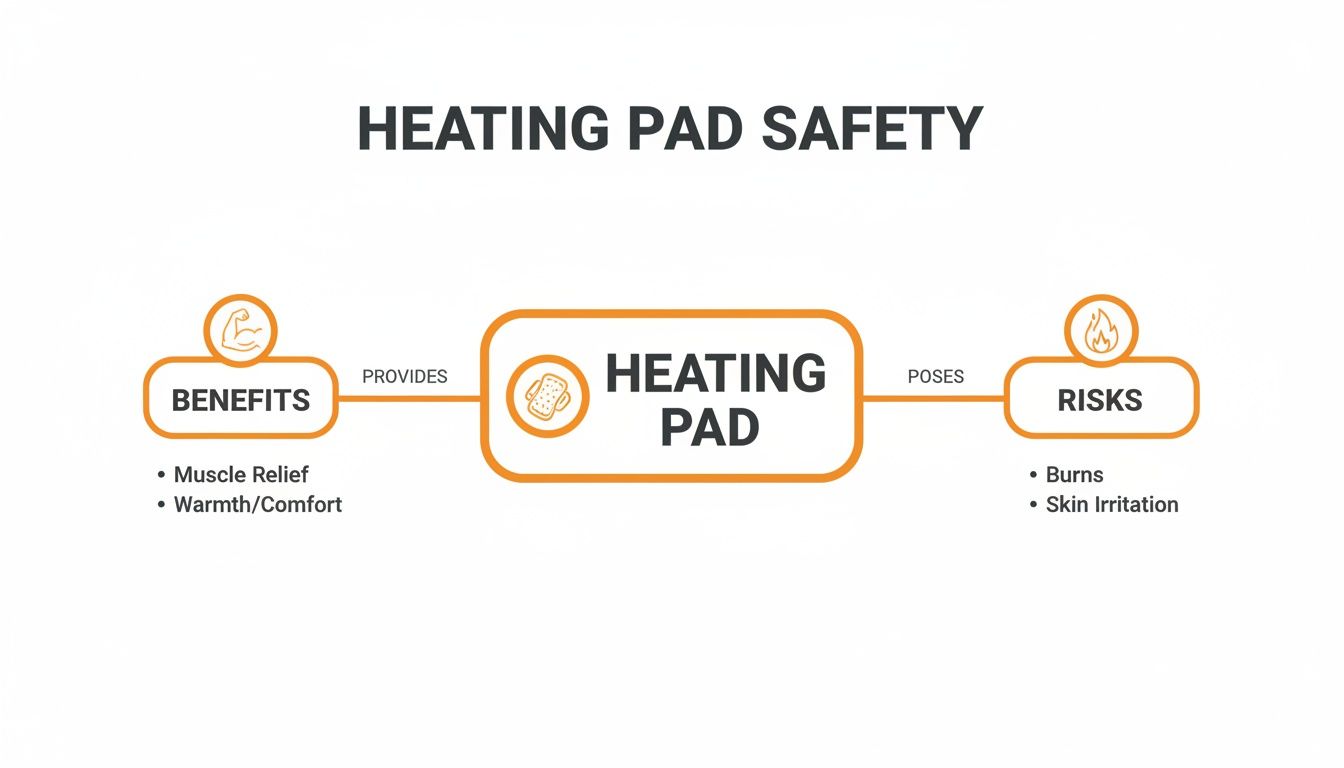
Prolonged heating pad use is a common yet underrecognized cause of skin damage. Erythema ab igne starts silently but can lead to permanent discoloration and rare cancers. The most important steps you can take are simple: limit sessions to 20 minutes, always use a fabric barrier, avoid sleeping with heat sources, and inspect your skin regularly for early warning signs.
If you notice any net-like redness or skin changes, stop heat exposure immediately and consult a dermatologist. Early action gives your skin the best chance to recover. With safe practices, you can continue enjoying the pain relief heat therapy provides without putting your skin’s long-term health at risk.