How to Use Tempur-Pedic Neck Pillow
You’ve probably noticed that waking up with a stiff neck or sore shoulders has become your new normal. Maybe you’ve tried stacking regular pillows, only to wake up feeling worse. The Tempurpedic neck pillow offers a different approach, using NASA-recognized memory foam molded into a contoured wave shape that fills the gap between your neck and mattress. But here’s the catch: this pillow only works when you use it correctly.
This guide breaks down everything you need to know about how to use Tempurpedic neck pillow models effectively. You’ll learn how to measure for the right size, position the pillow properly, handle the break-in period, and keep it clean for years of reliable support. By the end, you’ll know exactly how to turn this ergonomic tool into a nightly solution for neck pain and poor alignment.
Measure and Select Your Correct Pillow Size
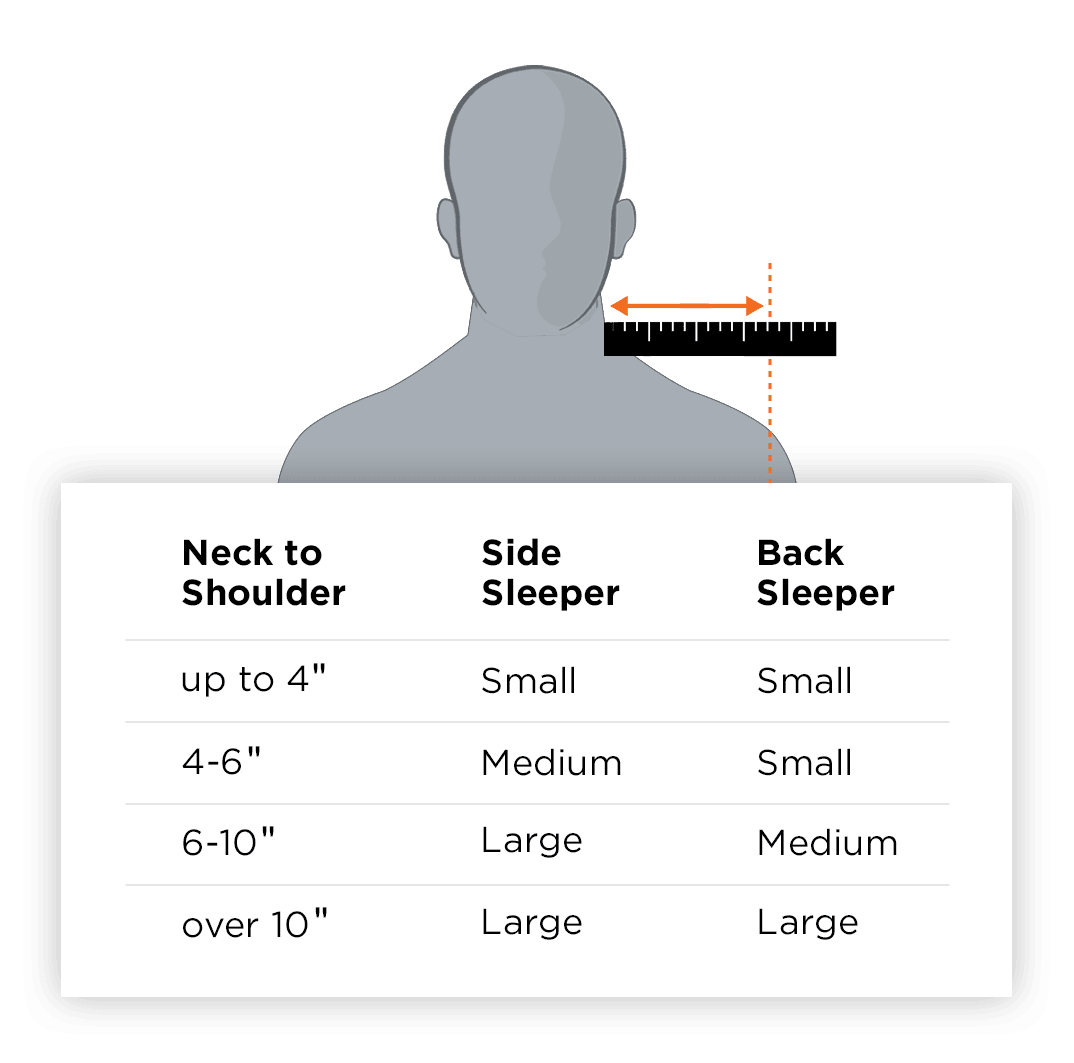
Choosing the right size is the foundation of using your Tempurpedic neck pillow correctly. Because the contoured shape is fixed, the wrong size will misalign your spine instead of supporting it. Size depends on your shoulder width and sleep position, not your height or weight.
Measure Neck-to-Shoulder Distance
Grab a soft tape measure and find the distance from the base of your neck (where it meets your shoulder) to the tip of your shoulder while standing upright. This measurement determines your ideal loft height.
- 4 inches or less: Small size (3.5″ loft)
- 4 to 6 inches: Medium for side sleepers, Small for back sleepers
- 6 to 10 inches: Large for side sleepers, Medium for back sleepers
- Over 10 inches: Large size (4.75″ loft)
All sizes share dimensions of 20 inches by 12.5 inches. The difference lies entirely in loft height, which is the thickness at the highest point of the wave.
Match Size to Sleep Position
Your sleeping position refines your size choice further:
- Back sleepers: Most need Small or Medium. The head rests in the low curve while the neck sits on the high curve.
- Side sleepers: Usually require Medium or Large to fill the space between ear and mattress.
- Stomach sleepers: This pillow is not safe for you. The height forces your neck upward, creating strain and potentially compressing your airway.
A pillow that’s too low lets your head drop backward. One that’s too high cranes your chin toward your chest. Both situations defeat the ergonomic purpose.
Position the Pillow with Correct Orientation

Proper placement is just as important as correct sizing. The Tempurpedic neck pillow has one functional orientation. Flip it wrong, and you lose all the benefits.
Align the Contour with Your Neck
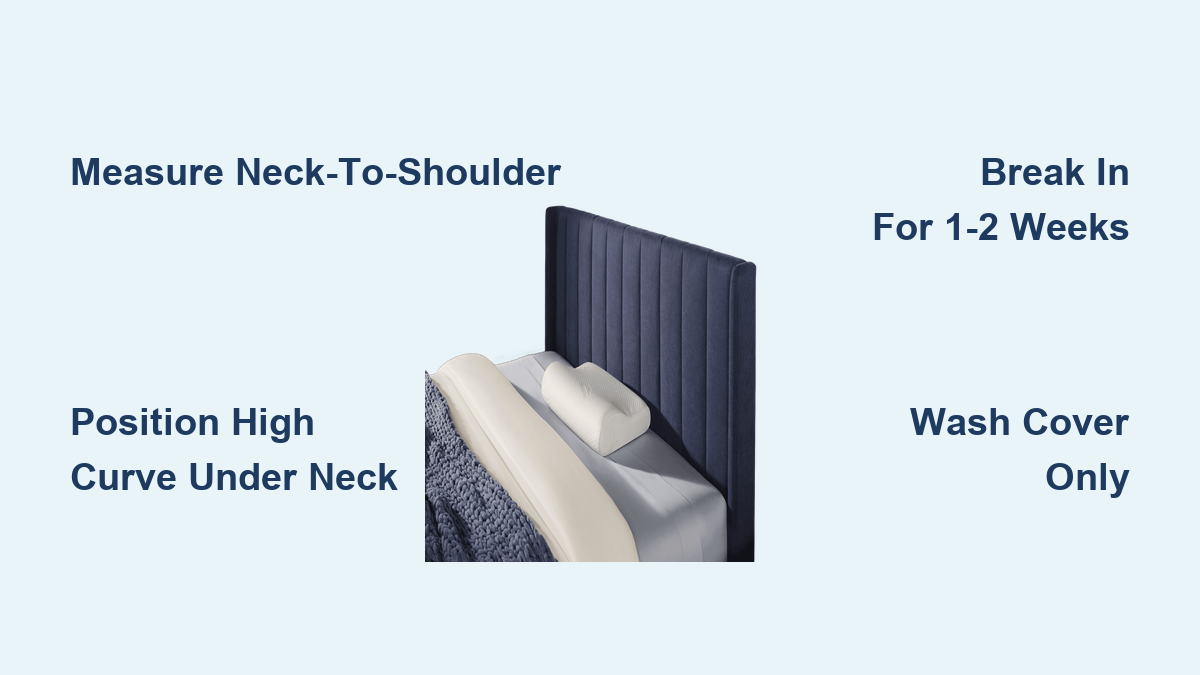
Place the pillow on your mattress with the contoured side facing up. The wave shape has two distinct parts:
- Higher, rounded ridge: Supports your neck
- Lower, flatter depression: Cradles your head
Lie down and slide your neck into the high curve. Your head should rest naturally in the lower section. When positioned correctly, your ears, shoulders, and hips form a straight line. This is neutral spinal alignment.
Warning: Placing the pillow upside down (high curve under your head) tilts your head upward and strains your neck. Always double-check orientation before sleeping.
Verify the Fit
After lying down, run through a quick check:
- Can you breathe easily with your airway open?
- Does your neck feel supported without stretching or compression?
- Is your chin level with your chest, not tucked or lifted?
If any answer is no, reposition the pillow or reconsider your size. The foam doesn’t compress much, so fit must be precise from the start.
Use the Pillow Based on Your Sleep Position

The Tempurpedic neck pillow is optimized for specific sleepers. Using it outside its intended use leads to discomfort rather than relief.
Back Sleepers Get the Best Results
Back sleeping is the ideal position for this pillow. The contour fills the natural gap between your neck and mattress, preventing your head from tilting backward, a common cause of snoring and morning stiffness.
To use it correctly:
- Lie on your back with shoulders flat on the mattress.
- Position the high curve under your neck and the low curve under your head.
- Keep your arms at your sides to avoid shoulder tension.
Many users describe this as a “spa-like” lift: firm yet relieving. You should feel your cervical spine gently supported, not forced into position.
Side Sleepers Need the Right Size
Side sleepers can use this pillow successfully, but only with the correct size. The pillow must fill the space between your ear and shoulder to keep your spine straight.
To use it correctly:
- Choose Medium or Large based on your shoulder width measurement.
- Lie on your side and slide your neck into the high curve.
- Confirm your head stays level with no tilting up or down.
Some side sleepers find the firmness too rigid initially. If your head feels perched or pressure builds on your jaw, you may need a softer pillow alternative.
Stomach Sleepers Should Avoid This Pillow
The Tempurpedic neck pillow is not recommended for stomach sleeping. Its height forces your head upward, twisting your neck unnaturally. This can cause pain, stiffness, and even act as a choking hazard.
If you’re a stomach sleeper, consider switching to back or side sleeping. If that’s not possible, use a very thin, soft pillow or no pillow at all.
Break In the Pillow During the Adjustment Period
Your new pillow may feel firmer than expected during the first couple of weeks. This is completely normal. The TEMPUR material has a dense, closed-cell structure that needs time to open up and respond fully to your body heat and weight.
Expect Initial Firmness
For the first 1 to 2 weeks, the pillow may feel stiff or unyielding. This isn’t a defect. It’s part of the break-in process. Unlike down or shredded foam, memory foam doesn’t offer instant softness. Instead, it gradually softens with consistent use.
Pro Tip: Sit on the pillow for 10 to 15 minutes daily while watching TV or reading. Your body heat and weight help activate the foam faster than sleeping alone.
Allow Time for Full Activation
After a few nights, you’ll notice the pillow feels more responsive. It still won’t sink in like a plush pillow because that’s by design. The goal is support, not softness. Once broken in, the foam contours more precisely to your shape while maintaining firm support.
Avoid comparing it to softer pillows. The Tempurpedic neck pillow is engineered for alignment, not luxury fluffiness.
Clean and Maintain Your Pillow Properly
Proper care extends your pillow’s life and keeps it hygienic. The pillow is built to last years, but only if cleaned correctly. The foam core is sensitive to water and agitation, so missteps can ruin it.
Wash the Cover Regularly
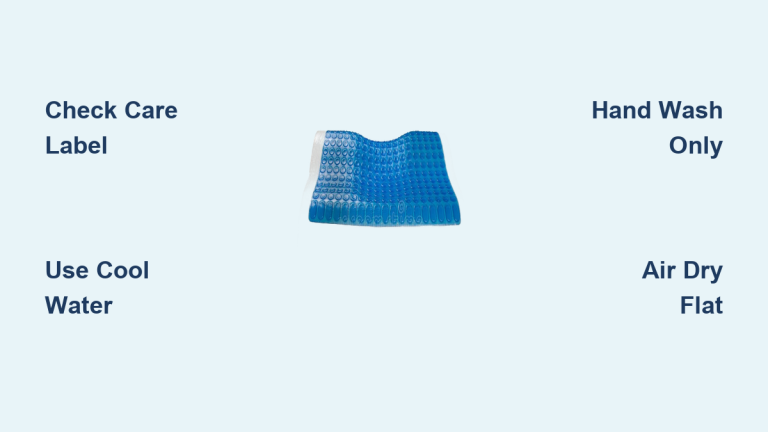
The outer cover is removable and machine washable, a key feature for maintaining cleanliness.
Follow these steps:
- Unzip and remove the cover from the foam core.
- Turn it inside out to protect the zipper.
- Wash in warm water up to 140°F (60°C).
- Air dry or tumble dry on low heat.
Wash every 1 to 2 weeks to remove sweat, oils, and allergens. You can use a standard pillowcase over the cover for added protection.
Never Submerge the Foam Core
The TEMPUR foam core must never be submerged in water or put in a washing machine. Water damages the cell structure, causing loss of support or mold growth.
If you need to spot clean:
- Dampen a cloth with mild soap and water.
- Wring it until almost dry.
- Gently dab the stain without rubbing or soaking.
- Let it air dry completely for 24 to 48 hours before replacing the cover.
Never dry-clean the core or use harsh chemicals on it.
Manage Heat Retention and Initial Odor

While the Tempurpedic neck pillow excels in support, it has two common drawbacks: heat retention and initial off-gassing smell. Both are manageable with the right approach.
Reduce Heat Buildup
Memory foam naturally traps body heat. If you’re a hot sleeper, the pillow may feel warm during the night.
Try these solutions:
- Use a breathable pillowcase made of cotton, bamboo, or TENCEL.
- Keep your bedroom cool, ideally between 65°F and 68°F.
- Choose cooling mattress toppers or moisture-wicking sheets.
- Avoid thick blankets or duvets that trap additional heat.
The pillow doesn’t have cooling gel or ventilation channels, so external cooling methods are essential for temperature regulation.
Eliminate Off-Gassing Smell
New memory foam often has a slight chemical odor from the manufacturing process. This off-gassing is normal and not harmful.
To remove the smell:
- Unpack and remove the cover.
- Let the foam core air out in a well-ventilated room for 4 to 6 hours.
- Avoid direct sunlight, which can degrade the foam over time.
Most users report no noticeable odor. If present, it fades within a day.
Troubleshoot Common Issues
Even with correct use, some problems can arise. Most are fixable with simple adjustments.
Pillow Feels Too Firm
The cause is usually new foam that hasn’t fully broken in. Sit on it daily and allow 2 to 3 weeks of regular use. The cells will open and feel more responsive over time.
Neck Pain Gets Worse
This typically indicates wrong size or incorrect orientation. Re-measure your neck-to-shoulder distance and confirm the high curve is under your neck. If you’re a stomach sleeper, stop using the pillow immediately.
Pillow Feels Too Hot
Heat retention comes from the dense foam structure. Use a cooling pillowcase and lower your room temperature. If heat remains unbearable, consider switching to a latex or gel-infused alternative.
Chemical Smell Persists
Off-gassing may need more ventilation time. Let the core breathe for 24 hours in a dry, ventilated area. Don’t use fans or heaters directly on the foam.
Maximize Long-Term Performance
The Tempurpedic neck pillow is a long-term investment backed by a 5-year limited warranty. With proper care, it can last 5+ years without sagging.
Rotate and Ventilate
Though the pillow has one functional side, remove the cover weekly to air out the foam. This prevents moisture buildup and keeps it fresh.
Avoid Folding or Cutting
Never fold, roll, or cut the pillow. This damages the foam structure and voids the warranty.
Understand the Return Policy
Tempur-Pedic pillows are final sale once opened. No sleep trial is offered. Returns are only accepted for defective units. Choose your size carefully before purchasing.
Frequently Asked Questions About Tempurpedic Neck Pillows
How long does it take to break in a Tempurpedic neck pillow?
Most users need 1 to 2 weeks to adjust to the firmness. The TEMPUR material gradually softens as body heat and weight open the cell structure. Sitting on the pillow for 10 to 15 minutes daily can speed up this process.
Can side sleepers use the Tempurpedic neck pillow?
Yes, but success depends on selecting the correct size. Side sleepers typically need Medium or Large to fill the space between their ear and the mattress. Without proper sizing, the pillow can cause neck strain instead of relieving it.
Why does my Tempurpedic neck pillow feel so firm?
The pillow is designed as extra-firm for maximum support. This firmness is intentional and helps maintain spinal alignment. Unlike plush pillows, it won’t sink in or compress significantly. The feel becomes slightly more responsive after the break-in period.
Is the Tempurpedic neck pillow good for neck pain?
Many users with chronic neck pain, stiffness, or disc issues report significant relief. The contoured shape supports the cervical spine and prevents the head from tilting into positions that cause strain. However, correct sizing is essential for pain relief benefits.
Can I wash my Tempurpedic neck pillow?
Only the cover is machine washable. The foam core must never be submerged in water or put in a washing machine. Spot clean the core with a damp cloth and mild soap if needed, then let it air dry completely.
Does the Tempurpedic neck pillow sleep hot?
Yes, the memory foam core retains heat more than latex or down alternatives. Hot sleepers can mitigate this by using breathable pillowcases, keeping the bedroom cool, and choosing moisture-wicking bedding. The pillow doesn’t feature active cooling technology.
Key Takeaways for Using Your Tempurpedic Neck Pillow
The Tempurpedic neck pillow delivers unmatched support when used correctly, but it demands more attention than a standard pillow. Start by measuring your neck-to-shoulder distance to find the right size. Position the pillow with the high curve under your neck and the low curve under your head. Allow 1 to 2 weeks for the break-in period before judging the feel.
Care for it by washing the cover regularly and spot-cleaning the core only. Manage heat retention with breathable bedding and a cool room. If you experience discomfort, check your size and orientation before assuming the pillow doesn’t work for you.
Your next step: measure your neck-to-shoulder distance tonight and verify your pillow size matches. If you’re still in the buying phase, take that measurement before purchasing, since returns aren’t accepted once the pillow is opened.