How to Wash a Gel Pillow: Quick Steps
You’ve invested in a gel pillow for cooler, more comfortable sleep, so when it starts to feel less fresh, you naturally want to clean it. But washing a gel pillow isn’t like tossing a cotton one in the machine. These pillows contain delicate materials like memory foam and gel layers that can be ruined by heat, harsh detergents, or aggressive handling. If done incorrectly, cleaning can leave your pillow misshapen, smelly, or even unusable.
The good news? With the right method, you can safely refresh your gel pillow and extend its life. Whether it’s stained, odorous, or just due for a deep clean, this guide walks you through every step, from checking care labels to drying without damage. You’ll learn which cleaning methods work, which to avoid, and how to keep your gel pillow performing like new for years.
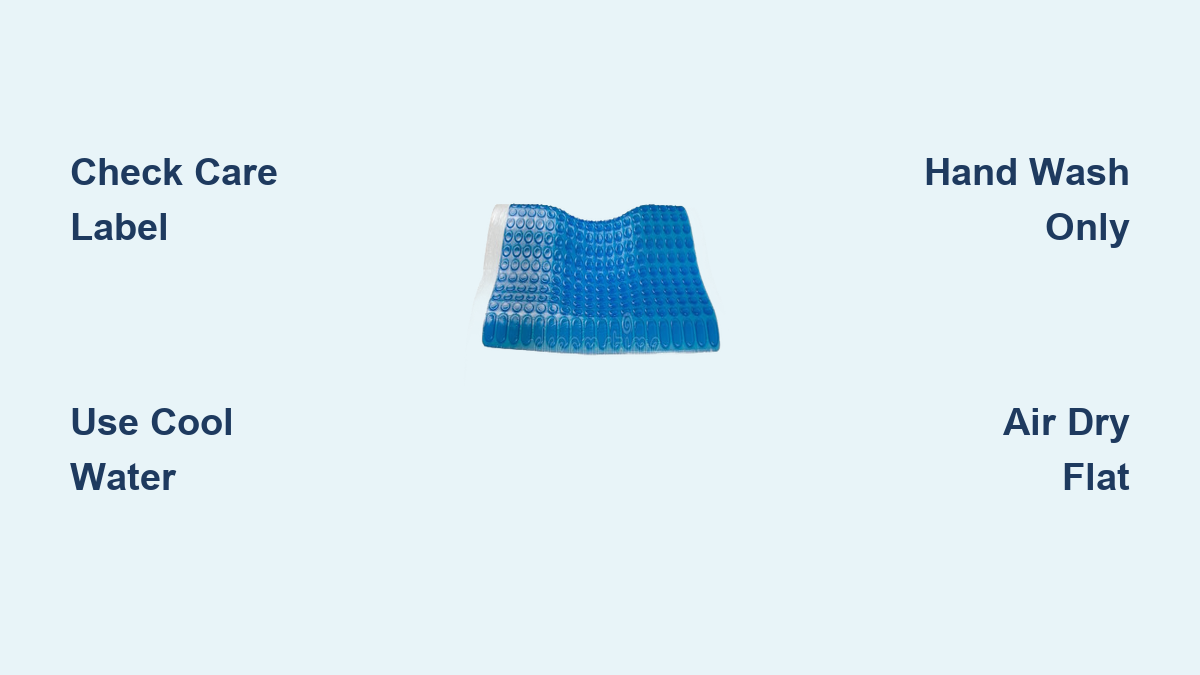
Check the Care Label First
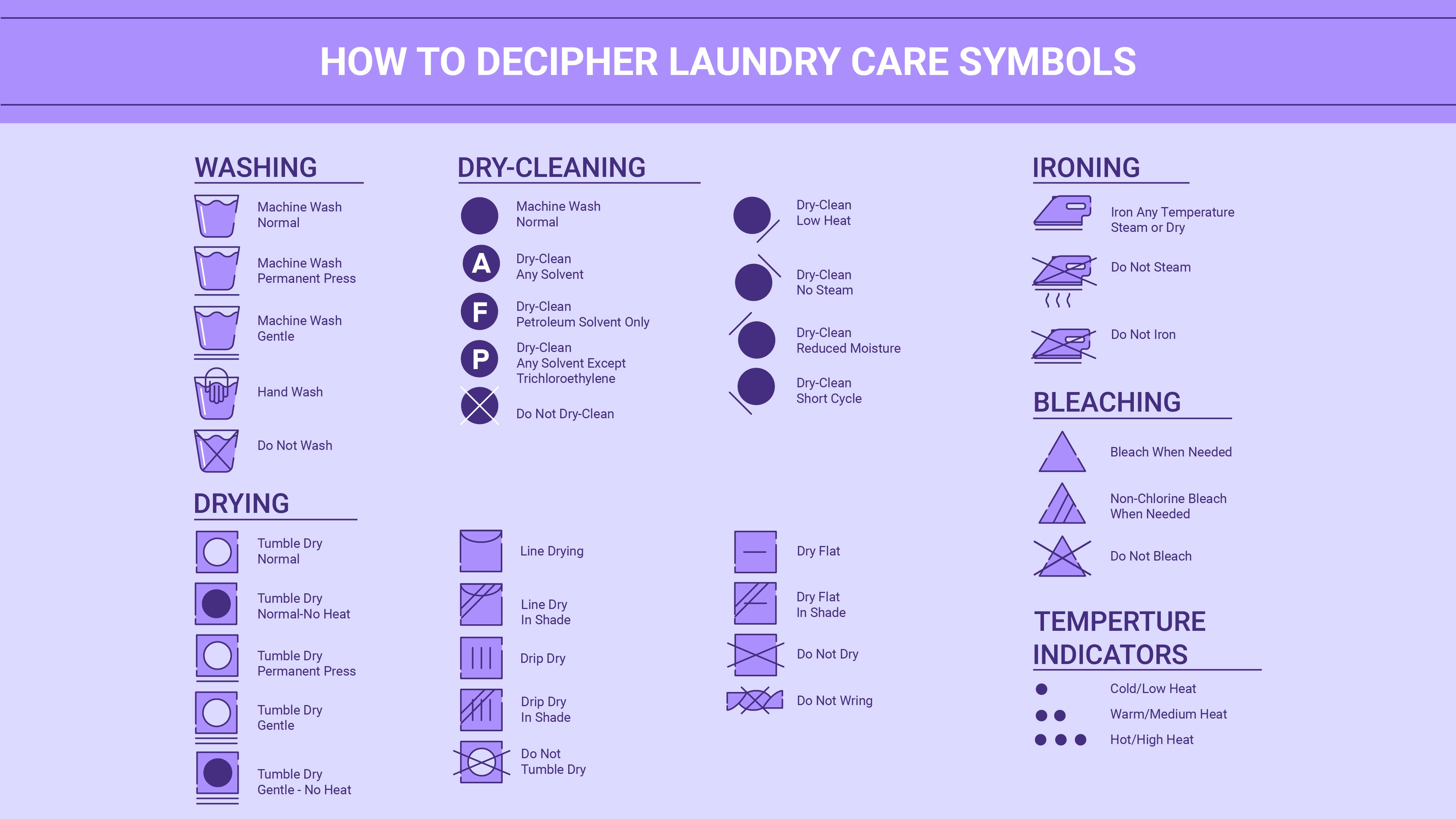
Before any cleaning begins, verify what the manufacturer allows. The care label is your most important tool.
Confirm Cleaning Compatibility
Not all gel pillows can be washed the same way. Some are hand-wash only, others allow machine washing, and a few may not be washable at all. Look for symbols or text indicating:
– Hand washing only
– Machine washable (front-load only)
– Do not immerse
– Spot clean only
Ignoring these instructions risks voiding the warranty or destroying the pillow’s internal structure.
Identify Your Pillow Type
Different constructions require different care:
– Solid gel core: Must be hand washed or spot cleaned
– Gel-infused memory foam: Typically spot clean only
– Shredded gel foam: May be machine washable if labeled
When in doubt, treat it as non-machine-washable to avoid irreversible damage.
Prepare Cleaning Supplies
Use the right tools to clean effectively without causing harm.
Gather Essential Items
You’ll need:
– Mild detergent (free of bleach and fabric softeners)
– Baking soda (for deodorizing)
– Soft sponge or cloth
– Large basin, sink, or bathtub
– Clean towels (for pressing and drying)
– Optional: small soft brush for spot stains
Use Cool Water Only
Hot water breaks down gel and memory foam. Always use cool to lukewarm water, never hot.
Hand Wash Gel Pillows Safely

This is the safest method for most gel pillows, especially solid-core or infused types.
Fill Basin With Soapy Water
Fill a clean sink or tub with enough cool water to submerge the pillow. Add a small amount of mild detergent and mix until fully dissolved. For odor removal, stir in 2–3 tablespoons of baking soda.
Submerge and Soak Gently
Slowly press the pillow into the water. Let it soak for 10–15 minutes. Do not drop or force it down, as this can trap air and damage foam cells.
Clean Without Damage
Gently squeeze the pillow to let soapy water penetrate. Focus on stained areas using a soft sponge.
Never:
– Twist
– Wring
– Scrub aggressively
These actions tear gel layers and collapse foam.
Rinse Thoroughly
Drain soapy water and refill with clean, cool water. Submerge and squeeze repeatedly, 5–7 times, to flush out all soap. Residual detergent stiffens foam and causes odors.
Remove Excess Water
Press gently with your hands to expel moisture. Then:
1. Lay the pillow on a dry towel
2. Roll the towel around it
3. Press down firmly to absorb water
Repeat with a second dry towel if needed.
Machine Wash Only If Allowed

Some shredded gel foam pillows can be machine washed, but only under strict conditions.
Confirm It’s Machine Safe
Check the label. If it says “machine washable,” proceed. If not, do not attempt.
Use a Front-Loading Washer
Top-loading machines with agitators are too harsh. They can rip apart gel layers. Always use a front-loader.
Wash One Pillow at a Time
Add 1–2 towels to balance the load and prevent tumbling damage. Use:
– Cold or lukewarm water
– Gentle or delicate cycle
– Small amount of mild detergent
Add Extra Rinse Cycle
Select an additional rinse if available. Dense foam traps soap easily, so extra rinsing prevents residue buildup.
Spot Clean for Minor Stains
Ideal for gel-infused memory foam or quick spills.
Mix Gentle Cleaning Solution
Combine a few drops of mild detergent with lukewarm water. Or make a paste with baking soda and water for stubborn spots.
Dab, Don’t Rub
Dip a clean cloth into the solution and wring until damp, not wet.
Gently dab the stain. Rubbing pushes dirt deeper and damages foam texture.
Remove Soap Residue
Wipe the area with a separate cloth dampened with clean water. This prevents stiffness and odor.
Air Dry Completely
Let the cleaned section dry fully before using. Place near a fan or open window for faster results.
Dry Without Heat Damage

Improper drying is the number one cause of gel pillow failure.
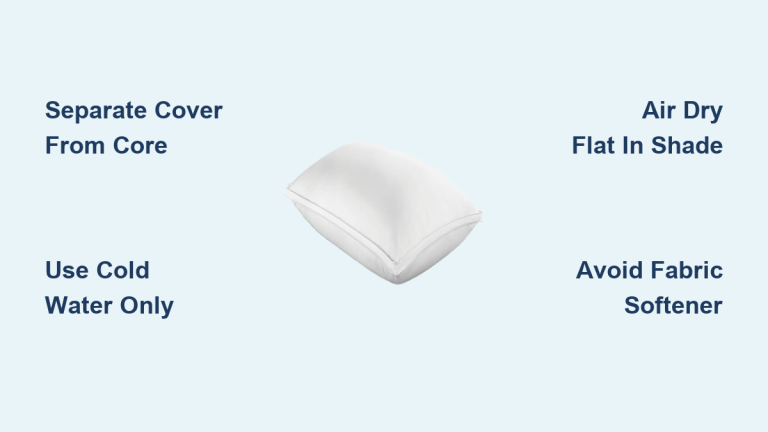
Lay Flat to Air Dry
Place the pillow on a dry towel in a well-ventilated room. Never hang or stand it upright, as it can lose shape.
Flip Every Few Hours
Turn the pillow every 3–4 hours to dry evenly on all sides.
Avoid Direct Sunlight
UV rays and heat degrade gel and foam. Drying in direct sun causes crumbling and deformation.
Never Use a Dryer
High heat melts gel and destroys foam structure. Even low heat settings are risky unless the tag explicitly allows it.
Test for Full Dryness
Before use, check that:
– No dampness remains inside
– No musty smell is present
If in doubt, dry longer. Trapped moisture leads to mold and mildew.
Prevent Damage With Proper Maintenance
Regular care reduces the need for deep cleaning.
Use a Pillow Protector
A zippered, breathable protector acts as a barrier against sweat, oils, and dust. Wash it weekly with your sheets.
Rotate Weekly
Turn the pillow head-to-toe or flip it (if double-sided) to prevent uneven compression.
Air Out Monthly
Remove the cover and let the pillow breathe in a shaded, ventilated area for a few hours.
Replace When Worn
Signs it’s time for a new pillow:
– Doesn’t spring back after pressing
– Has permanent lumps or sagging
– No longer supports neck properly
– Holds odors despite cleaning
Most gel pillows last 2–5 years with proper care.
Avoid These 7 Mistakes

Even small errors can ruin your pillow.
1. Using Hot Water
Melts gel and weakens foam. Always use cool or lukewarm water.
2. Wringing or Twisting
Destroys internal structure. Press gently instead.
3. Skipping the Rinse
Leftover soap stiffens foam and attracts dirt.
4. Machine Washing Without Approval
Can tear gel layers. Only wash in machine if the label says yes.
5. Drying in Direct Sun
Causes foam breakdown and discoloration.
6. Using Harsh Chemicals
Bleach, ammonia, or strong cleaners degrade materials. Stick to mild detergent or baking soda.
7. Over-Cleaning
Too frequent washing wears out foam. Stick to every 3–6 months unless soiled.
Troubleshoot Common Problems
Fix issues before they become permanent.
Pillow Smells Musty After Washing
Cause: Incomplete drying or trapped soap
Fix: Re-rinse and extend drying time. Use baking soda in next wash.
Pillow Feels Stiff or Lumpy
Cause: Harsh detergent or wringing damage
Fix: Re-soak in clean water and gently squeeze. If foam is broken, replacement is needed.
Gel Layer Feels Separated
Cause: Agitation from top-loader or twisting
Fix: Irreversible. In future, hand wash only and never wring.
Follow the Right Schedule
Stay consistent to maximize pillow life.
Weekly
- Wash pillowcase and protector
- Rotate pillow position
Monthly
- Air out pillow (no washing)
- Inspect for stains or odors
Every 3–6 Months
- Deep clean (hand wash or approved machine wash)
- Deodorize with baking soda
Every 2–5 Years
- Replace pillow when support fades
Frequently Asked Questions About Washing a Gel Pillow
Can I put a gel pillow in the washing machine?
Only if the care label explicitly states it is machine safe. Use a front-loading washer on a gentle cycle with cold water and mild detergent. Top-loading machines with agitators can tear gel layers.
What happens if I wash a gel pillow in hot water?
Hot water melts gel components and breaks down memory foam structure. Your pillow may become misshapen, crumbly, or lose its supportive qualities. Always use cool or lukewarm water.
How long does it take for a gel pillow to dry completely?
Drying takes several hours up to a full day, depending on humidity and pillow thickness. Lay it flat on a towel in a ventilated area and flip every few hours. Ensure it is fully dry before use to prevent mold.
Can I use a hair dryer to speed up drying?
No. Direct heat from any source, including hair dryers, weakens gel and foam. Air drying is the only safe method. Place the pillow near a fan for better airflow if needed.
How often should I wash my gel pillow?
Deep clean every 3 to 6 months. Wash pillow protectors weekly and spot clean stains immediately. Over-washing wears out foam faster.
Is baking soda safe for cleaning gel pillows?
Yes. Baking soda is a gentle deodorizer that helps remove odors without damaging foam or gel. Dissolve 2–3 tablespoons in wash water or make a paste for spot treatment.
Key Takeaways for Washing Your Gel Pillow Safely

Washing a gel pillow safely comes down to three core principles: gentle handling, cool water, and thorough air drying. Always begin by reading the care label, since manufacturer guidelines override general advice. When in doubt, hand wash in cool water using mild detergent, rinse multiple times to remove all soap, and lay flat to dry away from direct sunlight. Avoid machine washing, wringing, or heat at all costs, as these are the fastest ways to destroy gel and memory foam. With proper care every 3–6 months and weekly protector washes, your gel pillow will stay cool, supportive, and fresh for its full 2–5 year lifespan.