How to Clean a Cooling Pillow
You bought a cooling pillow to sleep comfortably through hot nights, but now it has stains or a strange smell. Tossing it in the washer might seem like the easiest fix, but that could permanently damage its cooling technology. Many cooling pillows contain sensitive materials like silicone sponge, gel, or phase-change fibers that break down under high heat, harsh detergents, or improper drying. Cleaning one requires more care than a standard pillow. The good news is that with the right method, you can keep your pillow fresh and functional for years. This guide covers how to identify your pillow’s components, clean both the core and cover safely, dry them correctly, and avoid common mistakes that shorten a cooling pillow’s lifespan.
Identify Your Pillow’s Components
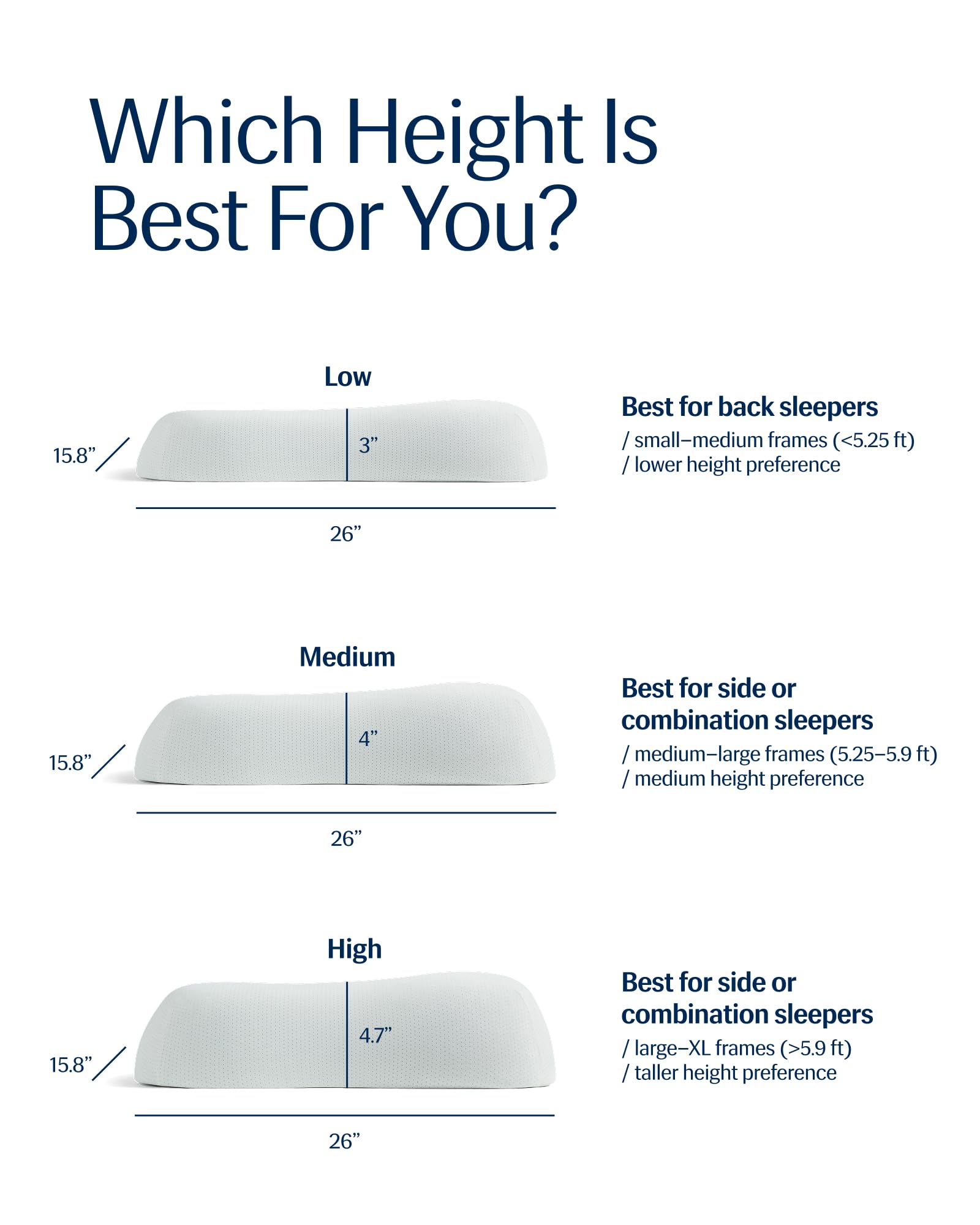
Before cleaning, determine what kind of cooling pillow you own. Most consist of two parts: a removable cooling cover (often made of Evercool® or similar high-tech fabric) and an internal cooling core (typically silicone sponge, gel-infused foam, or phase-change material). Check the care label sewn into the pillow or its original packaging for specifics. Never assume both parts can be washed the same way. Mixing up temperature limits is the fastest way to ruin your pillow. For example, while a silicone core may tolerate hot water up to 140°F (60°C), the cover often has a maximum limit of 85°F (30°C). Washing the cover in hot water can permanently damage its cooling properties. If no label exists, contact the manufacturer or use cold water and air drying to stay safe.
Remove and Separate Components
Take Off the Pillowcase
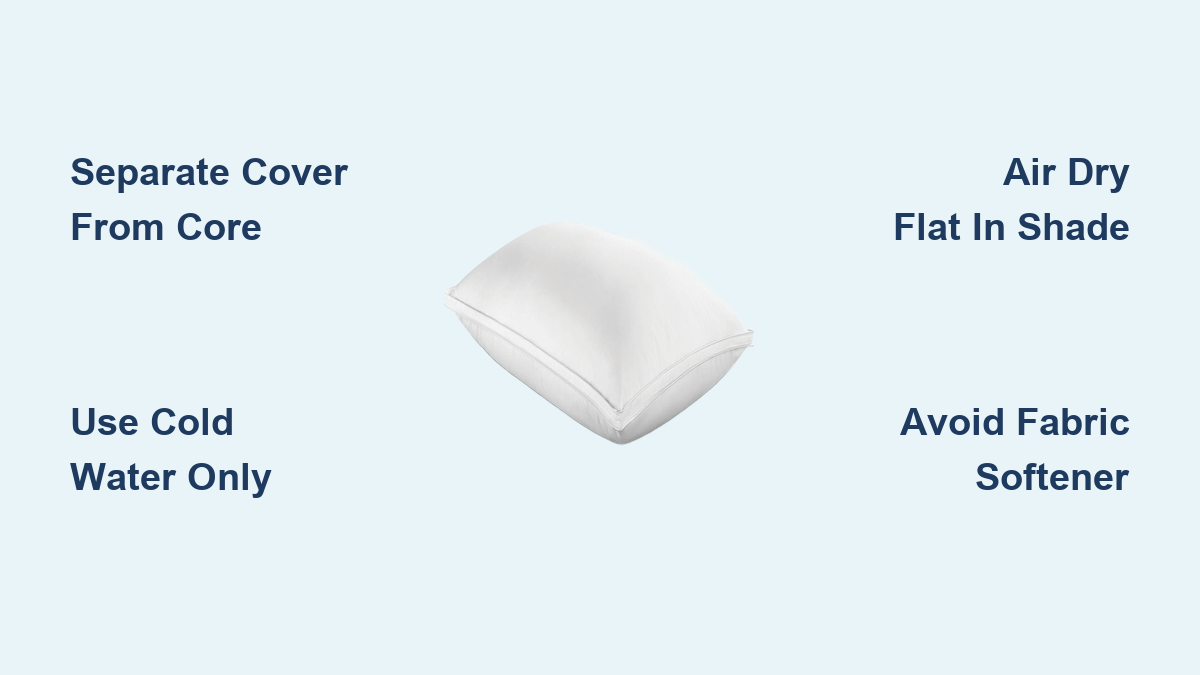
Always remove the pillowcase before cleaning. Most cooling pillows come with zippered, machine-washable covers designed to slide off easily. Leaving the cover on during core cleaning traps moisture and promotes mold growth. Inspect the zipper and fabric for snags before laundering. If your pillow does not have a removable cover, spot clean only. Never submerge the entire unit.
Handle Vacuum-Sealed Pillows Correctly
If your pillow arrived compressed in a vacuum bag, let it fully expand for 24 to 48 hours before first use or cleaning. Compressed materials need time to regain their shape and breathability. Washing a pillow that has not fully expanded can lead to uneven cleaning and structural damage.
Spot Clean for Minor Stains
Blot, Don’t Rub
For small spills or sweat marks, spot cleaning is the safest option. Mix a few drops of mild, pH-neutral detergent with cool water. Dip a clean white cloth into the solution, wring it out well, and gently blot the stained area. Never rub. Rubbing pushes stains deeper and damages internal cooling structures like gel pods or foam cells.
Test First on a Hidden Area
Always test your cleaning solution on a small, inconspicuous part of the pillow or cover first. Some fabrics react poorly to even mild detergents. Wait 10 minutes to check for discoloration or texture changes before proceeding.
Machine Wash the Pillowcase
Use Cold Water Only
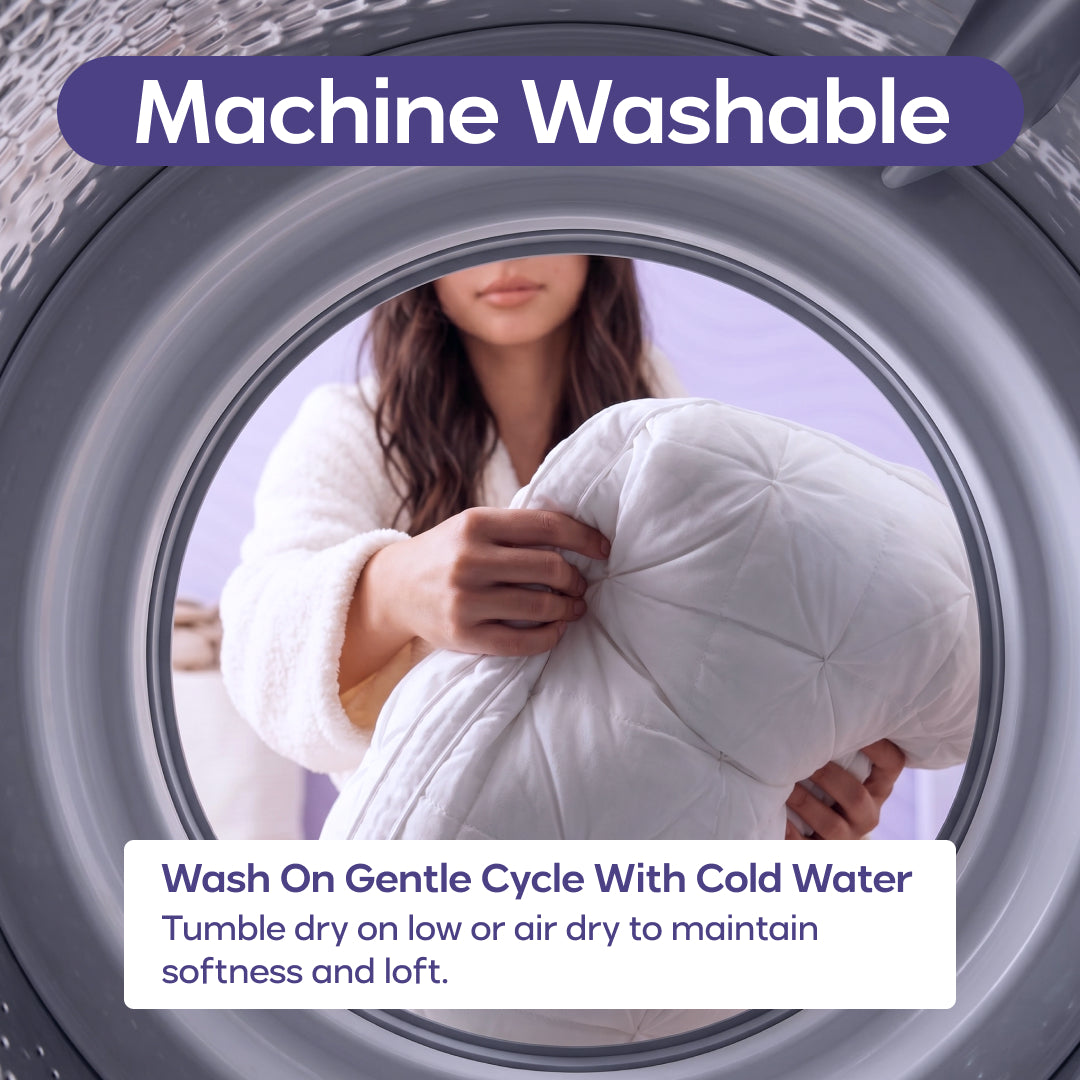
Place the cover in the washing machine alone or with similar light, delicate items. Select the gentle or delicate cycle and use cold water at a maximum of 85°F (30°C). Hot water breaks down the specialized fibers responsible for cooling, leading to a loss of that silky, temperature-regulating feel.
Choose the Right Detergent
Use a mild, pH-neutral detergent. Avoid bleach, chlorine, and strong stain removers. Never use fabric softener. It coats fibers with a waxy residue that blocks airflow and reduces cooling efficiency.
Hand Wash the Cover for Longevity
Gentle Cleaning for Delicate Fabrics
Even if machine washing is allowed, hand washing extends the life of high-performance covers. Fill a basin with cool water and a small amount of mild detergent. Submerge the cover and gently agitate it with your hands. Let it soak for 10 to 15 minutes, then rinse thoroughly with cool water until no suds remain.
Prevent Snagging
Avoid washing the cover with jeans, towels, or anything with zippers or rough textures. These can snag the delicate fabric, especially around the zipper or seams.
Clean the Cooling Core
Machine Wash on Gentle Cycle
If your core is made of silicone sponge, it can typically be machine washed. Use the delicate cycle with hot water up to 140°F (60°C). This higher temperature helps sanitize and restore loft. Confirm your model allows this, since gel or memory foam cores may require different handling.
Use pH-Neutral Detergent
Stick to mild, non-abrasive detergents. Harsh chemicals degrade silicone and other cooling materials over time. Never add bleach or fabric softener.
Hand Wash Option for Sensitive Cores
If unsure about machine washing, or if the core contains gel or phase-change materials, opt for hand cleaning. Use cool water and mild soap. Gently wipe the surface with a damp cloth. Do not soak the core unless explicitly allowed.
Dry the Pillowcase Properly
Tumble Dry on Low or No Heat
After washing, dry the cover on the lowest heat setting or air-dry cycle. High heat damages cooling fibers, causing shrinkage and loss of softness. If using a dryer, remove the cover while slightly damp and finish air drying to prevent over-drying.
Air Dry Flat in the Shade
Lay the cover flat on a drying rack away from direct sunlight. UV rays degrade fabric integrity and fade colors. Never hang it vertically. Hanging can stretch the material out of shape.
Dry the Cooling Core Thoroughly
Tumble Dry on High Heat (If Allowed)
Silicone sponge cores benefit from high-heat tumble drying on a gentle cycle. This restores fluffiness and helps maintain structural integrity. Confirm this is allowed for your model before proceeding.
Air Dry Flat for Even Results
If air drying, lay the core flat in a shaded, well-ventilated area. Flip it halfway through to ensure even drying. Never place it in direct sun or near a heater. Heat can warp the material.
Ensure 100% Dry Before Storage
Moisture trapped inside leads to mold and odors. Wait at least 24 to 48 hours for complete drying, especially for thick cores. Press the center to check for dampness.
Avoid Critical Damage Mistakes

Never Use Bleach or Fabric Softener
Bleach breaks down both silicone and cooling fabrics, weakening their structure. Fabric softener coats fibers with residue, blocking breathability and reducing cooling performance. The result is a stiff, smelly, ineffective pillow.
Don’t Iron or Dry Clean
High heat from irons melts synthetic cooling fibers. Dry cleaning uses harsh solvents that degrade specialized materials. Both methods void most warranties.
No Vacuum Sealing or Folding
Never store your cooling pillow in a vacuum bag or under heavy objects. This permanently compresses the core, destroying its ergonomic support and airflow channels. Always store flat.
Store for Long-Term Performance
Keep in a Cool, Dry Place
Store the pillow in a well-ventilated area away from humidity. Bathrooms or damp basements encourage mold growth. Use a breathable cotton storage bag if needed, but never plastic.
Maintain Shape with Flat Storage
Always store the pillow flat. Folding creates permanent creases that affect sleep comfort and airflow. If you have limited space, stack pillows gently without placing heavy weight on top.
Maintain Cooling Performance
Use a Waterproof Pillow Protector
A cooling-compatible protector shields against sweat, spills, and allergens. It is easier to wash than the pillowcase and reduces how often you need to clean the core. Choose one with breathable fabric to avoid trapping heat.
Wash on a Regular Schedule
Wash the cover every 1 to 2 weeks, depending on use. Clean the core only every 3 to 6 months unless soiled. Overwashing wears down materials faster.
Sort Laundry Carefully
Wash the cover separately or with like colors. Mixing lights and darks can cause color bleeding. Avoid washing with heavy garments that could snag the fabric.
Troubleshoot Common Issues
Pillow Smells Musty
This usually means it was stored damp. Always ensure full dryness before putting it away. If odor persists, air it out in a shaded, breezy area for a day. Do not use baking soda or odor removers unless approved by the manufacturer.
Cooling Feel Is Gone
Likely causes include fabric softener buildup, hot water washing, or degraded materials. Prevent this by following temperature limits and avoiding residue-causing products. Once lost, cooling performance rarely returns.
Pillow Is Lumpy or Flat
This indicates improper drying or storage. If tumble drying did not restore loft, the core may be permanently damaged. Avoid folding and always dry thoroughly.
Cover Is Faded or Shrunken
This is caused by high heat or sun drying. Always use cold water and shade-dry. Once shrunk, the cover may no longer fit properly.
Frequently Asked Questions About Cooling Pillow Care
Can you put a cooling pillow in the washing machine?
You can machine wash most cooling pillows, but you must separate the cover from the core first. The cover typically requires cold water (max 85°F/30°C) on a gentle cycle, while silicone cores can tolerate hot water up to 140°F (60°C). Always check the care label before washing.
What detergent is safe for cooling pillows?
Use a mild, pH-neutral detergent for both the core and cover. Avoid bleach, chlorine, fabric softeners, and strong stain removers. These products degrade cooling fibers and leave residue that blocks airflow.
How often should you wash a cooling pillow?
Wash the cover every 1 to 2 weeks with regular use. Clean the core only every 3 to 6 months unless it becomes visibly soiled. Using a waterproof pillow protector reduces how often deep cleaning is needed.
Why does my cooling pillow feel hot now?
Loss of cooling feel usually results from fabric softener buildup, washing in water that is too hot, or using harsh detergents. These actions coat or damage the temperature-regulating fibers. Once the cooling feel is lost, it typically cannot be restored.
Can you put a cooling pillow in the dryer?
Drying depends on the component. Silicone sponge cores can be tumble dried on high heat to restore loft. Covers must be dried on low or no heat to prevent shrinkage and fiber damage. Air drying flat in the shade works for both.
How do you get stains out of a cooling pillow?
Spot clean stains by blotting (never rubbing) with a cloth dampened in cool water and mild detergent. Test the solution on a hidden area first. For tough stains on the cover, hand wash in cool water and air dry.
Key Takeaways for Cleaning Your Cooling Pillow
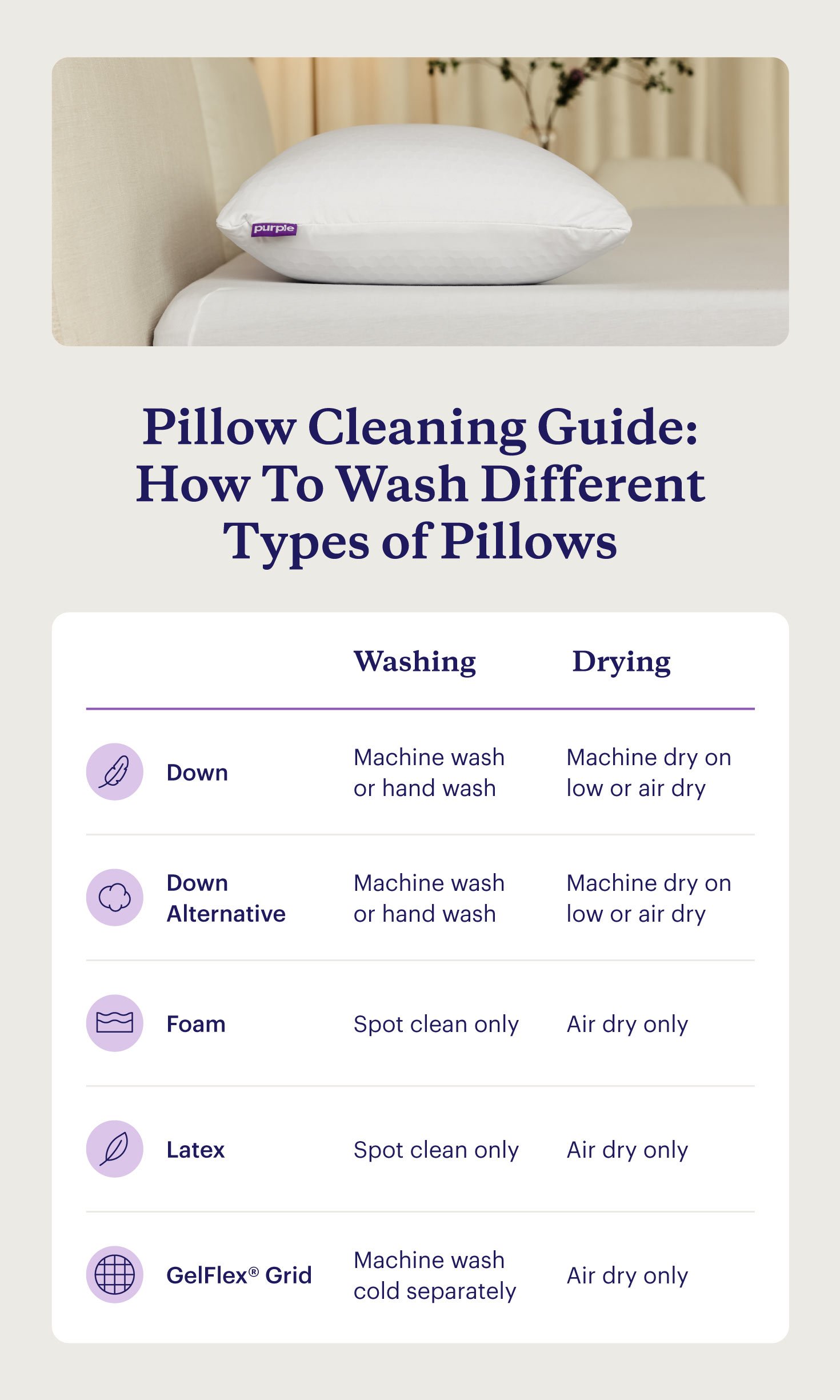
Cleaning a cooling pillow comes down to respecting its materials. Always separate the cover from the core before washing, and never exceed the temperature limits specified for each component. Use only mild, pH-neutral detergent and skip fabric softener entirely. Dry the cover on low heat or air dry flat in the shade, and confirm the core is 100% dry before storing it flat in a cool, ventilated space. When in doubt, consult the care label or contact the manufacturer. Start by checking your pillow’s label today, then set a simple cleaning schedule to keep it fresh, cool, and supportive for years to come.