How to Make Aromatherapy Heating Pads
Have you ever wanted a natural way to soothe sore muscles, ease stress, or calm menstrual cramps? Aromatherapy heating pads combine the therapeutic benefits of heat with the mood-boosting power of essential oils, offering a drug-free solution for pain and relaxation. Unlike electric heating pads, these reusable, fabric-based pads use microwavable heat and infused scents to deliver comfort exactly where you need it.
The best part? You can make your own aromatherapy heating pad at home in under an hour using simple, non-toxic materials. Whether you want a lavender-scented pad for bedtime relaxation or a eucalyptus-infused wrap for sinus relief, customizing your own is easy, affordable, and safe. This guide walks you through every step, from choosing the right fabric and fillers to selecting essential oils for specific benefits.
Choose Your Fabric Wisely
Pick Soft, Natural Cloth
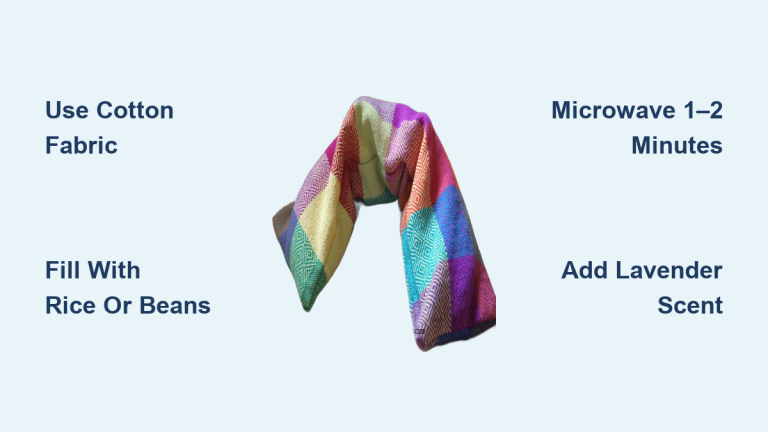
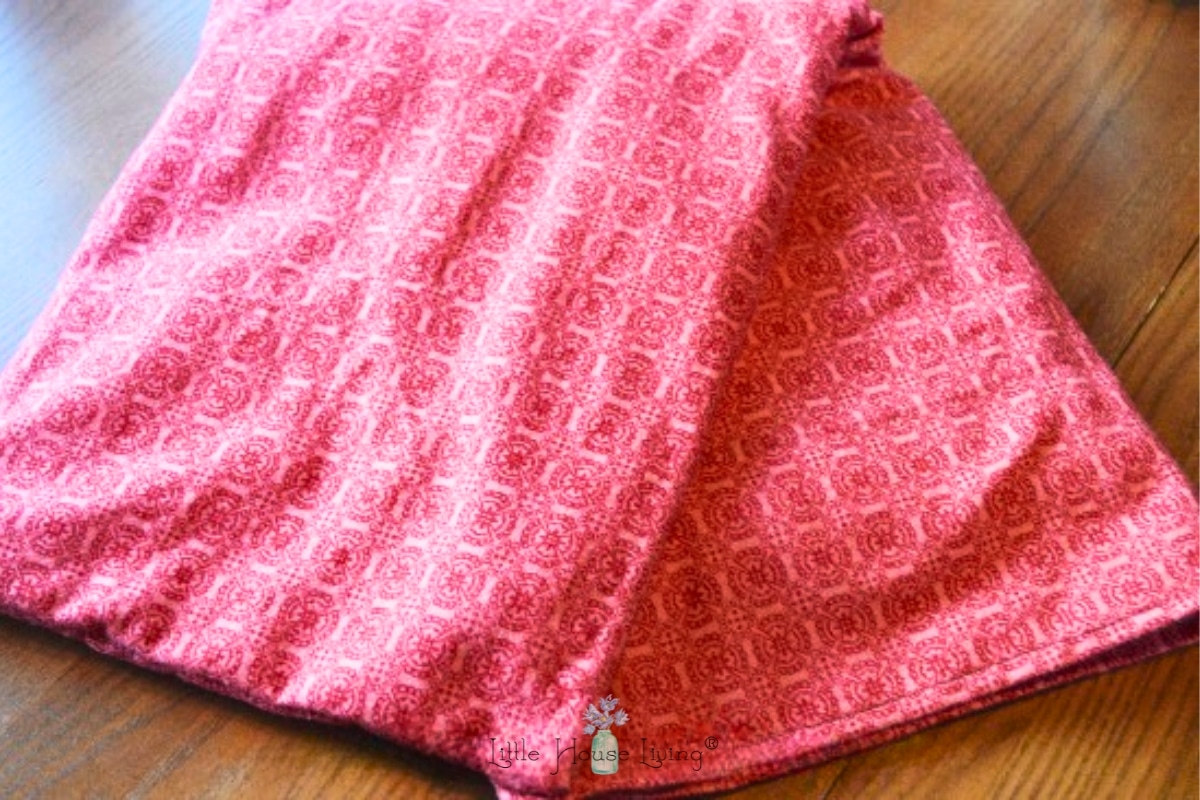
Use 100% cotton, flannel, or fleece for outer and inner layers. These fabrics are breathable, microwave-safe, and gentle on skin. Avoid synthetic materials like polyester, which can melt or release fumes when heated.
Cut two identical pieces of fabric in your desired shape. A rectangular 8”x12” size works well for neck and back use, while smaller 6”x6” squares are ideal for eyes or joints.
Reinforce Seams for Durability
Place the fabric pieces together with the printed sides facing inward. Sew around the edges with a ½-inch seam allowance, leaving a 2–3 inch gap on one side for filling. Use a straight stitch and reinforce the corners to prevent tearing over time.
After sewing, turn the pad right-side out through the opening. Use a blunt tool like a chopstick to push out corners gently. Press flat with an iron on low heat to prepare for filling.
Select the Right Fill Material

Use Dried Grains or Herbs
The most effective filler for homemade heating pads is uncooked long-grain rice. It retains heat well, is inexpensive, and widely available. Alternatives include:
- Wheat berries
- Lentils
- Cherry pits (cleaned and dried)
- Dried flaxseed
Avoid instant rice or anything with additives, as these may burn or emit odors when microwaved.
Mix in Dried Botanicals
For added aroma and therapeutic effect, blend in dried herbs like:
- Lavender buds for calming, sleep-supportive benefits
- Chamomile flowers for anti-inflammatory, soothing properties
- Rose petals for mood-enhancing, romantic effects
- Peppermint leaves for cooling, headache-relieving relief
Use a ratio of 90% grain to 10% botanicals to prevent burning and ensure even heat distribution.
Add Essential Oils Safely
Choose Therapeutic-Grade Oils
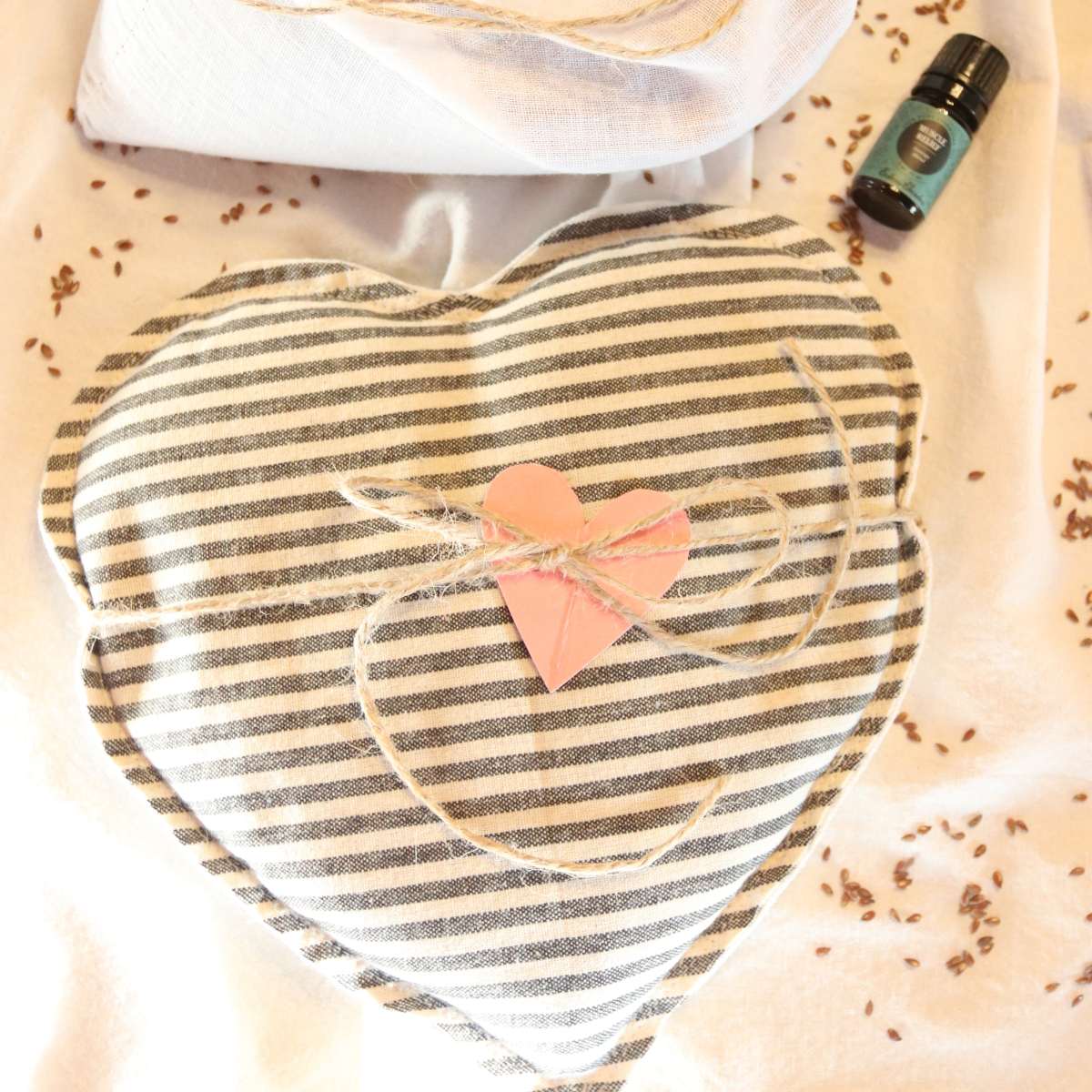
Essential oils enhance the aromatherapy benefits of your heating pad. Always use high-quality, pure essential oils, never fragrance oils, which may contain synthetic chemicals.
Popular blends by purpose:
- Relaxation: Lavender, Roman chamomile, bergamot
- Energy boost: Sweet orange, lemon, peppermint
- Respiratory relief: Eucalyptus, tea tree, rosemary
- Pain relief: Marjoram, ginger, black pepper
Apply Oils to Fabric, Not Fill
Never add essential oils directly to the dry filler. This can create hot spots and increase fire risk. Instead:
- Place the empty fabric sleeve on a clean surface.
- Add 10–15 drops of essential oil to the center.
- Use a cotton swab or small cloth to spread the oil in a thin, even circle (3–4 inches wide).
- Let the oil absorb for 10–15 minutes before adding filler.
This method ensures safe, consistent scent release when heated.
Fill and Seal the Pad

Pour in the Dry Mixture
Using a funnel or folded paper cone, pour your grain-and-herb blend into the open end of the fabric sleeve. Fill to about ¾ full, since overfilling can cause uneven heating or strain seams.
Gently shake the pad to distribute contents evenly. The filler should be about 1–1.5 inches thick when settled.
Close with a Secure Stitch
Fold the raw edges of the opening inward and pin closed. Sew the gap shut using a tight whipstitch by hand or a straight stitch by machine. For extra durability, run a second line of stitches across the seam.
Optional: Add a small loop of ribbon or fabric to one corner so the pad can be hung for storage or gifting.
Customize for Specific Uses
Neck and Shoulder Relief Pad
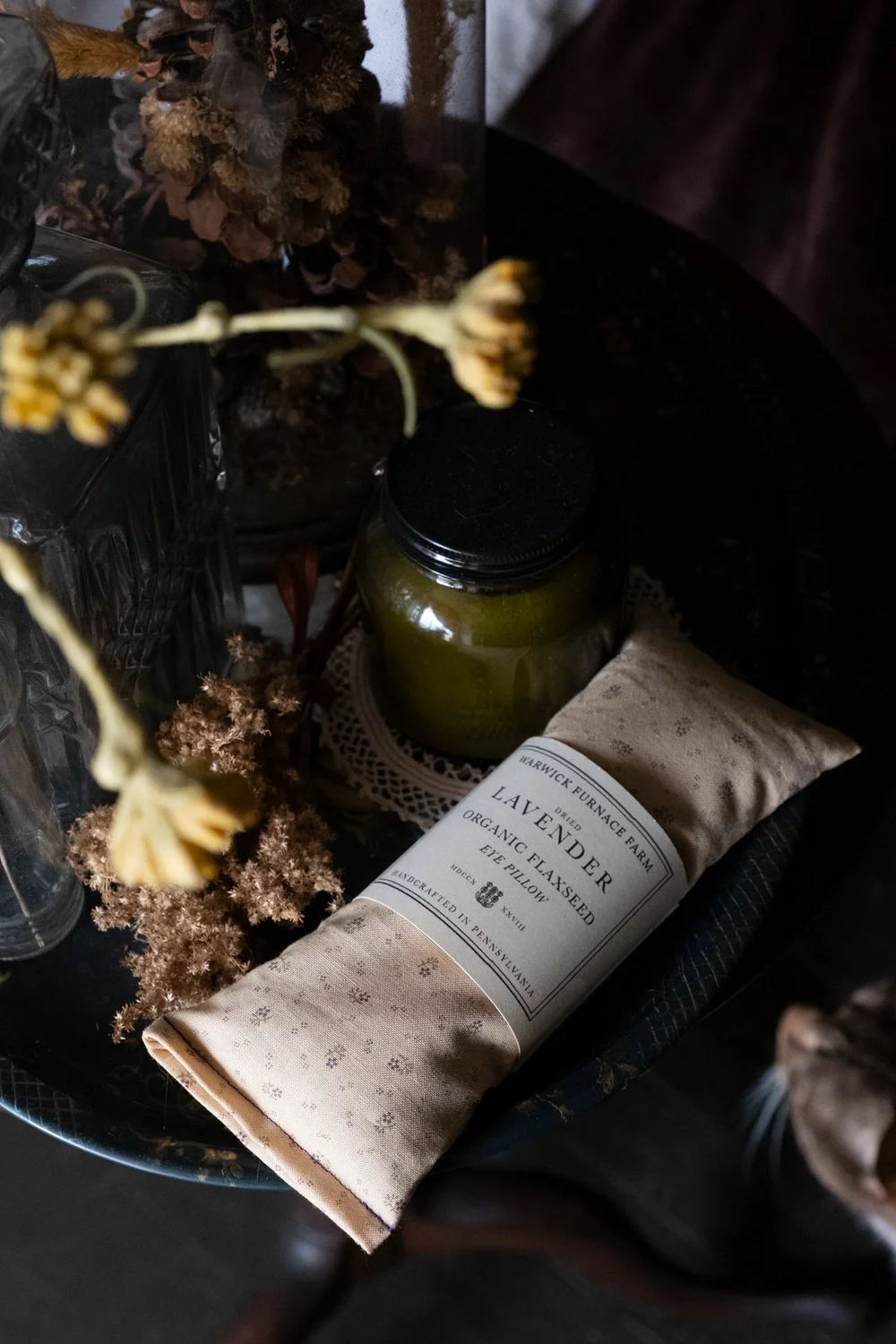
Make a longer, narrower pad (10”x16”) to drape over stiff shoulders. Fill with rice, lavender buds, and 10 drops of lavender oil. Heat for 1.5–2 minutes in the microwave.
Pro Tip: Slightly dampen a corner with water before heating to create moist heat, which penetrates deeper into muscle tissue.
Eye Pillow for Sleep
Create a smaller (4”x8”), contoured pad shaped like a half-moon. Use flaxseed as the base since it heats more gently than rice. Add chamomile with 8 drops of Roman chamomile oil.
Cool in the freezer for 20 minutes to use as a calming eye compress for migraines or puffy eyes.
Menstrual Cramp Soother
Use a square pad (8”x8”) filled with rice, dried marjoram, and a blend of 5 drops clary sage plus 5 drops ginger essential oil. These oils help relax uterine muscles and reduce discomfort.
Heat in 30-second intervals until warm, not hot, to avoid skin irritation.
Heat and Use Safely
Microwave Guidelines
Always use a microwave-safe container and follow these steps:
- Place pad on a microwave-safe plate.
- Heat on high for 1 minute.
- Flip the pad over.
- Heat for another 30–60 seconds, depending on microwave wattage.
- Test temperature on your inner wrist before applying.
Never exceed 2 minutes total heating time. Overheating can scorch the grains or ignite the fabric.
Safety Warnings
- Never leave unattended while microwaving.
- Do not use on broken or numb skin.
- Keep away from children and pets.
- Discard if you smell burning or notice discoloration.
If the pad develops a musty odor or clumps form in the filler, it may have absorbed moisture. Replace the contents immediately.
Refresh and Maintain
Re-Scent Over Time
The aroma will fade after several uses. To revive it:
- Add 3–5 drops of essential oil directly to the fabric surface.
- Let absorb for 15 minutes before reheating.
- Avoid oversaturating, since too much oil can stain or degrade fabric.
Clean Gently
Most aromatherapy pads cannot be washed due to the grain filler. Instead:
- Spot clean with a damp cloth and mild soap.
- Air dry completely before reuse.
- Store in a cool, dry place in a breathable cotton bag.
For longer shelf life, add a few drops of tea tree oil during construction. Its natural antifungal properties help prevent mold.
Explore Creative Variations
Seasonal Scented Pads
Switch up your oils and herbs to match the season:
- Winter: Cedarwood, orange, cinnamon (add whole cloves for spice)
- Spring: Geranium, neroli, dried rose
- Summer: Peppermint, lemon balm, lemongrass
- Fall: Clove, patchouli, dried apple slices
Rotate pads like you would seasonal decor for a fresh sensory experience.
Gift-Ready Presentation
Make a set of mini pads (eye pillow, hand warmer, joint wrap) in festive fabric. Include care instructions and a note listing the oils used.
Wrap in tissue paper with a spritz of matching room spray for an instant aromatherapy gift.
Frequently Asked Questions About Aromatherapy Heating Pads
How long do DIY aromatherapy heating pads last?
With proper care, a handmade heating pad can last 1–2 years. The scent will fade over time, but you can refresh it by adding more essential oils. Replace the filler if it develops a musty smell or clumps together from moisture exposure.
Can I wash my heating pad in the washing machine?
No, most aromatherapy heating pads should not be machine washed because the grain filler can absorb water, clump, and develop mold. Spot clean only with a damp cloth and mild soap, then air dry completely before storing or reheating.
Which essential oils are safest for sensitive skin?
Gentle oils like lavender, Roman chamomile, and rose are well-tolerated by most skin types. Always dilute essential oils properly and test on a small skin area first. Avoid citrus oils if you plan to use the pad in direct sunlight afterward.
How hot does a microwaved heating pad get?
A properly heated pad should feel warm and comforting, not scalding. Always test on your inner wrist before applying to muscles or joints. If it feels too hot, let it cool for 30–60 seconds before use.
Can I use dried herbs instead of essential oils?
Yes, dried herbs like lavender buds and chamomile flowers provide mild natural fragrance and added visual appeal. However, essential oils deliver stronger, more targeted aromatherapy benefits. Combining both gives the best results.
Key Takeaways for Making Your Own Aromatherapy Heating Pad
Making your own aromatherapy heating pad is a simple, rewarding project that merges craft, wellness, and self-care. With the right materials and safe practices, you can create a personalized heat therapy tool that supports relaxation, pain relief, and emotional balance, naturally.
Start with a basic rice-filled pad using cotton fabric and lavender oil, then experiment with different shapes, herbs, and scent blends as you gain confidence. Your first pad will likely take under an hour, and each one after that gets faster. Gather your supplies today and enjoy the warmth of handmade healing.