
How to Use a Heating Pad on Knee
If your knee feels stiff, achy, or tight, especially in the morning or after sitting for long periods, you’ve likely considered heat therapy. A heating pad can be a powerful tool to ease discomfort, improve flexibility, and support healing. But using a heating pad on the knee the wrong way can increase pain or even cause burns. The key lies in knowing when to apply heat, how long to use it, and which safety steps to follow.
This guide walks you through everything you need to know. You’ll learn when heat is the right choice, how to apply it correctly, and how to avoid common mistakes. Whether you’re managing arthritis, post-exercise tightness, or everyday joint stiffness, you’ll gain practical knowledge for safe and effective relief.
Understand How Heat Therapy Works on the Knee
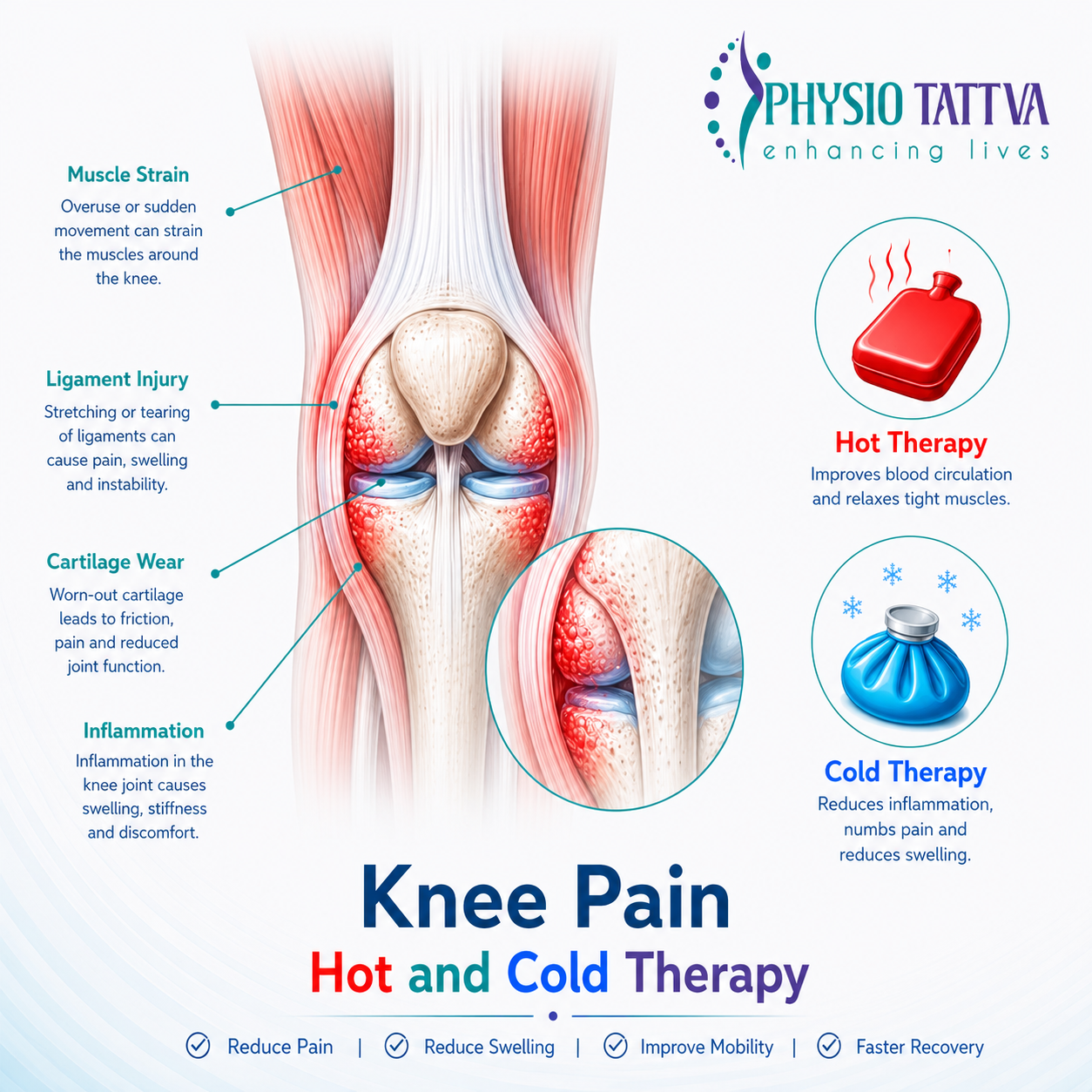
Before reaching for a heating pad, it helps to understand what heat actually does inside your body. This knowledge makes it easier to decide when heat is helpful and when it can cause harm.
Heat Increases Blood Flow and Relaxes Muscles
Heat therapy works by dilating blood vessels, which boosts circulation in the affected area. This delivers more oxygen and nutrients to damaged tissues, speeding up healing. Heat also relaxes tight muscles and stops spasms, making movement easier and less painful.
Heat Is Not for Swollen or Inflamed Joints
Because heat expands blood vessels, it can increase fluid buildup in an already swollen joint. If your knee is inflamed, applying heat will likely make things worse. Cold therapy is the correct choice in those situations.
Know When to Use Heat on Your Knee
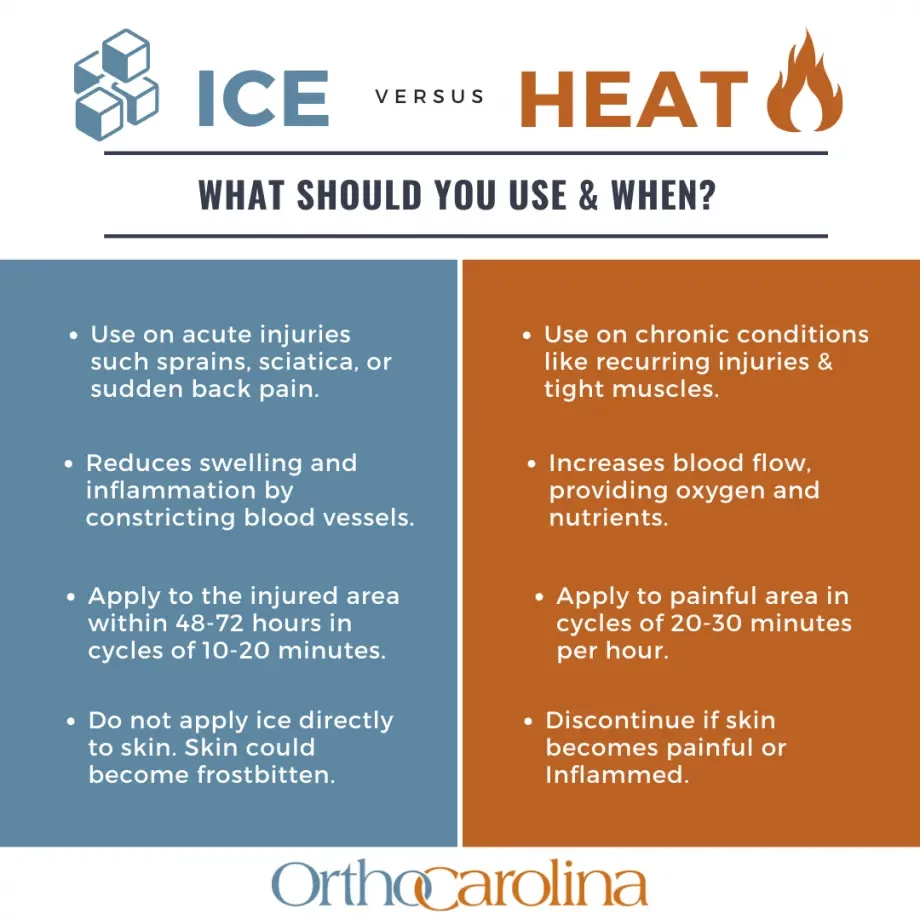
Timing is everything. Using heat at the wrong stage of an injury can delay healing rather than support it.
Use Heat for Chronic Pain and Stiffness
Heat is ideal when:
– The knee is not swollen
– Pain is ongoing, such as from arthritis or fibromyalgia
– Joints feel stiff or tight
– Muscles around the knee are tense or in spasm
You can apply heat as soon as pain begins in these situations.
Avoid Heat During Acute Injuries
Do not use a heating pad if:
– The knee is swollen, red, or warm to the touch
– Pain started within the last 24 to 72 hours
– You’ve just injured the joint or finished intense exercise
In these cases, ice is required first to control inflammation. Heat should only be introduced once swelling has completely resolved.
Follow the Heat vs. Ice Decision Rule
If you’re unsure which therapy to choose, this simple framework removes the guesswork.
First 24 to 72 Hours: Use Ice
After a sudden injury or flare-up:
– Apply ice for 20 minutes, then remove it for 20 minutes
– Repeat several times throughout the day
– Always wrap ice in a towel to protect your skin
Ice reduces swelling by constricting blood vessels and numbs the area to relieve pain.
After Swelling Subsides: Switch to Heat
Once the knee looks and feels normal again:
– Begin heat therapy to loosen tissues and restore mobility
– Apply for 10 to 20 minutes per session
– Combine with gentle movement for best results
Apply the Heating Pad with the Right Technique

Correct application maximizes benefits and minimizes risks like burns or rebound inflammation.
Set the Correct Duration
- Limit each session to 10 to 20 minutes
- Start with 10 minutes if you’re new to heat therapy
- Repeat every 2 to 3 hours as needed
✅ Pro Tip: Always use a timer. Falling asleep with a heating pad on can cause serious skin damage.
Choose a Safe Temperature
- Begin on the lowest or medium setting
- Increase gradually only if it feels comfortable
- Stop immediately if your skin turns bright red or pain increases
The goal is soothing warmth, not intense heat.
Use a Protective Barrier
- Place a thin towel between the heating pad and your skin
- This prevents direct contact and reduces burn risk
- Check your skin every 5 minutes during use
Explore Alternative Heat Sources
If you don’t have an electric heating pad, several other options deliver effective warmth.
Hot Water Bottle
- Fill with warm (not boiling) water
- Wrap in a cloth before applying
- Use for 15 to 20 minutes
Microwaved Washcloth
- Dampen a clean cloth and wring out excess water
- Microwave for 30 seconds
- Test the temperature before placing it on your knee
- Reheat in 5-second bursts if needed
Warm Bath or Shower
- Keep water between 92°F and 100°F (33°C to 37.8°C)
- Soak for 15 to 20 minutes
- Gently move your knee to improve flexibility
⚠️ Avoid scalding water. Older adults and people with nerve sensitivity should be especially cautious.
Combine Heat with Gentle Movement
Heat therapy works best when paired with light activity. Warming the tissue first makes stretching safer and more effective.
Warm Up Before Stretching
- Apply heat for 15 minutes
- Follow with simple range-of-motion exercises:
- Heel slides
- Straight leg raises
- Seated knee extensions
This combination improves flexibility faster than heat alone and helps reduce morning stiffness.
Prevent Burns and Skin Damage

Burns from heating pads are more common than most people realize, especially for those with diabetes, neuropathy, or reduced skin sensitivity.
Essential Safety Practices
- Never sleep with a heating pad on
- Always use a towel barrier between the pad and skin
- Inspect your skin regularly during use
- Stop immediately if you notice:
- Bright redness
- Burning or tingling sensations
- Increased pain
❗ Warning: Choose heating pads with auto-shutoff features and FDA clearance to reduce overheating risks.
Avoid These Common Heating Pad Mistakes

Small errors can reduce effectiveness or cause harm. Watch out for these frequent missteps.
Leaving the Pad On Too Long
More time does not equal better results. Stick to the 20-minute maximum to avoid burns and rebound swelling.
Using Heat on a Swollen Knee
Heat increases blood flow, which can worsen inflammation. Always confirm swelling is gone before applying heat.
Applying Direct Heat to Skin
Never place a heating pad directly on bare skin. A cloth barrier is essential.
Ignoring Pain Signals
Heat should feel soothing. If it causes pain, remove the pad immediately.
Using Damaged Equipment
Inspect cords and pads before each use. Replace any unit that shows fraying, cracking, or inconsistent heating.
Use the RICE Method for Acute Injuries
For recent injuries, heat comes later. Start with the RICE protocol:
- Rest: Avoid activities that stress the knee
- Ice: Apply for 20 minutes on, 20 minutes off, during the first 72 hours
- Compression: Use a knee sleeve to limit swelling
- Elevation: Prop your leg above heart level when resting
Once swelling disappears, introduce heat to support recovery.
Know When to See a Doctor
Heat therapy is designed for mild to moderate knee discomfort. Seek medical attention if:
- Pain does not improve after 3 to 5 days of proper heat or ice use
- Swelling persists or returns after going away
- You experience severe pain, joint instability, or inability to bear weight
- Skin reactions develop, such as blisters or rashes
A healthcare provider can identify underlying issues like meniscus tears, ligament damage, or advanced arthritis that require more than home treatment.
Quick Reference Guide for Heating Pad Use
| Guideline | Recommendation |
|---|---|
| Best for | Stiffness, chronic pain, muscle tightness |
| Avoid if | Swelling or acute injury (first 24–72 hours) |
| Duration | 10 to 20 minutes per session |
| Frequency | Several times daily as needed |
| Temperature | Warm and tolerable, start low |
| Barrier | Always use a towel |
| Best timing | Morning stiffness or before stretching |
| Stop if | Skin redness, increased pain, or burning |
Frequently Asked Questions About Using a Heating Pad on the Knee
How long should you use a heating pad on your knee?
Limit each session to 10 to 20 minutes. Longer exposure increases the risk of burns and may cause rebound inflammation. You can repeat the application every 2 to 3 hours throughout the day.
Is it safe to use a heating pad on a swollen knee?
No. Heat should never be applied to a swollen or inflamed knee. Heat dilates blood vessels and can increase fluid buildup, making swelling worse. Use ice during the first 24 to 72 hours after an injury instead.
Can you sleep with a heating pad on your knee?
No. Sleeping with a heating pad increases the risk of serious burns, especially if you have reduced skin sensitivity. Always use a timer and remove the pad before falling asleep.
What temperature should a heating pad be set to for knee pain?
Start on the lowest or medium setting and increase gradually only if comfortable. The goal is therapeutic warmth, not scalding heat. Stop immediately if your skin turns red or pain increases.
When should you use ice instead of heat on the knee?
Use ice during the first 24 to 72 hours after an acute injury or whenever the knee is swollen, red, or warm. Ice reduces inflammation and numbs pain. Switch to heat only after swelling has fully resolved.
Can you use a heating pad for arthritis knee pain?
Yes. Heat is well-suited for chronic arthritis pain and stiffness because it increases blood flow and relaxes tight tissues. Apply for 10 to 20 minutes, several times a day, as needed.
Key Takeaways for Safe and Effective Heating Pad Use
Using a heating pad on the knee is a simple yet powerful way to manage stiffness and chronic discomfort when done correctly. The most important rule is timing: heat helps after swelling is gone, not during the acute phase. Stick to 10 to 20 minutes per session, always use a towel barrier, and pair heat with gentle movement for the best results.
If your symptoms do not improve after several days or you notice worsening pain, swelling, or skin reactions, consult a healthcare provider. With the right approach, heat therapy can become a reliable part of your knee pain management routine.