How to Use Ecosa Pillow: Easy Setup Guide
If you have just unboxed your Ecosa pillow, you are probably eager to experience the neck pain relief, spinal alignment, and deeper sleep it promises. But like any ergonomic memory foam pillow, its benefits only come with correct usage. The Ecosa pillow is not designed for maximum softness. It is engineered for optimal support, which means your head, neck, and spine stay aligned all night. This guide walks you through exactly how to use the Ecosa pillow based on your sleep position, how to adjust to it, and how to care for it so you get real results from night one.
Let us break down how to position the pillow correctly, pick the right side for your body, align your spine, and avoid common mistakes that could sabotage your sleep quality.
Choose Your Ecosa Pillow Side Based on Sleep Position

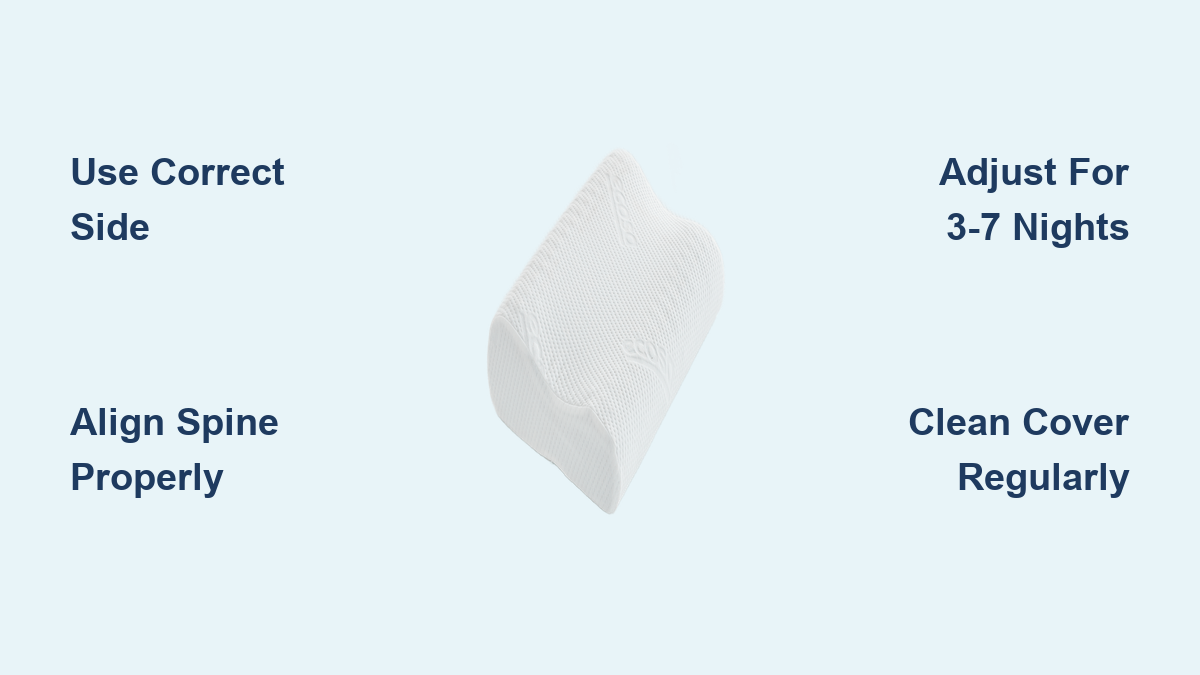
The Ecosa pillow features a dual height design with one side taller and the other shorter. Picking the right side for your sleeping position is the first step to proper support.
Back Sleepers: Use the Short Side
Flip the pillow so the lower profile side faces up. Rest your head in the central groove, which cradles your skull and reduces pressure points. Let the raised edge support your neck, not just your head. Keep your shoulders off the pillow. Only your head and neck should make contact with the pillow surface. Your chin should stay level, not tilted up or down. If it is pointing up, the pillow is too high. If it is tucked, it may be too low.
Side Sleepers: Use the Tall Side
Rotate the pillow to use the higher loft side. Position your head in the center groove so the pillow fills the gap between your neck and shoulder. The curved edge must support your neck to keep your spine straight. Avoid letting your shoulder push up into the pillow, as this collapses alignment. Your ears, shoulders, and hips should stack vertically when lying still.
Stomach Sleepers: Proceed with Caution
The Ecosa pillow is not ideal for stomach sleepers. Sleeping face down forces your neck to rotate, increasing strain on cervical muscles. If you cannot switch positions, use only the very edge of the short side. Place just your head, not your neck, on the pillow to minimize elevation. Better yet, try sleeping without a pillow or use an ultra thin one.
Align Your Spine Perfectly With Your Ecosa Pillow

Proper alignment is the core benefit of the Ecosa pillow. Here is how to get it right with no guesswork.
Check Your Head Neck Spine Line
Whether on your back or side, your spine should form a straight line from neck to lower back. Use a full length mirror or ask someone to take a photo while you are in bed. Your jaw should be parallel to the floor, not jutting forward or tucked in.
Avoid These Positioning Mistakes
Using the pillow too high causes neck flexion, leading to tension and snoring. Placing shoulders on the pillow disrupts shoulder alignment and reduces neck support. Positioning the head too far forward strains cervical muscles and can trigger headaches. Letting the neck hang off the edge eliminates support and defeats the pillow is purpose.
Test Your Alignment Each Night
Lie down and relax for 5 to 10 minutes. Gently move your head side to side and up and down. If you feel pressure, pinching, or strain, reposition the pillow. Small tweaks make a big difference. Do not settle for close enough.
Adjust to Your Ecosa Pillow Over Time
Switching to an ergonomic pillow can feel uncomfortable at first, and that is completely normal.
Expect a 3 to 7 Night Adjustment Period
Your body is used to poor alignment. The Ecosa pillow corrects that, which may feel too firm or too high initially. You might feel mild neck stiffness or shoulder awareness. This usually fades as muscles adapt. Do not revert to an old pillow out of frustration. Stick with it for at least one week.
Customize the Pillow If Needed
Some Ecosa models offer removable foam layers. If the pillow feels too high, remove a layer for a lower profile. If it feels too soft, add foam for firmer support. Always retest alignment after making any adjustments.
Combine with Supportive Sleep Habits
Use a medium firm mattress that supports your body weight and sleep style. Keep your bedroom cool, between 60 and 67 degrees Fahrenheit, dark, and quiet. Avoid screens for at least one hour before bed to improve sleep onset. Stretch nightly with neck rolls, shoulder shrugs, and cat cow stretches to release tension.
Clean and Maintain Your Ecosa Pillow
Proper care keeps your Ecosa pillow hygienic, fresh, and long lasting.
Wash the Cover Regularly
The pillow has a removable, machine washable cover. Use a pillowcase daily to protect against sweat, oils, and allergens. Wash the cover every 1 to 2 weeks in cold or warm water on a gentle cycle. Air dry or tumble dry on low heat. Avoid high heat to prevent fabric damage.
Freshen the Foam Core
Never soak or machine wash the foam. This damages the memory foam permanently. To deodorize the core, remove the cover and sprinkle baking soda over the surface. Wait 30 to 60 minutes, then vacuum thoroughly with an upholstery attachment. Repeat monthly for freshness.
Spot Clean Stains Safely
For spills or sweat marks, dampen a clean cloth with warm water and gently dab the area. For stubborn stains, mix 1 part hydrogen peroxide with 4 parts water. Lightly spray the solution, then blot. Do not saturate the foam. Let it air dry completely before remaking the bed.
Compress Your Ecosa Pillow for Travel or Storage
The Ecosa pillow is travel friendly. Just compress it the right way to save space.
Roll It in the Travel Bag
Use the included drawstring compression bag. Roll the pillow tightly from one end to the other. Press out excess air as you roll. Slide into the bag and pull the drawstring. No vacuum needed.
Vacuum Pack Without a Vacuum
Place the pillow in a vacuum seal bag. Close the valve. Leave the zipper slightly open. Roll the bag from the bottom, squeezing air out. Once flat, seal the zipper completely. This method reduces the pillow size by up to 50 percent, perfect for moving or trips.
Maximize Sleep Quality With Pro Tips
Using the pillow correctly is just part of the equation. These habits boost your results significantly.
Pair With a Supportive Mattress
A sagging or overly soft mattress undermines pillow support. Choose a medium firm mattress that keeps your spine neutral. Test your alignment. If your hips sink too deep, your spine curves unnaturally.
Replace When Worn Out
Memory foam lasts 2 to 3 years with regular use. Replace the pillow if it no longer springs back after compression. Replace if you notice dips, lumps, or permanent indentations. Replace if neck pain returns despite correct use.
Use Sleep Accessories
A knee pillow for side sleepers keeps hips aligned and reduces spinal twist. A weighted blanket helps reduce anxiety and improve sleep onset. If you use a CPAP machine, consider a specialized pillow design.
Avoid These Common Mistakes
Even small errors reduce the Ecosa pillow is effectiveness considerably.
Using the Wrong Side
Back sleepers using the tall side causes neck hyperextension. Side sleepers on the short side causes neck collapse into the shoulder gap. Always match the side to your sleep position.
Sleeping on the Wrong Part
Resting your neck in the groove instead of the raised edge provides no support. Letting your head float off the pillow causes strain and misalignment. Always position your head in the groove and neck on the raised edge.
Skipping the Adjustment Phase
Giving up after 1 to 2 nights means missing long term benefits. Your body needs time to adapt to proper posture. Stick with it for at least one week before judging the pillow.
Frequently Asked Questions About Using Ecosa Pillow
How long does it take to adjust to the Ecosa pillow?
Most people need 3 to 7 nights to adjust to the Ecosa pillow. Initial discomfort is normal as your body adapts to improved spinal alignment. Stick with it for at least one week before deciding if it works for you.
Which side of the Ecosa pillow should I use?
Use the short side for back sleeping and the tall side for side sleeping. The short side provides moderate elevation for back sleepers, while the tall side bridges the gap between shoulder and neck for side sleepers.
Can I use the Ecosa pillow for stomach sleeping?
The Ecosa pillow is not recommended for stomach sleepers. Stomach sleeping forces neck rotation and increases strain. If you must sleep on your stomach, use minimal elevation or no pillow at all.
How do I clean my Ecosa pillow?
Wash the removable cover every 1 to 2 weeks in cold or warm water on gentle cycle. For the foam core, use baking soda and vacuum monthly. Spot clean stains with a damp cloth. Never machine wash or soak the foam.
When should I replace my Ecosa pillow?
Replace your Ecosa pillow every 2 to 3 years, or sooner if the foam no longer springs back. Replace if you notice permanent indentations, lumps, or if neck pain returns despite correct positioning.
Can I travel with my Ecosa pillow?
Yes, compress the pillow using the included drawstring bag or a vacuum seal bag. Roll tightly, press out air, and store in your luggage. The pillow compresses to about half its size for convenient travel.
Key Takeaways for Using Your Ecosa Pillow Correctly
The Ecosa pillow is not about plush comfort. It is about long term spinal health and proper alignment. Success comes from using it correctly, not immediately. The most important points to remember are choosing the right side for your sleep position, keeping your spine in a straight line, and allowing 3 to 7 nights for your body to adjust. Always position your head in the central groove and your neck on the raised edge. Keep your shoulders off the pillow to maintain proper alignment.
Combine correct pillow use with good sleep hygiene, including a supportive mattress, cool bedroom temperatures, and nightly stretching. Clean the cover regularly and freshen the foam monthly with baking soda. For travel, compress the pillow using the roll and bag method.
Within days of consistent, correct use, you will likely notice less neck stiffness, better sleep quality, and more energy throughout the day. For questions, contact Ecosa support through live chat on their official website or email support@ecosa.com.