
How to Measure for Pillow Inserts
A saggy, lumpy pillow can ruin even the most beautiful room. The good news? The fix is simple and starts with the insert. Knowing how to measure for pillow inserts correctly transforms flat, lifeless cushions into plump, designer-style accents that look intentional and polished. Most people buy inserts that match their covers exactly, then wonder why their pillows look deflated.
This guide breaks down the exact sizing rules, measurement techniques, and fill choices that professionals use to achieve that crisp, full look. You will learn the oversizing principle, how to measure covers and inserts accurately, and how to pick the right fill material for your needs.
The Oversizing Rule for Square Pillows

The foundation of great pillow styling is understanding that inserts should almost always be larger than the cover. This extra volume fills corners completely and keeps the fabric taut.
Apply the +2 Inch Rule to Standard Squares
For standard square pillows (18×18, 20×20, 22×22), choose an insert 2 inches larger than the cover on all sides. This creates internal pressure that gives pillows their signature fullness.
- 18×18 cover → 20×20 insert
- 20×20 cover → 22×22 insert
- 22×22 cover → 24×24 insert
The added volume also enables the popular “karate chop” look, where a crisp crease down the center holds its shape thanks to internal tension.
Adjust for Small Pillows Under 18 Inches
On smaller covers like 12×16 or 14×14, a 2-inch increase can cause awkward bulging.
- Use +1 inch instead
- Example: 14×14 cover → 15×15 insert
This subtle boost adds fullness without overwhelming delicate proportions.
Size Up for Large Pillows 24 Inches and Above
Big pillows need more internal support to avoid a sunken center.
- Go +3 inches for covers 24×24 and larger
- Example: 24×24 cover → 27×27 insert
The added volume maintains structure across the broad surface, keeping the pillow looking crisp from edge to edge.
Special Sizing for Lumbar and Rectangular Pillows
Rectangular pillows follow different logic. Oversizing too much can make them stiff or uncomfortable, especially when used for back support.
Match Size or Slight Oversize for Lumbars
Unlike square pillows, lumbars often look best with a snugger fit.
- Preferred method: Choose an insert the same size as the cover
- Example: 12×20 cover → 12×20 insert
- Alternative: Add 1 inch to the width only
- Example: 12×20 cover → 13×20 or 13×21 insert
This keeps the shape clean and avoids unwanted puffiness while preserving a long, lean profile.
Warning: Avoid oversized inserts in tight-weave or structured lumbar covers. They can strain seams or make zippers difficult to close.
How to Measure a Pillow Insert Without a Tag

Lost the label? You can still determine an insert’s true size with two reliable methods.
Use Girth Measurement for Accuracy
This method accounts for depth and fullness, which matters for thick, boxy inserts.
- Grab a soft measuring tape.
- Wrap it around the widest part of the insert (its girth).
- Divide the total by 2.
Example: Girth = 40″ → 40 ÷ 2 = 20″ insert (approximate side length)
This works because girth includes both height and width wrapped together.
Corner-to-Corner: Quick but Less Reliable
Measuring diagonally from corner to opposite corner is fast but inaccurate.
- Can be off by 1–2 inches
- Doesn’t account for loft or compression
- Best used only for rough estimates
Visual cue: If the insert is flattened from storage, this method will underreport the actual size.
How to Measure a Pillow Cover Correctly
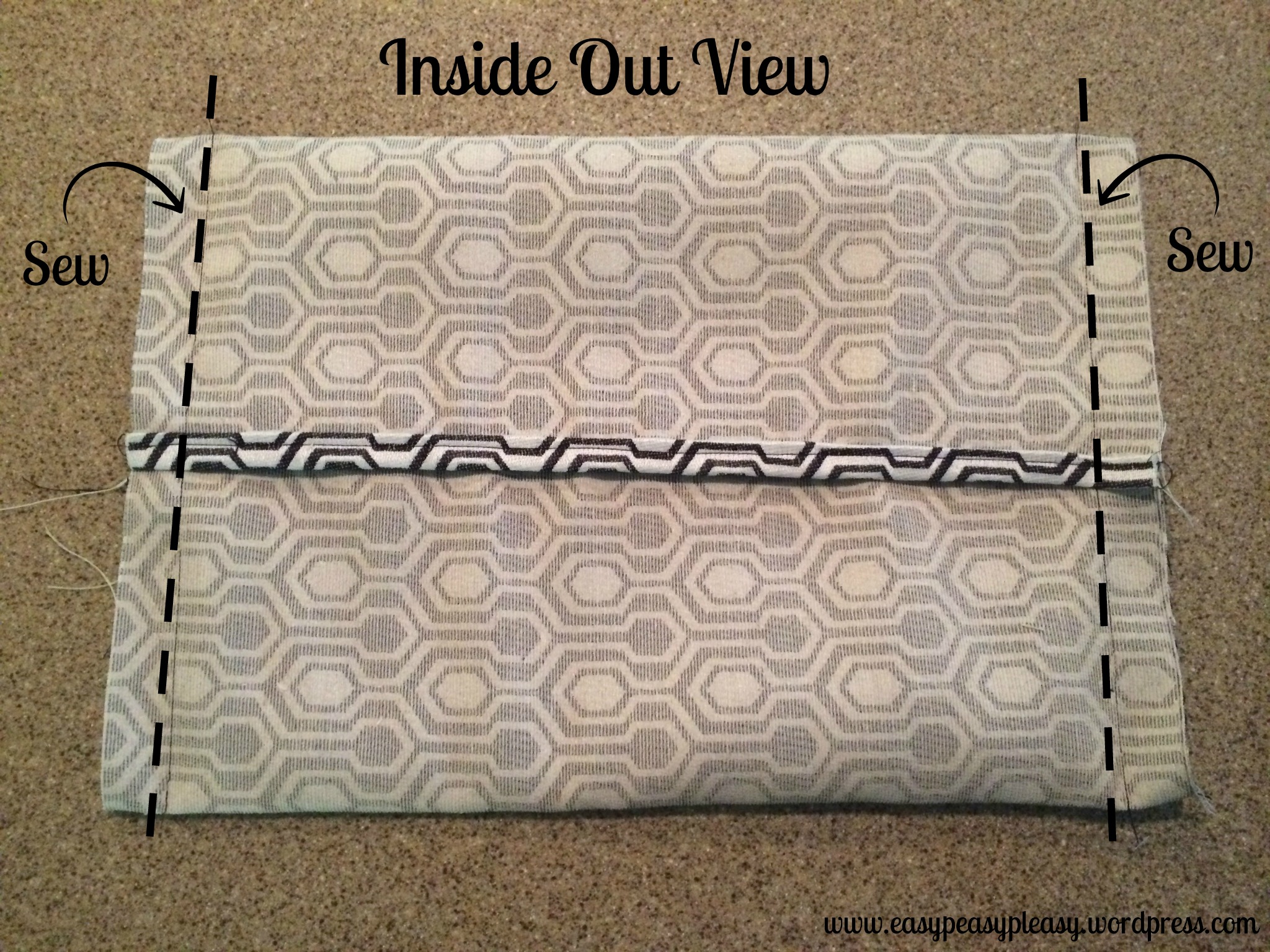
To find the right insert, you need to know the cover’s true internal size, not just what is printed on the tag.
Measure Interior Seams for Precision
This gives the exact space available inside the cover.
- Remove the insert.
- Turn the cover inside out.
- Measure from seam to seam across width and length.
This excludes hems, overlaps, and fabric thickness that skew exterior measurements.
Example: A cover labeled “20×20″ might measure 19.5×19.5” seam-to-seam, meaning a 20×20 insert could still fit, but a 22×22 will create ideal fullness.
Avoid Exterior Measurement Pitfalls
Measuring the outside of an empty cover is tempting but misleading.
- Thick fabrics add up to 1 inch per side
- Deep hems or decorative trims inflate dimensions
- Result: You may buy an insert too large for the actual cavity
Stick to interior seam measurement for reliable results.
Choosing the Right Fill Material
Size matters, but so does what is inside. The fill determines softness, shape retention, and care requirements.
Feather-Down Blends for Style and Comfort
Feather and down mixes are the gold standard for decorative pillows.
Why They Work
- Feathers provide structure, weight, and durability
- Down adds softness, loft, and moldability
- Together, they hold the karate chop crease beautifully
Know the Ratios
| Ratio | Feel | Best For |
|---|---|---|
| 95/5 | Firm, supportive, budget-friendly | High-traffic areas |
| 90/10 | Balanced, structured yet soft | General decorative use |
| 80/20 or 75/25 | Ultra-plush, luxurious, less poking | Designer looks, low-traffic spaces |
| 50/50 | Very soft, collapses easily | Sleeping pillows only |
Avoid 50/50 for decor: It lacks the backbone to keep a cover taut.
Down Alternative for Hypoallergenic Needs
Made from synthetic fibers (often poly or cotton-poly blends), these work well for allergies or ethical concerns.
Benefits
- Hypoallergenic: Safe for sensitive users
- Machine washable: Easy cleanup
- Holds shape well: Less fluffing needed
- Affordable: Often cheaper than feather-down
Trade-offs
- Less moldable than natural fills
- May not hold a sharp karate chop
- Can feel lighter or less substantial
Best Use: Kids’ rooms, pet-friendly homes, rental properties
Pro Styling Tips for Perfect Pillows
Great pillows are about presentation and upkeep, not just size.
Achieve the Karate Chop Look
- Use a feather-down insert (90/10 or better)
- Ensure it is at least +2 inches larger than the cover
- Insert fully, then press firmly down the center with the heel of your hand
- Fluff sides outward to enhance the crease
The oversize insert creates internal tension that locks the fold in place.
Insert Like a Pro
Putting in a large insert can be tricky. Follow these steps:
- Bunch one corner of the insert tightly.
- Push it deep into the matching corner of the cover.
- Feed the rest slowly, shaking the cover to help it expand.
- Adjust corners once inside for even distribution.
Time-saving tip: Do this on a flat surface to avoid dropping and re-stuffing.
Maintain Pillow Fullness Over Time
Even the best inserts go flat without care. Keep them looking fresh with simple habits.
Fluff Daily, Rotate Weekly
- Give pillows a quick shake and fluff every day
- Rotate them weekly to prevent fill from settling at the bottom
- For feather-down, air out occasionally to revive loft
Replace When Flat
If fluffing does not restore plumpness, the insert has lost its resilience.
- Lifespan: 1–3 years depending on use
- Signs to replace: Persistent sagging, visible clumping, difficulty holding shape
Cost-saving hack: Buy quality inserts once. They last longer and elevate cheaper covers.
Buying Guide: What to Look For
Not all inserts are created equal. Use these criteria to spot quality.
Check Fill Density and Weight
- A heavier insert for its size = higher fill density
- Light, wispy inserts often flatten quickly
- Test: Press into it. If it springs back fast, it is well-filled.
Inspect the Casing
- Look for tight-weave fabric that prevents quills from poking through
- Thread count above 200 is ideal
- RDS-certified casing ensures ethical sourcing
Consider Origin and Brand
- Made-in-USA inserts often have stricter quality control
- Reputable brands list fill ratios clearly
- Avoid vague terms like “feather blend” without percentages
Quick Reference: Insert Size by Use Case
| Scenario | Insert Size | Fill Type |
|---|---|---|
| Standard 20×20 pillow | 22×22 | 90/10 feather-down |
| Small 14×14 accent | 15×15 | 95/5 feather-down or down alternative |
| Large 24×24 statement pillow | 27×27 | 80/20 feather-down |
| Lumbar 12×20 | 12×20 or 13×20 | Down alternative or 95/5 |
| Allergy-sensitive home | +2″ size | 50/50 cotton-poly down alternative |
| High-use family sofa | +1″ to +2″ | Dense down alternative |
Frequently Asked Questions About Measuring Pillow Inserts
What size insert do I need for a 20×20 pillow cover?
For a standard 20×20 cover, use a 22×22 insert. The 2-inch increase fills the corners completely and creates the plump, taut look associated with designer decor. This oversizing rule applies to most standard square pillows.
Should a pillow insert be the same size as the cover?
No. For square pillows, the insert should be 2 inches larger than the cover. Matching sizes exactly produces a flat, saggy appearance. The exception is lumbar pillows, where a same-size or slightly oversized insert often works better.
How do I measure a pillow insert without a tag?
Use the girth method: wrap a soft measuring tape around the widest part of the insert, then divide the total by 2. For example, a 40-inch girth equals a 20-inch insert. This method accounts for depth and fullness better than corner-to-corner measuring.
How do I measure a pillow cover for the right insert?
Turn the cover inside out and measure from interior seam to interior seam across both width and length. This gives the true internal cavity size and excludes fabric thickness or hemming that can skew exterior measurements.
What is the best fill for decorative pillows?
Feather-down blends (especially 90/10) are widely considered the best for decorative pillows. They offer the ideal balance of structure and softness, hold the karate chop crease well, and provide a luxurious feel. For allergy sufferers, a high-quality down alternative is the best substitute.
How often should I replace pillow inserts?
Most inserts last 1 to 3 years depending on use and fill quality. Replace when fluffing no longer restores shape, when you notice persistent sagging, or when the fill clumps visibly. Higher-quality inserts with tight-weave casings typically last longer.
Key Takeaways for Measuring Pillow Inserts
The difference between amateur and designer decor often comes down to one detail: the pillow insert. Remember the +2 inch rule for square pillows, match or slightly oversize lumbars, and always measure interior seams for accuracy. Pair the right size with the right fill, and your pillows will look intentional, luxurious, and built to last.
Your next step: Grab a soft measuring tape and check your current pillow covers using the interior seam method. Note the true dimensions, then shop for inserts using the sizing guidelines above. You will see an immediate difference in fullness and shape.