How to Choose the Best Pregnancy Pillow
If you’re navigating the second or third trimester, you’ve likely felt the discomfort of finding a comfortable sleeping position. As your belly grows, so does the strain on your back, hips, and pelvis, making rest elusive. A pregnancy pillow isn’t just a luxury. It’s a practical solution designed to support your changing body and improve sleep quality. But with so many shapes, sizes, and features available, how to pick a pregnancy pillow that truly fits your needs can feel overwhelming. This guide cuts through the noise, helping you match your body type, sleeping habits, and lifestyle to the ideal pillow so you can sleep better, reduce pain, and stay supported from pregnancy into postpartum life.
Choose the Right Pillow Shape

The shape of your pregnancy pillow determines how much support you get and how well it fits your bed. Each design serves different needs, so selecting the best one starts with understanding your sleep style and space.
Pick a Wedge for Minimalist Support
A wedge pillow is ideal if you’re in early pregnancy or need targeted relief. Shaped like a triangle, it fits neatly under your belly or behind your lower back to maintain alignment. It’s compact, affordable, and easy to move, perfect for small beds or couples who want to conserve space. While it only supports one area at a time, stacking two wedges can offer improved hip and spine stability.
Key benefits of wedge pillows include:
• Inexpensive and space-efficient
• Easy to position and reposition
• Effective for localized relief
If you’re just starting to feel discomfort and don’t want a bulky setup, a wedge is a smart first step.
Go C-Shaped for Full-Body Comfort
The C-shaped pillow wraps around one side of your body, supporting your head, belly, hips, and legs in a single unit. At 48 to 54 inches long, it’s large enough to provide comprehensive comfort without taking over the bed. You can flip it to support your front or back, making it useful for side sleepers who want stability. It’s also a top choice for postpartum nursing, doubling as a breastfeeding pillow.
Consider these factors before choosing C-shaped:
• You need to reposition it when rolling over
• Dense material may trap heat, especially if you experience night sweats
• Mid-range pricing typically falls between $80 and $120
Opt for U-Shaped When You Need Maximum Support
If you move a lot at night or want 360-degree support, the U-shaped pillow is the most enveloping option. Stretching over five feet, it wraps around both sides of your body, offering simultaneous support for your back, belly, arms, and legs. The biggest advantage is that you don’t have to adjust it when you roll. Support stays in place automatically.
U-shaped pillows work best for:
• Restless sleepers who change positions frequently
• Those with severe back or pelvic pain
• Women sleeping alone or in king-sized beds
However, these pillows take up significant space and can feel confining. They’re not ideal for shared beds unless you have a king-sized mattress.
Try J-Shaped for Flexible Positioning
The J-shaped pillow combines the support of a C-shape with an extended leg for added reach. Its asymmetric design lets you customize how you use it. Place the long section behind your back and the curve between your knees, or tuck it under your belly for front support. It takes up less space than U or C models, making it a strong contender for queen beds with a partner.
The J-shape offers versatility but requires repositioning when switching sides. It’s ideal for women who like to switch configurations as their pregnancy progresses.
Use I-Shaped for Simplicity and Affordability
An I-shaped body pillow is a long, straight tube, typically 48 to 60 inches, ideal for hugging while side-sleeping. It supports your belly, hips, and legs when tucked between your knees and under your abdomen. It’s one of the most budget-friendly and portable options, easy to wash and store.
Things to know about I-shaped pillows:
• Lacks back support, so you may need to pair it with a separate wedge
• Tends to slide out of place unless secured
• Most affordable option, typically $40 to $80
If you’re looking for a basic, no-frills solution, start with an I-shaped pillow and upgrade later if needed.
Consider Modular Systems for Targeted Relief
For women with hip, pelvic, or lower back pain, modular systems offer precision support. These kits include separate pieces, a belly wedge, back support, and knee pillow that stay in place as you move. Unlike full-body pillows that drag across the bed, each component remains stable.
Modular systems are perfect for:
• Shared beds where space matters
• Women with specific pain points requiring targeted support
• Those willing to invest $120 or more for precision comfort
Brands like Bumpnest offer trial periods so you can test comfort over time.
Choose Bendable Pillows for Long-Term Use
Versatile, bendable pillows like the bbhugme can be shaped into U, C, J, or I configurations, adapting to your changing needs. Made with a flexible foam core, they provide 5-point pressure relief, belly, back, hips, knees, and ankles, depending on how you position them. This eliminates the need to buy multiple pillows.
These pillows are also:
• Travel-friendly with included storage bags
• Useful postpartum for reading, lounging, or baby support
• Premium-priced but deliver long-term value through adaptability
Match Your Pillow to Your Bed and Body

Your sleeping environment plays a crucial role in which pillow will work best. A pillow that fits a king bed may overwhelm a full-sized mattress, and your partner’s comfort matters too.
Fit Your Bed Size
Your mattress size directly impacts which pillow shapes work in your space. Consider these guidelines:
• Twin or Full beds: Stick to compact options like wedge, I-shaped, or modular pillows. U-shaped models will take up too much space.
• Queen beds: C-shaped and J-shaped pillows work well, especially if sharing the bed.
• King beds: You can comfortably use U-shaped or large C-shaped pillows without crowding your partner.
If you share the bed, prioritize space-saving designs. A U-shaped pillow may create a physical barrier, disrupting intimacy and sleep.
Accommodate Your Sleeping Position
Your preferred sleep position determines which features matter most:
• Side Sleepers: You’ll benefit most from pregnancy pillows. Use one between your knees to align hips and reduce lower back strain. Any shape can work, but C, U, or J-shaped models offer the most integrated support.
• Back Sleepers: A wedge under your knees can ease lower back pressure. Avoid prolonged back sleeping after the first trimester due to supine hypotensive syndrome, which reduces blood flow to the fetus.
• Stomach Sleepers: This position becomes impossible as your belly grows. A wedge can prevent accidental rolling onto your abdomen.
Experts from the National Sleep Foundation recommend left-side sleeping in the second and third trimesters to improve circulation to the placenta and kidneys.
Prioritize Materials for Comfort and Safety
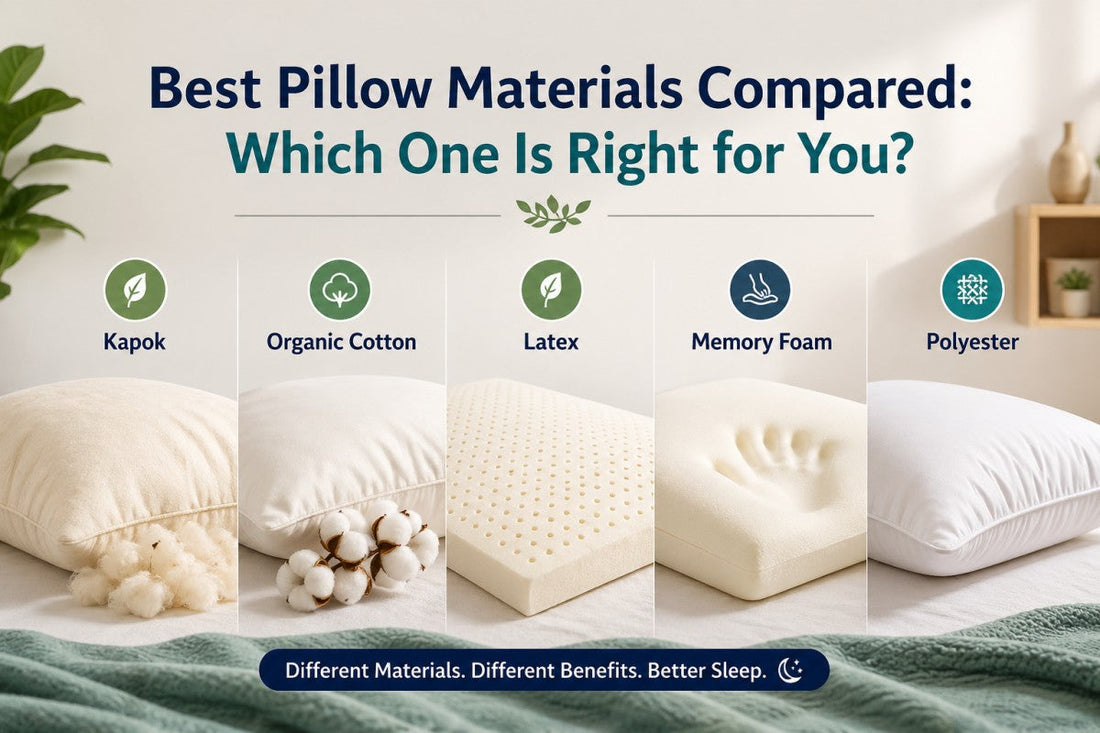
The filling and fabric of your pillow affect comfort, temperature, and long-term health, especially during pregnancy.
Choose the Best Filling Type
Different fillings offer distinct advantages and drawbacks:
• Memory Foam: Provides strong support and durability but can retain heat.
• Polyester Fiberfill: Soft, breathable, and affordable but flattens over time.
• Microbeads: Molds closely to body but can be noisy and raise environmental concerns.
• Buckwheat Seeds: Firm, eco-friendly, and breathable but heavy with a crinkly sound.
Hybrid fillings like memory foam with fiber clusters offer a balance of support and softness. They’re common in premium models like the Newton Pregnancy Pillow.
Pick Breathable, Non-Toxic Fabrics
Pregnancy raises your core temperature, so overheating is a real concern. Choose covers made from bamboo, TENCEL, or organic cotton. These materials wick moisture and promote airflow. Look for removable, machine-washable covers since you’ll need to clean them weekly.
For safety, choose pillows with these certifications:
• GOTS Certification for organic textiles
• GREENGUARD Gold for low chemical emissions
• OEKO-TEX Standard 100 to verify it’s free from harmful substances
These certifications are especially important for postpartum use when your baby will be in close contact with the pillow.
Avoid Noisy and Hot Pillows
Some pillows crinkle like buckwheat and microbeads or rustle from synthetic fabrics. This noise can wake light sleepers or disturb your partner. If noise is a concern, go with memory foam and cotton since they’re silent and stable.
Enclosed shapes like U and C pillows trap more heat. If you sleep hot, choose open designs like wedge or modular, or look for models with cooling gel, ventilated foam, or bamboo covers.
Know When to Buy Your Pregnancy Pillow
Timing matters when purchasing a pregnancy pillow. Most women don’t need one right away.
• First Trimester: Usually unnecessary unless you have pre-existing back pain or insomnia.
• Second Trimester: This is when most women start feeling discomfort. A wedge or I-shaped pillow is often sufficient.
• Third Trimester: As your belly grows, you’ll likely need more comprehensive support. Time to upgrade to a C, U, or modular system.
Many women report needing a pillow around 20 to 24 weeks when pelvic pressure and abdominal weight increase significantly.
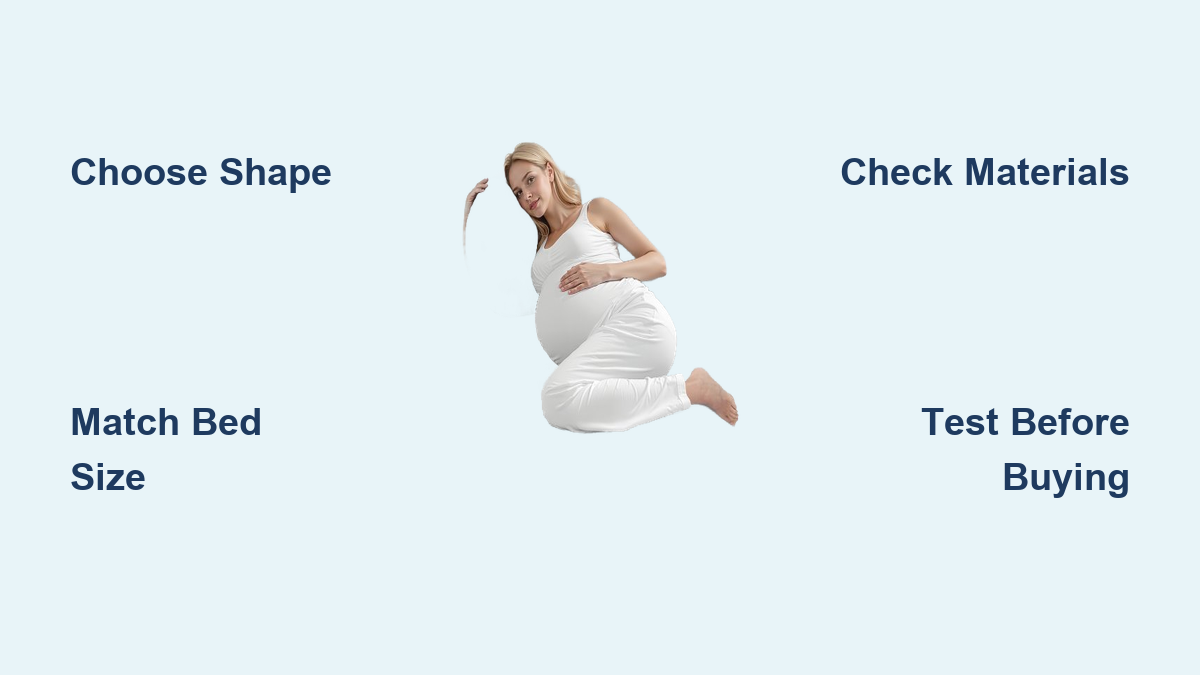
Test Before You Buy: The Simulation Method
Don’t guess what you need. Simulate your ideal setup before purchasing.
- Lie on your side, preferably your left.
- Use regular pillows to support your belly underneath, lower back behind, between your knees, and your head and arms if needed.
- Adjust until you feel fully supported.
- Note the shape and placement of the pillows.
This setup reveals your ideal configuration. If you’ve created a U-shape, go for a U-shaped pillow. If you’re using separate wedges, a modular system might be best. This method, endorsed by sleep experts, removes guesswork and ensures a perfect fit.
Avoid Common Mistakes
Even with research, people make missteps. Here’s how to avoid them.
Don’t Buy Based on Trends
Just because a pillow is popular doesn’t mean it’s right for you. The best pillow is the one that matches your body and bed, not Instagram ads.
Don’t Ignore Trial Periods
Many premium brands offer 30 to 100 night sleep trials. Bumpnest offers a 50-night trial, bbhugme has a satisfaction guarantee, and Newton provides an extended warranty. Use these to test comfort over multiple sleep cycles. If it doesn’t work, return it with no risk.
Don’t Skip Maintenance
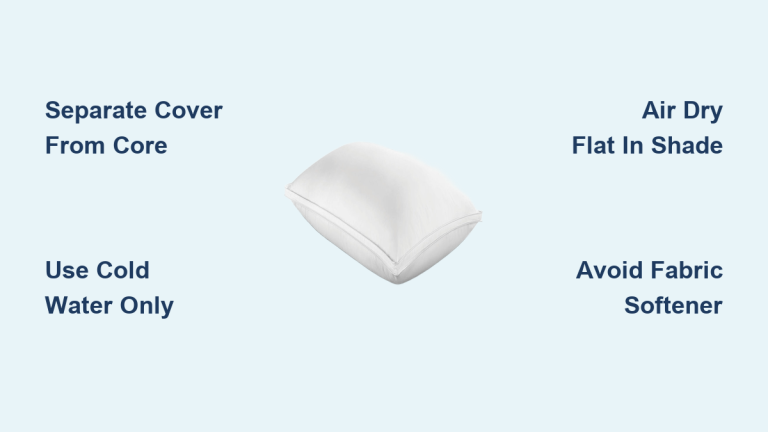
Pregnancy pillows collect sweat, oils, and allergens. Clean the cover weekly, spot clean the core, and air it out monthly. Replace the pillow every 1 to 2 years or when it flattens and loses support.
Maximize Postpartum Use
Your pregnancy pillow doesn’t have to retire after delivery.
Use It for Breastfeeding
Position the pillow around your waist to elevate your baby to breast level. This prevents hunching and reduces strain on your shoulders and back. It works for both nursing and bottle feeding.
Support Baby’s Development
• Tummy Time: Place the pillow under your baby’s chest for support.
• Sitting Practice: Use it as a backrest.
• Rolling Guard: Position it beside your baby during playtime.
Repurpose for Everyday Comfort
Keep it for reading in bed, back or leg support, guest room comfort, or nursing or recovering from surgery. A durable, versatile pillow pays for itself over time.
Make the Final Decision
Still unsure? Use this quick reference to match your need to the right pillow type:
• Early pregnancy, mild discomfort: Wedge or I-shaped
• Hip or pelvic pain: Modular or U-shaped
• Sharing bed with partner: Wedge, J-shaped, or modular
• Sleep hot: Bamboo-covered wedge or cooling gel pillow
• Want one pillow for entire pregnancy: Bendable or versatile like bbhugme
• Maximum comfort, sleep alone: U-shaped
• Breastfeeding support: C or U-shaped
• Limited budget: Wedge or I-shaped
• Eco-conscious: GOTS-certified organic or GREENGUARD Gold
Frequently Asked Questions About Picking a Pregnancy Pillow
When should I start using a pregnancy pillow?
Most women start using a pregnancy pillow during the second trimester, around weeks 13 to 27. However, you may need one earlier if you have pre-existing back pain or insomnia. Many women find they need one around weeks 20 to 24 when belly growth and pelvic pressure increase.
Can I use regular pillows instead of a pregnancy pillow?
Yes, especially in early pregnancy. A standard king-sized pillow placed between your knees helps align hips and reduce lower back strain. However, regular pillows lack specialized shaping for belly or back support and tend to shift during the night. Upgrade to a dedicated pregnancy pillow when discomfort persists.
What is the best pregnancy pillow for hip and pelvic pain?
Modular systems or U-shaped pillows work best for hip and pelvic pain. Modular systems offer targeted support with separate pieces that stay in place. U-shaped pillows provide 360-degree support that accommodates movement without repositioning.
Are pregnancy pillows safe to use postpartum?
Yes, pregnancy pillows are safe and highly useful postpartum. They serve as breastfeeding support, help with bottle feeding, assist during tummy time, and provide general comfort for recovery. Just ensure the materials are non-toxic, especially if your baby will be in close contact.
How do I clean and maintain my pregnancy pillow?
Remove and machine wash the cover weekly. Spot clean the inner pillow only, never submerge it in water. Air it out monthly or use baking soda for odor removal. Replace the pillow every 1 to 2 years or when it flattens and loses support.
Key Takeaways for Picking the Right Pregnancy Pillow
There’s no universal best pregnancy pillow, only the one that’s best for you. Your body, sleep habits, and living situation are unique. Use the simulation method to identify your ideal support configuration before buying. Prioritize breathable, non-toxic materials since you’ll be using them for hours each night and your baby will likely be in contact postpartum.
Consider your bed size and whether you share it with a partner. Choose a pillow shape that matches your primary sleep position and pain points. Take advantage of trial periods to test comfort over multiple nights. The right pillow can transform your sleep, reduce pain, and support you long after pregnancy ends. Invest wisely and rest easier.