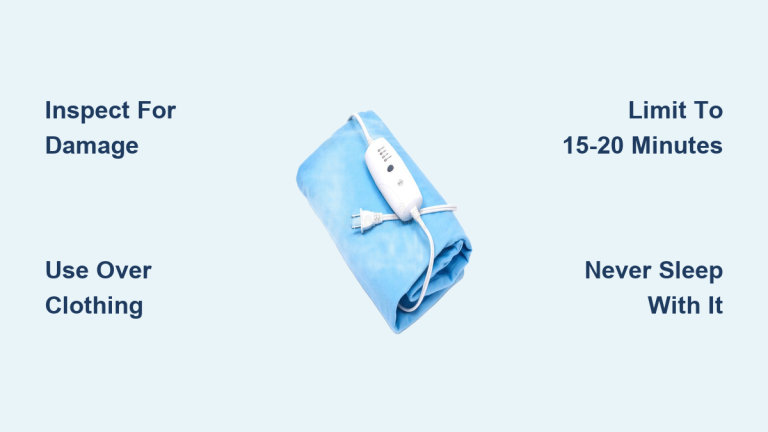

How to Use Soft Heat Heating Pad
If you’re dealing with muscle stiffness, back pain, or joint discomfort, a soft heat heating pad can be a go-to solution for soothing relief. Unlike harsh, dry heat sources, soft heat pads often electric, gel-based, or microwavable deliver gentle, consistent warmth that penetrates deep into tissues without drying out your skin. But to get the most out of your therapy, you need to know how to use a soft heat heating pad correctly. This guide walks you through safe application, optimal duration, and how to choose the right type for your needs, all based on clinical and user-tested practices.
Whether you’re using a plush electric pad at night, a microwavable rice bag during work breaks, or a discreet heat wrap under your clothes, understanding proper technique prevents injury and maximizes pain relief. You’ll learn how to avoid burns, why moist heat often works better than dry, and when to skip heat therapy altogether. Let’s dive into the smart, science-backed way to use your soft heat pad.
Choose the Right Soft Heat Pad Type
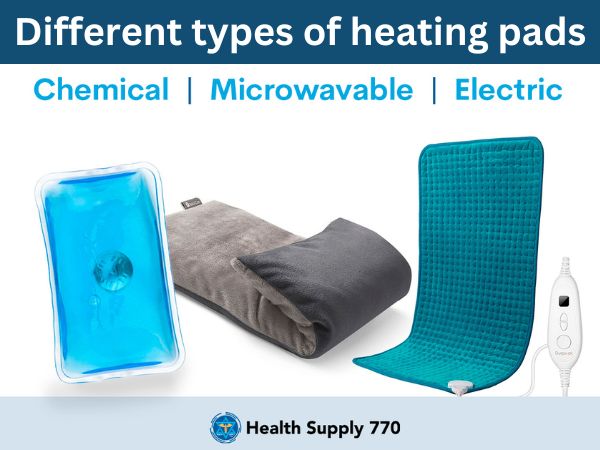
Not all soft heat pads are created equal. The best choice depends on your lifestyle, pain level, and where you plan to use it.
Electric Heating Pads for Home Use
Electric pads are ideal for consistent, adjustable warmth at home. They typically feature soft fabric covers made from polyester or acrylic blends, which are less flammable than cotton. These pads offer multiple heat settings and often include built-in timers for safety. They work well for loosening stiff muscles before bed or during rest. Look for models with auto-shutoff after 60 to 90 minutes to reduce fire risk and prevent overheating.
Microwavable Gel or Grain Pads
These reusable soft pads, filled with gel beads, rice, flaxseed, or buckwheat, are heated in the microwave for 1 to 3 minutes. They conform well to body curves and retain heat for up to 45 minutes. Their flexibility makes them great for targeted relief on the neck, lower back, or shoulders. Always wrap them in a towel before use to avoid burns.
Disposable Heat Wraps for On-the-Go Relief
Soft heat wraps use iron-oxidation technology to activate when exposed to air. They deliver low-level warmth at approximately 104°F for 6 to 8 hours. These wraps are thin, cloth-like, and discreet enough to wear under clothing all day. They work well for office workers or travelers who need continuous relief without plugging in.
Prepare Your Soft Heat Pad Properly
Using your pad correctly starts with safe preparation, especially for microwavable and electric models.
Microwave Gel or Grain Pads Safely
Set your microwave on medium power and heat the pad for 30 to 60 seconds for gel packs, or 1 to 3 minutes for grain pillows. Place a paper towel underneath to absorb moisture and prevent overheating. After heating, shake or knead the pad gently to distribute heat evenly. Test the temperature on your wrist or inner arm before applying it to your skin.
Pro Tip: Overheating can cause steam buildup and burns. If the pad feels too hot, wait 1 to 2 minutes before retesting.
Plug In Electric Pads Correctly
Place the pad flat on your bed, chair, or against your back. Never fold it while powered, as this can damage internal wires and create hot spots. Plug it in and set it to low or medium heat initially. Allow 5 to 10 minutes for the pad to warm up gradually. Use the timer function to limit sessions to 20 to 30 minutes.
Apply Heat With Proper Insulation

One of the most common mistakes is applying heat directly to the skin. Even soft heat can cause burns over time.
Always Use a Towel Barrier
Wrap microwavable pads or place a thin cotton towel between your skin and electric pads. This protects sensitive skin, prevents moisture loss, and ensures even heat distribution. For high-heat sources like hydrocollator packs heated to 150 to 160°F, use 2 to 3 layers of towel. Never skip this step.
Position the Pad Correctly
Place the pad directly over the painful area, such as your lower back, neck, or shoulders. For electric models, avoid placing the pad under your body, as pressure can overheat the unit. Instead, lay it on top with light coverage.
Set the Right Duration and Frequency

Too little time won’t help; too much can irritate tissues. Follow evidence-based guidelines to get the best results.
Limit Sessions to 15 to 30 Minutes
For minor tension or stiffness, 15 to 20 minutes is sufficient. For chronic pain or muscle spasms, extend to 30 minutes. Never exceed 30 minutes per session unless using a low-heat wrap designed for all-day wear.
Exception: Disposable heat wraps can be worn up to 8 hours due to their low, consistent temperature.
Allow Time Between Uses
Wait at least 1 to 2 hours before reapplying heat. This gives your skin and tissues time to recover and prevents overheating. You can alternate heat with cold therapy for acute injuries after the first 48 hours.
Understand Moist vs. Dry Heat Benefits

Soft heat pads vary in how they deliver warmth. Knowing the difference improves results.
Moist Heat Penetrates Deeper
Moist heat, such as hydrocollator packs or steam-heated pads, increases blood flow more effectively and reaches deeper muscle layers. This is especially true for individuals with over 25% body fat. While most soft electric pads deliver dry heat, microwavable gel or grain pads often retain moisture, offering a hybrid effect.
Dry Heat Is Convenient but Can Dehydrate Skin
Electric pads and chemical packs use dry heat, which is easy to use and portable but may dry out your skin with frequent use. Combat this by applying moisturizer after therapy and staying hydrated.
Avoid Common Safety Mistakes
Even soft heat can cause harm if used incorrectly. Follow these rules to stay safe.
Never Sleep With a Heating Pad
Unless it’s a low-heat electric model with an auto-shutoff, do not fall asleep with any heating pad on. Your body’s sensitivity drops during sleep, increasing burn risk. Even with safe models, unplug the pad before bed.
Don’t Use on Numb or Insensitive Skin
If you have diabetes, neuropathy, or reduced skin sensitivity, avoid heat therapy unless approved by a doctor. You may not feel overheating, leading to serious burns. For diabetes, increasing room temperature is a safer alternative.
Skip Heat for Acute Injuries
Do not use a soft heat pad within the first 48 hours of an injury. Heat increases swelling and inflammation. Wait until the acute phase passes, then use heat to relax tight muscles.
Optimize Use for Different Lifestyles

Your daily routine should guide how and when you use your soft heat pad.
For Office Workers: Discreet, All-Day Options
Use a thin heat wrap or slip a microwavable grain pillow behind your back while sitting. Heat wraps stay at 104°F and can be worn under clothes for up to 8 hours, perfect for desk jobs or long drives.
For Nighttime Relief: Electric or Grain Pads
Plug in a low-setting electric pad 30 minutes before bed to loosen stiff muscles. Remove it before sleeping or unplug it. Alternatively, use a microwavable flaxseed pad, which stays warm for up to 45 minutes and works well for short pre-sleep therapy.
For Travelers: Portable and Reusable
Pack a chemical heat pack or microwavable gel pad. Sodium acetate packs can be reactivated by boiling, which is great for road trips or hotel stays. Avoid bringing electric models unless you have reliable outlet access.
Maintain and Store Your Pad Properly
Longevity depends on proper care. Follow these simple steps to keep your pad in good condition.
Clean Regularly
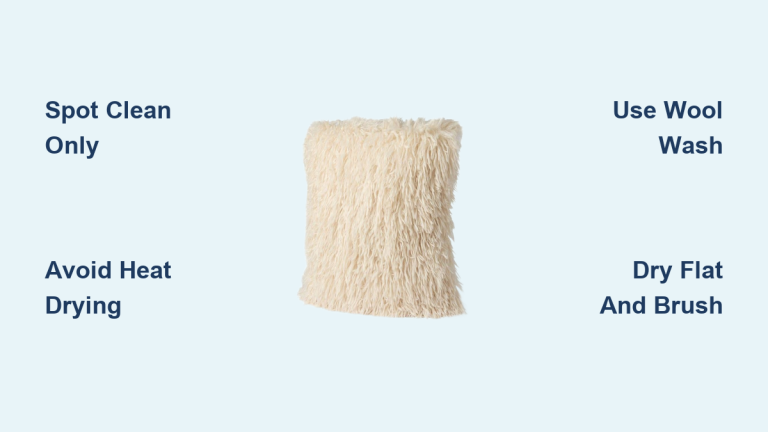
Wipe down electric pads with a damp cloth and never submerge them. Remove and wash fabric covers according to instructions. For microwavable pads, spot-clean the exterior and ensure the filling isn’t leaking.
Store Safely
Keep electric cords untangled and pads flat or loosely rolled. Store microwavable pads in a dry place. Moisture can promote mold, especially in grain-filled versions.
Check for Damage
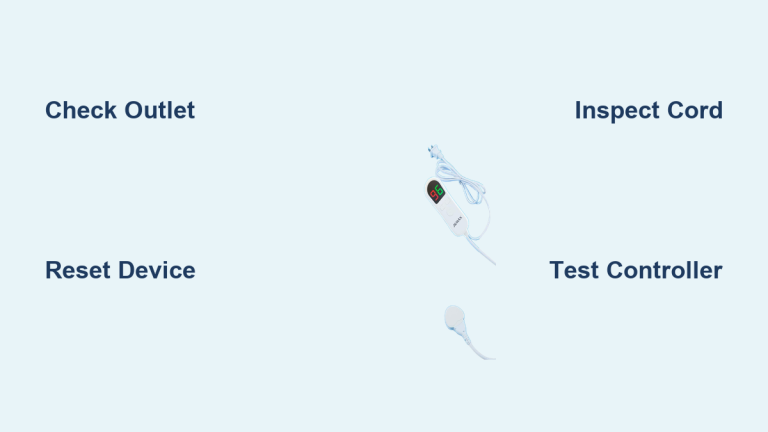
Inspect electric pads for frayed wires, discoloration, or hot spots. If the pad heats unevenly or smells burnt, discontinue use immediately.
Frequently Asked Questions About Soft Heat Heating Pads
How long should I use a soft heat heating pad per session?
For minor tension, 15 to 20 minutes is enough. For chronic pain or muscle spasms, you can extend sessions to 30 minutes. Never exceed 30 minutes unless using a low-heat disposable wrap designed for all-day wear.
Can I sleep with a soft heat heating pad on?
It is not recommended to sleep with a standard heating pad. Your body’s sensitivity drops during sleep, increasing burn risk. Low-heat electric models with auto-shutoff are an exception, but you should still unplug the pad before sleeping.
Is moist heat better than dry heat for pain relief?
Moist heat penetrates deeper into tissues and increases blood flow more effectively than dry heat. This makes it especially useful for individuals with over 25% body fat or those with deep muscle pain. Dry heat is more convenient and portable but can dehydrate your skin.
What type of soft heat pad is best for back pain?
Electric pads and microwavable grain pillows are popular for back pain relief. Electric pads offer consistent, adjustable warmth for home use. Grain pillows conform to body curves and provide targeted relief for up to 45 minutes.
Are soft heat heating pads safe for people with diabetes?
People with diabetes should avoid most heat therapy due to reduced skin sensitivity, which increases burn risk. Increasing room temperature is a safer alternative for whole-body warmth. Always consult a doctor before using any heat therapy if you have diabetes.
How do I clean and store my soft heat heating pad?
Wipe electric pads with a damp cloth and wash removable covers as instructed. Spot-clean microwavable pads and ensure they are dry before storing. Store pads flat or loosely rolled in a dry place to prevent mold and wire damage.
Key Takeaways for Using Your Soft Heat Heating Pad Safely
Using a soft heat heating pad correctly means balancing comfort, safety, and effectiveness. Start by choosing the right type for your needs: electric for home, microwavable for targeted relief, or disposable wraps for on-the-go use. Always use a towel barrier between the pad and your skin, limit sessions to 15 to 30 minutes, and never sleep with the pad on unless it’s a low-heat model with auto-shutoff.
If you have diabetes, neuropathy, or acute injuries, consult a healthcare provider before using heat therapy. For best results, alternate heat with cold therapy after the first 48 hours of an injury and stay hydrated to counteract the drying effects of dry heat.
Your next step: Check your pad’s condition before your next session. Look for frayed wires, leaks, or uneven heating, and replace it if needed. A well-maintained pad paired with proper technique can make a real difference in managing chronic pain or daily tension.