How to Use an Electric Heating Pad
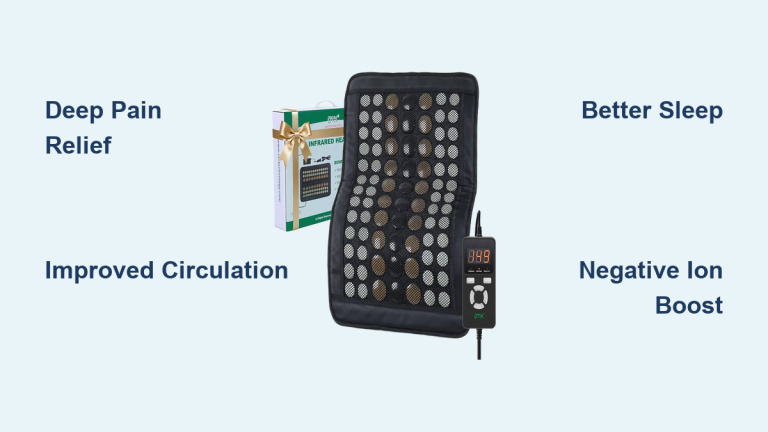
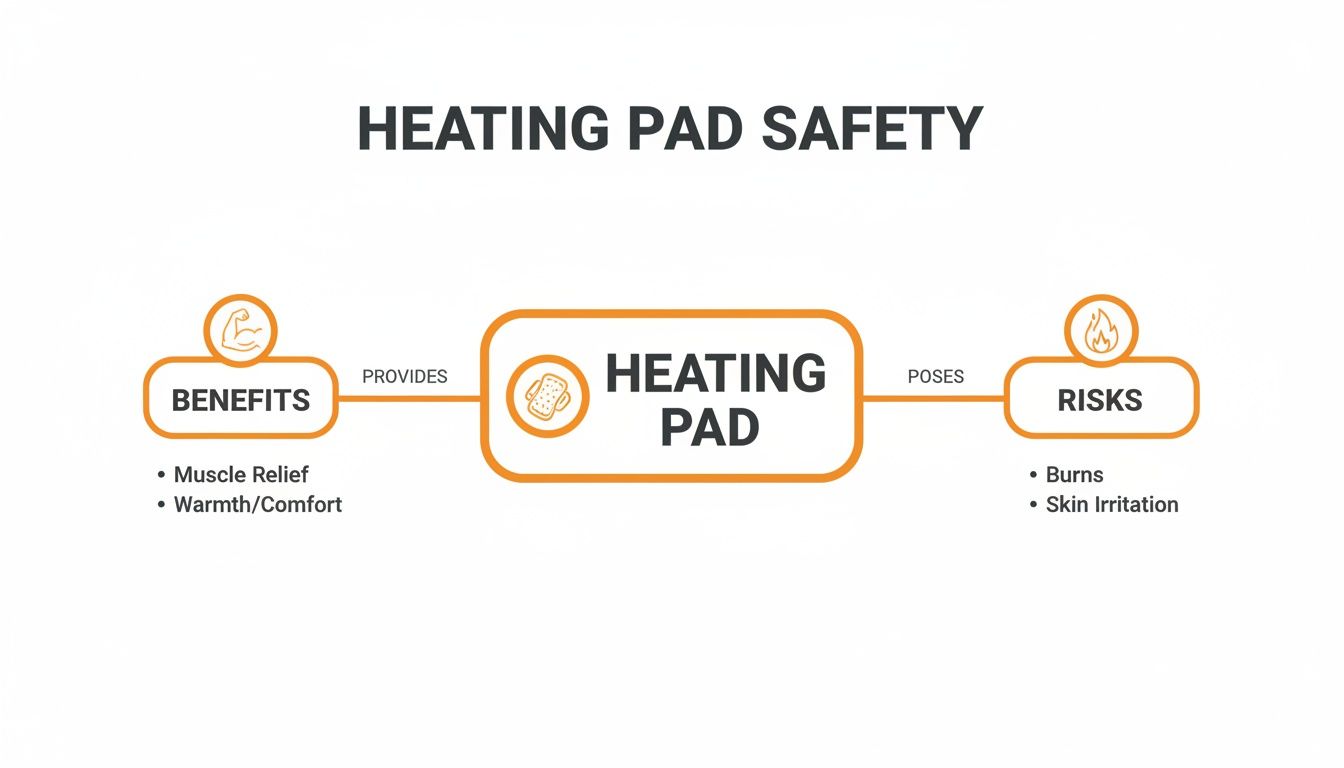
If you deal with sore muscles, menstrual cramps, or chronic back tension, an electric heating pad can deliver fast, drug-free comfort. These devices send gentle warmth deep into tissues, helping muscles relax and circulation improve. Yet even though they look simple, improper use can cause burns, electrical issues, or fire hazards. Learning how to use an electric heating pad the right way protects both your health and your home.
This guide walks you through every stage, from pre-use inspections to proper storage. You’ll pick up practical habits that keep your device working safely for years while getting the most therapeutic benefit from each session.
Pre-Use Safety Checks Before Plugging In
A quick inspection takes only seconds and prevents most heating pad accidents. Skipping this step is one of the leading causes of preventable injuries.
Inspect the Pad Surface for Damage
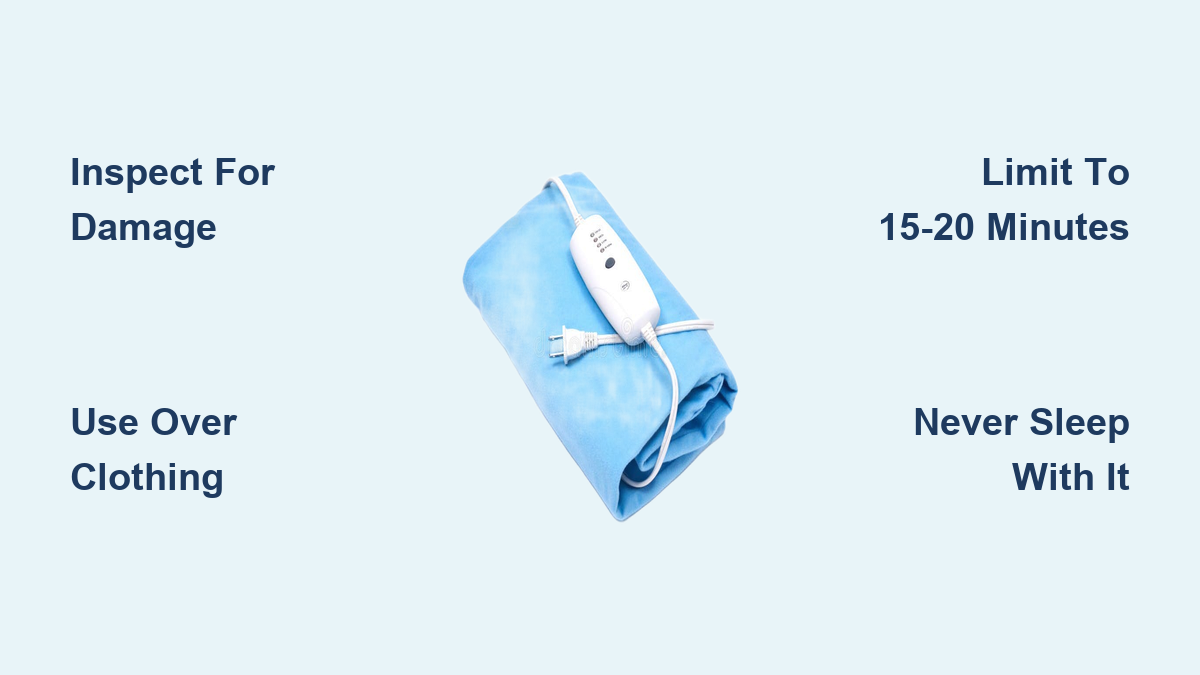
Run your hands over the entire pad and look carefully for scorch marks, discoloration, or worn fabric. Frayed material or exposed wires mean the internal heating element is compromised. Damaged elements can overheat, spark, or short out. Replace the unit right away rather than risking burns or a house fire.
Examine the Cord and Plug Carefully
Check the full length of the power cord and plug for cuts, kinks, or melted sections. A damaged cord raises the risk of electric shock and fire. Keep the cord away from rugs, furniture edges, and foot traffic where it can get pinched or overheated.
Confirm Medical Suitability First
If you have diabetes, poor circulation, or nerve damage, your skin may not register heat accurately. This greatly increases burn risk. Talk to your doctor before starting heat therapy. Infants and young children should never use electric heating pads, even briefly.
Setting Up Your Heating Pad the Right Way

Correct placement ensures the heat reaches the right area without creating safety problems.
Plug Directly Into a Wall Outlet
Always plug your heating pad into a standard wall outlet that shows no scorching or loose fit. Avoid extension cords and power strips, which can overheat under continuous draw. A direct connection keeps power stable and reduces fire risk.
Position the Pad Over Clothing, Not Bare Skin
Place the heating pad over a layer of clothing or a thin towel. Direct skin contact increases burn risk, especially during longer sessions. Target the painful area, such as the lower back, abdomen, shoulders, or neck. Never sit or lie directly on the pad. Body weight can crush internal wires and create dangerous hot spots. Stay seated upright or recline gently with the pad resting naturally.
Operating Your Heating Pad Safely
Once positioned correctly, follow a few simple rules during use to stay safe and comfortable.
Start on the Lowest Heat Setting
Most electric heating pads offer low, medium, and high temperature options. Always begin on the lowest setting and increase only if needed. Moderate warmth often works better than intense heat and is much safer for your skin.
If your model has a built-in timer, set it for 15 minutes. Timers prevent accidental overuse and stop the pad before you fall asleep.
Monitor Heat and Comfort Levels
After turning the pad on, give it a few minutes, then check the sensation. The pad should feel warm and soothing, never burning or stinging. If heat feels too strong, lower the setting or add another fabric layer. Avoid covering the pad with thick blankets while in use, since trapped heat can cause overheating.
Recommended Usage Duration and Frequency
How long you use heat therapy matters as much as the temperature setting.
Limit Each Session to 15 to 20 Minutes
For safe, effective relief, use your heating pad for no longer than 15 to 20 minutes per session. Extended exposure, even on low heat, can dry out skin, cause irritation, or lead to erythema ab igne, a skin discoloration caused by repeated heat exposure. Wait at least 1 to 2 hours between sessions to let skin recover.
Never Use a Heating Pad While Sleeping
Falling asleep with a heating pad is one of the most common causes of serious burns. When you lose consciousness, you cannot react to overheating. If you need warmth overnight, choose a heated blanket with auto-shutoff or a microwavable gel pack instead.
Safe Shutdown and Proper Storage Habits
How you end a session and store your pad affects both safety and lifespan.
Turn Off and Unplug Right Away
When finished, switch off the controller and unplug the pad from the wall. Don’t rely on the power button alone. Unplugging removes all electrical current and eliminates standby risks. Let the pad cool fully before moving or storing it.
Store Flat or Loosely Rolled
Never fold or crease your heating pad. Bending the internal wires can cause permanent damage and hot spots later. Instead, store it flat or loosely rolled in a dry, cool area away from moisture and sharp objects. A cloth bag or drawer keeps dust away.
Critical Warnings to Always Follow
Some uses are unsafe regardless of how careful you are.
Keep Away From Children and Infants
Electric heating pads are not safe for infants or young children. Their skin is thinner and more sensitive, making burns likely. Never leave a child alone with a heating pad, even for a moment.
Never Use as a Bed or Foot Warmer
Do not use the pad to pre-warm a bed or warm your feet overnight. This violates every major safety guideline and creates a serious fire risk. Use standard blankets or a certified heated mattress pad for those purposes.
Avoid Pins and Metal Fasteners
Never secure the pad with safety pins, clips, or metal fasteners. Metal conducts electricity and can overheat, causing burns or sparks. If you need to hold the pad in place, use fabric wraps or medical straps designed for heat therapy.
Troubleshooting Common Heating Pad Problems
Even with careful use, issues can appear. Here’s how to respond safely.
Uneven Heating or Hot Spots
If parts of the pad feel much hotter than others, stop using it immediately. This usually signals internal wire damage. Test on low over a towel. If hot spots remain, replace the unit.
No Heat or Power Failure
Confirm the outlet works by plugging in another device. Make sure the controller is on and set to a heat level. Inspect the cord for visible damage. If everything looks fine but the pad still won’t heat, the internal element has likely failed. Replace the pad.
Burning Smell or Smoke
Unplug the pad right away and stop using it. A burning odor signals serious electrical failure. Do not try to repair it yourself. Replace the unit and check the outlet for damage before plugging anything else in.
Caring for Your Heating Pad Long-Term
Simple maintenance keeps your device working safely for years.
Clean the Cover Regularly
Most heating pads have removable, washable covers. Wash them in cold water with mild detergent per manufacturer instructions. For pads without removable covers, wipe gently with a damp cloth and mild soap. Never submerge the electrical unit in water. Make sure everything is completely dry before use or storage.
Replace Every 3 to 5 Years
Even well-cared-for heating pads wear out. Plan to replace yours every 3 to 5 years, or sooner if you notice performance issues. Older units are more likely to fail and pose safety hazards.
When Heat Therapy Helps and When to Avoid It

Using heat at the right time improves results and prevents harm.
Use Heat for Chronic Muscle and Joint Pain
Heat works best for:
– Chronic back or neck pain
– Menstrual cramps
– Muscle stiffness after activity
– Arthritis discomfort during non-flare phases
Heat increases blood flow and helps tight tissues relax.
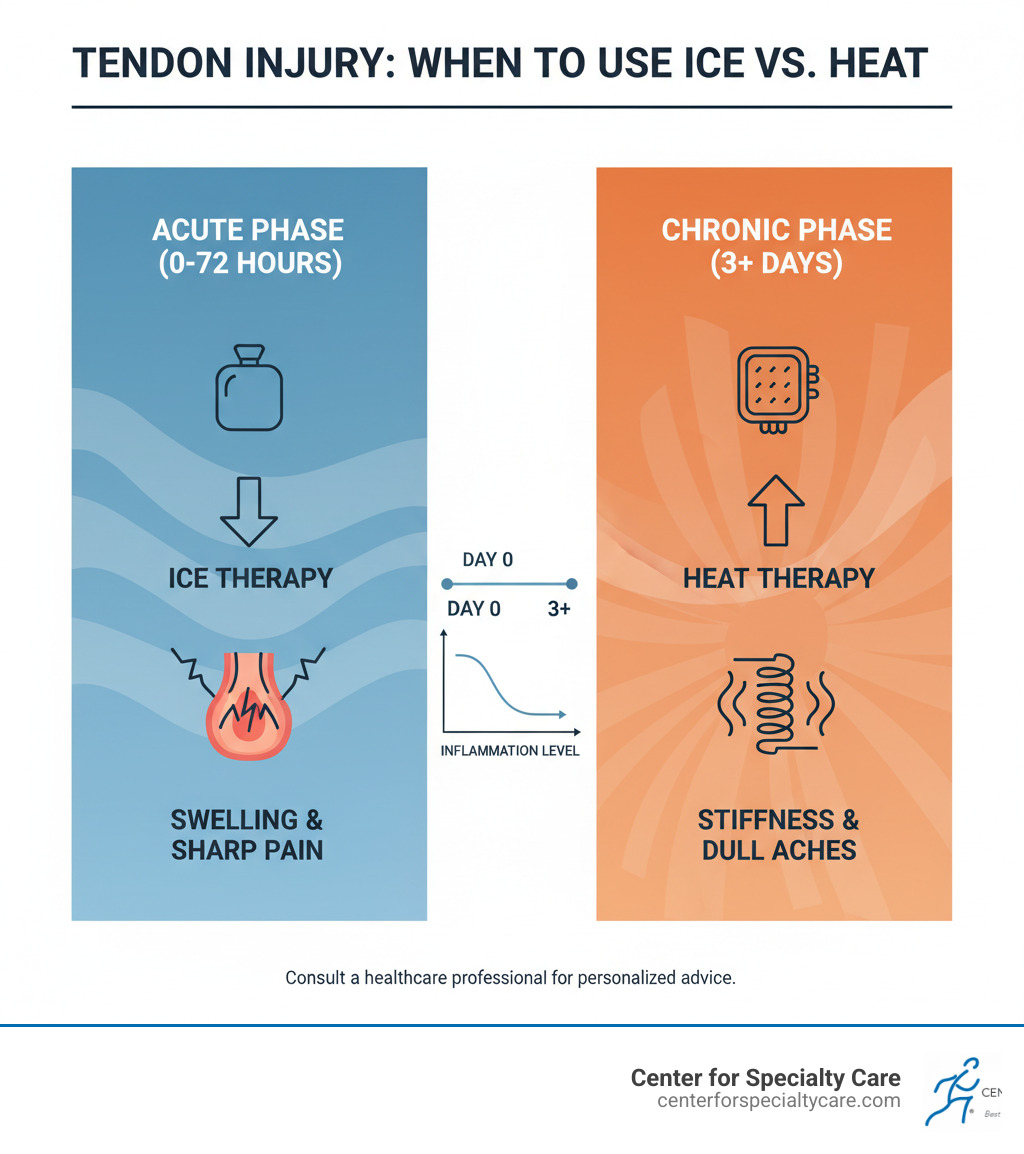
Avoid Heat for Acute Injuries
Skip the heating pad for:
– Fresh sprains or strains within the first 48 hours
– Swollen or inflamed areas
– Open wounds or skin rashes
In these cases, cold therapy reduces swelling and numbs sharp pain more effectively.
Frequently Asked Questions About Electric Heating Pads
Can I use a heating pad every day?
Yes, daily use is safe if you limit sessions to 15 to 20 minutes and allow 1 to 2 hours between uses. Check the pad regularly for wear and replace it every few years.
Is it safe to use a heating pad on my stomach?
Yes, placing the pad over your abdomen can help relieve menstrual cramps and digestive discomfort. Always use it over clothing and avoid direct skin contact.
What happens if I fall asleep with a heating pad on?
Falling asleep with a heating pad raises the risk of serious burns because you cannot respond to overheating. Many burns from heating pads happen this way. Always set a timer and unplug the pad before sleeping.
Can I use a heating pad during pregnancy?
Pregnant women should avoid prolonged heat exposure, especially on the abdomen. Short use on low settings may be acceptable, but consult your doctor first for personalized guidance.
How do I know if my heating pad is still safe to use?
Inspect the pad for scorch marks, frayed fabric, or damaged cords. Test it on a low setting over a towel. If you notice uneven heating, strange smells, or visible damage, replace the unit immediately.
Should I use heat or ice for a new injury?
Use ice for new injuries during the first 48 hours to control swelling. Switch to heat after the acute phase to relax muscles and improve circulation.
Key Takeaways for Safe Heating Pad Use
An electric heating pad is a simple, effective tool for managing everyday aches when used correctly. Always inspect the pad, cord, and outlet before each use. Keep sessions short, stay awake, and place the pad over clothing. Avoid folding the pad, never use pins, and keep it away from children. Replace aging units every few years to maintain safe performance.
For lasting relief without risk, stick to 15-minute sessions on moderate heat and give your skin time to recover between uses. If pain continues beyond a few days or gets worse, reach out to a healthcare provider to rule out any underlying condition.