
How to Fix Pillow Ear Issue
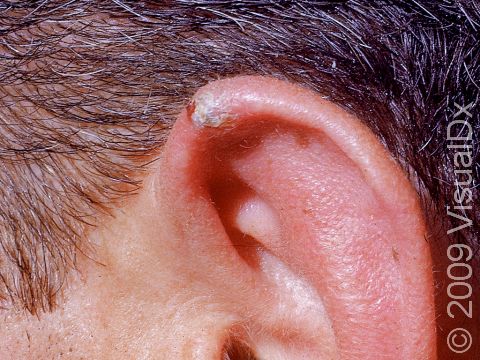
Waking up with a sore, red, or tender ear is a common complaint among side sleepers. This discomfort, often called “pillow ear,” happens when your head’s full weight presses directly on the outer ear for hours, restricting blood flow and irritating sensitive cartilage. Over time, repeated pressure can lead to a painful skin condition called Chondrodermatitis Nodularis Helicis (CNH), a pressure sore on the ear that resembles a small, flaky, red bump.
The good news is that pillow ear is both preventable and fixable. This guide covers practical strategies to eliminate ear pain at its source, from choosing the right pillow design to adjusting sleep positions and recognizing when professional help is needed.
Choose the Right Pillow
Use an Ear Hole Pillow
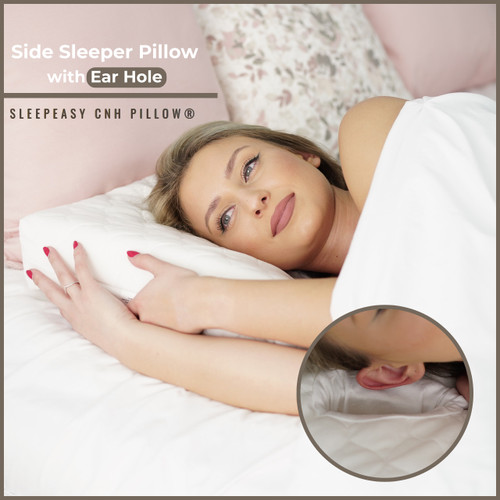
The most direct way to fix pillow ear is to remove pressure entirely with an ear hole pillow. These specialized designs feature a cutout or hollow section that lets your ear rest in a void, eliminating all contact with the pillow surface. Users often report immediate relief, describing it as the first time in years they’ve woken up without ear pain. This design also benefits people with ear piercings, tinnitus, or those recovering from ear surgery.
Pick Topper vs. Standalone Models
Decide between a topper or standalone model based on your current setup. A topper (like the Original V1) sits on top of your existing pillow, preserving your preferred neck support while adding ear relief. A standalone model (like the V2) replaces your entire pillow and typically offers upgraded materials such as plush memory foam and quilted covers. Standalone models are best for long-term use and users wanting a complete sleep upgrade.
Select a Waterproof, Wipe-Clean Version
If you’re treating CNH with steroid creams or ointments, a waterproof, wipe-clean pillow is essential. Standard pillows absorb medication, stain easily, and become unhygienic. A wipe-clean surface prevents bacterial buildup and product waste, making it critical for effective healing.
Adjust Pillow Loft for Alignment
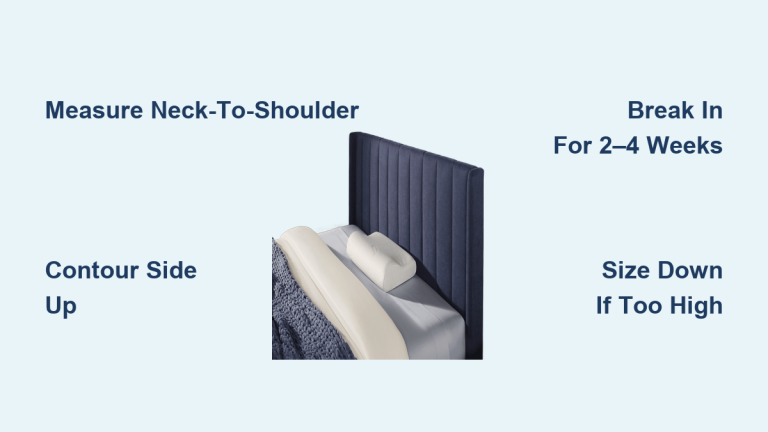
A pillow that’s too high or too low worsens ear pressure by misaligning your spine. For side sleepers, the pillow must fill the gap between your shoulder and head, keeping your neck in a neutral position. Choose a pillow with an adjustable fill, one with a YKK® zipper that lets you add or remove stuffing, to fine-tune the height to match your shoulder width.
Optimize Pillow Materials and Support
Choose Low-Friction Pillowcases
Rough fabrics like flannel can irritate sensitive ears and snag healing piercings. Instead, use silk or bamboo pillowcases. These materials are smooth, breathable, and reduce friction against the skin and cartilage. They also wick moisture, keeping your ear cool and dry, which helps prevent CNH flare-ups. High-thread-count cotton is a good alternative if silk or bamboo isn’t your preference.
Compare Core Pillow Materials
Different pillow fills offer varying levels of ear protection:
- Memory Foam: Offers excellent support and contouring, but solid memory foam without a cutout can still press hard on the ear.
- Latex: Naturally responsive and supportive, latex resists compression and maintains shape longer than polyester. It’s also hypoallergenic.
- Down/Feather: Soft and moldable, but may flatten over time, increasing ear pressure. Best paired with a cutout for side sleepers.
- Polyester Fill: Affordable but prone to flattening within months, leading to poor support and higher risk of pillow ear.
Test for Proper Neck Alignment
Even the best pillow fails if it doesn’t align your spine. Have someone take a photo of you lying on your side in bed. Your head should be level with your spine, not tilted up or down. If your ear is flattened or your neck is bent, adjust the pillow height until your ear hovers safely above the surface.
Apply Therapeutic Sleep Strategies
Alternate Sleeping Sides
Sleeping on the same side every night turns ear pain into a chronic issue. Train yourself to switch sides during the night. Set a gentle alarm 3 to 4 hours after falling asleep to prompt a roll. This gives each ear recovery time and prevents one-sided damage. Placing a small pillow behind your back can also discourage rolling back to your favored side.
Try Back Sleeping with Support
The most pressure-free position is sleeping on your back. It removes all ear compression and helps drain fluid from the Eustachian tubes. To make back sleeping comfortable, place a small pillow under your knees to relieve lower back strain. Transition slowly, as many side sleepers need a few nights to adjust.
Elevate Your Head 30–45 Degrees
Propping your head up 30 to 45 degrees reduces pressure on the ear and promotes fluid drainage, especially if you have Eustachian tube dysfunction. Use an adjustable bed frame or a wedge pillow to achieve this angle safely. Avoid stacking multiple standard pillows, which can misalign your neck.
Use Heat, Cold, and Massage
Apply a Warm Compress Before Bed
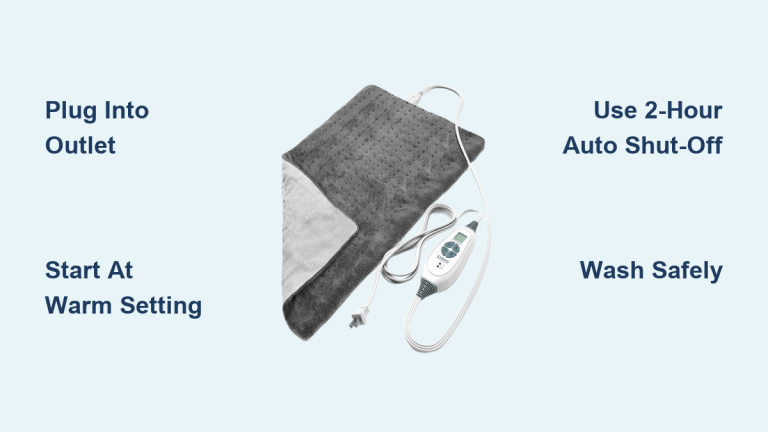
Heat relaxes tense muscles around the jaw and ear, improving blood flow to the area. Use a warm (not hot) compress for 10 to 15 minutes before sleep. This is especially helpful if your ear pain is linked to TMJ or muscle tension. Never apply heat during sleep, as it can cause burns.
Try a Cold Compress for Inflammation
If your ear is red, swollen, or acutely painful, a cold compress can numb the area and reduce inflammation. Apply for short periods of about 10 minutes before bed. Wrap the ice pack in a thin cloth to avoid direct skin contact.
Massage Ears and Jaw Gently
Gentle massage boosts circulation and relieves tension. Use your fingertips to rub around the base of the ear, the jaw joint, and the neck. This helps release TMJ-related referred pain. Avoid pressing directly on a CNH sore; massage the surrounding area only.
Maintain Pillow Hygiene and Replace on Schedule
Wash Pillowcases Weekly
Dust mites, bacteria, and dead skin cells build up fast and irritate sinuses and ears. Wash your pillowcase weekly in hot water using fragrance-free detergent. A clean surface reduces friction and keeps sensitive ears healthy.
Replace Pillows Every 18–24 Months
Most pillows should be replaced every 18 to 24 months. Memory foam may last 2 to 3 years, while down and polyester degrade faster. Signs it’s time for a new pillow include:
- Permanent indentations
- Loss of bounce back
- Head sinking too deeply
- Increased ear or neck pain
Dry Pillows Properly
When washing, follow care instructions carefully. For pillows with removable fill, add a tennis ball to the dryer to help fluff the filling and restore loft. Avoid high heat, which can damage fibers and waterproof coatings.
Recognize When to See a Doctor
Watch for Infection Signs
Pillow changes help, but they’re not a cure for infections. See a doctor if:
- Pain lasts all day
- You have fever, discharge, or hearing loss
- The ear is swollen or oozing
These could signal swimmer’s ear or a middle ear infection requiring antibiotics.
Identify CNH Early
CNH looks like a small, red, flaky sore on the outer ear. It’s warm, tender, and doesn’t heal. Many people mistake it for skin cancer. If creams aren’t working, pressure is likely the cause. The only real fix is zero-pressure sleep with an ear hole pillow, but get a proper diagnosis first to rule out malignancy.
Seek Help for TMJ or Chronic Pain
If jaw pain radiates to your ears, you may have TMJ disorder. A dentist or specialist can provide mouthguards or therapy. Likewise, chronic Eustachian tube issues may need medical intervention. Pillows support healing, but they don’t replace treatment.
Frequently Asked Questions About Pillow Ear
What causes ear pain after sleeping on my side?
Side sleeping presses your full head weight directly onto your ear, restricting blood flow and irritating the sensitive cartilage. This compression causes tenderness, redness, and sometimes lasting soreness. Low-quality or flattened pillows make the problem worse by failing to support proper neck alignment.
Can pillow ear lead to long-term damage?
Yes. Repeated nightly pressure can break down skin and cartilage faster than it can heal, especially as you age. This can lead to Chondrodermatitis Nodularis Helicis (CNH), a pressure sore that appears as a small, red, flaky bump on the ear. CNH often won’t heal unless pressure is completely removed.
How do I know if my ear pain is from my pillow or an infection?
Pillow-related pain typically fades within 30 minutes to an hour of waking and improves when you sleep on the opposite side or your back. Infection signs include pain that persists all day, fever, discharge, hearing loss, or swelling. If you notice any of these, see a doctor promptly.
What type of pillow is best for side sleepers with ear pain?
An ear hole pillow with a cutout design is the most effective option. It allows your ear to rest in a void, eliminating all pressure. Look for models with adjustable fill so you can customize the loft for proper spinal alignment. Waterproof, wipe-clean versions are ideal if you’re applying medication.
How often should I replace my pillow to prevent pillow ear?
Replace your pillow every 18 to 24 months. Memory foam may last up to 3 years, while down and polyester break down faster. Warning signs include permanent indentations, loss of bounce, and increased morning ear or neck pain. A flattened pillow forces your ear into the mattress and should be replaced immediately.
When should I see a doctor for ear pain?
See a doctor if at-home solutions show no improvement after two weeks, or if you experience severe pain, fever, discharge, hearing loss, or a sore that resembles skin cancer. Persistent ear sores should always be evaluated to rule out serious conditions before assuming the cause is pressure-related.
Key Takeaways for Fixing Pillow Ear
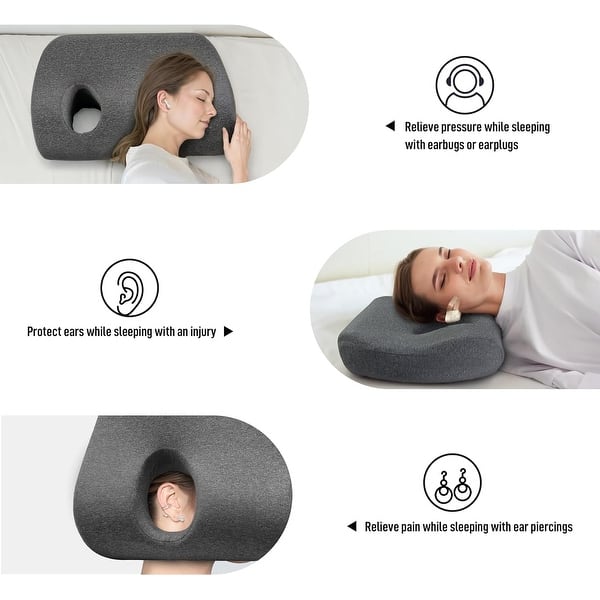
Pillow ear is preventable, and the fix starts with removing pressure at its source. The most reliable solution is an ear hole pillow, which eliminates direct contact with the ear and allows sensitive cartilage to heal. Pair this with smooth pillowcases like silk or bamboo, proper neck alignment, and good hygiene to stop pain before it starts.
If symptoms persist despite these changes, don’t ignore them. See a doctor to rule out infections, CNH, or TMJ disorders that may need medical treatment. With the right pillow and healthy sleep habits, you can wake up pain-free every morning.