How to Relieve Cramps Without Heating Pad
Menstrual cramps affect more than half of people who menstruate, often disrupting daily life during the first few days of their cycle. While heating pads are a popular go-to remedy, not everyone has access to one or may prefer drug-free, non-device solutions. The good news: you can relieve cramps without a heating pad using natural methods, movement, and over-the-counter support.
Cramps occur when the uterus contracts to shed its lining, driven by hormone-like substances called prostaglandins. High levels lead to stronger contractions and more pain. Though heat is effective at relaxing muscles and improving blood flow, it is not the only solution. This guide explores proven, accessible ways to ease cramps, no heating pad required.
Try These Cramp-Relief Exercises

Physical activity boosts circulation and triggers natural painkillers in the body. Even light movement can reduce prostaglandin levels and increase endorphins, helping ease menstrual discomfort.
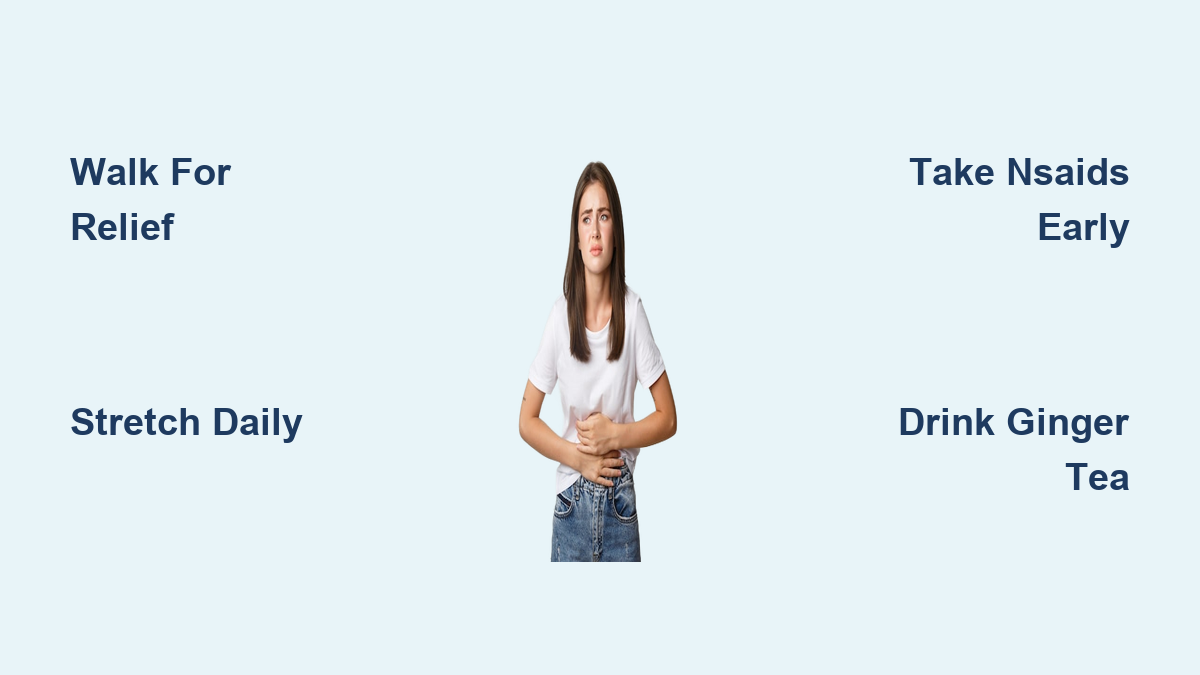
Walk to Reduce Pain Intensity
A short daily walk may significantly lessen cramp severity. One study found women with PMS reported reduced menstrual pain after an 8-week walking program. Just 20 to 30 minutes of low-impact walking increases pelvic blood flow and loosens tense muscles.
- Walk around your office, neighborhood, or living room
- Maintain a conversational pace and do not push too hard
- Pair with deep breathing for added relaxation
Walking is especially helpful if you feel sluggish or bloated. It is discreet, requires no equipment, and can be done almost anywhere.
Swim for Full-Body Relief
Swimming provides gentle resistance and buoyancy that takes pressure off the abdomen. The rhythmic motion of strokes like freestyle or breaststroke can help relax uterine muscles.
- Water supports your body, reducing strain
- Cool water may naturally dull pain signals
- Combine with controlled breathing to calm the nervous system
Even 15 to 20 minutes in a pool can make a difference. If swimming is not possible, soaking in warm water offers similar benefits.
Practice Yoga Poses That Target Cramps

Yoga combines stretching, breathwork, and mindfulness, three powerful tools against menstrual pain. Specific poses open the pelvis, release lower back tension, and improve circulation.
Effective cramp-relief poses:
– Child’s Pose (Balasana): Gently stretches the lower back and hips
– Cat-Cow Stretch: Mobilizes the spine and encourages pelvic movement
– Supine Twist: Releases abdominal tension
– Reclining Bound Angle Pose (Supta Baddha Konasana): Opens hips and relaxes uterine muscles
Hold each pose for 30 to 60 seconds, focusing on slow, deep breaths. Research from 2017 found yoga reduced both pain intensity and duration in people with primary dysmenorrhea.
Stretch Daily to Ease Menstrual Pain
Stretching improves flexibility, reduces muscle stiffness, and increases blood flow, all of which help combat cramps. Research shows stretching can be as effective as prescription pain relievers like mefenamic acid for reducing menstrual discomfort.
Perform Pelvic Tilts and Forward Bends
These simple stretches target the core and lower back, where cramp-related tension often builds.
Pelvic Tilt (Standing or Lying Down):
1. Lie on your back with knees bent or stand with hands on hips
2. Gently tilt your pelvis upward, flattening your lower back
3. Hold for 5 seconds, then release
4. Repeat 10 times
This movement engages abdominal muscles and relieves pressure on the uterus.
Seated Forward Bend (Paschimottanasana):
1. Sit with legs extended straight
2. Inhale, lengthen spine; exhale, fold forward from hips
3. Reach toward toes (go only as far as comfortable)
4. Hold for 30 to 60 seconds
Forward bends compress the abdomen gently, promoting blood flow and calming the nervous system.
Use Dynamic Stretching Routines
Instead of holding static stretches, try dynamic movements that warm up the body and encourage circulation.
- Leg swings (front-to-back or side-to-side): 10 reps per leg
- Hip circles: Stand and rotate hips in large circles, 10 clockwise, 10 counterclockwise
- Knee-to-chest pulls: Lie down, pull one knee to chest, hold 15 to 20 seconds, switch sides
Do these stretches upon waking or before bedtime to prevent cramp onset or ease nighttime discomfort.
Take OTC Medications Before Cramps Peak
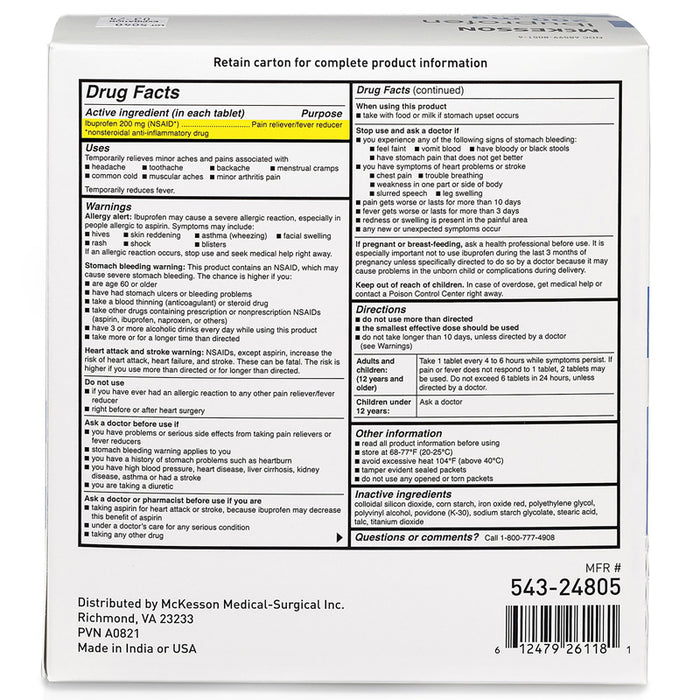
Over-the-counter pain relievers are most effective when taken early, ideally 1 to 2 days before your period starts.
Choose NSAIDs to Block Prostaglandins
NSAIDs (nonsteroidal anti-inflammatory drugs) directly target the root cause of cramps by reducing prostaglandin production.
Best options:
– Ibuprofen (Advil, Motrin): Take every 6 hours as needed
– Naproxen (Aleve): Longer-lasting; dosed every 12 hours
– Aspirin: Less commonly used, but still effective (avoid in children and teens)
NSAIDs reduce both pain and inflammation. For best results:
– Start taking them before bleeding begins
– Take with food to prevent stomach upset
– Follow dosage instructions carefully
Studies show NSAIDs provide superior relief compared to acetaminophen for menstrual cramps due to their anti-inflammatory action.
Consider Acetaminophen If You Cannot Use NSAIDs
Acetaminophen (Tylenol) works in the brain to reduce pain perception. While it does not reduce inflammation, it is gentler on the stomach and suitable for those with gastrointestinal sensitivities.
- Effective for mild to moderate cramping
- Can be combined with other remedies like stretching or tea
- Safe for most people when used as directed
If unsure which medication suits you, consult a healthcare provider, especially if you have liver, kidney, or stomach conditions.
Try Midol or Pamprin for Multi-Symptom Relief
Brand-name products like Midol and Pamprin combine several ingredients to tackle cramps, bloating, fatigue, and mood swings.
Typical components include:
– Acetaminophen or ibuprofen (pain relief)
– Caffeine (to counter fatigue, but may worsen cramps in some)
– Pamabrom (a diuretic to reduce bloating)
– Antihistamine (to promote sleep or reduce water retention)
Check labels carefully. Some versions contain caffeine, which can constrict blood vessels and potentially increase cramping.
Sip Cramp-Relief Teas for Natural Soothing

Warm liquids increase blood flow and soothe the digestive tract, which can indirectly ease uterine cramping. Certain herbal teas also contain compounds that reduce inflammation and muscle spasms.
Drink Ginger Tea to Match NSAID-Level Relief
Ginger has potent anti-inflammatory properties. A 2015 meta-analysis found ginger powder supplements were as effective as NSAIDs in reducing menstrual pain when taken during the first 3 to 4 days of menstruation.
How to use:
– Steep fresh ginger slices or powdered ginger in hot water for 5 to 10 minutes
– Add lemon or honey for taste
– Drink 2 to 3 cups daily during your period
Ginger may also help with nausea, a common PMS symptom.
Choose Chamomile and Peppermint for Calming Effects
Chamomile tea contains apigenin, a compound that binds to receptors in the brain and may reduce anxiety and muscle spasms.
- Known for mild sedative effects, great before bed
- May reduce prostaglandin levels
- Safe for most people
Peppermint tea relaxes smooth muscles and eases digestive discomfort, which can overlap with menstrual cramps.
- Contains menthol, which has a cooling, soothing effect
- Helps relieve gas and bloating
- Avoid if you have GERD or acid reflux
Opt for Green Tea in Moderation
Green tea contains antioxidants and small amounts of caffeine. One study linked drinking 3 to 5 cups daily with reduced menstrual discomfort, but be cautious with caffeine intake.
- Too much caffeine can restrict blood flow and worsen cramps
- Limit to 1 to 2 cups per day during your period
- Choose decaf versions if sensitive
Eat Anti-Inflammatory Foods to Prevent Cramps
Diet plays a key role in managing period pain. Foods that fight inflammation support hormonal balance and reduce prostaglandin production.
Focus on Fruits, Vegetables, and Lean Proteins
These nutrient-dense foods supply vitamins and minerals essential for muscle function and hormone regulation.
Top choices:
– Leafy greens (spinach, kale): High in magnesium, which relaxes muscles
– Berries (blueberries, strawberries): Rich in antioxidants
– Fatty fish (salmon, mackerel): Omega-3 fatty acids lower inflammation
– Nuts and seeds (almonds, flaxseeds): Provide healthy fats and fiber
A balanced diet supports long-term cycle health and may reduce cramp severity over time.
Avoid Alcohol and Tobacco
Both substances can worsen menstrual symptoms.
- Alcohol increases inflammation and can dehydrate you
- Tobacco reduces circulation and has been linked to more severe dysmenorrhea
Even cutting back temporarily during your period can lead to noticeable improvements.
Stay Hydrated to Reduce Bloating and Pain
Dehydration exacerbates cramping and bloating. When your body is low on fluids, muscles, including the uterus, become more prone to spasms.
Drink Water Throughout the Day
Aim for 8 to 10 glasses of water daily, especially during menstruation.
- Helps flush excess sodium and reduce water retention
- Supports optimal muscle function
- Prevents headaches and fatigue
If plain water feels boring, infuse it with cucumber, lemon, or mint.
Try Herbal Infusions as Hydration Boosters
Herbal teas count toward your fluid intake and offer additional benefits.
- Rooibos tea: Naturally caffeine-free, rich in antioxidants
- Nettle tea: High in iron and may support energy levels
- Fennel tea: Helps relax smooth muscles and reduce gas
Avoid sugary drinks and sodas, which can spike insulin and increase inflammation.
Use Lavender Aromatherapy for Muscle Relaxation
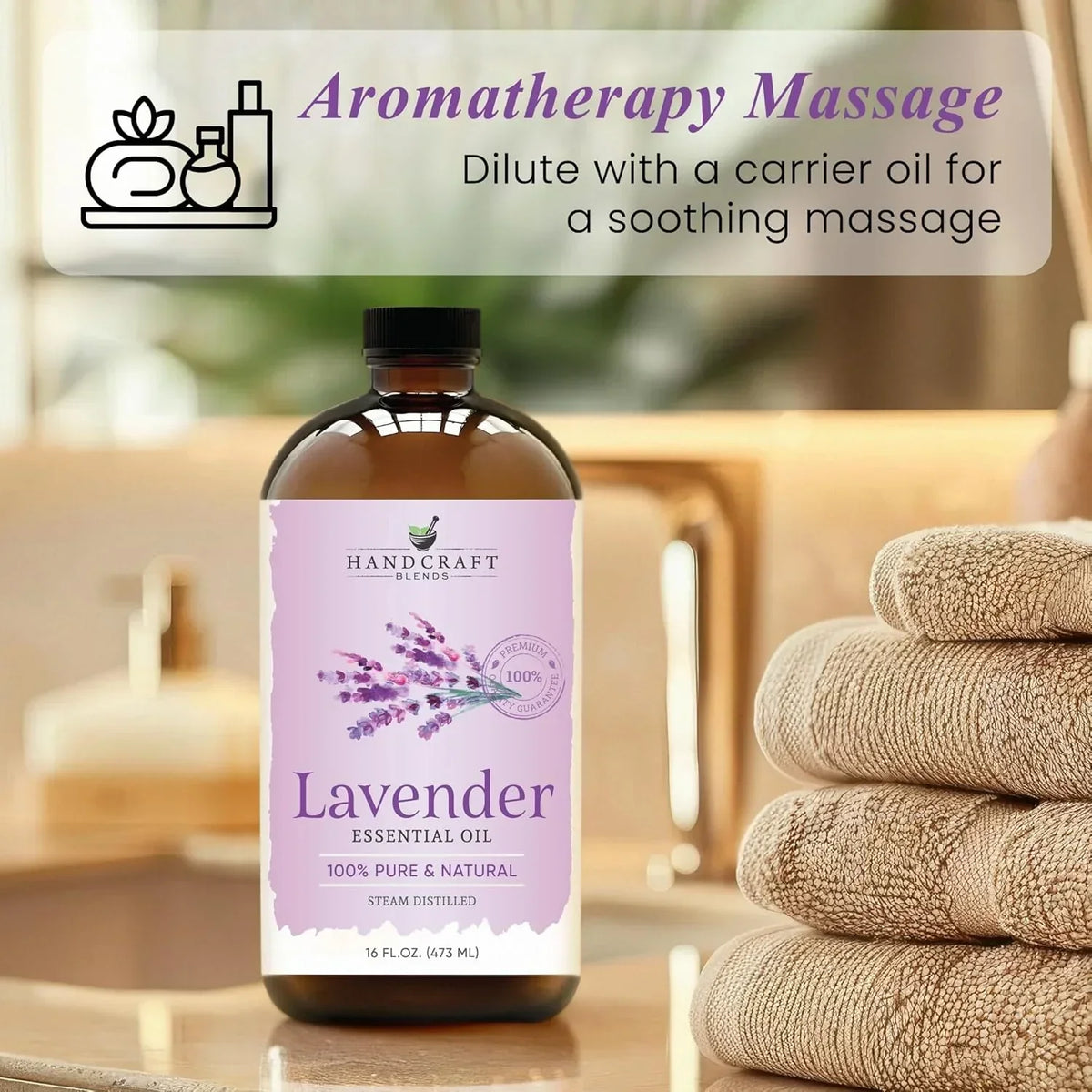
Scent can influence the nervous system. Lavender essential oil has been studied for its calming and pain-relieving effects.
Apply Diluted Oil to Pulse Points
Dilute 2 to 3 drops of lavender oil in a carrier oil (like coconut or almond oil) and apply to:
– Wrists
– Temples
– Lower abdomen
Massage gently to stimulate blood flow and enhance absorption.
Add to Bath or Diffuser
- Add 5 to 10 drops to a warm (not hot) bath
- Use a diffuser in your bedroom or workspace
One clinical trial found lavender aromatherapy significantly reduced menstrual pain compared to placebo. While more research is needed, many report subjective relief.
Masturbate to Boost Natural Pain Relief

Masturbation increases blood flow to the pelvic region and triggers the release of endorphins and oxytocin, natural hormones that reduce pain and promote relaxation.
Orgasm Can Relieve Uterine Tension
During orgasm, uterine contractions help expel menstrual fluid and may reset muscle tension.
- Some people experience full or partial cramp relief after climax
- Even arousal without orgasm can boost circulation and mood
It is a private, drug-free method backed by physiological mechanisms. According to Planned Parenthood, masturbation is a safe and healthy way to manage period symptoms.
Limit Caffeine to Improve Blood Flow
Caffeine constricts blood vessels, which can reduce oxygen delivery to the uterus and worsen cramps.
Avoid Coffee and Energy Drinks
- High caffeine intake linked to increased pain severity
- Can also disrupt sleep and increase anxiety
If you rely on coffee, try switching to:
– Decaf coffee
– Herbal teas (non-caffeinated)
– Golden milk (turmeric latte)
Cutting back, even for a few days, can improve comfort.
When to See a Doctor for Severe Cramps
Not all cramps are normal. If home remedies do not help, you may have an underlying condition.
Watch for Warning Signs
Seek medical advice if:
– Cramps are severe and disrupt daily life
– Pain lasts longer than 3 days
– You need OTC meds daily and still get no relief
– Symptoms worsen over time
Conditions like endometriosis, fibroids, or pelvic inflammatory disease can cause secondary dysmenorrhea and require diagnosis and treatment.
A healthcare provider can run tests, review your history, and recommend hormonal treatments (like birth control) or other therapies.
Frequently Asked Questions About Relieving Cramps Without a Heating Pad
What is the fastest way to relieve period cramps without heat?
Movement-based relief works fastest. A short walk, gentle stretching, or yoga can boost endorphins and circulation within minutes. For quicker relief, taking an NSAID like ibuprofen at the first sign of pain also helps block prostaglandins quickly.
Can drinking water really reduce menstrual cramps?
Yes. Hydration helps prevent muscle spasms, including in the uterus. Studies show adequate water intake is linked to reduced menstrual pain and distress. Aim for 8 to 10 glasses daily during your period.
Is ginger tea as effective as ibuprofen for cramps?
Research suggests ginger can be similarly effective. A 2015 meta-analysis found ginger powder matched NSAIDs in reducing menstrual pain when taken during the first few days of menstruation. Drinking 2 to 3 cups of ginger tea daily may offer comparable relief.
Does caffeine make period cramps worse?
Yes. Caffeine constricts blood vessels, which can reduce blood flow to the uterus and intensify cramping. Limiting coffee, energy drinks, and high-caffeine teas during your period may help reduce discomfort.
Can masturbation help with menstrual cramps?
Yes. Masturbation increases pelvic blood flow and releases endorphins and oxytocin, which are natural pain relievers. Many people report noticeable cramp relief after orgasm.
When should I see a doctor for period pain?
See a healthcare provider if cramps are severe, last more than a few days, do not improve with OTC medications or home remedies, or worsen over time. These could be signs of secondary dysmenorrhea caused by conditions like endometriosis or fibroids.
Key Takeaways for Relieving Cramps Without a Heating Pad
You do not need a heating pad to find relief from menstrual cramps. Movement, targeted stretches, OTC medications, hydration, and mindful self-care can all provide significant comfort. By understanding what triggers your pain and experimenting with these evidence-based strategies, you can take control of your cycle.
Start small: try a 10-minute stretch routine, sip ginger tea, or go for a walk. Over time, these habits can reduce both the frequency and intensity of cramps, helping you feel better, naturally.