How to Sleep Without a Pillow: Benefits Explained
Waking up with neck pain, facial creases, or stiff shoulders? You’re not alone. Millions of people are rethinking their sleep setup, and one surprising change is gaining attention: skipping the pillow entirely. While pillows have long been considered essential for comfort, research and real-world experiences suggest that eliminating them can offer real benefits for certain sleepers. From improved spinal alignment to fewer wrinkles and better breathing, the benefits of not using a pillow may surprise you. But it’s not for everyone. This guide breaks down exactly who stands to gain, who should avoid it, and how to transition safely so you can make an informed decision about your sleep health.
Why Stomach Sleepers Benefit Most from Skipping the Pillow

Stomach sleepers are the most likely to experience positive outcomes from going pillow-free. When you lie face down, a traditional pillow forces your head into an unnatural twist or tilt, straining your neck and spine with every night’s rest.
Reduces Neck Strain Without a Pillow
Without a pillow, the head rests flat on the mattress, aligning the cervical spine with the rest of the body. This minimizes lateral rotation and extension, which are common causes of morning stiffness and chronic neck pain. A high pillow exacerbates strain by elevating the head and increasing angular stress on vertebrae. Eliminating it allows for a more neutral posture, reducing long-term wear on muscles and joints.
Prevents Spinal Misalignment in Stomach Sleepers
Standard pillows disrupt spinal neutrality when you sleep on your stomach. The added height creates a hinge at the neck, throwing off alignment from head to pelvis. Lying flat without support keeps the spine in a straighter line, especially on a firm mattress. This can ease upper back tension and improve overall posture over time.
Lowers Risk of TMJ and Jaw Pressure
While going completely pillowless may increase facial compression, it avoids the exaggerated jaw tilt caused by thick pillows. For some stomach sleepers, this reduces strain on the temporomandibular joint. However, if nose or jaw pressure becomes uncomfortable, an ultra-thin pillow under one inch may offer a better balance.
When Back Sleepers Can Benefit from No Pillow
Back sleepers can benefit from skipping a pillow, but only under the right conditions. Most need some support, but those using overly thick pillows may actually be harming their alignment.
Promotes Neutral Head Position for Back Sleepers
A pillow that’s too high causes the chin to tuck forward, compressing the cervical spine and potentially narrowing the airway. Without a pillow, the head lies flush with the mattress, which can restore a natural neck curve, especially for people with flatter upper backs.
Enhances Airway Openness While Sleeping
Lying flat without elevation may improve breathing for some back sleepers. A neutral head position keeps the throat more open, reducing snoring and mild obstructive sleep apnea symptoms. However, this does not apply to everyone. Those with diagnosed breathing disorders may require slight elevation.
Mattress Firmness Becomes Critical
Without a pillow, your mattress firmness becomes essential. Soft surfaces allow the shoulders and hips to sink, creating spinal misalignment even if the head is level. A medium-firm to firm mattress is necessary to maintain full-body support and prevent lower back pain.
Why Side Sleepers Should Never Skip the Pillow
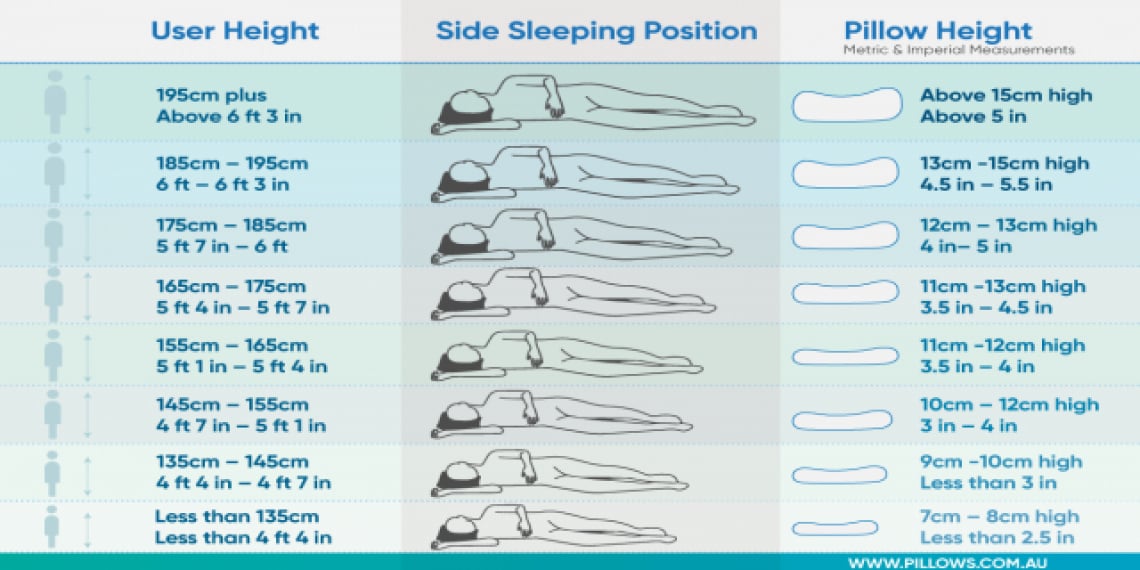
Side sleeping is the most common position, and it is also the one where not using a pillow is most harmful. The gap between shoulder and head demands proper support.
Causes Severe Neck Misalignment
Without a pillow, the head drops toward the mattress, forcing the neck into a sharp lateral bend. This uneven load stresses cervical discs, muscles, and ligaments, often leading to pain, stiffness, and nerve irritation within days.
Increases Risk of Shoulder and Head Pain
The unsupported head pulls on the trapezius and sternocleidomastoid muscles, causing tension headaches and upper back soreness. Over time, this can contribute to chronic postural issues like forward head posture and upper cross syndrome.
Leads to Poor Sleep Quality
Discomfort from misalignment disrupts sleep cycles. Many side sleepers report frequent awakenings, difficulty turning, and morning fatigue when attempting pillow-free sleep. Recovery typically occurs only after returning to proper support.
Skin Benefits of Sleeping Without a Pillow

One of the most compelling reasons to skip a pillow involves skin health. Repeated pressure from nightly contact can accelerate wrinkle formation and irritate sensitive skin.
Minimizes Sleep Wrinkles
Sleep wrinkles form when facial skin is compressed against a pillow. These differ from expression lines and often appear on cheeks, chin, and forehead. Back sleeping without a pillow eliminates this pressure, reducing mechanical folding that leads to permanent creases over time.
Decreases Exposure to Allergens and Bacteria
Pillows collect sweat, oils, dead skin, and dust mites, even with regular washing. These contaminants can clog pores and trigger acne, folliculitis, or allergic reactions. Removing the pillow cuts direct contact with this buildup, promoting clearer, healthier skin.
Improves Skin Respiration
Without fabric pressing against the face, airflow increases, allowing the skin to breathe more freely. This can reduce moisture trapping and irritation, especially for those prone to nighttime breakouts or rosacea flare-ups.
Breathing Improvements for Some Sleepers
Breathing efficiency during sleep is influenced by head and neck position. For certain individuals, eliminating a pillow can enhance airflow and reduce respiratory disruptions.
Keeps Airway More Open
Thick pillows can tilt the head forward, narrowing the upper airway and contributing to snoring. A flat, neutral position may help keep the throat open, improving oxygen flow and reducing breathing interruptions in mild obstructive sleep apnea cases.
Reduces Snoring in Neutral Positions
Back sleepers who snore due to chin tuck may find relief without a pillow. Maintaining a straight line from neck to spine prevents soft tissue collapse in the throat, leading to quieter, deeper sleep.
Not Suitable for All Breathing Conditions
People with moderate to severe sleep apnea or GERD often need slight elevation to manage symptoms. Lying completely flat can worsen acid reflux and increase apnea events. Always consult a healthcare provider before making changes if you have a diagnosed condition.
Eliminating Pillow Hygiene Problems
Pillows are breeding grounds for allergens, bacteria, and fungi, no matter how often you wash them. Skipping the pillow removes this hidden health risk entirely.
Stops Dust Mite Accumulation
Dust mites thrive in warm, humid environments like pillows. Their droppings are a common allergen linked to asthma, eczema, and nasal congestion. Without a pillow, this exposure is eliminated.
Reduces Nighttime Allergies
Frequent sneezing, itchy eyes, or postnasal drip upon waking may stem from pillow contamination. Removing the pillow can alleviate these symptoms, especially in allergy-prone individuals.
Avoids Mold and Mildew Buildup
Pillows absorb sweat and moisture, creating ideal conditions for mold growth, particularly in memory foam or down varieties. This can lead to respiratory irritation and musty odors. No pillow means no reservoir for microbial growth.
Special Considerations for Acid Reflux
While lying flat typically worsens GERD, a small subset of individuals report improved digestion without a pillow, though this is rare and highly individual.
Increases Risk of Heartburn
Gravity plays a key role in keeping gastric contents down. Without even slight head elevation, reflux symptoms often intensify, especially after late meals. Those with GERD are generally advised to elevate the upper body, not eliminate support.
Use Caution with Existing GI Issues
If you suffer from chronic acid reflux, esophagitis, or hiatal hernia, avoid going pillowless without medical guidance. A wedge pillow or bed risers are safer alternatives for managing nighttime symptoms.
Supporting Postural Realignment Over Time
For a small group of people, pillow-free sleep may encourage better daytime posture by training the body to maintain natural spinal curves.
Encourages Neutral Spine Habit
Over time, consistent alignment during sleep can reinforce healthier postural habits during waking hours. This may reduce slouching, shoulder rounding, and neck forward positioning.
Benefits Those with Minimal Cervical Lordosis
Some individuals naturally have a flatter neck curve. For them, a pillow creates unnecessary lift, forcing the head forward. Sleeping flat allows the spine to rest in its true neutral position.
Requires Time to Adapt
Muscles and ligaments accustomed to pillow support need weeks to adjust. Expect initial stiffness or discomfort as your body relearns proper alignment. Monitor symptoms closely and scale back if pain persists.
Why Infants Should Never Use Pillows
While adults may explore pillow-free sleep, infants should never use pillows, and this is a matter of life and death.
Prevents SIDS Risk
Pillows increase the risk of suffocation and sudden infant death syndrome. Babies lack the motor skills to reposition if their face becomes pressed into soft material. The American Academy of Pediatrics recommends a bare crib until age one.
Matches Natural Infant Anatomy
Infants have proportionally larger heads and straighter spines. Their bodies do not require head elevation during sleep. A firm, flat surface supports healthy development without added accessories.
Delay Introduction Until Age 2
Most experts recommend waiting until age two or older before introducing a pillow. Even then, choose a thin, firm option designed for toddlers to minimize risks.
Who Should Never Skip a Pillow
Not everyone can safely go without a pillow. For some, doing so poses serious health risks.
Side Sleepers Must Have Support
They make up about 60% of adults and absolutely require support. Skipping a pillow leads to immediate misalignment, pain, and long-term musculoskeletal damage.
People with Neck or Shoulder Injuries
Healing tissues need stable, supported positioning. Removing a pillow can delay recovery or worsen conditions like whiplash, rotator cuff tears, or cervical radiculopathy.
Pregnant Women Need Proper Support
Especially in later stages, proper support is crucial. Body changes increase pressure on the spine and pelvis. Full-body or wedge pillows help maintain comfort and circulation.
Sleep Apnea Patients Require Medical Guidance
Many rely on specific pillow heights to keep airways open. CPAP users often need contoured or elevated designs. Changing pillow use without guidance can reduce treatment effectiveness.
Post-Surgery Patients Need Prescribed Positioning
After cervical fusion, stroke, or spinal surgery, head positioning is medically prescribed. Never alter pillow use without clearance from a healthcare provider.
Transitioning Safely to Pillow-Free Sleep
Going cold turkey rarely works. A gradual shift increases comfort and success.
Start with a Folded Towel
Replace your pillow with a folded towel or thin travel pillow. Unfold it gradually over two to four weeks until no support remains. This gives muscles time to adapt.
Upgrade Your Mattress First
Ensure your mattress is firm enough to support a flat sleeping posture. Soft beds cause hips and shoulders to sink, undoing any alignment benefits.
Use Body Pillows for Support
Stomach sleepers should place a slim pillow under the pelvis to reduce lower back strain. Back sleepers can put a small roll under the knees to maintain lumbar curve. Side sleepers attempting transition should use a knee pillow to align hips.
Monitor Morning Symptoms
Track how you feel upon waking. Reduced neck pain and better mobility indicate a positive sign. Stiffness, headaches, or numbness are warnings to stop or adjust. Discontinue if negative effects last beyond two weeks.
Better Alternatives Than Going Pillow-Free
For most people, the solution is not no pillow, but the right pillow.
Choose Loft by Sleep Position
Side sleepers need four to six inches of pillow height. Back sleepers require three to four inches. Stomach sleepers should use less than two inches or no pillow.
Try Different Pillow Materials
Memory foam offers firm, contouring support. Buckwheat provides adjustable, breathable loft. Latex is durable and hypoallergenic. Down feels soft and moldable. Shredded foam allows customizable loft.
Use Silk or Satin Pillowcases
For skin and hair benefits, switch to smooth fabrics instead of removing the pillow. Silk reduces friction, prevents breakage, and minimizes moisture loss.
Replace Pillows Regularly
Change pillows every 18 to 24 months to maintain support and hygiene. Old pillows lose shape and accumulate allergens.
Consider Specialized Designs
Cervical pillows provide ergonomic neck support. Wedge pillows elevate for reflux or breathing issues. Full-body pillows aid alignment during pregnancy.
Frequently Asked Questions About Not Using a Pillow
Can not using a pillow help with neck pain?
Yes, but only for stomach sleepers. Removing a pillow can reduce neck strain by keeping the cervical spine aligned with the body. However, side and back sleepers typically experience worsened pain without proper support.
How long does it take to adjust to sleeping without a pillow?
Most people need two to four weeks to adapt. Initial discomfort including stiffness, difficulty sleeping, and mild pain is common during the first week. If symptoms persist beyond two weeks, the approach may not suit your body.
Does sleeping without a pillow cause wrinkles to disappear?
Sleeping without a pillow, particularly on your back, can prevent new sleep wrinkles from forming by eliminating facial compression. Existing wrinkles will not disappear, but the practice may slow the formation of new ones.
Is it safe to sleep without a pillow during pregnancy?
No, pregnant women should not skip pillows, especially in later stages. Proper support is crucial for spine alignment and circulation. Body pillows and wedge pillows are recommended for comfort and alignment during pregnancy.
What type of mattress is best for pillow-free sleep?
A medium-firm to firm mattress is essential. Soft mattresses allow shoulders and hips to sink, creating spinal misalignment even when the head is flat. Memory foam, latex, or hybrid mattresses with zoned support work best.
Can sleeping without a pillow improve sleep apnea?
It depends on the individual. Some back sleepers experience improved breathing with a neutral head position, but those with moderate to severe sleep apnea often need slight elevation. Always consult a sleep specialist before making changes.
Key Takeaways on the Benefits of Not Using a Pillow
The benefits of not using a pillow are real but highly selective. Stomach sleepers may gain improved spinal alignment, reduced neck pain, and fewer facial wrinkles. Back sleepers can experience benefits only if their current pillow is too high and they have adequate mattress support. Side sleepers should never attempt pillow-free sleep, as it causes severe neck misalignment, chronic pain, and poor sleep quality.
The key is listening to your body. If you wake up pain-free and rested, your setup is working. For most people, the answer lies not in elimination but in optimization. Finding the right pillow for your sleep position, body type, and health conditions will serve you far better than going completely pillowless. Consider trying a gradual transition with a thin towel or body pillow before committing to full pillow-free sleep, and always consult a healthcare provider if you have pre-existing spinal, respiratory, or gastrointestinal conditions.