How to Fluff Wool Pillow: Easy Tips
You wake up to a flat, lifeless wool pillow that no longer cradles your head the way it used to. It feels lumpy, compressed, and just does not feel right, yet you know wool is supposed to be resilient, breathable, and long-lasting. The good news? That pillow is not ruined. With the right fluffing techniques, you can restore its loft, freshness, and support in minutes.
Fluffing a wool pillow is not just about plumping it up for comfort. It is essential maintenance that prevents permanent compaction, maintains airflow, and keeps your neck properly supported. In this guide, you will learn daily and deep-refresh fluffing methods, safe drying tricks using tennis balls, how to sun your pillow for natural disinfection, and what never to do.
Daily Fluffing: Restore Shape in Seconds
Fluffing your wool pillow every day takes less time than brushing your teeth, but the impact on comfort and longevity is huge. Regular fluffing prevents permanent flattening and maintains the natural springiness of wool fibers.
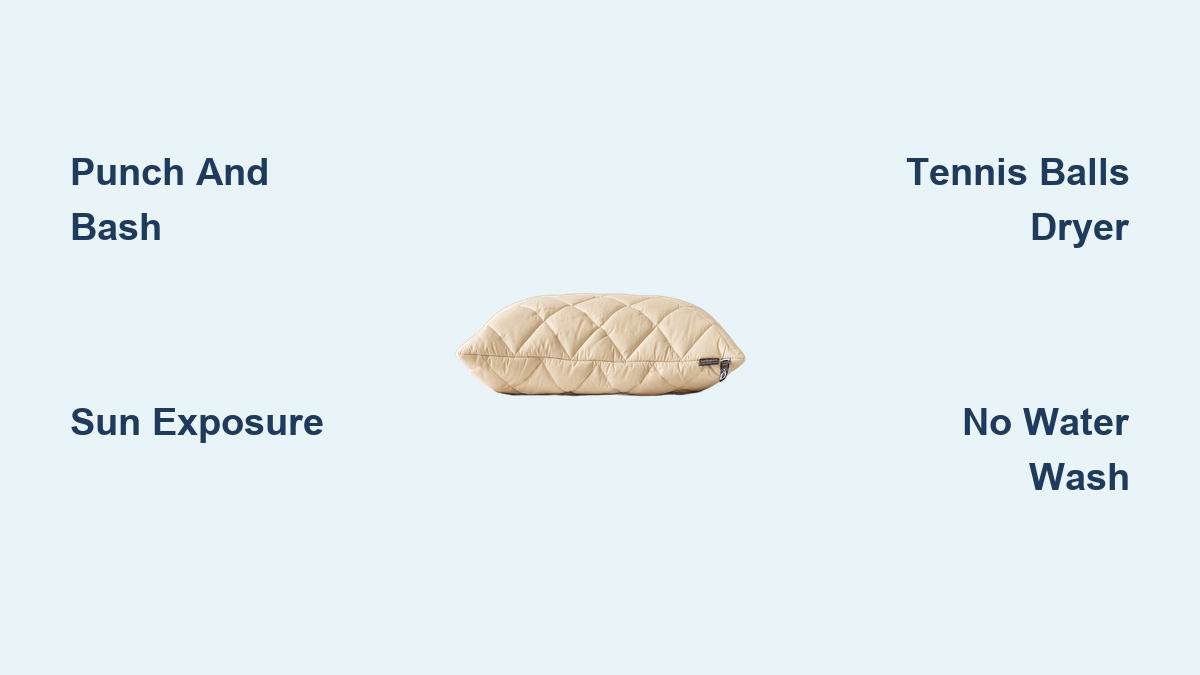
Punch and Bash for Instant Loft
Use both hands to firmly punch or “bash” the pillow from all sides. This breaks up compressed fiber clusters and reactivates wool is natural spring. Focus on the center and edges where flattening occurs most.
• Duration: 10 to 15 seconds
• Best time: Right after waking or before bed
• Visual cue: Watch for the pillow regaining its rounded profile
Think of it like kneading dough. Short, sharp movements work better than gentle squeezing.
Shake and Reshape Regularly
After punching, hold the pillow by two corners and give it a vigorous shake. Then fold it in half and press gently to redistribute fibers evenly.
• Avoid twisting or wringing, which can misalign the internal structure
• Rotate the pillow weekly to prevent one-sided wear
Common mistake: Skipping daily fluffing leads to deep matting that is harder to reverse later.
Deep Fluffing: Revive a Flat Wool Pillow

When daily fluffing is not enough and your pillow feels permanently sunken, it is time for a deep refresh. This process restores volume, eliminates odors, and reinvigorates fiber resilience, especially after months of continuous use.
Unzip and Access the Wool Core
Remove the outer cover and, if applicable, unzip the inner casing to expose the raw wool filling. Work on a clean table or outdoors to contain loose fibers.
• Caution: Never wet the exposed wool, as moisture causes felting and irreversible clumping
• Keep pets away during handling to prevent fiber ingestion
Manufacturer note: Obasan and Kouchini pillows are designed with full-zip access for easy core maintenance.
Break Up Compacted Fibers by Hand
Use your fingers to gently pull apart dense wool clusters. Work through the entire volume, focusing on flattened zones.
• Start from the edges and move inward
• Pull fibers apart vertically, not horizontally, to maintain loft direction
• Stop if you feel excessive resistance, which may indicate felting
Time estimate: 5 to 10 minutes per pillow.
Expert insight: High-crimp wool responds best to manual separation due to its natural elasticity.
Sun Your Pillow to Recharge Fibers

Sunlight is one of the most powerful tools for refreshing wool. It naturally disinfects, deodorizes, and revitalizes fibers without chemicals.
Air Out in Direct Sunlight for 2 Plus Hours
Place the exposed wool or whole pillow in direct sun. Ideal conditions include low humidity and a light breeze.
• Duration: Minimum 2 hours, up to 4 in strong sunlight
• Surface: Lay on a clean cotton sheet or drying rack
• Flip halfway to ensure even exposure
Why it works: UV rays kill bacteria and dust mites, while heat helps fibers expand and regain spring.
Winter Alternative: Use a Sunny Window
If outdoor sunning is not possible, place the pillow near a south-facing window with fresh airflow.
• Open the window slightly to allow circulation
• Leave for 4 to 6 hours during peak daylight
• Keep away from direct radiator heat, which can dry out fibers
Warning: Never leave wool in prolonged sunlight beyond 4 hours, as this can cause fiber brittleness over time.
Use Tennis Balls in Dryer for Extra Loft
For an extra boost in loft, use a dryer, but only under strict conditions to avoid damaging the wool.
Set Dryer to No Heat or Air Fluff
Place the pillow in the dryer with or without cover, per manufacturer instructions.
• Add two clean tennis balls to help break up clumps
• Select Air Fluff or No Heat setting
• Run for 10 to 20 minutes only
Tennis balls act like tiny fluffing hammers, agitating fibers without heat stress.
Check Manufacturer Guidelines First
Not all wool pillows tolerate dryer use. Always verify before proceeding.
• Obasan: Permits air-only cycles
• Kouchini: Check label, as some models allow cool tumble
Never use heat. Even low heat can shrink, felt, or degrade wool fibers permanently.
Wash Covers Only, Never the Wool Core
Keeping the pillowcase clean protects the wool inside, but washing the wrong part can destroy the pillow.
Remove Wool Before Washing Cover
Empty the filling into a clean container before laundering any cover.
• Use mild, natural detergent such as wool-safe or plant-based options
• Machine wash on cold, delicate cycle
• Hand-wash option: Soak in cool water with gentle soap, then rinse thoroughly
Hang Dry Covers, Never Use a Dryer
After washing, always air-dry the cover.
• Lay flat or hang vertically
• Drying time: Up to 24 hours depending on thickness
• Ensure 100 percent dryness before reinserting wool
Critical: Heat damages knit covers and risks melting stitching or shrinking fabric.
Choose High-Crimp Wool for Lasting Loft
Not all wool is created equal. The fiber is natural structure determines how well it rebounds after compression.
High-Crimp Wool Springs Back Better
Wool with tight, natural waviness, known as crimp, has superior resilience.
• Retains air pockets longer
• Resists matting and compaction
• Ideal for pillows requiring sustained support
Best breeds: Carpet-grade sheep like Icelandic or Romney produce coarser, curlier fleece built for durability.
Avoid Fine Merino for Pillow Stuffing
While soft, Merino wool lacks the structural strength needed for long-term loft.
• More prone to flattening
• Requires more frequent fluffing
• Better suited for clothing than bedding
Key insight: High-crimp equals high bounce-back. Choose pillows stuffed with resilient, curly wool for less maintenance.
Use Dowel Rods for Even Fiber Distribution
For deeply matted wool or during re-stuffing, dowel rods offer precise control over fluffing and alignment.
Smack Wool Between Two Rods
Lay the wool on a sheet and place two thin dowels parallel across the surface.
• Gently smack the rods together to aerate fibers
• Move across the entire layer for uniform fluffing
• Repeat in different directions for full revival
Best for: DIY wool pillows or when replacing old filling.
Alternative: Use rolling pins or smooth sticks if dowels are not available.
Prevent Flatness with Proactive Habits
The easiest way to keep your wool pillow fluffy is to prevent flattening before it starts.
Rotate and Flip Weekly
Change the pillow is orientation every 7 days.
• Flip front-to-back and top-to-bottom
• Helps distribute pressure evenly
• Extends time between deep refreshes
Use a Natural-Fiber Pillowcase
Cotton, bamboo, or linen cases wick moisture and reduce oil transfer.
• Wash weekly to prevent soiling
• Protects inner cover from sweat and skincare products
Avoid synthetic cases. They trap heat and moisture, accelerating fiber degradation.
Store Properly During Off-Seasons
If storing a wool pillow long-term, proper setup prevents mustiness and fiber damage.
Keep in Breathable Cotton Bag
Never use plastic, as trapped moisture leads to mildew.
• Opt for muslin or linen storage sacks
• Add cedar chips or lavender sachets for odor control
• Store in cool, dry place with airflow
Check every 2 to 3 months for signs of moisture or pests.
Spot Clean Stains, Never Soak
Accidents happen, but full washing is never the answer for wool cores.
Blot with Damp Cloth and Mild Soap
For small stains on the cover, mix cool water with a drop of gentle detergent. Dab the affected area and blot dry with a clean towel.
Never saturate the cover. Water penetrating the core can cause irreversible felting.
Know When to Add Wool or Replace
Even with care, pillows lose volume over time. Here is when to intervene.
Add More Filling for Extra Loft
If fluffing does not restore shape, purchase organic wool filling from the manufacturer. Open the inner casing and add 50 to 100 grams of loose wool. Mix new fibers with existing ones for even distribution.
Pro tip: Overstuff slightly, as wool settles within a week.
Replace If These Signs Appear
• Pillow remains flat after deep fluffing and sunning
• Visible thinning or holes in fiber mass
• Persistent musty smell despite airing
• Over 10 years old with declining performance
Lifespan: Well-maintained wool pillows last 5 to 10 years, twice as long as synthetic alternatives.
Follow Brand-Specific Care Rules
Manufacturers design their pillows with specific maintenance in mind. Always follow their guidelines.
Obasan Pillow Care
• Fluff daily by punching and bashing
• Sun twice yearly, spring and fall
• Air-dry only, no machine drying for covers
• Use tennis balls in air-only dryer cycles
Kouchini Pillow Guidelines
• Regular fluffing and sun exposure
• Removable zip cover, wash cold, hang dry
• Supports wool refills for renewed loft
When in doubt, contact the brand before using heat, water, or unfamiliar methods.
Maximize Benefits of Fluffed Wool Pillows
Proper fluffing does not just improve comfort. It unlocks wool is full natural advantages.
Sleep Cooler and Cleaner
Fluffed fibers trap air efficiently, enhancing wool is thermoregulation.
• Wicks moisture away from skin
• Prevents overheating during sleep
• Natural antimicrobial properties stay active when aired regularly
Support Spine Alignment Longer
A well-maintained wool pillow keeps its shape, providing consistent neck support.
• Reduces morning stiffness
• Helps maintain neutral spine position
Reduce Allergens Naturally
Regular sunning and cover cleaning minimize dust mites and allergens without sprays or chemicals.
Bonus: Wool is naturally flame-resistant and biodegradable, making it an eco-friendly bedding choice.
Frequently Asked Questions About Fluffing Wool Pillows
How often should I fluff my wool pillow?
Fluff your wool pillow daily, ideally after waking or before bed. This takes just 10 to 15 seconds but prevents permanent compaction and maintains loft over time.
Can I put my wool pillow in the dryer?
Only on air-only or no-heat settings, and only if your manufacturer permits it. Add two clean tennis balls to help break up clumps. Never use heat, as it can shrink, felt, or permanently damage wool fibers.
Why does my wool pillow keep going flat?
Wool fibers naturally compress over time with nightly use. Daily fluffing prevents this. If flattening persists despite regular care, the pillow may need deep refreshing or additional wool filling.
Can I wash the wool filling inside my pillow?
Never wash the wool core. Moisture causes felting and irreversible clumping. Only the outer and inner covers should be washed, and always on cold, delicate cycles with air-drying.
How do I know when to replace my wool pillow?
Replace when the pillow remains flat after deep fluffing and sunning, shows visible thinning or holes, has a persistent musty smell despite airing, or is over 10 years old with declining performance.
What type of wool stays fluffiest longest?
High-crimp wool from carpet-grade breeds like Icelandic or Romney stays fluffiest. These fibers have natural waviness that springs back after compression, unlike fine Merino wool, which flattens more easily.
Key Takeaways for Fluffing Your Wool Pillow
A wool pillow is an investment in healthy, sustainable sleep, but only if cared for correctly. Fluff daily using the punch and bash method to maintain shape and prevent permanent matting. Refresh seasonally with sun exposure and manual fiber separation to restore volume and eliminate odors. Clean covers regularly using cold water and air-dry only, but never wash the wool core itself, as moisture causes irreversible felting.
Use tennis balls in air-only dryer cycles sparingly and only when permitted by the manufacturer. Store pillows in breathable cotton bags during off-seasons, and replenish filling when needed by purchasing compatible organic wool. Choose high-crimp, durable wool types for longer-lasting loft, and follow brand-specific care guidelines from manufacturers like Obasan and Kouchini.
With these simple habits, your wool pillow will deliver restful nights and lasting comfort for years to come.