How to Flatten a Pillow Fast: Quick Tips
You just unboxed a new pillow, only to find it is too thick and stiff. Or maybe your favorite pillow puffed up after washing and no longer feels right. Whatever the reason, you need to flatten a pillow fast—and you want it done safely, without ruining its support or comfort. The good news: with the right techniques, you can flatten most pillows in minutes to days, depending on the material. Whether it is memory foam, down, polyester, or fiberfill, this guide delivers proven, fast methods backed by material science and expert care practices. You will learn how to soften, compress, and reshape your pillow quickly while preserving its lifespan and hygiene.
Apply Heat to Soften Fast
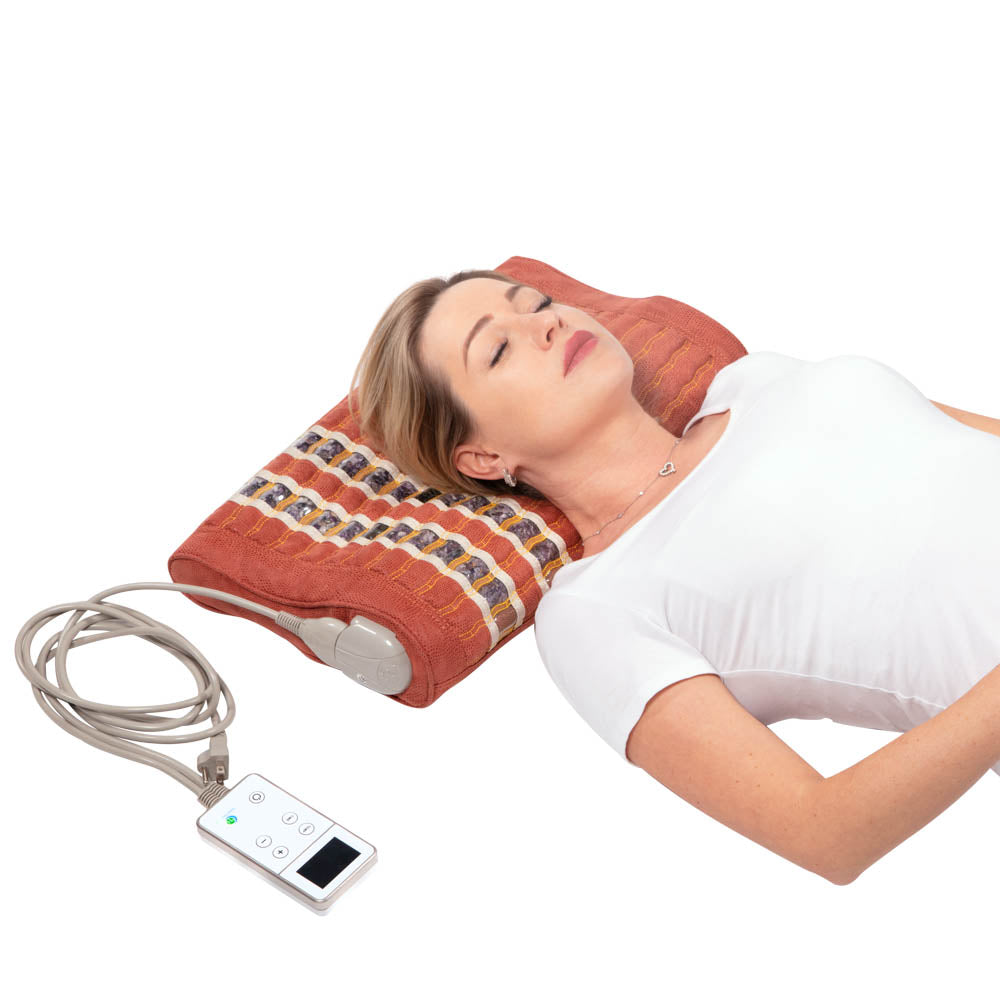
Heat is one of the fastest ways to loosen stiff pillow fibers and prepare them for compression. It is especially effective for temperature-sensitive materials like memory foam.
Use a Heating Pad or Hot Water Bottle
Place a heating pad or hot water bottle on top of the pillow for 10 to 15 minutes on medium heat. This warms the internal structure, softening memory foam cells so they compress more easily under pressure.
- Best for: Memory foam, gel-infused foam, high-density fiberfill
- Pro tip: Warm the pillow just before bedtime. Your body heat will further accelerate molding.
- Avoid: Latex, feathers, or silk-filled pillows, which can degrade under heat.
Warm With a Radiator or Space Heater
Set the pillow near (not on) a radiator or space heater for about 10 minutes. The ambient warmth helps relax tightly packed fibers.
- Safety first: Never leave unattended. Keep flammable materials away.
- Visual cue: Pillow should feel warm to the touch, not hot.
- Works well for: Synthetic fiber, memory foam, cotton
Expose to Sunlight
Lay the pillow in direct sunlight for 30 to 60 minutes per side. UV rays and natural heat break down stiffness in overstuffed or new pillows.
- Ideal for: Down, fiberfill, cotton, ventilated memory foam
- Caution: Limit exposure to 2 hours total to prevent fabric fading or foam brittleness.
- Bonus: Sunlight naturally deodorizes and kills dust mites.
Tumble Dry for Quick Flattening
Tumble drying is one of the fastest and most effective ways to flatten and restore pillows after washing, or to speed up the break-in process.
Dry on Low Heat With Dryer Balls
Set the dryer to low heat and low tumble for 15 to 30 minutes. Add 2 to 3 clean tennis balls or wool dryer balls to break up clumps and distribute filling evenly.
- Check first: Look for the tumble dry symbol (a circle inside a square). If it is crossed out, skip this method.
- Perfect for: Down, polyester, fiberfill, and some memory foam (if label permits)
- Avoid: Feathers (can scorch), latex (heat-sensitive), silk
Fluff During Drying
Stop the dryer every 20 minutes to manually fluff and reshape the pillow. This prevents uneven clumping and ensures consistent softening.
- Time-saver: This step cuts drying time and improves flattening results.
- Hygiene tip: Only dry completely clean, damp-free pillows to prevent mold.
Beat or Knead to Break Stiffness

Mechanical agitation physically breaks up dense clusters and redistributes stuffing, ideal for fluffy or overstuffed pillows.
Beat With a Broom Handle
Lay the pillow flat on the floor and strike it firmly 10 to 20 times per side with a broomstick, rolling pin, or rug beater. Focus on the center and stiff areas.
- Why it works: Shocks the internal structure, loosening compressed fibers.
- Best for: Down, feather, fiberfill, cotton
- Avoid: Memory foam and latex, as impact can damage cellular integrity.
Knead by Hand
Use your hands to push, squeeze, and massage the pillow like dough. Rotate and work from edge to center.
- Duration: 2 to 3 minutes per side
- Great for: Cotton, down, fiberfill, and adjustable-loft pillows
- Pro tip: Do this daily after washing to maintain even loft.
Weigh It Down for Controlled Compression
Applying sustained pressure mimics long-term use and helps pre-mold the pillow to your preferred shape, fast.
Use Body Weight
Lie on the pillow for 2 to 3 minutes before sleeping or while reading in bed. Your weight compresses it gradually without damage.
- Best for: All pillow types except delicate fills
- Hack: Rest your legs on it during evening relaxation for extra flattening time.
Add Heavy Objects
Place flat, heavy items like books, suitcases, or boards with weights on top of the pillow for several hours or overnight.
- Ideal pressure: 10 to 20 lbs distributed evenly
- Works fastest with heat: Combine with a heating pad for memory foam (1 to 2 hours).
- Avoid: Sharp or uneven objects that could puncture or deform the pillow.
Speed Up Memory Foam Flattening

Memory foam resists quick changes but responds well to heat and gradual compression.
Warm Before Compressing
Apply a heating pad for 10 minutes, then immediately lie on the pillow or place heavy objects on it.
- Science behind it: Heat reduces foam viscosity, allowing cells to collapse more easily.
- Timeframe: Achieve 1 to 2 days worth of softening in just hours.
Sleep on It Strategically
Use the pillow consistently for 3 to 7 nights. For faster results, sleep in the same position each night and avoid flipping it too often during break-in. Warm your body first with a hot shower or warm drink to enhance foam response.
Never Soak or Machine Wash
Unless the label explicitly allows it, do not submerge memory foam. Water can cause permanent damage, and improper drying leads to mildew. Spot-clean only.
Restore Flattened Shape After Washing
Washing often makes pillows puff up or clump. Here is how to flatten them safely.
Dry Completely First
Air-dry in a ventilated area or use a dryer (if safe). Ensure 100 percent dryness before flattening, as dampness causes mildew and odor.
- Test: Press the center. If no moisture appears, it is dry.
Fluff and Reshape Mid-Dry
If using a dryer, stop every 20 to 30 minutes to fluff by hand and redistribute filling. This prevents hard clumps and speeds flattening.
Finish With Pressure
Once dry, apply beating, kneading, or weighting to achieve desired flatness.
- Down/feather: Tumble dry with balls, then beat gently
- Fiberfill: Knead and press under books
- Memory foam: Skip machine drying. Air-dry and use heat plus body weight.
Flattening by Pillow Type

Different materials respond uniquely to flattening techniques. Use this guide to choose the safest, fastest method.
Down and Feather Pillows
- Flattening time: 1 to 2 weeks (regular use), 3 to 5 days (accelerated)
- Best methods: Tumble dry on low with dryer balls, beat gently with a broomstick, sunlight exposure (30 min per side)
- Avoid: High heat, moisture during drying
- Pro tip: Fluff daily to maintain even loft and prevent clumping.
Polyester or Fiberfill Pillows
- Flattening time: 2 to 3 days (use), 1 day (accelerated)
- Best methods: Tumble dry with tennis balls, knead by hand or beat lightly, sunlight or radiator warming
- Maintenance: Fluff daily to prevent fiber clumping.
Latex Pillows
- Flattening difficulty: High, as latex is highly resilient.
- Behavior: Returns to original shape quickly.
- Best approach: Only temporary flattening via weighting (overnight). No permanent flattening is possible without damage.
- Expert insight: Choose latex if you want long-term support without flattening.
Cotton and Buckwheat Pillows
- Cotton: Responds well to kneading and sunlight. Hand-fluff after washing.
- Buckwheat: Adjust height by removing hulls, not flattening. Shape adapts to head via hull movement, so no compression is needed.
Quick Fixes and Temporary Solutions
Need an instant fix? These tricks reduce perceived loft fast, even if they are not permanent.
Stuff Pillowcase With Soft Fill
Insert clean cotton, batting, or rolled towels into an oversized pillowcase along with the pillow. This cushions the feel and reduces firmness.
- Why it works: Adds give between your head and the pillow.
- Best for: Overly firm new pillows.
- Limitation: Temporary. Remove once the pillow naturally softens.
Fold or Roll the Pillow
For stomach sleepers who need a flat profile, fold the pillow in half or roll the edges under.
- Caution: Avoid with memory foam, which can cause creasing or damage.
- Better alternative: Use a low-loft pillow designed for stomach sleeping.
Prevent Future Flattening Issues
Once you have achieved the perfect flatness, maintain it with smart care habits.
Fluff Daily
Shake and pat your pillow every morning to redistribute filling and prevent clumping.
- Time: 15 to 30 seconds
- Benefit: Extends lifespan and keeps shape consistent.
Rotate Weekly
Turn the pillow end-to-end weekly to ensure even wear and compression. This prevents one side from flattening faster than the other.
Use a Pillow Protector
Washable, breathable protectors shield against sweat, oils, and dust, helping maintain structure. Wash every 1 to 2 months to keep the pillow fresh and hygienic.
Replace on Schedule
Even with care, pillows degrade. Replace them before they lose support.
- Memory foam: 2 to 3 years
- Down/feather: 1 to 2 years
- Fiberfill: 1 to 2 years
- Latex: 3 to 5 years
Choose the Right Pillow to Begin With
The best way to avoid flattening stress? Pick a pillow that matches your sleep style.
Match Loft to Sleep Position
- Side sleepers: Need higher loft. Do not over-flatten.
- Back sleepers: Moderate height. Flattening improves alignment.
- Stomach sleepers: Need flat pillows. Consider low-loft or foldable designs.
Consider Adjustable Options
Pillows with removable fill (like down or fiber inserts) let you customize loft without force. Add or remove stuffing to fine-tune height. This is ideal for trial-and-error sleepers.
Look for Adaptive Materials
Brands like Puffy use pressure- and temperature-responsive foams that mold quickly to your body, reducing the need for manual flattening.
Final Tips for Fast, Safe Flattening
- Always check the care label: Never assume a method is safe. Verify dryer, heat, and washing instructions.
- Combine methods: Heat plus compression equals fastest results for memory foam.
- Be patient: Even with acceleration, some settling takes time.
- Preserve support: Flattening should not mean losing neck support. Adjust gradually.
- Hygiene first: Use clean tools and dry materials to avoid mold or odor.
Flattening a pillow fast is not about brute force. It is about using the right technique for the material. With heat, pressure, agitation, and smart maintenance, you can achieve the perfect flatness in hours, not weeks. Now, rest easy. Your ideal pillow is just a few steps away.
Frequently Asked Questions About Flattening a Pillow Fast
How long does it take to flatten a memory foam pillow?
With regular use, memory foam pillows typically flatten in 3 to 7 days. Using heat application followed by compression can reduce this to 1 to 2 days.
Can I put my pillow in the dryer to flatten it?
Yes, if the care label permits. Tumble dry on low heat with dryer balls for 15 to 30 minutes. Never dry pillows with the tumble dry symbol crossed out.
Does beating a pillow actually help flatten it?
Yes, mechanical agitation like beating with a broom handle breaks up compressed clusters and redistributes filling. This works well for down, feather, fiberfill, and cotton pillows.
Can I use a heating pad on all pillow types?
No. Heating pads work best for memory foam and high-density fiberfill. Avoid using heat on latex, feathers, or silk, as these materials can degrade.
Why does my pillow get puffy after washing?
Washing loosens and redistributes filling, causing clumps and increased loft. Tumble drying with dryer balls and fluffing during the drying process restores even distribution.
How can I temporarily make my pillow feel flatter?
Stuff the pillowcase with soft material like batting, cotton, or rolled towels. This adds cushioning and reduces perceived firmness instantly, though it is not a permanent solution.
Key Takeaways for Flattening Your Pillow Fast
Flattening a pillow quickly requires matching the technique to the material. Memory foam responds best to heat combined with compression, while down and fiberfill pillows benefit from tumble drying with dryer balls and mechanical agitation. Always check the care label before applying any heat or mechanical method, as not all pillows tolerate the same treatments.
The fastest results come from combining methods. Applying a heating pad for 10 to 15 minutes followed by weighting the pillow with heavy objects can achieve in hours what normally takes days. For post-wash flattening, ensure complete drying before applying pressure to prevent mildew.
For long-term success, fluff your pillow daily, rotate it weekly, and use a pillow protector to maintain hygiene and structure. If you find yourself frequently needing to flatten a pillow, consider switching to a pillow type that matches your sleep position from the start.