How to Inflate a Travel Pillow: Quick Steps
If you’ve ever struggled to sleep on a plane, train, or long car ride, an inflatable travel pillow can be a game-changer. Lightweight, packable, and adjustable, these pillows offer personalized neck or body support wherever you go. The key to comfort is knowing how to inflate a travel pillow properly. Most models use a simple one-way valve system that lets you fill them with just a few breaths. In this guide, you’ll learn the exact steps to inflate, adjust, and maintain your travel pillow for maximum comfort on every journey.
Unfold the Pillow Completely
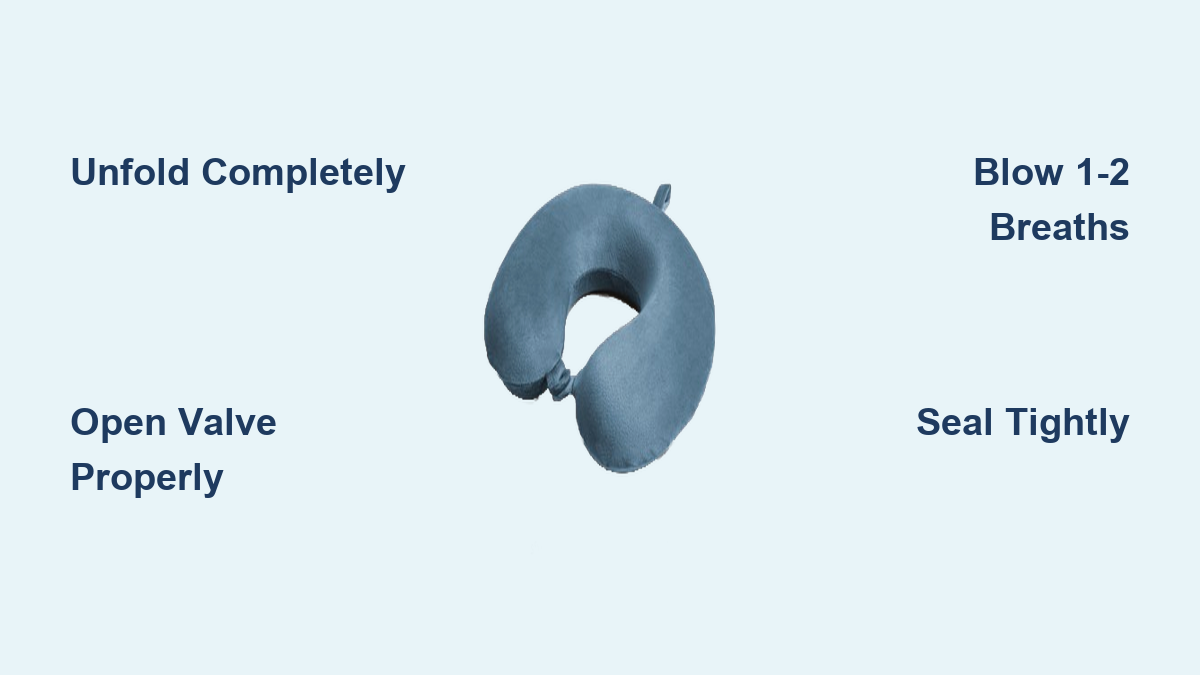
Before inflation, your travel pillow must be fully expanded from its compressed storage state. When packed, it’s often folded tightly into a small pouch or self-contained pocket. Gently pull it apart to restore its original shape. This step ensures even air distribution during inflation. Skipping it can lead to uneven expansion or resistance when blowing air in. Most inflatable pillows double or triple in size once unfolded, so don’t be surprised if it looks much larger than when packed.
Check for Proper Positioning
Lay the pillow flat and identify the valve location, which is usually on the back or side. Make sure no part of the material is twisted or bunched. A smooth, flat surface helps the air flow freely during inflation. If the pillow feels stiff at first, flex it gently between your hands to loosen the material.
Locate and Open the Valve
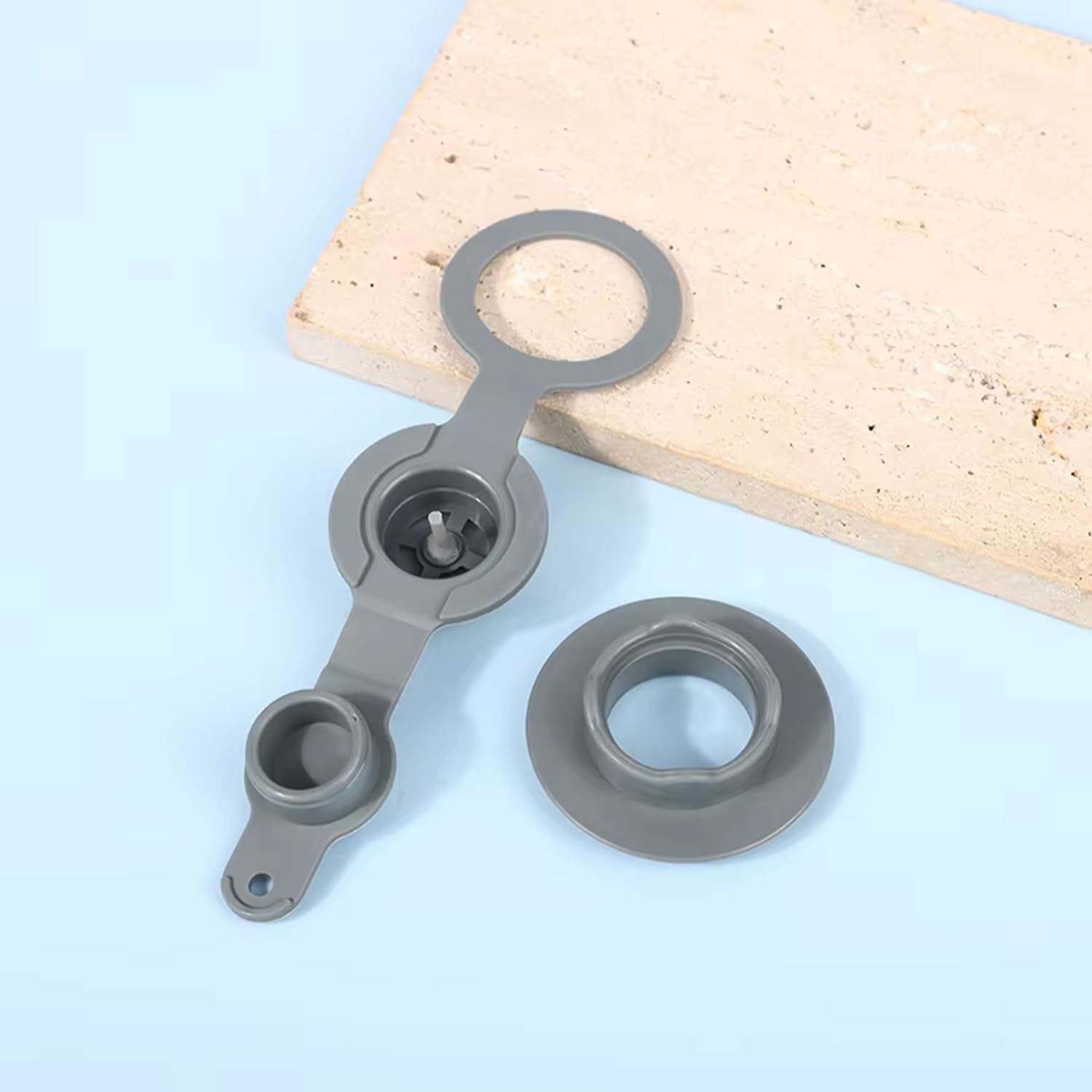
The inflation valve is the heart of the system. It allows air in but keeps it locked during use. Most valves come in two styles: pull-apart or cap-lift. Identify which type your pillow uses before proceeding.
Pull-Apart Valves
Found on many standard models, this valve has two rubber flaps that seal together. To open, gently pull the flaps apart with your fingers until you see the opening. You should feel slight resistance, which is normal. Do not force it, as overstretching can damage the seal.
Cap-Lift Valves
Common in premium brands like Travelrest, this version has a small plastic cap covering the valve. Lift the cap upward to expose the inflation point. Set the cap aside safely or attach it to a designated clip if available. Always ensure the opening is clear of debris before inflating.
Blow Air into the Valve
With the valve open, it’s time to inflate. Blow directly into the opening using one or two full breaths. Most standard-sized travel pillows require only one to two strong exhalations to reach optimal firmness. Don’t rush; steady, controlled breaths work best.
Hold the Pillow Correctly
Grasp the pillow on both sides while inflating. This stabilizes the structure and helps air spread evenly throughout the chambers. Avoid placing your hand behind the valve, as this can block airflow and slow down inflation. If the pillow feels lopsided, pause and redistribute the air by gently squeezing and shifting the material.
Self-Inflating Models: What to Expect
Some advanced pillows partially self-inflate when unfolded due to built-in elastic materials. These still require a top-off breath to achieve full firmness. Never rely solely on self-expansion; always add air manually for proper support.
Seal the Valve Tightly
Once inflated, close the valve securely to prevent air loss. For pull-apart valves, press the rubber flaps back together firmly until they click into place. For cap-lift designs, replace the cap and ensure it clicks shut. Run your finger around the seal to confirm it’s airtight.
Test for Leaks
After sealing, gently squeeze the pillow. If you hear a hiss or feel air escaping, reopen and reclose the valve. A tight seal is crucial for maintaining support during long trips. Note that some models like Travelrest allow a small, intentional air release over time via a rubber flap, which is normal and prevents over-pressurization.
Adjust Firmness for Comfort

One major advantage of inflatable travel pillows is customizable firmness. Not too hard, not too soft, just right. Use the valve’s release mechanism to fine-tune the feel.
Tap to Release Air
On many models, tapping the rubber flap in the center of the valve releases small bursts of air. Each tap lets out just enough to soften the pillow incrementally. This is ideal for dialing in precise comfort without deflating too much.
Use the Release Button
Some valves have a dedicated press-and-hold button. Press it briefly to let air escape gradually. Monitor firmness as you go; better to remove air slowly than have to reinflate.
Pro Tip: Start slightly under-inflated. You can always add more air, but over-inflation can cause discomfort or strain on the neck.
Position the Pillow Correctly
Proper placement makes all the difference in comfort and support. How you position your pillow depends on its shape and your preferred sleeping posture.
U-Shaped Neck Pillows
Wrap around the back of your neck with the open end facing forward over your collarbone. The cushion should support your neck on both sides, preventing your head from tilting sideways. If your model has straps, fasten them under your chin or around the seat headrest for stability.
Alternative Sleeping Positions
Sleeping forward? Place the pillow on the tray table and rest your forehead or cheek on it. Chin support? Rotate the pillow so the top curve cradles your chin. Side sleeper? Adjust the pillow to provide higher support on the side you’re leaning toward.
Warning: Avoid pressing the pillow too high into your jawline, as it can restrict breathing or cause numbness.
Use for Full-Body Support
Not just for your neck. Larger inflatable pillows can double as body or leg supports during extended travel.
Between the Knees
Inflate slightly softer than usual and place between your knees or legs. This reduces hip and lower back strain, especially on long-haul flights.
Under the Arms or Back
Tuck the pillow under your arm or behind your lower back for added stability. Some models come with seatbelt clips or attachment loops to secure them in place.
Clean and Maintain the Pillow
A clean pillow is a comfortable pillow. Unlike memory foam versions, most inflatable models are easy to clean and highly hygienic.
Wipe Down After Use
Use a damp cloth with mild soap to wipe the surface. Focus on areas that touch your skin or neck. Never submerge the pillow unless the manufacturer specifies it’s safe.
Washable Covers
If your pillow has a removable cover, remove and wash it separately according to care instructions. Machine wash on gentle cycle if allowed. Air dry completely before reattaching.
Dry Before Storing
Always let the pillow air dry fully after cleaning or use. Moisture trapped inside can lead to mold or mildew. Leave it unsealed and open in a well-ventilated area for several hours.
Deflate and Pack Efficiently
When your trip ends, deflating and packing your pillow takes seconds.
Release Air Quickly
Press the release button or tap the rubber flap repeatedly to let air escape. Apply light pressure with your hands to push out any remaining air. For faster deflation, roll the pillow from one end to the other.
Fold into Compact Form
Most pillows fold into thirds or roll into a tight bundle. Return it to its included pouch or compression sack. If no pouch exists, store it loose in your carry-on, as its small size won’t take up much space.
Storage Tip: Keep the valve open during storage to prevent material fatigue and extend lifespan.
Handle Valve Issues Promptly
Even high-quality valves can malfunction if misused or neglected.
Prevent Clogs and Leaks
Keep the valve clean by wiping it regularly. Dirt or fabric fibers can interfere with the seal. Never force the valve open or closed; if it feels stuck, inspect for debris.
Recognize Normal Air Loss
Some air escape over time is by design, not defect. Models like the Travelrest allow micro-leaks through a rubber flap to prevent over-inflation. If firmness drops significantly, simply add a small breath of air.
Replace Damaged Valves
If your pillow deflates rapidly and won’t hold air despite proper sealing, the valve may be damaged. Contact the manufacturer, as many offer warranties or replacement parts.
Follow Travel Regulations
Good news: inflatable travel pillows are allowed on all flights and count as part of your carry-on or personal item.
Carry-On Friendly
Pack it in your bag or bring it on board already deflated. If you inflate it during the flight, do so discreetly and avoid bumping neighbors.
Personal Item Option
If your bag is full, the pillow can qualify as a personal item like a purse or tote. Just make sure it fits under the seat or in the overhead bin when deflated.
Frequently Asked Questions About Inflating a Travel Pillow
Why is my travel pillow hard to inflate?
If your pillow is difficult to inflate, the valve may not be fully open, or the material could be stiff from cold temperatures. Ensure the valve is pulled apart or lifted completely. If the material feels stiff, flex it gently between your hands to loosen it before attempting to inflate.
How do I know if I’m over-inflating my travel pillow?
Over-inflation causes the pillow to feel overly firm or tight, and you may notice strain on the seams. The pillow should feel supportive but slightly yielding when squeezed. If it feels rock-hard or looks distorted, release some air by tapping the rubber flap.
Can I use a pump instead of blowing into my travel pillow?
Yes, you can use a small air pump or the inflation feature on some premium pillows. However, most standard models are designed for manual inflation with one to two breaths. Using a pump risks over-inflation, so monitor closely and stop when desired firmness is reached.
Are inflatable travel pillows allowed on airplanes?
Yes, inflatable travel pillows are permitted on all flights. They count as part of your carry-on luggage or can be used as a personal item. No special documentation is required, and they’re not considered medical devices by airlines.
How often should I clean my inflatable travel pillow?
Clean your travel pillow after every few uses, or more frequently if you use it daily. Wipe it down with a damp cloth and mild soap after each trip. If it has a removable cover, wash the cover separately according to the manufacturer’s instructions.
Key Takeaways for Inflating Your Travel Pillow
Mastering how to inflate a travel pillow ensures comfort, support, and hassle-free travel every time you journey. From unfolding the pillow correctly to opening the valve properly, each step matters. Blow just one to two breaths for optimal firmness, then seal the valve tightly before use. Remember to adjust firmness by tapping the release flap, and always start slightly under-inflated since you can add more air easily. Position the pillow around your neck or body based on your sleeping position, and clean it regularly with a damp cloth. Keep the valve open during storage to extend the pillow’s lifespan, and don’t worry about airline regulations since these pillows are allowed on all flights. With this guide handy, you’ll enjoy deeper, more restful sleep no matter where your travels take you.