How to Stop Duck Feathers Coming Out of Pillow
You sink into your pillow after a long day, only to feel a sharp quill poking your cheek. The next morning, your sheets are speckled with stray feathers. If you have ever dealt with duck feathers coming out of your pillow, you are not alone. This common issue plagues users of down and feather-filled pillows, turning comfort into frustration. The root cause is not always wear and tear, often it is preventable through smarter materials, proper protection, and maintenance.
Feather escape happens when the pillow fabric cannot contain the soft but persistent down clusters and sharp quill fragments inside. Low thread count, microtears, poor seams, and lack of protective layers all contribute. But the good news is that you can stop duck feathers from coming out without replacing your pillow right away. This guide reveals proven, step-by-step solutions backed by material science and real-world use.
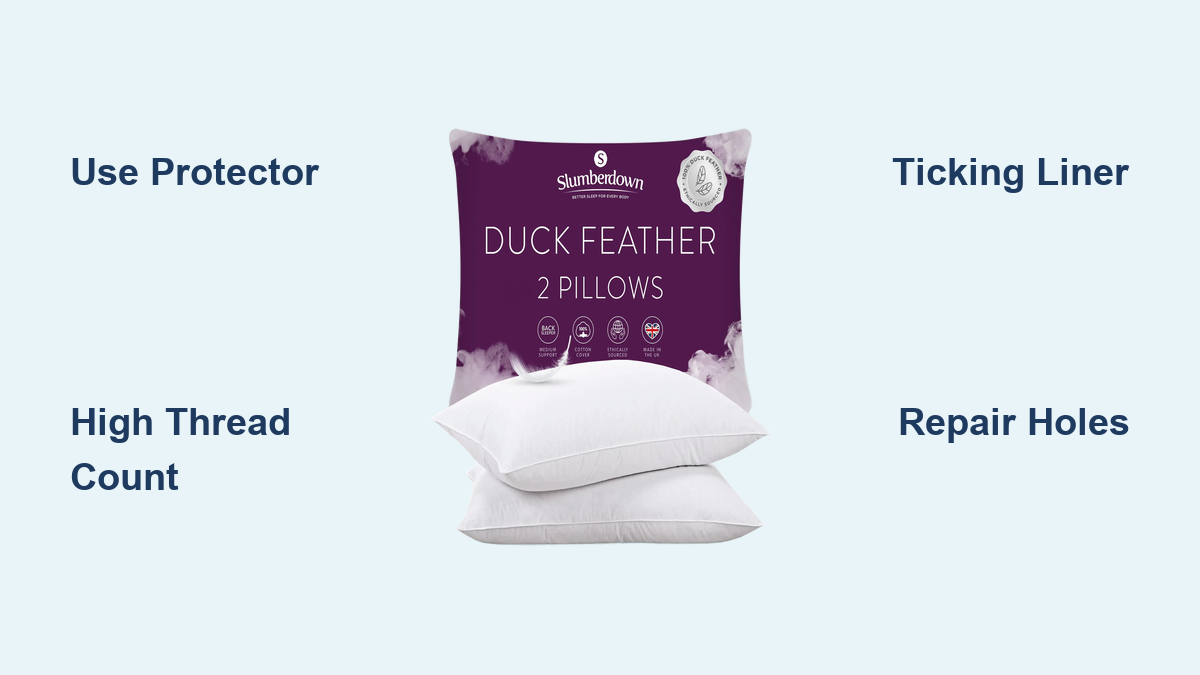
Use a Pillow Protector
A pillow protector is your first and most effective defense against feather leakage. It acts as a sealed barrier that traps escaping feathers while blocking sweat, oils, and allergens.
Choose a Zippered Cotton Protector
Opt for a 100% cotton, zippered pillow protector. Cotton is breathable, soft, and durable, unlike plastic or vinyl versions that crinkle and trap moisture. The zipper ensures full enclosure, preventing feathers from escaping through open ends.
Look for models labeled down-proof or feather-proof. Ensure it fits snugly but does not stretch the pillow casing. Machine washable options make cleaning easy without washing the pillow itself.
Pro Tip: The Pillowtex Down and Feather Proof Pillow Protector is a top-rated option with a 3-year warranty, designed specifically to stop feather pokes.
Using a protector drastically reduces how often you need to wash the pillow, preserving both fabric and fill.
Why Protectors Work
Protectors work through several mechanisms. They contain stray feathers by catching them even when small holes form. They block moisture, since sweat and humidity weaken cotton shells over time, and a barrier prevents deep penetration. They extend pillow life by reducing wear. Replace your protector every 1 to 2 years or sooner if it shows thinning.
Upgrade to High Thread Count Fabrics

Thread count directly impacts whether feathers can push through the fabric. If your pillow or cover has a low weave density, it is time to upgrade.
Minimum 200 Thread Count Required
Fabrics with less than 200 thread count are too loosely woven to reliably contain down and fine feather filaments. Under nightly compression, tiny plumes and quill tips gradually migrate out.
200 thread count is the minimum for basic containment. 220 to 250 plus thread count offers superior, long-term resistance. This applies to pillowcases, protectors, inner liners, and decorative covers.
High-thread-count cotton shells are tightly woven enough to block most feather escape, even in older pillows.
How to Check Thread Count
To check thread count, look at the product label or packaging. If unknown, hold the fabric up to light. If you see visible gaps, it is likely below 200 thread count. Run your fingers over the surface. Thin, papery fabric often indicates low density.
Replace flimsy pillowcases with high-thread-count cotton versions for immediate improvement.
Insert a Ticking Liner
For a permanent fix, wrap your feather pillow in ticking fabric, a durable, densely woven textile engineered to be down-proof.
What Is Ticking
Ticking is a tightly woven cotton or cotton-blend fabric, typically 220 plus thread count, originally used in mattresses and upholstery. It is specifically designed to prevent feather migration.
Ticking is available at most fabric stores in white or patterned rolls. It is sold by the yard, so you can cut it to size for your pillow. It is often used in custom bedding and couch cushions.
One verified user reported using ticking between couch pillows and covers. Since then, they have not seen or felt a single feather.
How to Use Ticking as a Liner
Using ticking as a liner requires a few steps. First, measure your pillow dimensions. Second, cut two pieces of ticking fabric to size. Third, sew three sides together, insert the pillow, then close with a zipper or fourth seam. Fourth, slide the enclosed pillow into your regular pillowcase or decorative cover.
This creates a feather-proof inner shell that maintains comfort and appearance.
Install a Zippered Down-Proof Inner Case

A zippered inner case is the most reliable way to fully seal in feathers, especially for couch or throw pillows that get heavy use.
Benefits of a Sealed Inner Case
A sealed inner case provides complete containment with no open seams or gaps. It is reusable and washable, so you can clean the outer cover without exposing the feather core. It is DIY-friendly, since you can make your own using ticking or buy pre-made down-proof cases.
This solution is ideal for standard bed pillows, Euro shams, and floor and couch cushions.
Pro Tip: Use a number 5 or number 10 zipper for durability. Avoid flimsy plastic zippers that can snag or break.
Pair the inner case with a high-thread-count outer cover for dual-layer protection.
Choose Down-Proof Pillow Covers
When buying new pillowcases or decorative covers, do not rely on looks alone. Choose ones explicitly labeled down-proof or feather-proof.
Features of Effective Covers
Effective covers have specific features. They have an ultra-tight weave that blocks fine down particles. They have reinforced stitching that prevents seam gaps. Some models have laminated or coated linings that add an extra barrier.
Avoid thin, silky fabrics like low-grade satin or polyester blends. They may feel soft but offer zero containment.
Where to Buy
You can find down-proof covers at bedding specialty stores, online retailers like Amazon, Wayfair, and Bed Bath and Beyond. Use search terms like down-proof pillow cover or featherproof cotton case.
Always check product descriptions for thread count and down-proof claims before purchasing.
Avoid Plastic or Vinyl Barriers
While plastic can physically block feathers, it is not suitable for regular use.
Why Plastic Fails as a Long-Term Solution
Plastic fails for several reasons. It crinkles loudly during sleep. It traps moisture, leading to dampness and odor. It has a slippery texture that causes discomfort. It is non-breathable, worsening night sweats.
Use only as a temporary test layer, never as a permanent fix. If you are testing whether a liner stops leakage, use plastic briefly, then replace it with cotton ticking or a down-proof case.
Maintain Your Pillow Properly
Even the best materials fail without proper care. Daily habits determine how long your pillow stays intact.
Fluff Gently, Not Aggressively
Fluffing redistributes feathers and restores loft, but punching or squeezing increases internal pressure and fabric stress.
Do fluff gently. Lightly squeeze and shake the pillow daily. Do not fluff aggressively. Avoid slamming or punching it to wake it up.
Aggressive handling accelerates wear, especially near seams.
Handle Protruding Feathers Correctly
If a feather pokes through, never pull it out. This enlarges the hole. Instead, push it back in gently with your finger. Mark the spot and repair it later. For couch pillows, consider reupholstering with ticking fabric.
Inspect Monthly for Damage
Check your pillow every 4 weeks for thin or shiny spots on fabric, pilling or fraying, small tears or quills poking through, and weak seams or corners.
Focus on high-pressure zones where your head, neck, and shoulders rest.
Repair Small Holes Immediately
Catching damage early prevents minor issues from becoming major leaks.
Quick Repair Methods
You have several repair options. Hand-stitch with strong thread using a backstitch for durability. Use iron-on mending tape as a temporary fix, though it is not ideal for high-friction areas. Apply a fabric patch by sewing or gluing a small piece of high-thread-count cotton over the hole.
For decorative pillows, consider replacing the entire cover with a down-proof version.
Control Moisture and Humidity
Sweat and dampness degrade cotton shells, making them brittle and prone to tearing.
Use Breathable Pillowcases
Choose cotton or linen pillowcases. They wick moisture and allow airflow. Avoid synthetic blends that trap heat. Change cases weekly to reduce oil buildup.
Hot sleepers should pair breathable cases with cooling sheets to minimize sweating.
Dry Pillows Completely After Washing
Moisture left in the filling leads to mold and mildew, musty odors, fiber breakdown, and reduced loft and support.
Always tumble dry on low heat. Add dryer balls to break up clumps. Dry for 2 to 3 hours or until completely fluff and dry.
Never store a damp pillow. It will degrade quickly.
Wash Feather Pillows Less Often
Over-washing is one of the top causes of feather leakage.
Wash Only When Necessary
Washing every 6 to 12 months is sufficient for most users. Wash immediately if stained, soiled, or smelly. Otherwise, rely on pillow protectors to reduce exposure.
Each wash cycle wears down fabric and weakens feathers.
Follow Proper Washing Steps
When washing is necessary, follow these steps. Use a front-loading machine with no agitator. Select gentle cycle with cold water. Use mild detergent, avoiding bleach or fabric softener. Dry thoroughly with low heat and dryer balls.
Warning: Top-loading machines with agitators can damage feather pillows. Avoid if possible.
Know When to Replace Your Pillow
Even with perfect care, feather pillows do not last forever. Replace yours if you notice any of these signs.
Persistent Feather Leakage
Occasional strays are normal. But if feathers come out daily or you see visible holes, the casing has failed. Patching will not help if the fabric is thin or torn in multiple spots. Replacement is the only real solution.
Loss of Shape and Support
A pillow that has a permanent dent, does not spring back after fluffing, or fails to support your neck is past its prime. This can lead to neck pain and poor sleep quality.
Sweat Stains and Discoloration
Yellow or brown stains mean body oils have soaked deep into the filling. These cannot be fully removed. Stains harbor bacteria and odors. Frequent washing to clean them accelerates fabric breakdown.
Musty Odors or Allergen Buildup
Over time, feathers trap dust mites, mold spores, dead skin, and pet dander. This leads to musty smells and potential allergy flare-ups, especially in humid climates.
Age Over 3 Years
Most feather pillows last 1 to 3 years with proper care. After 3 years, even well-maintained pillows lose loft and containment. Consider replacement regardless of appearance.
Switch to Feather-Free Alternatives
If you are tired of constant maintenance, consider switching to zero-leakage alternatives.
Synthetic Down Pillows
Synthetic down pillows are made from microfiber or siliconized polyester. They mimic real down with no feather escape. They are hypoallergenic and easy to wash. They are available in soft, medium, and firm options.
These are great for allergy sufferers or low-maintenance households.
Memory Foam or Latex Pillows
Memory foam or latex pillows offer structured support and zero shedding. They contour to your head and neck. They require only spot cleaning. They last 5 to 7 years on average.
They may feel firmer than down and are best for side or back sleepers.
Buckwheat or Kapok Pillows
Buckwheat or kapok pillows are natural, sustainable fills that do not shed. Buckwheat is firm, moldable, and breathable, though slightly noisy. Kapok is soft, silky, and biodegradable from tropical trees.
Both are excellent for temperature regulation and eco-conscious buyers.
Frequently Asked Questions About Duck Feathers Coming Out of Pillow
Why do duck feathers keep coming out of my pillow?
Duck feathers come out of pillows primarily due to low thread count fabric, typically below 200 thread count. Over time, continuous use creates microtears and worn areas where feathers can escape. Poor seam construction and lack of protective barriers also contribute significantly to feather leakage.
What is the best thread count to prevent feather leakage?
The minimum thread count to prevent feather leakage is 200. However, 220 to 250 plus thread count provides superior long-term resistance. High-thread-count cotton shells are tightly woven enough to block most feather escape, even in older pillows.
How often should I wash my feather pillow?
You should wash your feather pillow only every 6 to 12 months. Over-washing is a major cause of feather leakage because each wash cycle breaks down the fabric and weakens the feathers. Use a pillow protector to reduce exposure to sweat and oils, which will extend the time between washes.
Can I repair a pillow that has feathers coming out?
You can repair small holes using hand-stitching with strong thread, iron-on mending tape for temporary fixes, or fabric patches sewn over the affected area. However, if the pillow has multiple holes, visible thin spots, or persistent leakage, replacement is the better option.
What are the best alternatives to feather pillows?
The best alternatives to feather pillows include synthetic down pillows made from microfiber or siliconized polyester, memory foam or latex pillows for structured support, and buckwheat or kapok pillows for natural, non-shedding options. These alternatives eliminate feather escape entirely while providing comfortable sleep.
How long do feather pillows typically last?
Feather pillows typically last 1 to 3 years with proper care. Even with optimal maintenance, feather pillows lose loft and containment over time. Pillows older than 3 years should be evaluated for replacement, regardless of their apparent condition.
Key Takeaways for Stopping Duck Feathers Coming Out of Pillow
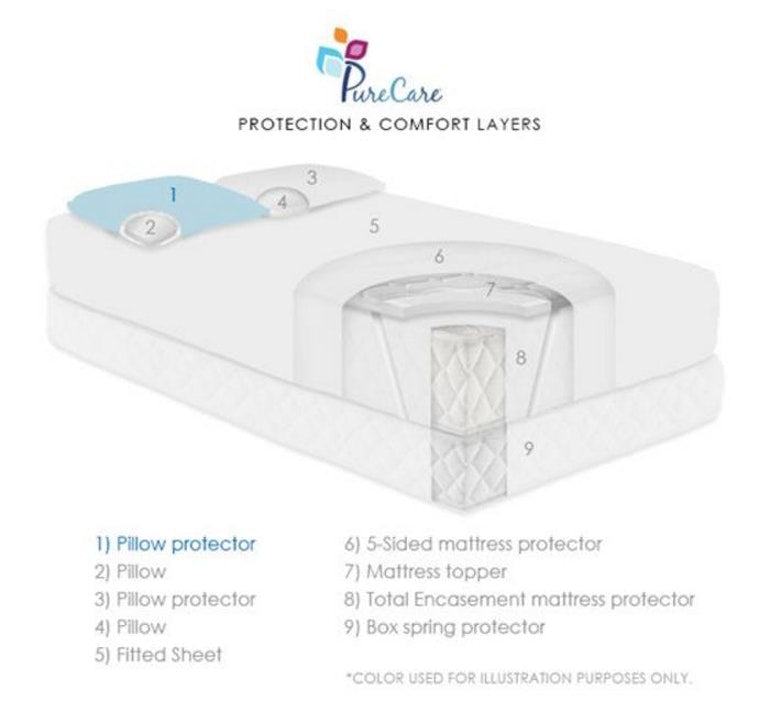
Stopping duck feathers from coming out of your pillow is about layers, materials, and maintenance. The most effective strategy combines a high-thread-count pillowcase at 200 plus TC, a zippered down-proof inner liner or ticking fabric, and a 100 percent cotton pillow protector. Together, these form a fortress against feather escape, moisture, and wear.
Add gentle handling, monthly inspections, and infrequent washing, and you will extend your pillow life significantly. Always push protruding feathers back in rather than pulling them out, and repair small holes immediately before they expand.
If your pillow is over 3 years old, stained, lumpy, or leaking constantly, it is time to replace it. Consider upgrading to synthetic down, memory foam, or natural non-feather fills like buckwheat or kapok for a truly maintenance-free sleep experience. With these proven steps, you can enjoy the softness of a feather pillow without the mess.