Heating Pad on Belly: Benefits Guide
Pregnancy often brings unexpected aches, especially in the belly, hips, and lower back as the body adjusts to accommodate a growing baby. Many women look for safe, drug-free ways to find relief, and a heating pad on the belly can be a simple, effective solution. When used correctly, localized heat helps relax tight muscles, ease ligament strain, and improve circulation without the risks linked to certain pain medications.
Concerns about overheating during pregnancy are understandable, particularly during the first trimester. However, using a heating pad for short sessions at low temperatures does not significantly raise core body temperature. Healthcare providers often recommend heat therapy as a safer alternative to medications like ibuprofen, which should be avoided during pregnancy. This guide covers the proven benefits of using a heating pad on the belly, important safety guidelines, and how it compares to other pain relief methods.
Safe Use of Heating Pads on the Belly
Follow Time and Temperature Limits
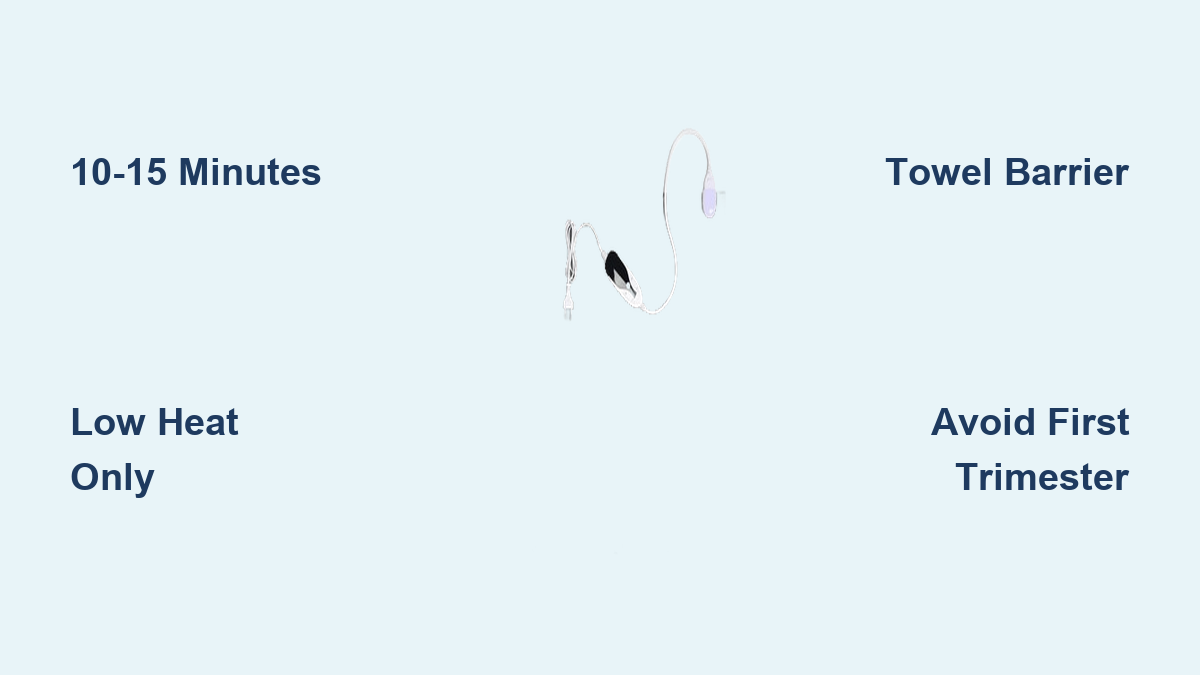
To safely use a heating pad on the belly, keep sessions to 10–15 minutes at a time. Prolonged exposure, even at low heat, can cause skin irritation or mild overheating. Always choose the lowest effective heat setting and avoid falling asleep with the pad on. Never use a heating pad overnight or while drowsy, since reduced sensation may keep you from noticing burns or discomfort.
If you have diabetes, reduced skin sensitivity, or a fever, consult your doctor before using heat therapy. Also avoid applying heat to areas with open sores or signs of infection.
Avoid Direct Contact With Skin
Place a thin towel or cloth between the heating pad and your skin to prevent burns and ensure even heat distribution. This barrier reduces the risk of localized overheating. If you feel unsure about applying heat directly to your abdomen, try placing the pad on your lower back or hips instead, since these areas often carry pregnancy-related strain.
How Heat Relieves Belly Pain
Eases Round Ligament Discomfort
A leading cause of belly pain during pregnancy is round ligament strain. These ligaments support the uterus and stretch as it grows, often causing sharp or aching sensations in the lower abdomen. A heating pad on the belly helps relax tense tissues, calm muscle spasms, and soothe stretching pain. The warmth increases blood flow to the area, which supports healing and lowers inflammation.
Many women feel relief within minutes of low-heat application, especially when pain flares up after movement or long periods of standing.
Reduces Muscle Tension and Stiffness
Beyond ligament pain, the abdominal wall itself can feel tight and sore as posture shifts and core muscles weaken. Heat therapy helps loosen stiff muscles, improving flexibility and comfort. Unlike cold therapy, which numbs pain, heat calms nerve activity and reduces the muscle contractions that contribute to ongoing aches.
This makes heating pads especially helpful for dull, persistent belly discomfort. Sudden, sharp pains should always be evaluated by a healthcare provider.
Improved Circulation and Faster Healing
Boosts Blood Flow to Abdominal Tissues
Applying heat to the belly enhances local circulation, delivering more oxygen and nutrients to overworked muscles and connective tissues. Better blood flow supports tissue repair and clears out metabolic waste that can cause soreness.
While surface-level heat does not directly affect the baby, improved maternal circulation supports overall well-being and may help reduce swelling and fatigue in the abdominal area.
Supports Recovery After Light Activity
Even gentle exercise like walking or prenatal yoga can leave abdominal muscles fatigued. Using a heating pad after activity can speed recovery by easing micro-tears and reducing delayed onset muscle soreness. Wait until your body has cooled down after exercise before applying heat.
Comparing Heat Therapy With Other Pain Relievers
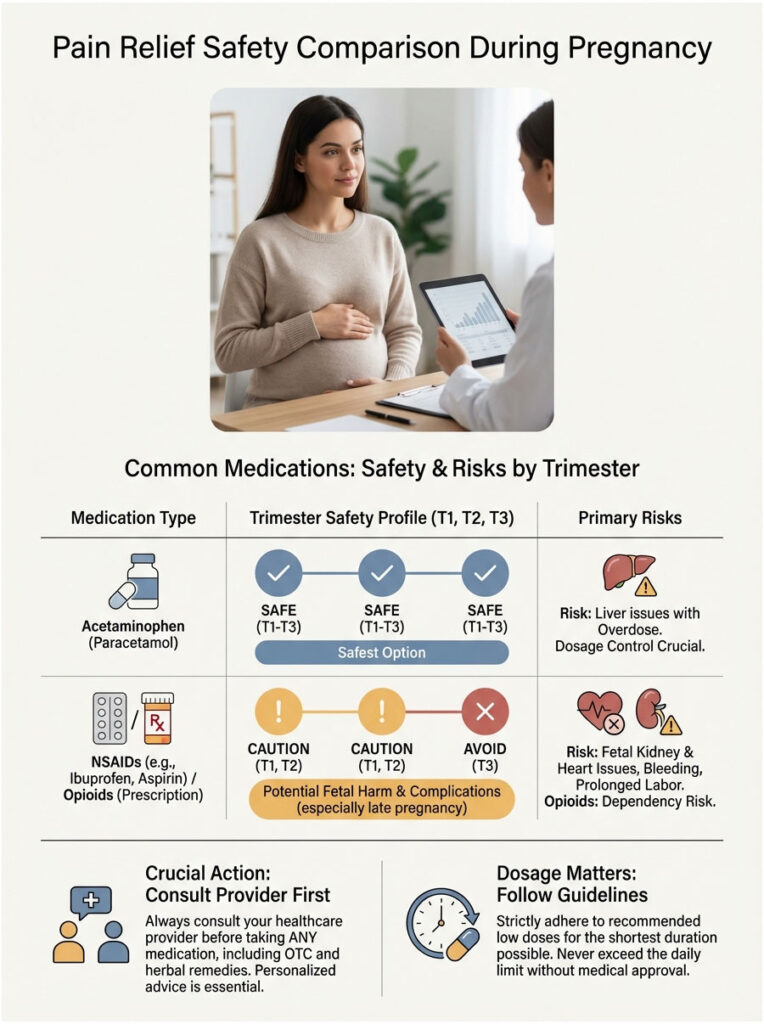
Safer Than NSAIDs Like Ibuprofen
Many common pain relievers carry warnings during pregnancy. Ibuprofen and other NSAIDs are generally not recommended, especially in the third trimester, due to potential risks to fetal kidney development and amniotic fluid levels. Acetaminophen is considered safe for most pregnant women but should still be used under medical guidance.
A heating pad offers a drug-free alternative with no systemic side effects. It targets pain right where it occurs, reducing the need for medication.
Works Well Alongside Other Therapies
Heat therapy pairs nicely with other conservative treatments:
– Prenatal massage: Loosens deep tissues; heat prepares muscles for treatment.
– Physical therapy: Heat before stretching improves flexibility.
– Chiropractic care: Often paired with heat for pelvic and back alignment.
A 2013 study found no adverse effects when heat was combined with exercise and manual therapy, making a heating pad a smart part of a multi-modal pain management plan.
When to Avoid Belly Heat
First Trimester Caution
Although no studies directly link heating pad use to birth defects, the first trimester is a critical period for fetal development, especially neural tube formation. A brief session with a low-heat pad is unlikely to raise core temperature, but some doctors recommend caution and suggest avoiding abdominal heat during early pregnancy.
If you are in your first trimester and dealing with belly discomfort, try placing the heating pad on your lower back or shoulders instead.
Signs You Should Stop Immediately
Discontinue use if you notice:
– Skin redness or blistering
– Dizziness or nausea
– Increased uterine tightness or contractions
– Persistent pain that does not improve
Report any unusual symptoms to your healthcare provider. Heat should always relieve, not worsen, your pain.
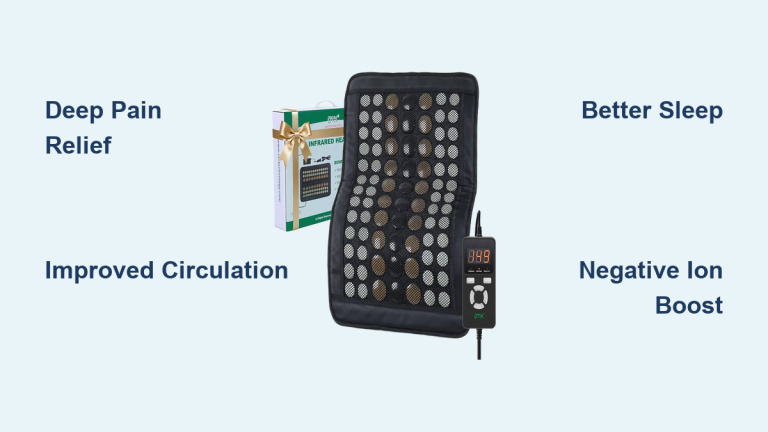
Choosing the Right Heating Pad
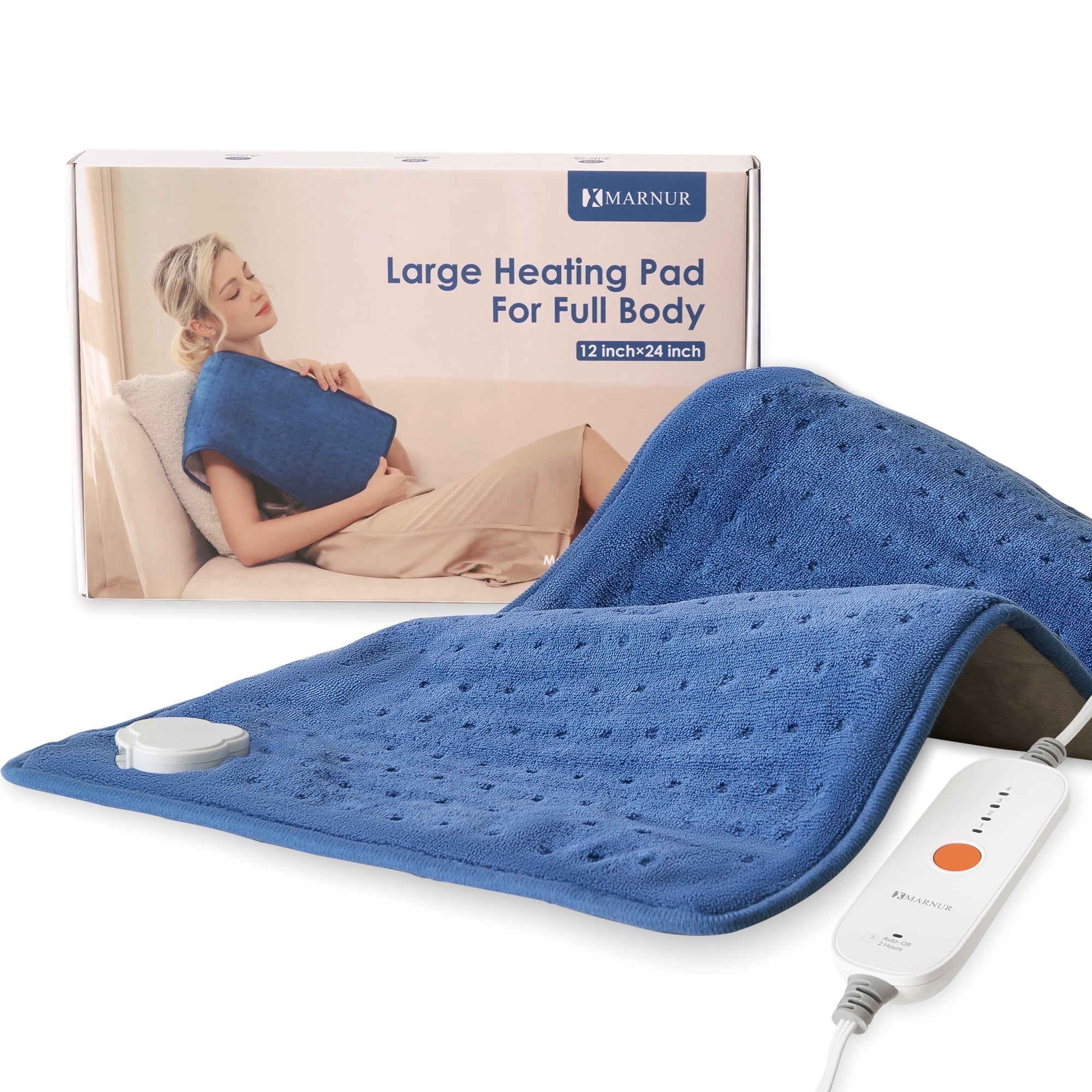
Look for Adjustable, Pregnancy-Safe Features
Not all heating pads are the same. For belly use during pregnancy, choose a pad with:
– Adjustable temperature settings
– Auto-shutoff feature after 15–20 minutes
– Soft, flexible fabric cover
– Moist or dry heat options
Wrap-style heating pads designed for the back or abdomen offer hands-free relief. Avoid electric pads with hot spots or damaged cords.
Microwavable pads filled with gel or grains like rice or flaxseed are also safe when heated properly. They provide gentle, even warmth and can be cooled for dual-purpose use.
Other Heat-Based Relief Options
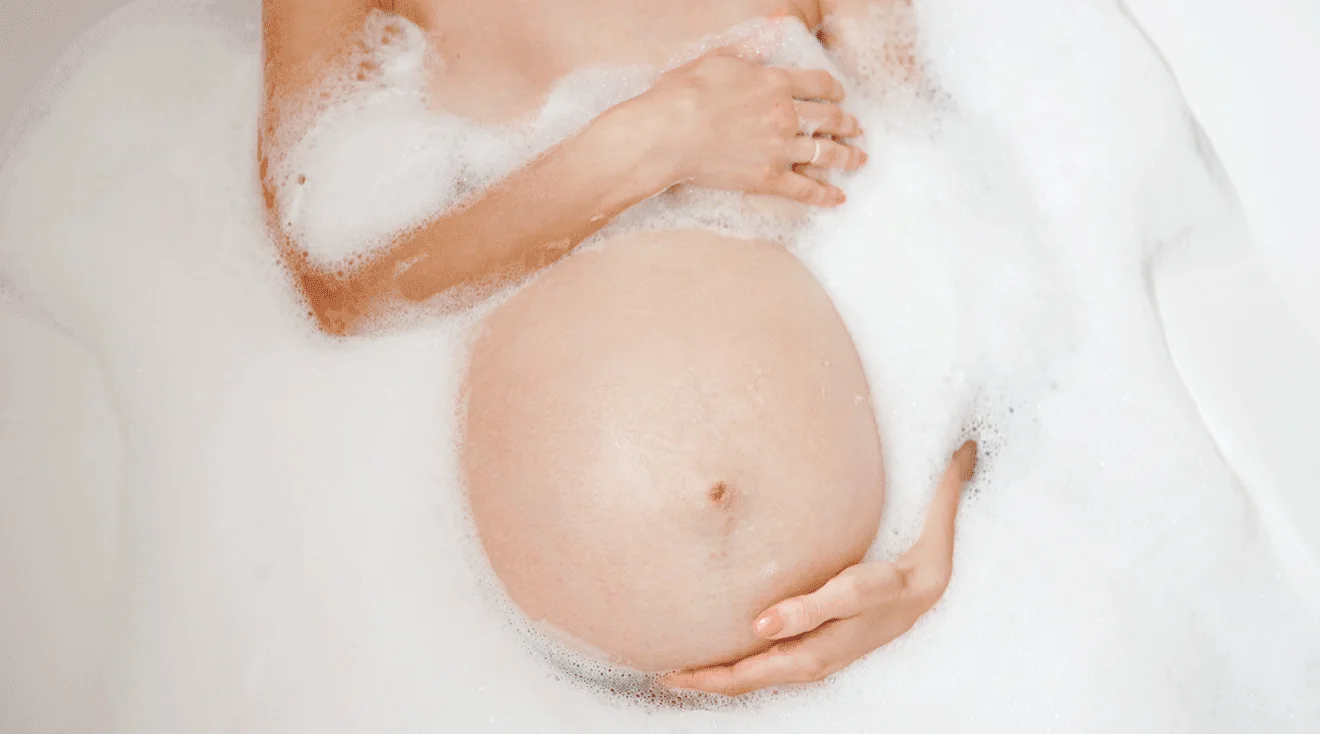
Warm Baths With Caution
A warm (not hot) bath can relax the whole body and ease belly and back pain. Keep water temperature below 100°F (37.8°C) and limit soak time to 10–15 minutes. Exit the tub if you start sweating or feel flushed.
Avoid hot tubs and saunas during pregnancy, as these can rapidly raise core temperature and pose known risks to fetal development.
Heated Mattress Pads and Blankets
Heated blankets and mattress pads are not recommended for continuous use during pregnancy. They can cause overheating, especially overnight. If used at all, set them to low and turn them off before sleeping.
Expert Tips for Getting the Most From Heat Therapy
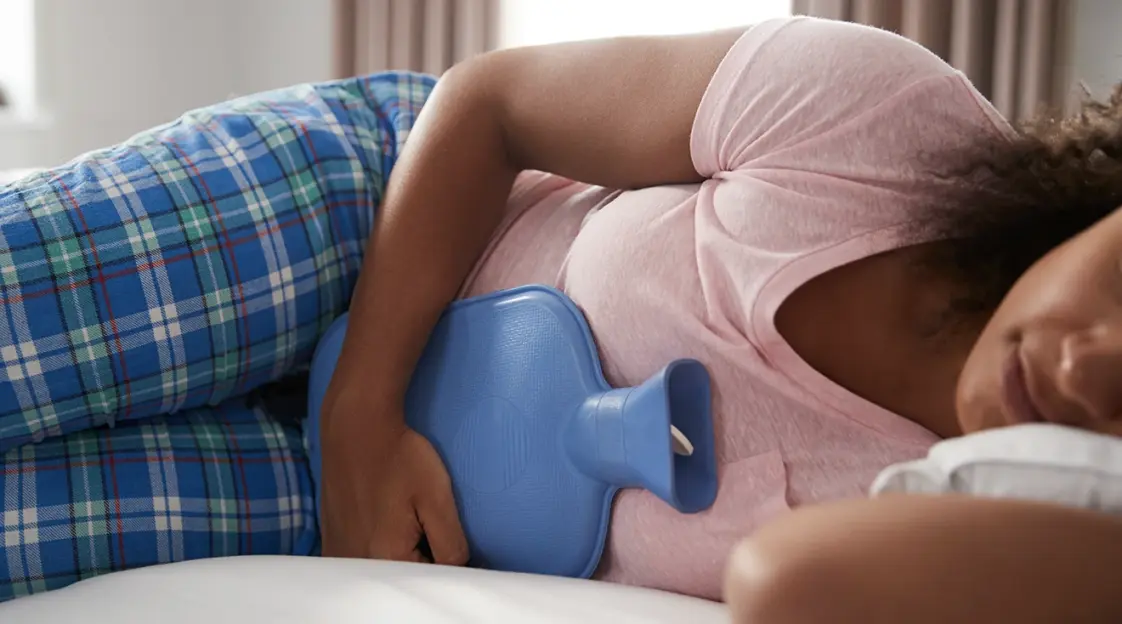
Use Heat Before Stretching or Bedtime
Apply the heating pad before gentle stretching or prenatal exercises to loosen tight muscles. It also works well 30 minutes before bed to relieve end-of-day aches and encourage better sleep.
Pair heat with deep breathing or meditation to boost relaxation and reduce stress-related muscle tension.
Combine Heat With Good Posture and Support
Heat offers temporary relief, but long-term comfort comes from good posture and abdominal support. A maternity support belt or pregnancy pillow can reduce strain on your belly and back.
Regular pelvic tilts and prenatal core exercises approved by your doctor can also reduce your reliance on heat over time.
Frequently Asked Questions About Heating Pads During Pregnancy
Is it safe to use a heating pad on the belly while pregnant?
Yes, using a heating pad on the belly for brief periods at low heat is generally considered safe. Limit sessions to 10–15 minutes and avoid direct skin contact. Always consult your doctor if you have concerns or complications.
Can a heating pad raise core body temperature enough to harm the baby?
Heating pads used on low settings for short durations are unlikely to raise core body temperature significantly. The risk is higher with hot tubs and saunas, which can quickly elevate body heat and should be avoided during pregnancy.
Where should I avoid placing a heating pad during pregnancy?
Avoid placing a heating pad directly on the belly during the first trimester if your doctor recommends caution. Also avoid using heat over open wounds, numb skin, or areas with infection or fever.
How does heat therapy relieve pregnancy belly pain?
Heat relaxes tense muscles, improves blood circulation, and reduces stiffness and soreness. It is especially effective for round ligament pain and dull, persistent abdominal discomfort.
Are heating pads safer than ibuprofen during pregnancy?
Yes, heating pads are considered a safer alternative to ibuprofen and other NSAIDs, especially in the third trimester. They provide localized relief without the systemic risks linked to pain medications.
What features should I look for in a pregnancy-safe heating pad?
Choose a heating pad with adjustable temperature settings, an auto-shutoff timer, a soft flexible cover, and options for moist or dry heat. Avoid pads with damaged cords or uneven heating.
Key Takeaways for Using a Heating Pad on the Belly
Using a heating pad on the belly during pregnancy is generally safe when done correctly. The main benefits include reduced muscle tension, improved circulation, and fast-acting pain relief without medication. It is especially useful for managing round ligament pain, lower abdominal stiffness, and post-exercise soreness.
Follow these core safety rules: limit sessions to 10–15 minutes, use low heat, and avoid direct skin contact. Always check with your doctor if you have complications like preterm labor risk or fever.
When paired with other safe therapies like massage, stretching, and acetaminophen (if needed), heat therapy becomes a powerful part of your pregnancy comfort plan. Listen to your body, stay within safe limits, and use heat wisely to enjoy a more comfortable pregnancy.