How to Wash a Pillow With No Zipper
You love your decorative throw pillow or that cozy bolster, but it has no zipper, so how do you clean it? Washing a pillow without a removable cover might seem risky, but skipping it can lead to hidden health hazards. Over time, pillows accumulate 40,000 skin cells per hour, creating a breeding ground for dust mites, bacteria, and mildew. Without regular cleaning, these contaminants can trigger allergies, worsen asthma, and even spread infections, especially in shared spaces.
The good news: you can safely clean non-zippered pillows using the right method for your pillow’s fabric and filling. Whether it is velvet, memory foam, down, or synthetic fiberfill, this guide delivers a step-by-step approach to washing, drying, and maintaining pillows without zippers without ruining them. You will learn how to spot clean stains, hand wash safely, and when to avoid water altogether. Plus, discover pro tips for odor removal, fluff restoration, and knowing when it is time to replace your pillow.
Assess the Pillow Before You Clean

Check the Care Label First
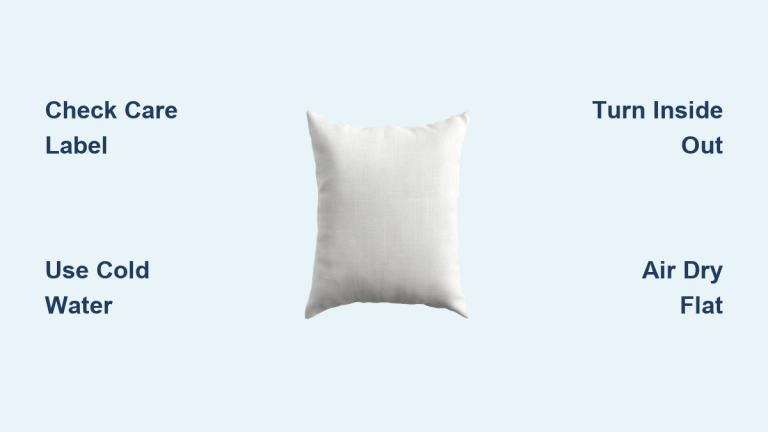
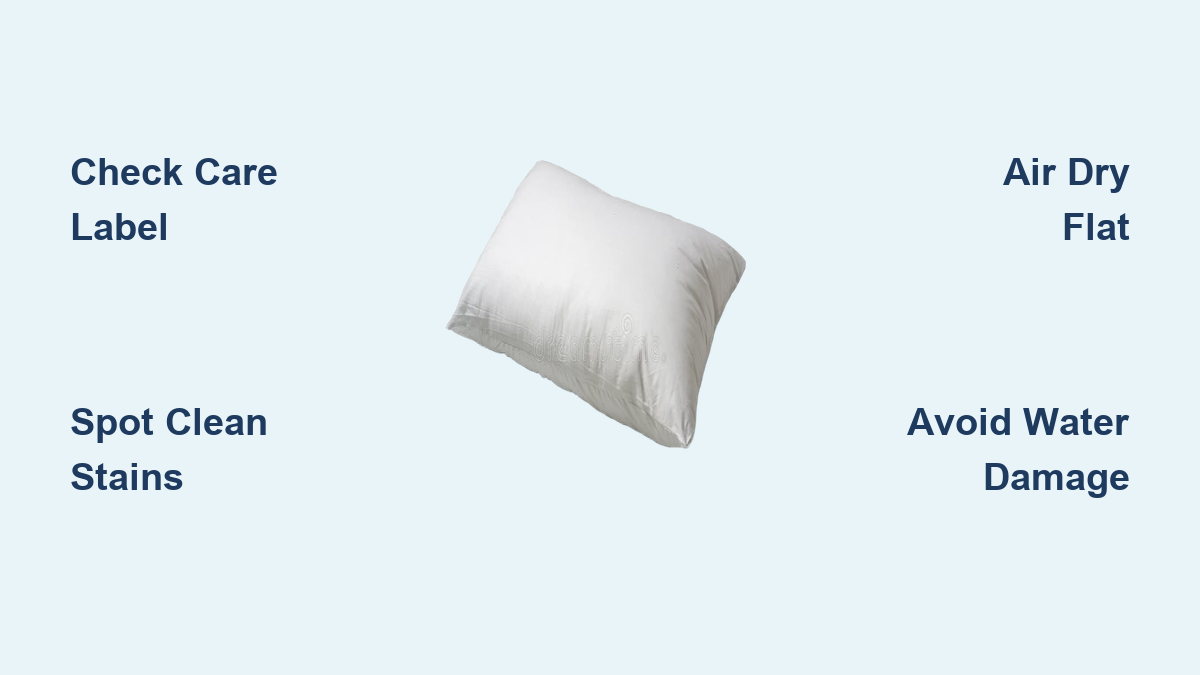
Always start with the care label. It is your roadmap to safe cleaning. Look for instructions like “Dry Clean Only,” “Spot Clean,” or “Machine Washable.” Ignoring these warnings risks shrinkage, color bleeding, or permanent damage. If the label says “Do Not Submerge” or “Tumble Dry Low,” follow it exactly. No label? Proceed with caution and assume it is delicate.
Identify the Fill Material
The inside determines what you can do:
– Polyester/Synthetic Fill: Can often be hand washed or machine washed gently.
– Down/Feather: Washable if labeled, but requires long drying.
– Memory Foam: Never submerge. Water destroys its structure.
– Cotton Batting: Hand wash only; dries slowly and clumps easily.
Test Fabric Sensitivity
Delicate fabrics like silk, velvet, or wool need special care. Perform two critical tests:
1. Colorfastness Test: Dampen a hidden seam with water or cleaner. Blot with a white cloth. If color transfers, do not wash. Opt for dry cleaning instead.
2. Chemical Spot Test: Apply a drop of detergent to a hidden corner. Wait 5 minutes. If it bleeds, shrinks, or stiffens, avoid all liquid cleaning.
Spot Clean Stains Safely
Best for Delicate Fabrics
Spot cleaning is the safest method for pillows without zippers, especially velvet, silk, or embellished designs. It removes spills and stains without soaking the entire pillow, reducing the risk of warping or mildew.
How to Blot, Not Rub
- Act Fast: Blot spills immediately with a clean, dry cloth.
- Dampen a Soft Cloth: Use lukewarm water mixed with a drop of mild detergent.
- Dab Gently: Press the cloth onto the stain. Never rub, as this spreads the stain and damages fibers.
- Work from Outside In: Prevents the stain from expanding.
- Rinse Residue: Wipe with a clean damp cloth to remove soap.
- Dry Immediately: Blot with a dry towel, then air dry flat.
Pro Tip: For oily stains, sprinkle a little cornstarch, let sit 15 minutes, then vacuum.
Hand Wash When Submersion Is Safe
For Cotton, Polyester, or Synthetic Fills
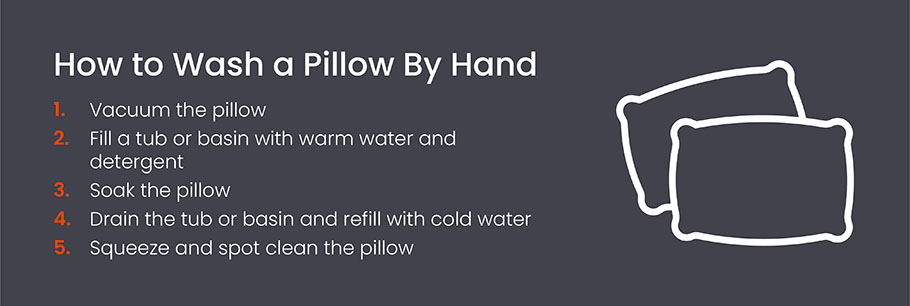
If the label allows submersion and the fabric is sturdy (like cotton or acrylic), hand washing is effective and gentle.
Step-by-Step Hand Wash
- Pre-Treat Stains: Apply mild detergent to soiled areas.
- Fill Basin: Use lukewarm water and a capful of mild liquid detergent.
- Submerge Pillow: Press it down gently to saturate.
- Scrub Gently: Use a soft sponge in circular motions, focusing on dirty zones.
- Soak for Tough Stains:
– 10 to 20 minutes for general cleaning.
– 8 to 10 hours in OxiClean solution (if colorfast) for set-in stains. - Rinse Thoroughly: Drain soapy water, refill with clean water, and repeat until no suds remain.
Remove Water Without Damage
- Do not wring or twist. This crushes the filling.
- Roll in Towels: Lay the pillow on a dry towel, roll it up, and press to absorb moisture.
- Repeat with fresh towels if needed.
Machine Wash Only If Labeled Safe
When It Is Okay to Use a Washer
Only machine wash if the label explicitly says “Machine Washable.” Front-loading machines are best because they are gentler than top-loaders with agitators.
How to Wash Two Pillows Together
- Balance the Load: Wash two pillows at once or add towels to prevent machine imbalance.
- Use a Mesh Bag: Protects delicate fabrics and reduces agitation stress.
- Select Settings:
– Cycle: Gentle or Delicate
– Water: Cold or Cool
– Detergent: Small amount of mild liquid (no bleach or softener) - Extra Rinse: Ensures all soap is removed. Residue attracts dirt.
Warning: Never overload. One pillow alone can throw off the spin cycle and damage your machine.
Air Dry Flat to Prevent Mold

Why Drying Matters Most
Improper drying causes mold, mildew, and clumping, even if the outside feels dry. The interior can stay wet for days, especially in thick or foam-filled pillows.
Air Drying Best Practices
- Lay Flat: On a drying rack or clean towel. Never hang, as weight distorts shape.
- Flip and Rotate: Every few hours to speed drying and prevent moisture pockets.
- Fluff Regularly: Use your hands to redistribute filling and maintain loft.
- Speed It Up: Insert dry towels inside the pillow (if possible) or place near a fan.
Time Estimate: 12 to 48 hours, depending on thickness and humidity.
Use Low Heat for Machine Drying
Only for Down and Synthetic Fills
Check the label: “Tumble Dry Low” means you can machine dry. Never use high heat. It melts synthetic fibers and damages down.
Dry With Tennis Balls
- Add 2 to 3 Clean Tennis Balls or dryer balls to the drum.
- Set to Low Heat: Helps break up clumps and restore fluff.
- Check Frequently: Stop and fluff every 20 to 30 minutes.
- For Down Pillows: Run two full cycles, fluffing between, even if it feels dry. Feathers trap moisture deep inside.
Pro Tip: Place a dry towel in the dryer with the pillow to absorb extra moisture in the first cycle.
Treat Stains and Odors Between Washes
Remove Set-In Stains
For yellowed or stained pillows:
1. OxiClean Soak: Mix hot water and OxiClean in a bucket. Soak for 8 to 10 hours (only if fabric is colorfast).
2. Wash as Directed: After soaking, hand or machine wash.
3. Dry Completely: Prevents lingering odors.
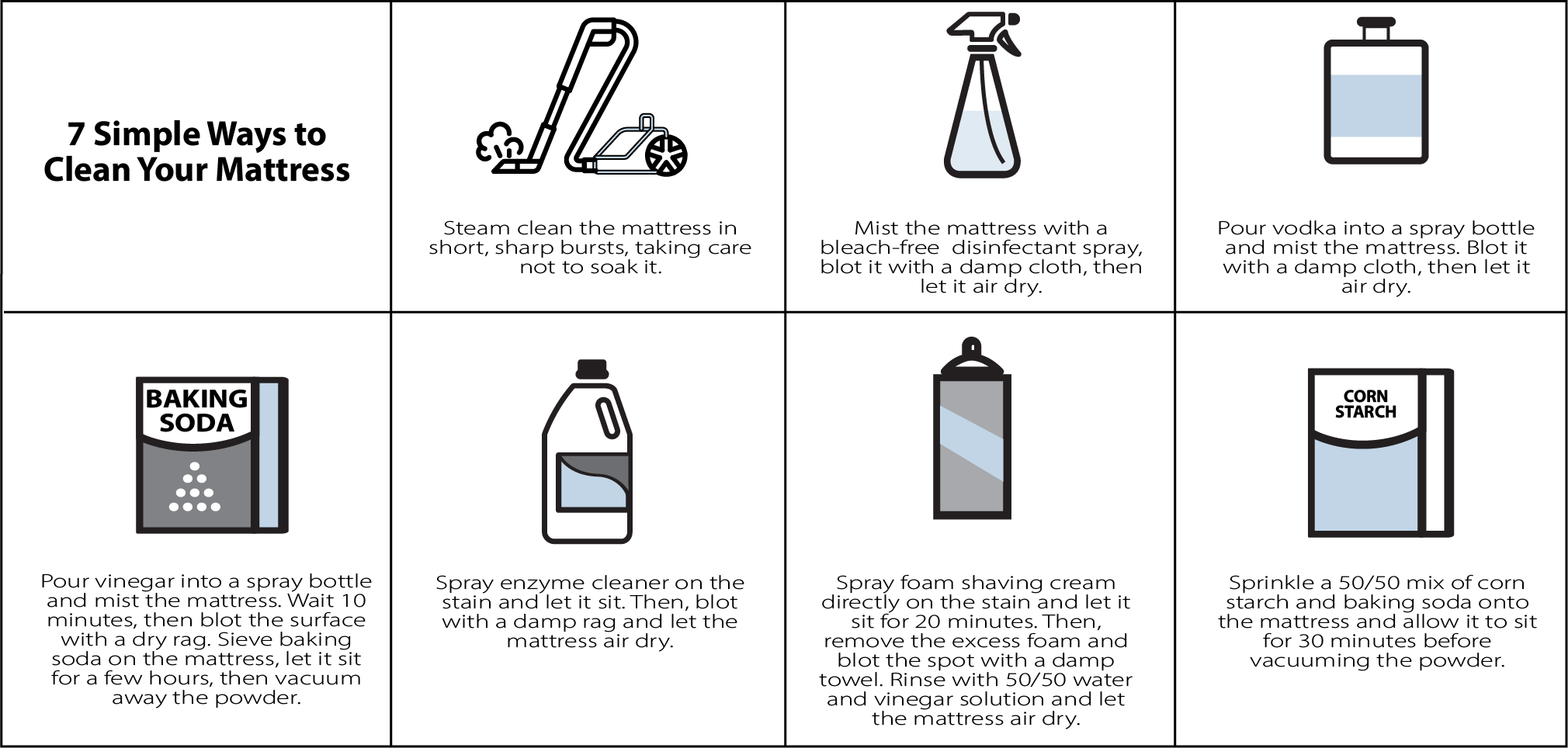
Deodorize With Baking Soda
- Sprinkle Evenly: Cover the surface with baking soda.
- Wait 30 Minutes: Lets it absorb oils and odors.
- Vacuum Thoroughly: Use a brush attachment to lift residue.
Bonus: Lightly spray with diluted white vinegar (1:1 with water) to kill bacteria, then air dry.
Maintain Pillows for Longevity
Weekly and Monthly Habits
- Shake Weekly: Releases trapped air and fluffs filling.
- Vacuum Surface: Use a brush attachment to remove dust, hair, and allergens.
- Spot Clean Spills: Immediately. Do not wait.
- Rotate Seasonally: Ensures even wear and prevents flat spots.
When to Replace the Insert
Even with care, inserts wear out. Replace if:
– It stays lumpy or flat after washing.
– It has a musty smell you cannot remove.
– Seams are ripping or unraveling.
Average Lifespan:
– Synthetic: 2 to 3 years
– Down/Feather: 4 to 5 years
Upgrade to Zippered Covers
Make Future Cleaning Easier
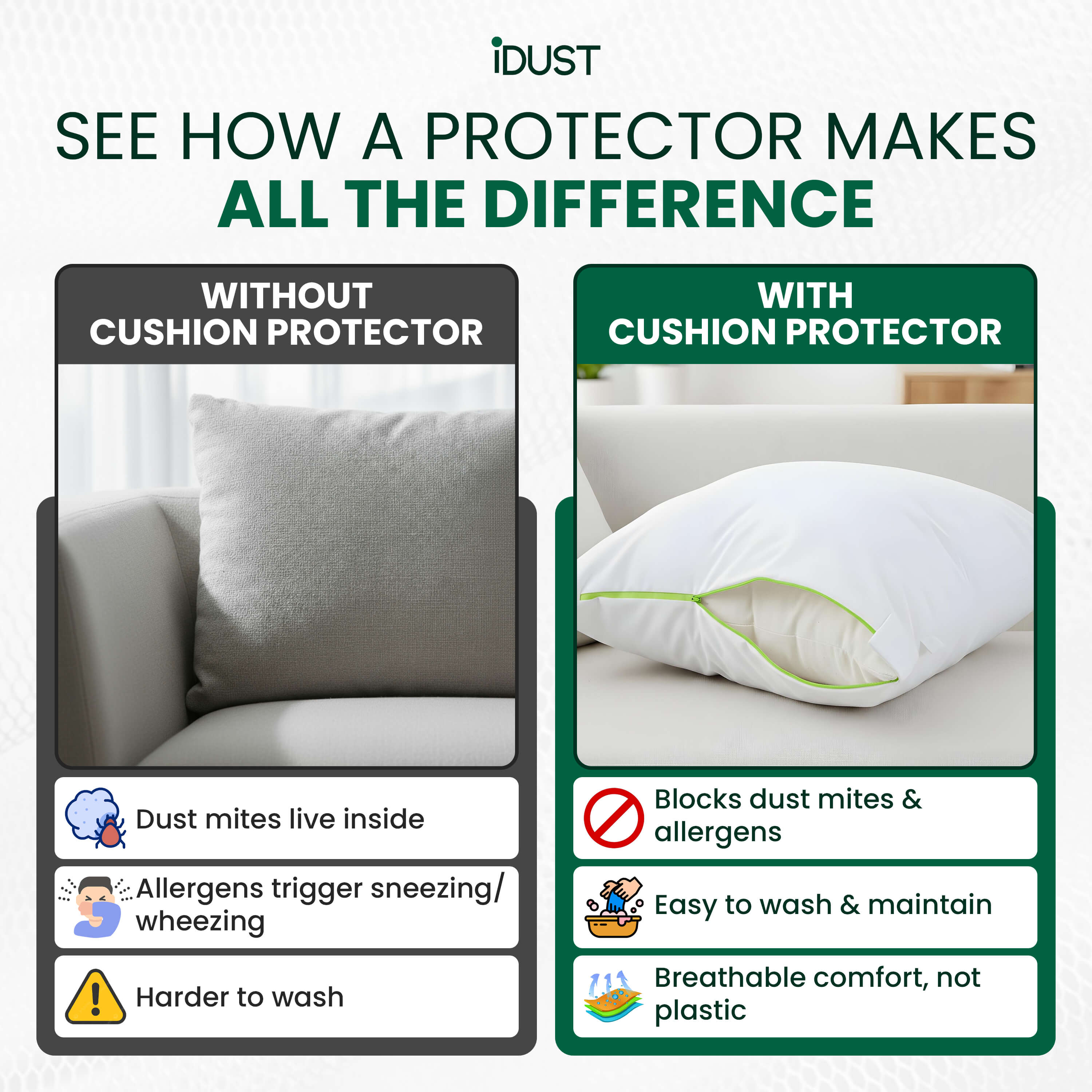
The best long-term solution? Switch to pillows with removable zippered covers.
– Wash Covers Monthly: Keeps the insert clean and dry.
– Protects Inserts: Acts as a barrier against oils, spills, and skin cells.
– Saves Money: Extends insert life by years.
Pro Tip: Keep two covers per pillow and rotate while one is in the wash.
Avoid These Common Mistakes
Do Not Submerge Memory Foam
Foam breaks down in water. Never soak, machine wash, or machine dry memory foam pillows. Instead:
– Vacuum surface weekly.
– Spot clean with mild soap and damp cloth.
– Air out in sunlight to kill bacteria.
Do Not Use Harsh Chemicals
Avoid chlorine bleach, strong detergents, or ammonia. They:
– Fade colors
– Weaken fibers
– Damage natural fills like down
Stick to mild detergents, oxygen bleach (OxiClean), or vinegar.
Do Not Rush the Dry
A damp pillow is a mold factory. Always:
– Confirm it is 100% dry before use.
– Smell the center. A musty odor means it is still wet inside.
– Wait longer if in doubt.
Frequently Asked Questions About Washing Pillows Without Zippers
Can You Machine Wash a Pillow With No Zipper?
Only if the care label explicitly states it is machine washable. Front-loading machines on a gentle cycle with cold water work best. Always wash two pillows at once or add towels to balance the load. If the label is missing or says “Spot Clean Only,” do not risk machine washing.
How Do You Wash a Pillow That Cannot Be Washed?
Use the spot cleaning method. Mix mild detergent with lukewarm water, dampen a soft cloth, and dab the stained areas gently. Work from the outside of the stain inward. Blot dry with a clean towel and allow the pillow to air dry completely in a well-ventilated area.
What Happens If You Never Wash Your Pillow?
Over time, pillows accumulate dead skin cells, dust mites, bacteria, and mildew. This can trigger allergies, worsen asthma, and cause skin irritation. Pillows unwashed for two years or more harbor significant dust mite populations that pose real health risks, especially for sensitive individuals.
How Do You Get the Smell Out of a Pillow Without Washing It?
Sprinkle baking soda evenly over the surface, let it sit for 30 minutes, then vacuum thoroughly with a brush attachment. You can also lightly spray a 1:1 white vinegar and water solution to kill bacteria, then air dry completely in sunlight.
Can You Put a Pillow in the Dryer Without Washing It?
Yes, if the care label permits tumble drying. Use low heat only and add 2 to 3 clean tennis balls to break up clumps. For down pillows, run two full cycles and fluff between cycles to ensure deep moisture removal.
How Often Should You Wash Pillows Without Removable Covers?
High-traffic pillows (used daily on a bed or couch) should be deep cleaned once a month. Low-traffic decorative pillows can be washed every 3 to 4 months. Spot clean spills immediately to prevent stains from setting between full cleanings.
Key Takeaways for Washing Pillows Without Zippers
Washing a pillow with no zipper is entirely possible when you follow the right steps. Always start by checking the care label and identifying your fill material, since memory foam and delicate fabrics require spot cleaning only while cotton and synthetic fills can handle hand or machine washing. Never rush the drying process, as trapped moisture leads to mold and clumping that can ruin your pillow.
Your next step: assess your pillows today using the care label and fill guide above, then choose the safest cleaning method. For long-term convenience, consider upgrading to zippered covers so you can wash the cover monthly and protect the insert for years to come.