Benefits of Using a Heating Pad on Your Neck
Neck pain touches nearly everyone at some point, whether from a long day at the computer, a rough night’s sleep, or the slow build of chronic tension. Among the simplest and most effective home remedies is applying a heating pad directly to the sore area. The benefits of heating pad on neck discomfort are supported by both clinical experience and solid physiological science, making it a trusted option for millions seeking non-medicated relief.
This guide covers how heat therapy works, the specific conditions it treats best, essential safety rules, and expert-backed strategies to help you get the most from every session. Whether you deal with daily stiffness or occasional flare-ups, understanding the right way to use heat can transform your approach to neck care.
How Heat Therapy Relieves Neck Pain
Boosts Blood Flow to Tense Muscles
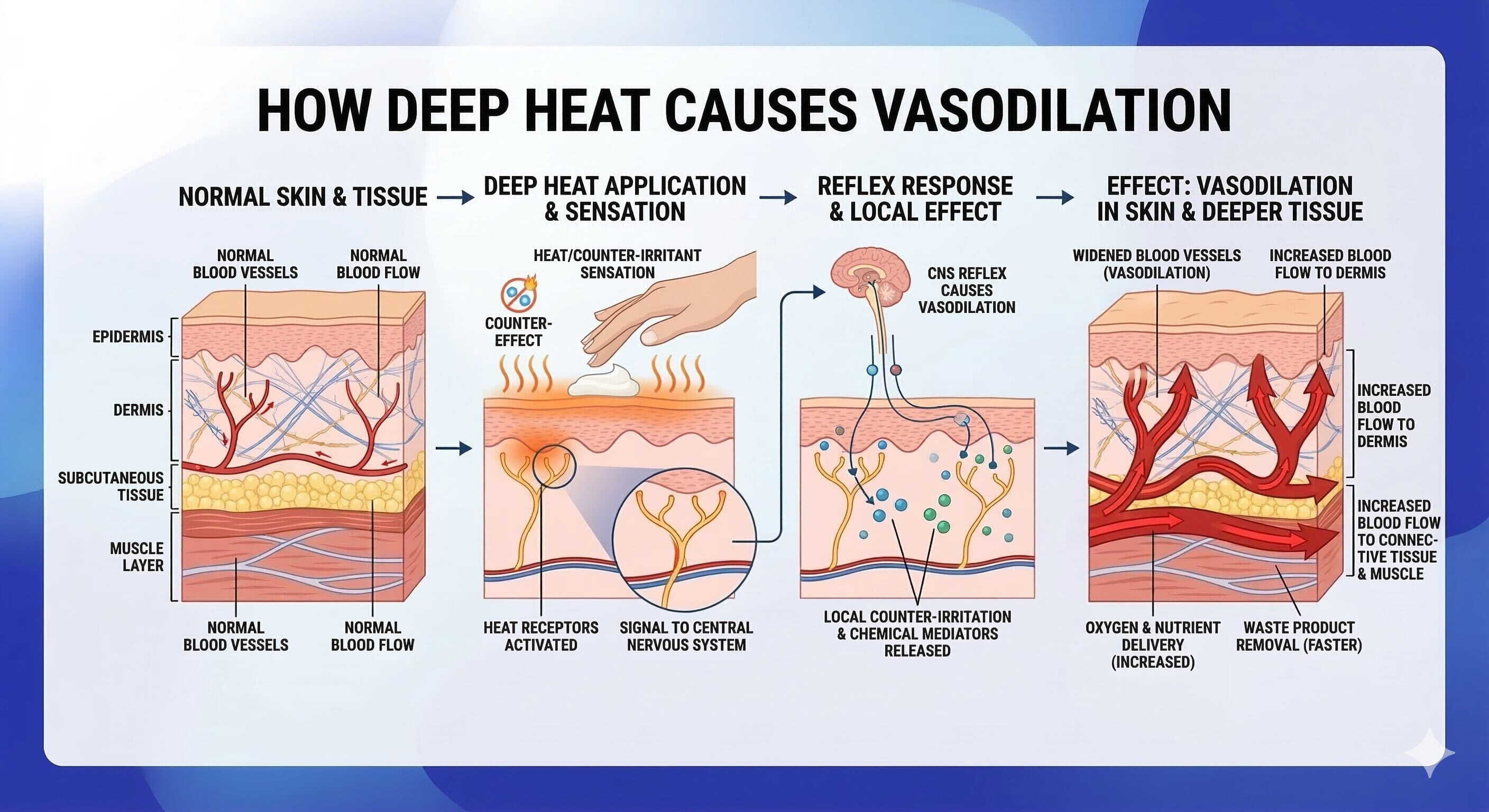
The primary mechanism behind heat’s effectiveness is vasodilation, or the widening of blood vessels. When warmth reaches the cervical tissues, circulation increases, delivering fresh oxygen and nutrients while flushing out metabolic waste that builds up in stiff, overworked muscles. This process creates an ideal environment for natural tissue repair and is especially valuable for chronic stiffness where sluggish circulation can prolong discomfort.
Loosens Tight, Overworked Muscles
Muscle tension is one of the leading drivers of neck pain, often fueled by stress, poor ergonomics, or postural strain. Heat softens rigid muscle fibers and connective tissue, reducing the involuntary contractions that cause spasms and soreness. Physiotherapist Vitali Kanevsky notes that neck spasms frequently stem from deeper spinal issues, and heat reaches those layers far better than ice, which can actually tighten already contracted muscles.
Calms Pain Signal Transmission
Heat also changes how your nervous system processes pain. Rather than numbing the area like cold does, heat alters nerve conduction in a way that reduces pain intensity without suppressing inflammation, which is important for chronically sore areas that aren’t swollen. Over time, regular sessions can help interrupt the cycle of pain, tension, and guarding that keeps neck problems lingering.
Best Conditions for Neck Heat Therapy
Chronic Stiffness and Tension
If your neck feels tight after hours at a desk or waking up with that familiar “crick,” heat is likely your best choice. Chronic stiffness lasting more than 48 hours responds exceptionally well to warmth because the initial inflammatory phase has passed. A heating pad promotes flexibility and makes everyday movements like turning your head or looking up far more comfortable.
Pinched Nerves from Muscle Compression
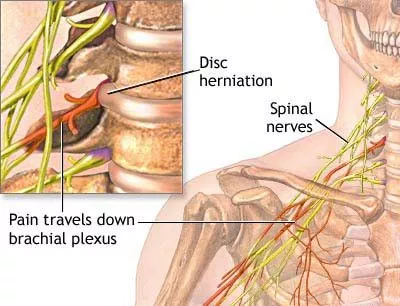
When a nerve in the upper spine is compressed by tight surrounding muscles rather than structural damage like a herniated disc, heat can deliver real relief. Relaxing the constricting musculature eases pressure on the nerve, reducing radiating pain, tingling, or numbness that travels into the shoulders or arms. If symptoms persist despite consistent heat use, however, professional evaluation is essential.
Recurring Muscle Spasms
Frequent neck spasms often result from overuse, poor posture, or stress-related bracing. Because spasms involve involuntary contractions, cooling the area can backfire by increasing rigidity. Heat encourages muscles to release and prevents the “guarding” reflex that locks them up. A short daily session can serve as both treatment and prevention for those prone to recurring episodes.
Heat vs. Cold: Choosing the Right Therapy
Cold Comes First for Acute Injuries
For neck pain caused by a recent strain, whiplash, or trauma within the first 48 hours, cold therapy is the safer choice. Ice reduces swelling, constricts blood vessels, and numbs sharp pain. Applying heat during this window can worsen inflammation and delay healing. Always reach for cold if you notice visible bruising, redness, or swelling.
Heat Wins for Chronic Discomfort
Once past the acute stage, heat becomes the superior option. Unlike cold, which mostly affects superficial tissues, heat penetrates deeper into the cervical region, reaching the muscles and connective structures around the spine. Most experts agree that ice rarely reaches deep enough to influence spinal structures, making heat the preferred modality for most non-acute neck pain.
Contrast Therapy for Mixed Symptoms
When the stage of injury is unclear or symptoms alternate between inflammation and stiffness, alternating heat and cold offers a balanced approach. A simple protocol is:
– 5 minutes of heat to open blood vessels and relax muscles
– 5 minutes of cold to calm any lingering inflammation
– 5 minutes of heat to finish in a relaxed state and prevent rebound tightening
This cycle works well during the transition from acute injury to recovery or for chronic conditions with occasional flare-ups.
Essential Safety Rules for Neck Heating
Stick to Low or Medium Heat
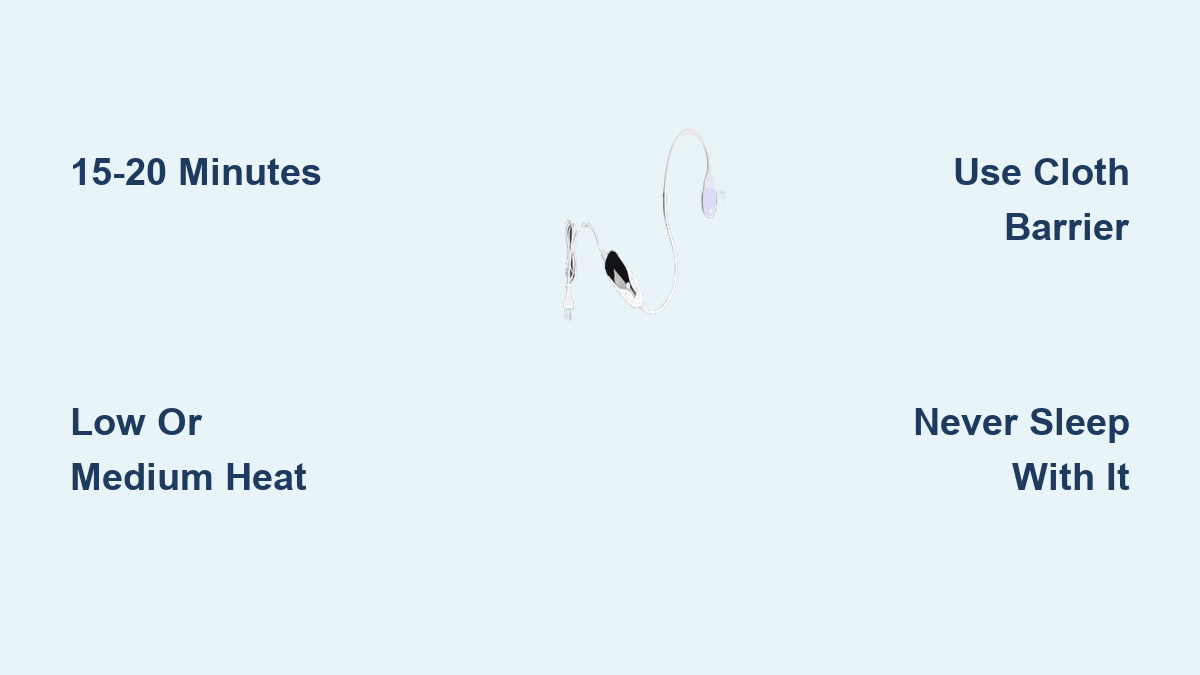
High settings create a serious burn risk, especially on the thin, sensitive skin of the neck. Always set your heating pad to low or medium intensity. The goal is therapeutic warmth, not intense heat, and prolonged exposure to high temperatures can damage tissue without you noticing right away.
Limit Sessions to 15 to 20 Minutes
To prevent overheating and tissue damage, keep each session to 15 to 20 minutes. This window is long enough to trigger vasodilation and relaxation without adverse effects. Set a timer so you don’t accidentally overuse the pad. You can repeat sessions every few hours, but never extend a single application beyond the safe limit.
Always Use a Cloth Barrier
Never place a heating pad directly against bare skin. A thin towel or cloth between the device and your neck ensures even heat distribution and prevents direct contact burns. Avoid thick fabrics, which can block too much heat and reduce the therapy’s effectiveness.
Never Sleep with a Heating Pad On
Falling asleep with a heating pad on your neck is extremely dangerous. Without active monitoring, you lose the ability to sense overheating or discomfort, dramatically raising the risk of severe burns. Always use heat while awake and alert, and consider models with automatic shut-off features for added peace of mind.
Who Should Avoid Heat Therapy?
Broken, Irritated, or Infected Skin
Do not apply heat if your neck has cuts, rashes, sunburn, or signs of infection. Increased blood flow to compromised skin can worsen irritation or spread infection. Wait until the skin heals completely before resuming treatment.
Numbness or Reduced Sensation
If you have decreased feeling in your neck due to nerve damage, diabetes, or another condition, skip heat therapy. Without proper sensory feedback, you may not notice when skin becomes dangerously hot, leading to undetected burns.
Suspected Serious Spinal Conditions
Heat helps manage symptoms but never replaces medical diagnosis. Seek professional care if you experience:
– Sharp, shooting pain traveling down the arms
– Progressive weakness or numbness
– Pain that worsens despite correct heat use
– Unexplained weight loss, fever, or a history of cancer
These signs may point to herniated discs, spinal stenosis, or systemic illness requiring imaging or specialist care.
Expert Insights on Neck Heat Therapy
Osteopathic Perspective on Therapy Choice
Dr. John Smartt emphasizes matching the therapy to the condition: heat for chronic pain, cold for acute injury. He cautions that while heat relaxes muscles, it can intensify superficial inflammation if applied too early, making timing and accurate diagnosis critical.
Chiropractic View on the Rebound Effect
Dr. Ryan Hislop points out a phenomenon called the “rebound effect” with ice, where prolonged cold triggers reflexive vasodilation that mimics heat. While this can help in some cases, it explains why heat is often more predictable and effective for sustained muscle relaxation.
Physiotherapy Preference for Deep Penetration
Vitali Kanevsky routinely recommends heat for neck and back pain because cold therapy rarely penetrates deeply enough to reach spinal structures. Unless there is clear evidence of recent tearing or active swelling, heat remains his go-to recommendation.
Optimal Heat Therapy Protocol

Step-by-Step Application Guide
- Check your skin for redness, breaks, or numbness before starting.
- Set the heat level to low or medium.
- Place a thin towel over the neck area as a barrier.
- Position the pad over the tense muscles, from the upper spine to the base of the skull.
- Start a timer for 15 to 20 minutes and do not exceed it.
- Monitor your comfort and stop if the heat feels too intense.
- Remove and rest, allowing the skin to return to normal temperature before reapplying.
When to Repeat Treatment
You can safely repeat heat therapy every 2 to 3 hours as needed. Many people find morning and evening sessions most effective, especially before stretching or bedtime, to boost mobility and reduce overnight stiffness.
Device Maintenance Tips
Keep your heating pad in safe working condition:
– Inspect cords for fraying or damage
– Test for consistent temperature and avoid units that overheat
– Replace older models, especially those beyond 3 to 5 years
– Follow manufacturer cleaning instructions
A malfunctioning device can deliver uneven heat or pose fire risks, so regular checks are essential.
Real-World Use Cases

Office Workers with Tech Neck
Long hours at a computer lead to forward head posture and trapezius strain. A daily 15-minute heat session after work relaxes overworked muscles, reduces headache frequency, and improves posture awareness throughout the next day.
Athletes Managing Post-Workout Soreness
After upper-body training or contact sports, neck muscles often tighten. Heat applied after cooldown helps speed recovery and prevents next-day stiffness, provided no acute injury occurred during the activity.
Seniors with Arthritic Stiffness
Older adults frequently deal with cervical joint degeneration and morning stiffness. Gentle heat in the morning enhances mobility, makes daily routines easier, and can reduce reliance on pain medication.
Frequently Asked Questions About Heating Pads for Neck Pain
How long should I use a heating pad on my neck?
Limit each session to 15 to 20 minutes to prevent overheating and tissue damage. You can safely repeat the application every 2 to 3 hours as needed throughout the day.
Is heat or ice better for neck pain?
It depends on timing. Use ice for acute injuries within the first 48 hours to reduce swelling and numb pain. Use heat for chronic stiffness, muscle spasms, or tension lasting longer than 48 hours, since heat penetrates deeper and relaxes tight muscles more effectively.
Can a heating pad help a pinched nerve in the neck?
Yes, when the pinched nerve is caused by tight muscles compressing it rather than structural damage. Heat relaxes the surrounding musculature, easing pressure on the nerve and reducing radiating pain or tingling. If symptoms persist, consult a healthcare provider to rule out herniated discs or spinal stenosis.
Is it safe to sleep with a heating pad on my neck?
No. Never sleep with a heating pad on. Unattended use removes your ability to sense overheating, creating a high risk of severe burns. Always stay awake during treatment and consider pads with automatic shut-off features.
What temperature setting should I use on my heating pad?
Always choose low or medium heat. High settings can burn the thin, sensitive skin of the neck, especially since the area sits close to major blood vessels and nerves. Therapeutic warmth, not intense heat, is the goal.
When should I see a doctor instead of using a heating pad?
Seek medical evaluation if you experience sharp or radiating pain down the arms, progressive weakness or numbness, pain that worsens despite correct heat use, or accompanying symptoms like fever, unexplained weight loss, or a history of cancer. These signs may indicate structural spinal issues requiring professional care.
Key Takeaways for Using a Heating Pad on Your Neck
The benefits of heating pad on neck pain are clear: improved circulation, relaxed muscles, and effective management of chronic discomfort. When used correctly, with sessions limited to 15 to 20 minutes on low or medium heat with a cloth barrier, heat therapy is a safe, non-invasive tool for everyday relief. It excels at treating long-term stiffness, muscle spasms, and nerve compression caused by tension, but it should be avoided within the first 48 hours of injury or on compromised skin. For lasting results, combine heat therapy with posture correction, gentle stretching, and professional care whenever symptoms persist or worsen. Start with one short session today and notice how much easier it feels to turn your head by tonight.