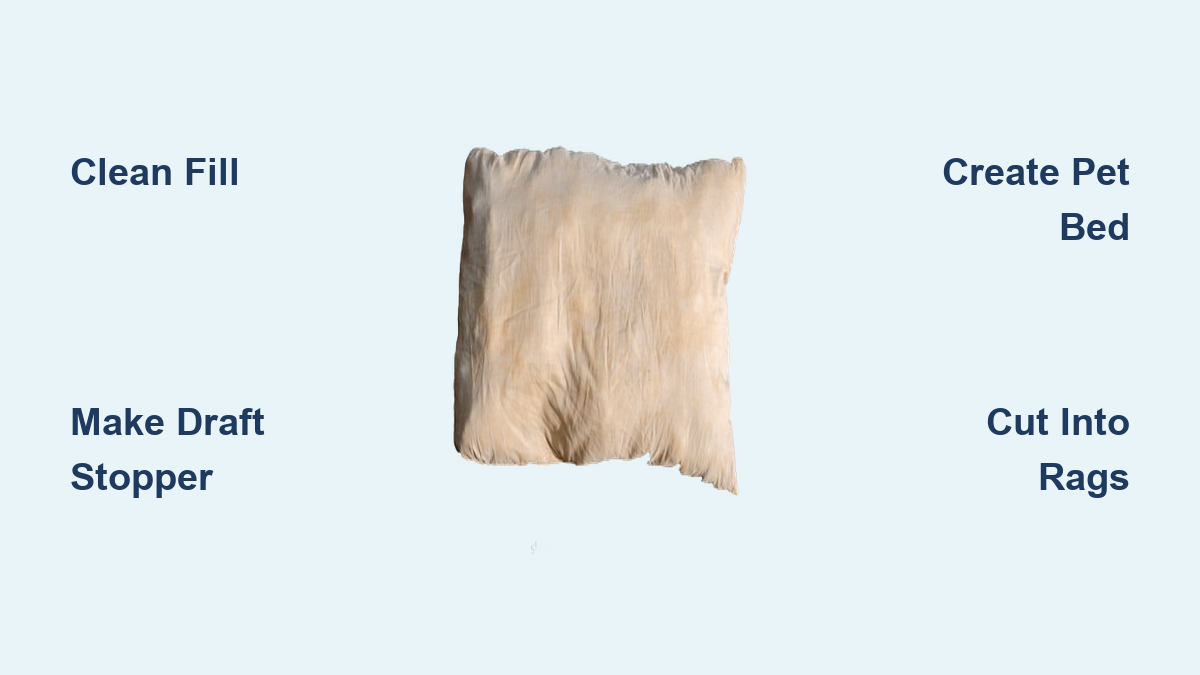
How to Reuse Old Pillows: Creative DIY Ideas
Every year, millions of pillows end up in landfills—not because they are useless, but because we do not know how to give them a second life. The U.S. Environmental Protection Agency estimates that over 17 million tons of textile waste is generated annually, much of it preventable. Old pillows may have lost their loft, but they are far from dead. With a little creativity and basic prep, you can transform worn bedding into pet beds, draft stoppers, craft supplies, garden aids, and more.
This guide shows you exactly how to reuse old pillows safely, effectively, and sustainably. Whether you are a DIY enthusiast, a pet owner, or just trying to live more eco-consciously, you will discover practical ways to repurpose every part: filling, fabric, and foam. No fluff, no waste, just actionable steps that save money, reduce clutter, and support a circular home economy.
Assess Your Pillow Condition Before Repurposing

Not every pillow qualifies for reuse. Taking time to evaluate condition first prevents wasted effort and ensures safety.
Is Your Pillow Safe to Reuse
Check for these indicators before proceeding. A good candidate is clean, odor-free, stain-free, and free of mold or tears. Toss or compost pillows that smell musty, show visible mildew, have insect infestation, or display severe staining. Even flat pillows retain value for many non-sleep uses.
Clean and Sanitize Different Fill Types
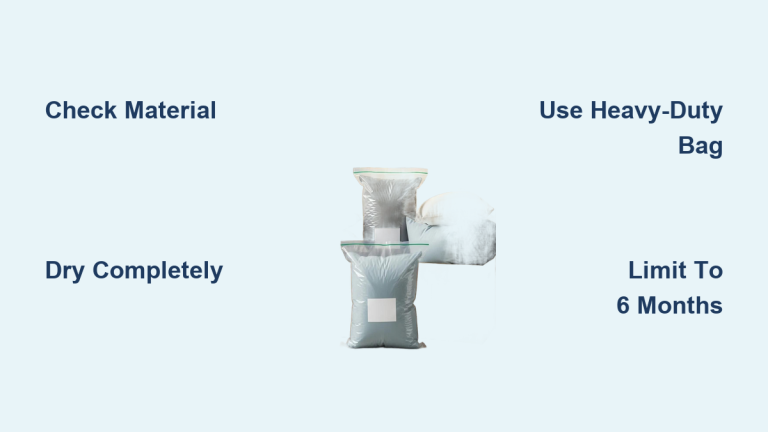
Each pillow material requires specific care. For down, feather, or polyester fills, machine-wash on gentle cycle with mild detergent. Add one cup of white vinegar to deodorize. Dry on low heat with tennis balls to restore fluff. Memory foam accepts only spot-cleaning with damp cloth and mild soap. Never soak it. Air-dry for 24 to 48 hours. Latex wipes down easily with a damp cloth. Buckwheat hulls require removing the casing; discard hulls if dusty, but wash the casing separately.
Sanitize stuffing using one of these proven methods. The oven method involves spreading filling on a baking sheet and baking at 200°F for 30 minutes. The freeze method seals stuffing in plastic and freezes it for 48 hours to kill mites. Sun-drying lays filling in direct sunlight for 2 to 4 hours for UV disinfection.
Repurpose Whole Pillows Without Deconstruction
If your pillow remains intact, skip the complicated steps and use it as-is.
Create Floor Poufs and Cushions
Turn a flat pillow into cozy floor seating. The quick version simply slips the pillow into a decorative zippered cover for easy washing. For a DIY pouf, combine stuffing from 3 to 5 old pillows and sew or purchase a 20 to 24 inch circular cover. Use fleece, denim, or repurposed curtains for outer fabric. This project takes about 20 minutes with no-sew options available. It works best for dorm rooms, kids spaces, and reading nooks.
Build Garden Loungers
Create modular outdoor seating by connecting five pillowcases. Sew them side-to-side with right sides together, iron the seams flat, and insert one pillow per case. Use dark-colored, stain-resistant cases for durability under shade sails or on patios.
Use as Gardening Knee Pads
Protect joints on hard soil or concrete. Memory foam or dense fiberfill works best for this purpose. Store in a shed and replace when compressed or dirty. Wrap in vinyl for waterproofing. These also slide under car doors during repairs.
Add to Emergency Car Kit
Pack an old pillow for neck support on long drives, nap comfort during travel, padding under emergency blankets, or back support during roadside waits. This saves $10 to $20 on disposable travel pillows.
Double Up for Better Sleep
Extend pillow life instantly by stacking two thin pillows and inserting both into one case. This creates firmer support for side sleepers and adds 3 to 6 months of usable life.
Extract Filling for Maximum Versatility
Pull apart the inside for endless creative possibilities.
Fill DIY Pet Beds
Give your pet a cozy, custom bed using old jeans. Cut the legs, flatten and sew into two rectangular panels. Sew three sides, turn right-side out, stuff with pillow filling, and sew shut or add a zipper. Hide dog treats inside for scent comfort. Expect 6 to 12 months lifespan with a washable cover.
Make Draft Excluders
Stop cold air under doors using old tights, leggings, or denim legs. Cut a 36 to 48 inch leg section and fill tightly with compressed filling. Tie or sew ends closed. Optional: Mix in rice or sand for weight. The U.S. Department of Energy estimates draft stoppers can save up to 10 percent on heating bills.
Pack Fragile Items
Wrap glasses, vases, or decor in dry stuffing as an eco-friendly alternative to bubble wrap. Polyester or memory foam scraps work best. Avoid using on moisture-sensitive items.
Insulate Walls and Planters
Cut memory foam to fit behind outlet covers for renter-friendly insulation. Line pet houses or compost bins to retain heat. Place foam at the bottom of planters to insulate roots in winter. Keep foam dry and away from open flames.
Craft Custom Support Pillows
Cut memory foam for therapeutic use. A 12 by 6 by 3 inch lumbar wedge fits office chairs. An 18 by 10 by 4 inch leg elevation pillow aids post-surgery recovery. Wrap in cotton or stretch fabric and add handles.
Restuff Toys and Ornaments
Revive flat stuffed animals or holiday decor. Cut the seam, add new stuffing, and stitch closed. Use in handmade snowmen, dolls, or Easter basket liners. Watch YouTube tutorials for re-fluffing techniques.
Compost Natural Fillings
Return natural fillers to the earth. Feathers are high in nitrogen and great for compost. Remove from casing and bury deep to avoid attracting pests. Buckwheat hulls improve soil aeration as mulch and deter slugs and snails. Never compost polyester, memory foam, or synthetic blends.
Transform Pillowcases Into Practical Home Items

The outer shell contains cotton, linen, or polyester that crafters treasure.
Cut Into Cleaning Rags
Turn pillowcases into reusable, washable cloths. Cut into 8 by 8 inch squares. Sort by color: white cotton for glass and food surfaces, dark or dyed fabric for grease and bathroom cleaning. Wash after each use. These last 50 or more cycles and save roughly $5 monthly on paper towels.
Sew Tote Bags or Pouches
King-size cases create roomy totes. The no-sew version hems edges and attaches ribbon handles. Drawstring bags work well for laundry, produce, or toys. Use pinking shears to prevent fraying.
Organize Drawers and Cables
Maximize small-space storage. Cut cases to fit drawers as liners to protect surfaces. Roll cords and insert into a case, tying ends for cable sleeves. Label shoe bags with markers for breathable, dust-proof storage. Hang three cases in a laundry basket as a sorter for separating colors.
Make Decorative Items
Add charm with upcycled textiles. Sew lumbar pillow covers with ties or zippers. Slip dust covers over lamps or stored furniture. Cut and hem cloth napkins for vintage style. Fill small pouches with lavender for sachets that repel moths. Stretch fabric on embroidery hoops and stitch designs for wall art.
Craft Clothing and Wearables
Upcycle into functional fashion. Make pillowcase dresses for kids or dolls, adding sleeves from old T-shirts. Sew reusable produce bags with drawstring tops. Create hair scrunchies from narrow strips of soft fabric.
Create Memory Keepsakes
Preserve emotional value. Make a memory pillow by mixing stuffing with fabric from a loved one’s shirt. Add dried flowers or essential oils for scent. These provide therapeutic comfort for grief support or milestone纪念 like graduation or retirement.
Creative DIY Projects for Craft Enthusiasts
Level up with fun, artistic repurposing.
Make a Turmeric Tie-Dye Lion Cushion
Create vibrant home decor using a white jersey pillowcase, turmeric, vinegar, rubber bands, and yarn. Boil 4 liters of water with 3 teaspoons vinegar and 3 tablespoons turmeric. Simmer the case for at least an hour until golden. Rinse, dry, and iron. Sketch a lion face using a plate as the head guide, using tie-dye rings as the mane. Embroider the face with black yarn using chain stitch at roughly 1 centimeter spacing. Stuff with torn pillow filling, pin, and sew edges with pinking shears.
Insert Into Felted Sweater
Make a cozy throw pillow by finding an old wool sweater. Felt it in the washing machine using hot water, then dry in the dryer. Cut an opening and insert the pillow. Close with buttons or zipper for rustic, hygge-inspired decor.
Craft T-Shirt Memory Pillows
Honor sentimental clothing by cutting the front and back of a favorite T-shirt into squares. Wrap around a pillow and sew edges. This preserves band logos, sports teams, or travel memories as gifts or memorials.
Build Pet Toys
Make crinkle mice or chew balls by cutting pillowcase into small pouches. Fill with stuffing and crinkly plastic from chip bags. Sew into bone, mouse, or ball shapes. This provides a safe, washable alternative with no small parts.
Install Wall Insulation Panels
Cut memory foam to fit behind cold walls or windows. Wrap in breathable cotton fabric and mount using double-sided tape. This renter-friendly solution reduces heat loss and blocks noise.
Donate Pillows When Reuse Is Not Possible
Give pillows a social purpose when DIY is not the answer.
Which Organizations Accept Old Pillows
Animal shelters most readily accept old pillows for crate bedding. Foster pet programs welcome homemade pet beds. Wildlife rehabilitation centers use them for nesting warmth. Some homeless shelters accept donations, but always call first to verify current policies.
Alternative Donation Paths
Post pillows in Buy Nothing groups, Freecycle.org, or community swap events. Only donate clean, odor-free, structurally sound pillows. Shelters with strict hygiene policies commonly reject soiled items.
Recycle or Compost What Cannot Be Reused
Dispose responsibly when reuse is not possible.
Textile Recycling Options
Drop off at H&M Garment Collecting locations or use Retex and TerraCycle programs. Search Earth911.org for local textile drop-offs. Most curbside recycling bins do not accept pillows.
Industrial Foam Recyclers
Memory foam becomes carpet padding, gym mats, or furniture cushioning through specialized processors. Check availability through your local waste authority.
Compost Natural Fillings Safely
Safe candidates include feathers, cotton, wool, and buckwheat hulls. Bury deep in the compost pile and turn regularly. Never add polyester, foam, or synthetic blends.
Frequently Asked Questions About Reusing Old Pillows
Can I put old pillows in my curbside recycling bin?
No. Most curbside recycling programs do not accept pillows because of mixed materials and hygiene concerns. Use textile drop-off locations like H&M stores or TerraCycle programs instead.
What is the best way to clean an old pillow before repurposing it?
Machine-wash down, feather, or polyester pillows on gentle cycle with mild detergent and one cup of white vinegar. Air-dry with tennis balls. Spot-clean memory foam with damp cloth and mild soap, then air-dry 24 to 48 hours.
Are animal shelters always willing to accept donated pillows?
Not always. Many shelters have strict hygiene policies and reject pillows due to lice or mold risks. Always call ahead to verify current acceptance policies before donating.
Can I compost pillow filling at home?
Only natural fillings like feathers, cotton, wool, and buckwheat hulls compost safely. Shred or break down materials and mix into the compost pile. Never compost polyester, memory foam, or synthetic blends.
How long does repurposed pillow filling last in a DIY pet bed?
Expect 6 to 12 months of use with a washable cover. The lifespan depends on the pet size, usage frequency, and how often the bed gets washed.
Key Takeaways for Reusing Old Pillows Sustainably
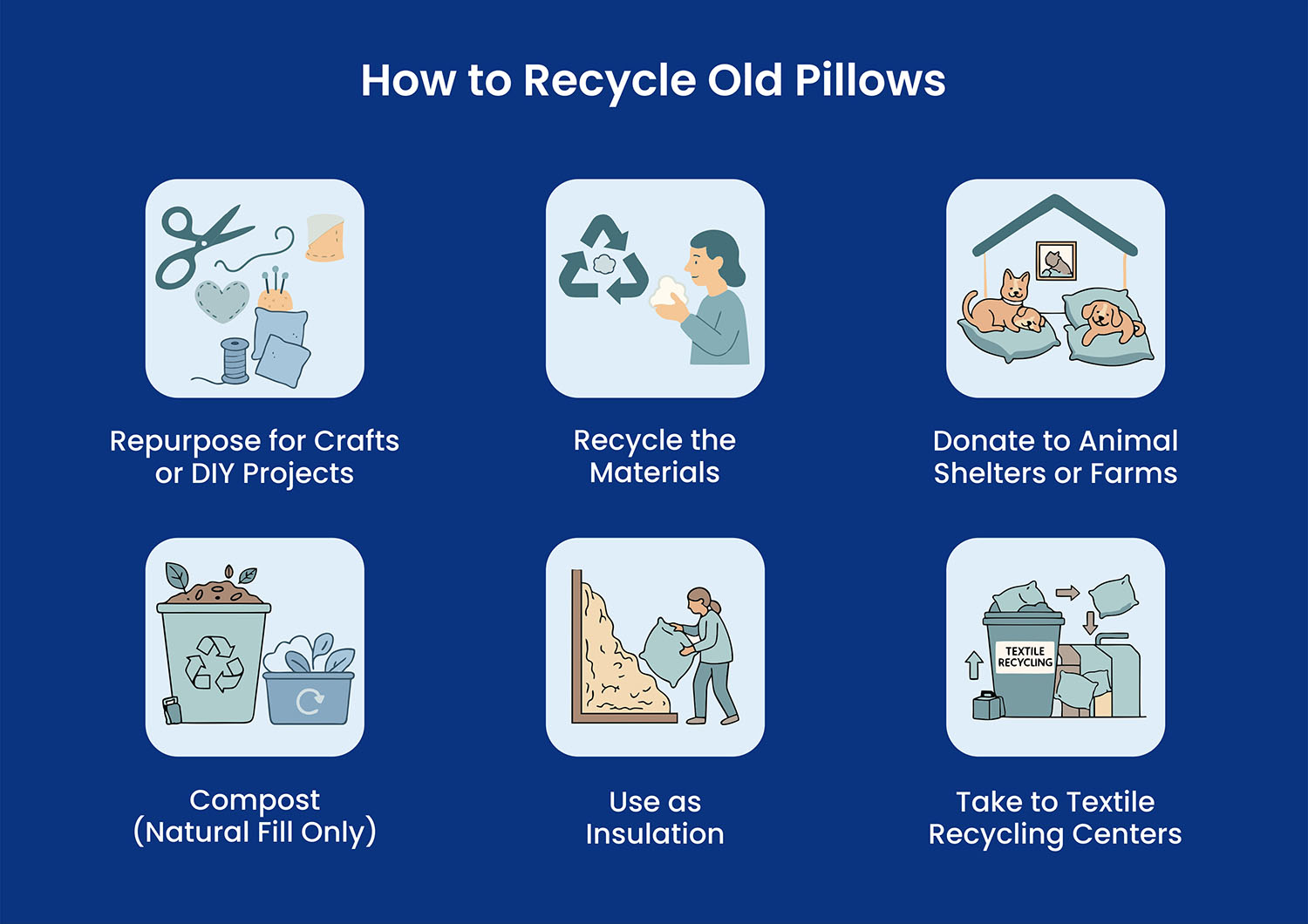
Every old pillow is a resource, not trash. By learning how to reuse old pillows, you cut waste, save money, and spark creativity. Start by assessing condition and cleaning properly. Separate filling from casing to double your materials. Match material to use: feathers for compost or pet bedding, memory foam for insulation or supports, polyester for rags or stuffing, and buckwheat hulls for garden mulch. Simple projects like draft stoppers or cleaning rags take under 10 minutes. Involve children to teach eco-habits early. When reuse is complete, donate clean items to animal shelters or recycle through textile programs. From garden kneelers to memory keepsakes, the possibilities are limited only by imagination. Your next project is already waiting in your linen closet.