

How Wide Is a King Size Pillow
If you’ve ever wondered exactly how wide a king size pillow is, the answer is straightforward: 20 inches (51 cm). This width is standardized across all major pillow sizes in the United States, meaning standard, queen, and king pillows all share the same 20-inch width. The difference lies in the length, with king pillows stretching to 36 inches to provide extra coverage on larger beds. Understanding this dimension is essential whether you’re shopping for new bedding, decorating your bedroom, or troubleshooting comfort issues.
In this guide, you’ll discover why the 20-inch width matters, how king pillow dimensions compare to other sizes, and what to consider when choosing the right pillow for your sleep needs and bed setup.
Standard King Pillow Dimensions Explained
A king size pillow measures exactly 20 inches wide by 36 inches long (51 × 91 cm). This standardized sizing has remained consistent across manufacturers because it balances ergonomic support with bedding compatibility. The 20-inch width accommodates the average adult head and shoulder width, while the 36-inch length provides extended coverage for king and California king mattresses.
The width does not vary between pillow types, which is a key design feature that ensures pillowcase compatibility across the industry. Whether you purchase a standard, queen, or king pillow, you can expect the same 20-inch width regardless of the length.
King Pillow Size Comparison
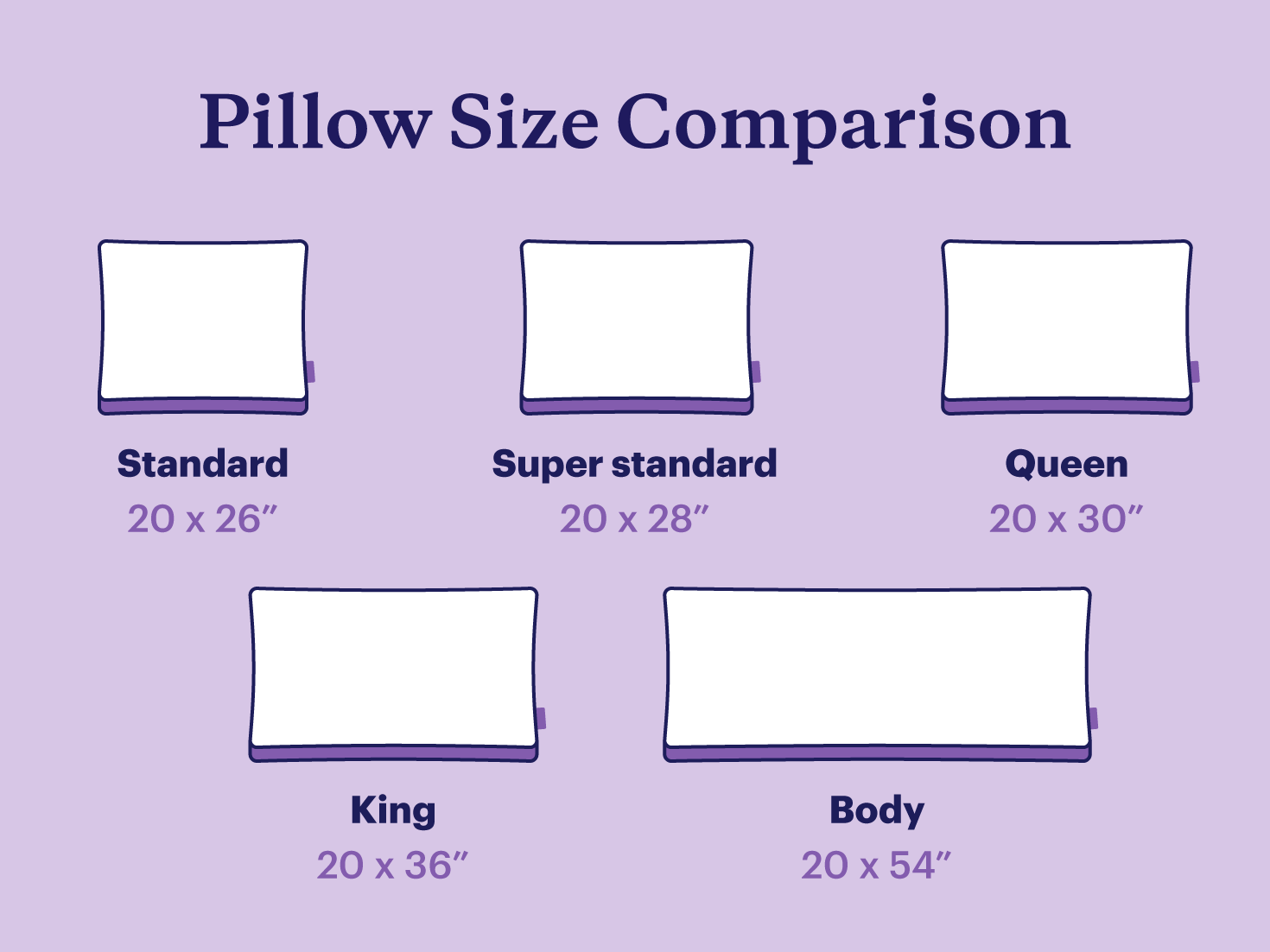
Understanding how king pillows measure up against other sizes helps you make informed bedding decisions.
| Pillow Type | Width | Length | Best Bed Match |
|---|---|---|---|
| Standard | 20″ | 26″ | Twin, Full |
| Queen | 20″ | 30″ | Queen |
| King | 20″ | 36″ | King, California King |
The 6-inch length difference between queen and king pillows creates a significant impact on bed coverage and support options. Two king pillows placed side by side span 72 inches, nearly matching the 76-inch width of a king mattress.
Why 20 Inches Is the Standard Width
The 20-inch width represents a carefully calculated balance between comfort and practicality. This dimension allows the pillow to fully support an adult head without excessive overhang, while fitting comfortably within standard pillowcase openings. The width aligns with average shoulder proportions, ensuring proper neck alignment for back and side sleepers.
Manufacturers maintain this consistent width so that consumers can mix and match pillow sizes for styling purposes. Interior designers frequently layer queen or standard pillows in front of king pillows, and the shared width ensures perfect alignment.
How King Pillow Size Affects Your Bed
The extended length of king pillows creates practical benefits for larger beds. When placed on a king or California king mattress, two king pillows cover nearly the entire sleeping surface, leaving only minimal gaps. This creates a polished, hotel-like appearance that many homeowners prefer.
The extra length also benefits specific sleep situations. Side sleepers can tuck part of the pillow under their neck or chin for improved spinal alignment. Back sleepers with broader shoulders gain better positioning support. People who read or watch television in bed experience enhanced upper back support when sitting upright.
Who Benefits Most From King Pillows
King pillows work best for specific situations and sleepers.
Ideal users include owners of king or California king beds, couples sharing larger mattresses, side sleepers needing extra support, taller individuals, and anyone who uses their bed for reading or watching screens. The extended length accommodates more sleeping positions and reduces the chance of rolling off the pillow during the night.
However, king pillows may not suit stomach sleepers who find the length bulky, owners of twin or full beds where the pillow would overhang significantly, or travelers needing portable bedding options.
How Fill Material Affects the 20-Inch Width Feel

While the physical width stays constant, fill type significantly influences how supportive the pillow feels.
Memory foam contours precisely to the head and neck, maximizing the full 20-inch width for side sleepers. Down and feather offer moldable softness but may require more frequent fluffing to prevent flattening in the center. Polyester fiberfill provides affordability but tends to compress faster across the wide surface. Latex delivers resilient support that maintains shape evenly across the entire width.
Some premium brands offer adjustable fill options, allowing you to modify firmness while staying within the fixed 20×36-inch envelope.
Caring for Your King Pillow
King pillows require specific care due to their larger size. Machine washing works in large-capacity front-load washers, but top-load machines with agitators may damage the pillow or fail to accommodate the 36-inch length. Drying takes longer due to increased fill volume, so use low heat and consider multiple cycles with dryer balls to prevent clumping.
Air drying is recommended for memory foam and down pillows to preserve loft and structure. King pillows naturally flatten in the center over time from head pressure, so daily fluffing and weekly rotation help maintain even support across the width.
Common Mistakes to Avoid
Using the wrong pillowcase ranks as the most frequent error. Standard or queen pillowcases overstretch when forced onto king pillows, compressing fill and causing premature wear. Always purchase pillowcases specifically labeled for king size pillows.
Assuming all large pillows are king sized creates problems too. Some brands market “jumbo” or “extra-long” pillows exceeding 36 inches, which won’t fit standard king pillowcases and disrupt bed symmetry.
Placing king pillows on small beds creates visual and functional issues. The excessive overhang looks disproportionate and reduces comfort.
Pricing and Shopping Recommendations
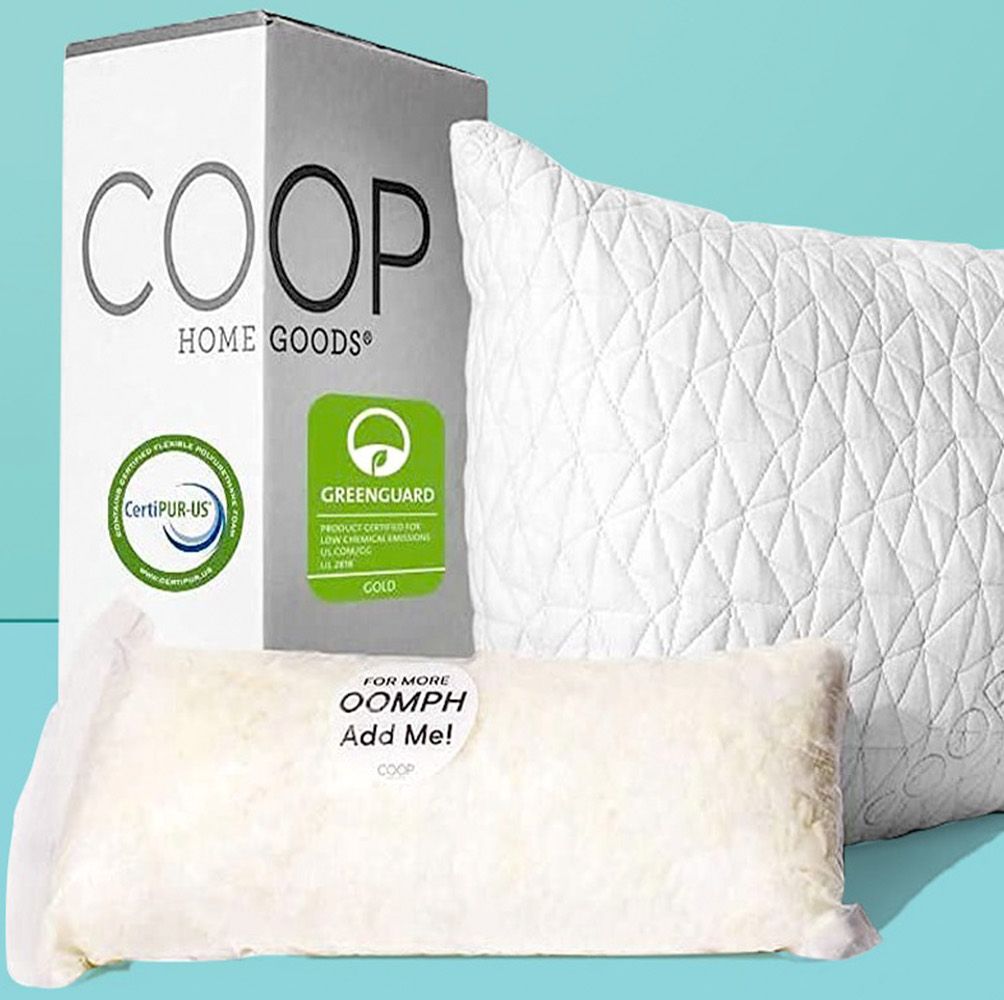
Quality king pillows typically range from $90 to $150, with prices varying based on fill type, brand reputation, and special features like cooling technology. Many retailers offer better value by selling pillows in pairs with matching king pillowcases.
Popular brands include Coop Home Goods for adjustable fill options, Eli & Elm for hypoallergenic designs, Beckham Hotel Collection for affordable luxury, and Brooklyn Bedding for cooling gel memory foam models.
Frequently Asked Questions About King Pillow Dimensions
Does the king pillow width vary by brand?
No, the 20-inch width is standardized across all major pillow manufacturers in the United States. You can expect consistent width regardless of brand or material.
Can I use a queen pillowcase on a king pillow?
No, queen pillowcases are too short and narrow for king pillows. Using one will overstretch the fabric, compress the fill, and cause premature wear. Always use king-sized pillowcases.
Why don’t king pillows have a wider width?
The 20-inch width accommodates average adult head and shoulder proportions. Support is achieved through length rather than width, allowing users to adjust positioning for better spinal alignment.
Are king pillows worth it for queen beds?
King pillows on queen beds create significant overhang and may feel disproportionate. Queen pillows better match the bed width and provide appropriate coverage.
How many king pillows fit on a king bed?
Two king pillows placed side by side fit perfectly on a king mattress, covering 72 of the 76 inches available. This creates minimal gaps for a clean, cohesive look.
Key Takeaways on King Pillow Width
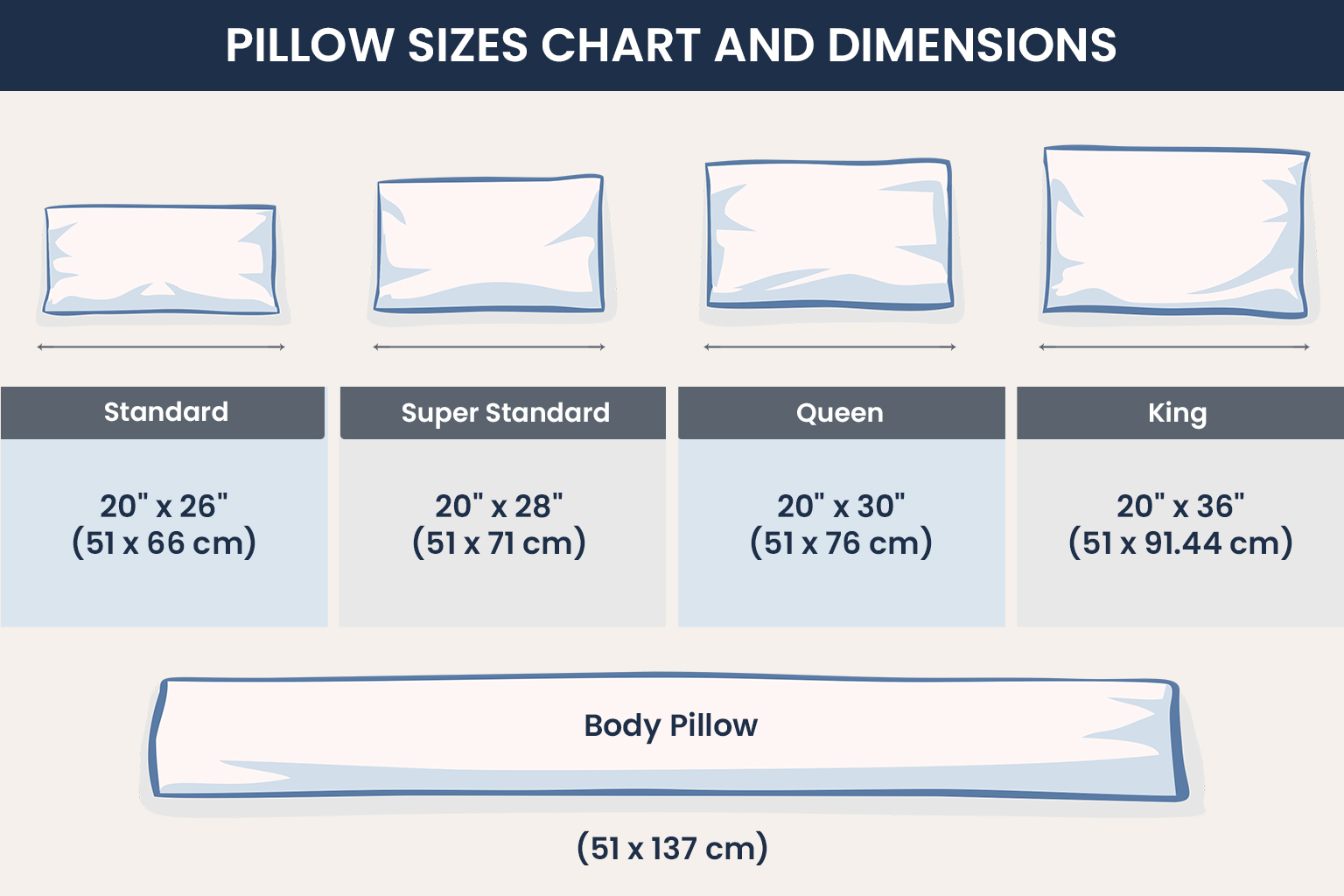
A king size pillow is 20 inches wide and 36 inches long. The 20-inch width remains consistent across all standard pillow sizes, ensuring pillowcase compatibility and allowing creative layering arrangements. The extended length provides better bed coverage, enhanced support for various sleep positions, and that luxurious hotel-style appearance.
When shopping for king pillows, focus on fill type and adjustability features rather than size variations. Choose based on your bed size, sleep position, and personal comfort preferences, and always use properly sized pillowcases to protect your investment.