Heating Pad Low Setting Temperature Guide
If your heating pad feels too hot on high but too weak on low, you’re not alone. The key to effective heat therapy lies in understanding what the heating pad low setting temperature actually means and how even mild warmth can deliver real therapeutic benefits. Most quality heating pads set their low setting at approximately 100°F (38°C), a temperature specifically designed to gently relax muscles, improve blood flow, and relieve pain without risking skin damage.
This guide breaks down everything you need to know about heating pad low setting temperatures, from how they work physiologically to which models deliver consistent, safe heat. You’ll learn why 100°F is ideal for starting treatment, how different pad types vary in performance, and how to use low heat safely for lasting relief.
What Is the Heating Pad Low Setting Temperature?

The low setting on most electric heating pads is calibrated to around 100°F (38°C), slightly above normal body temperature but well below the threshold for tissue stress. This range falls within the universally accepted safe and effective therapeutic window of 98°F to 113°F (37°C to 45°C). At 100°F, the heat is mild enough to avoid discomfort while still initiating key physiological responses like vasodilation and pain signal modulation.
Why 100°F Is Therapeutically Meaningful
Even though 100°F may feel only slightly warm, it plays a crucial role in therapy:
- Triggers early vasodilation, increasing blood flow to the area
- Activates thermoreceptors that help block pain signals
- Reduces muscle stiffness without overheating delicate tissues
- Ideal for sensitive skin, older adults, and those with reduced sensation
Using the low setting allows for longer treatment durations, up to 20 to 30 minutes safely, especially when combined with a timer and protective barrier like a towel.
How Low Settings Compare to Medium and High
| Setting | Temperature | Purpose | Risk Level |
|---|---|---|---|
| Low | ~100°F (38°C) | Gentle relief, sensitive skin, prolonged use | Low |
| Medium | ~107°F (42°C) | Moderate muscle tension, deeper warmth | Moderate |
| High | Up to 113°F (45°C) | Acute stiffness, short-term deep heat | High (burn risk) |
Higher settings are best reserved for short sessions on tough muscle knots, while the low setting offers sustainable, everyday comfort.
How Heat Therapy Works at Low Temperatures
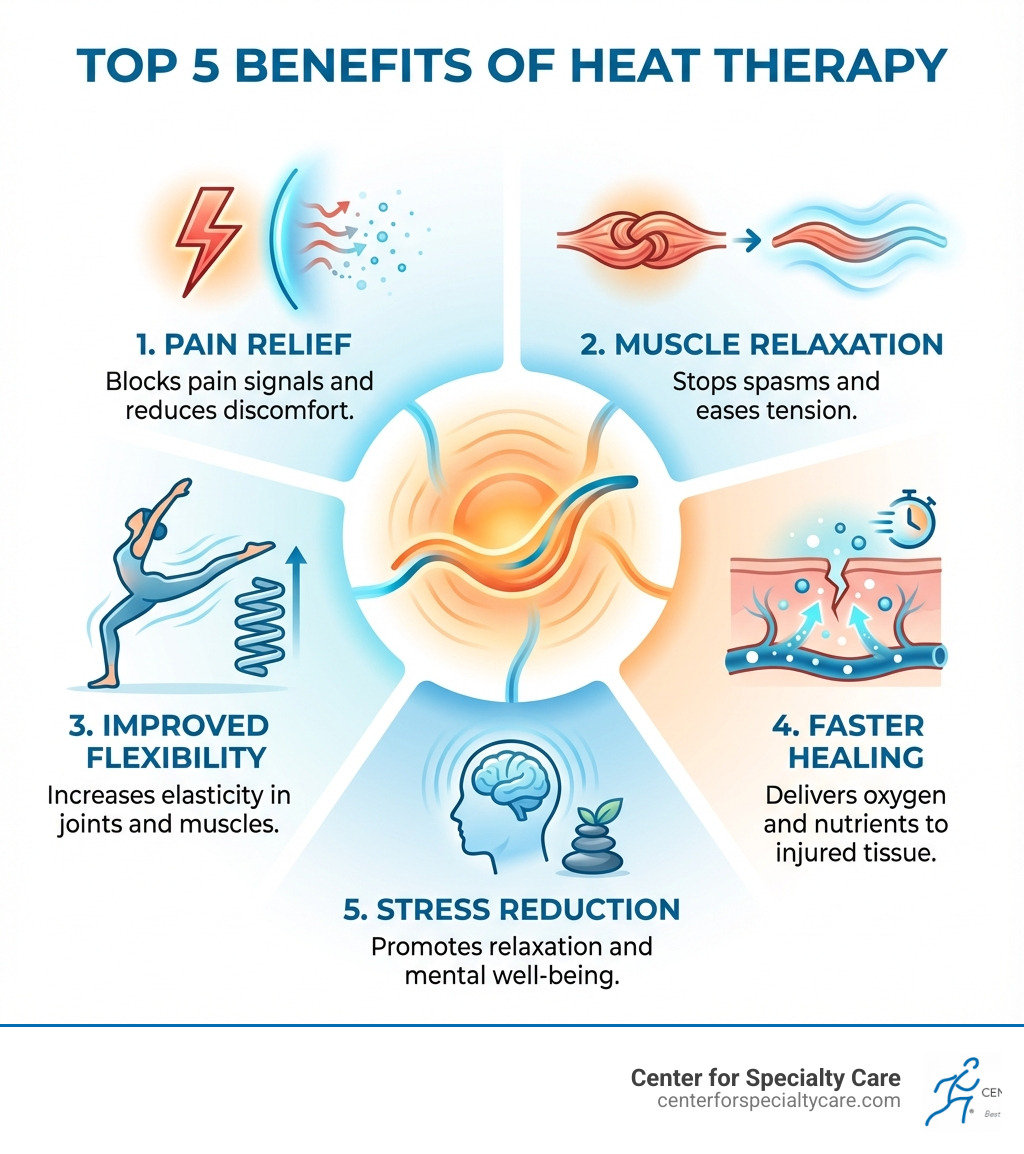
Even mild heat from a low setting can produce measurable physiological changes. Understanding these mechanisms helps explain why 100°F isn’t too weak; it’s wisely calibrated.
Triggers Vasodilation and Blood Flow
At 100°F, the skin begins to warm, signaling blood vessels to widen (vasodilate). This increases circulation, delivering oxygen and nutrients while flushing out metabolic waste like lactic acid. While significant vasodilation occurs around 104°F (40°C), starting at 100°F primes the system for healing without sudden thermal stress.
Soothes Pain Through Nerve Modulation
Heat stimulates thermoreceptors in the skin, which compete with pain receptors for neural pathways in a process known as the gate control theory of pain. This means warmth can literally “shut the gate” on pain signals traveling to the brain, offering natural analgesia without medication.
Enhances Flexibility and Reduces Stiffness
Gentle heat loosens connective tissue and reduces muscle spindle activity, making movement easier. For people with arthritis or morning stiffness, using the low setting for 15 to 20 minutes before activity can significantly improve mobility.
Safety First: Why Low Heat Matters

The low setting isn’t just comfortable; it’s a critical safety feature. Exceeding 113°F (45°C) or using heat for too long, even at lower temps, can cause burns, skin discoloration, or impaired healing.
Built-In Safety Features to Look For
- Auto shut-off (30 to 120 min): Prevents accidental prolonged use
- Overheat protection: Cuts power if internal sensors detect unsafe temps
- Adjustable controls: Allows precise selection of low, medium, high
Always choose pads with these features, especially if you plan to use heat while seated or lying down where awareness may decrease.
Who Should Stick to Low Heat?
Certain individuals should only use the low setting:
- People with diabetes or neuropathy (reduced sensation)
- Older adults with thinning skin
- Those using heating pads on inflamed or injured tissue
- Anyone new to heat therapy
If you can’t feel heat properly, even a “warm” pad can cause a burn before you notice it.
Common Low-Setting Risks (and How to Avoid Them)
- Skin redness (erythema): Use a towel barrier and limit sessions to 20 minutes
- Burns from falling asleep: Never use without auto shut-off
- Heat rash or dry skin: Avoid direct contact; moisturize after use
- Delayed healing: Do not apply heat to acute injuries (first 48 hours)
Pro Tip: Test the pad on your forearm first. This area is more sensitive than your back or shoulders.
Best Heating Pads with Reliable Low Settings
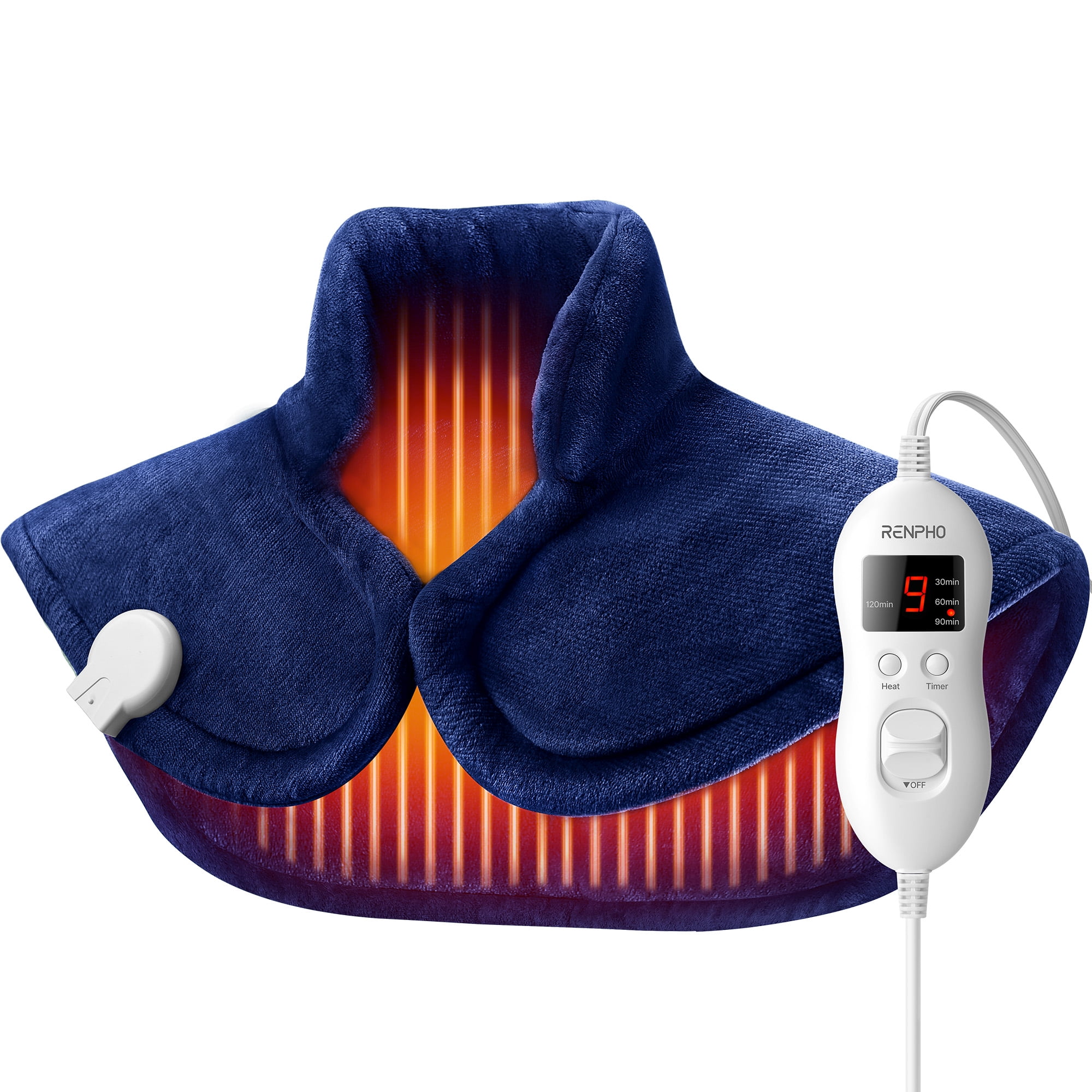
Not all heating pads deliver consistent low heat. Some budget models may jump from “warm” to “hot” with little gradation. Here are top-rated options known for accurate low-temperature control.
Top Picks for Precision Low Heat
RENPHO Extra Large (9 Settings)
- Low setting: ~100°F
- Features: 9 adjustable levels, FSA/HSA eligible, auto shut-off
- Best for: Full back coverage, users needing fine control
- Price: $28.99 (often discounted)
- Rating: 4.0/5 (2,499 reviews)
With multiple settings and solid reviews, this pad offers excellent heat consistency, making it ideal for those who need to stay in the gentle range.
Sunbeam Standard (3 Settings)
- Low setting: ~100°F
- Features: Classic design, durable, auto shut-off
- Best for: Budget buyers, reliable baseline heat
- Price: $18.54
- Rating: 4.4/5 (5,791 reviews)
One of the most reviewed models on the market, Sunbeam’s standard pad is a trusted choice for consistent low heat delivery. Its simplicity makes it perfect for elderly users or caregivers.
MaxKare Ultra Soft (4 to 6 Settings)
- Low setting: ~100°F
- Features: Flannel cover, auto shut-off, machine washable
- Best for: Softness, hygiene, comfort
- Price: $26.99
- Rating: 4.5/5 (17,242 reviews)
This bestseller stands out for its durability and even heat distribution, critical for maintaining a stable low temperature across the entire pad surface.
Equate XL (6 Settings)
- Low setting: ~100°F
- Features: 6 heat levels, auto shut-off, Walmart exclusive
- Best for: Value, accessibility
- Price: $24.96
- Rating: 4.2/5 (7,276 reviews)
A top budget pick with strong performance and reliable low-heat output, ideal for occasional or daily use.
Specialized Options
Sable XXX-Large (Moist/Dry Heat)
- Low setting: ~100°F
- Features: Moist heat option, machine washable
- Best for: Deep tissue penetration
- Price: $24.29
- Rating: 4.4/5 (3,112 reviews)
Moist heat can feel warmer at the same temperature due to better thermal conductivity. If dry heat feels insufficient on low, moist heat may offer enhanced relief without raising the setting.
Cordless Rechargeable Pads
- Low setting: Varies (~98 to 102°F)
- Best for: Mobility, period cramps, on-the-go use
- Price: $24.99 to $35.99
These compact, portable pads are great for targeted relief but may not sustain heat as long as plug-in models. Lower power output often means gentler heat, which is ideal for low-setting users.
How to Use the Low Setting Effectively
Getting the most from your low setting requires more than just turning it on. Follow these steps for safe, effective therapy.
Step-by-Step: Low Heat Application
- Inspect the pad for damage (frayed wires, discoloration).
- Place a towel between the pad and your skin to even heat distribution.
- Set to low (100°F) and apply to the target area.
- Start with 15 minutes, checking skin every 5 minutes for redness.
- Extend to 20 to 30 minutes only if comfortable and the device has auto shut-off.
- Rest for at least 1 hour before reapplying.
When to Increase the Setting
Only move to medium or high if:
- You feel no warmth after 5 minutes on low
- You have robust skin and no sensation issues
- You’re treating deep muscle tension (e.g., lower back spasm)
Even then, limit high-heat sessions to 15 minutes max.
Ideal Times to Use Low Heat
- Morning stiffness (before moving around)
- Evening relaxation (to unwind muscles)
- Chronic pain management (arthritis, fibromyalgia)
- Pre-stretching (to improve flexibility)
Avoid heat during the first 48 hours after injury. Use ice instead.
Troubleshooting Low Setting Issues
Sometimes the low setting doesn’t feel right. Here’s how to diagnose and fix common problems.
Pad Feels Too Cool on Low
This could mean:
- Defective heating element: Test on another outlet
- Old or worn pad: Heating efficiency degrades over time
- Poor insulation: If you’re on a cold surface, heat dissipates faster
Fix: Try a different pad or upgrade to a newer model with better heat retention.
Pad Feels Too Hot on Low
Even at 100°F, some users report excessive warmth. Possible causes:
- Direct skin contact: Always use a towel
- High ambient temperature: Room heat adds up
- Faulty thermostat: Inconsistent temperature control
Fix: Add an extra cloth layer or switch to a pad with more settings (6+ levels) for finer control.
Inconsistent Heat Distribution
Some areas feel hot, others cold. This is common in older or low-quality pads.
Solutions:
- Replace if wires are exposed or fabric is damaged
- Choose carbon fiber or large-format pads for even heat
- Avoid folding or bunching the pad during use
Long-Term Use and Maintenance Tips
To keep your heating pad delivering safe, effective low heat, follow these care practices.
Cleaning and Storage
- Unplug before cleaning
- Wipe with a damp cloth or use mild soap
- Machine wash only if labeled safe
- Air dry completely before storing
- Store flat or loosely rolled; never tightly folded
When to Replace Your Pad
Replace your heating pad if:
- It takes longer to heat up than before
- You notice hot spots or uneven warmth
- The cord is frayed or the plug is loose
- The auto shut-off fails
- It’s more than 3 to 5 years old, even if it still works
Older pads lose efficiency and increase burn risk.
Frequently Asked Questions About Heating Pad Low Setting Temperatures
What temperature is the low setting on most heating pads?
Most heating pads calibrate their low setting to approximately 100°F (38°C). This temperature sits just above normal body temperature and falls within the universally accepted safe therapeutic range of 98°F to 113°F.
Is 100°F effective for pain relief?
Yes. At 100°F, heat begins to trigger vasodilation and activates thermoreceptors that block pain signals through the gate control theory. While deeper tissue heating requires higher temperatures (104°F+), 100°F provides effective surface-level relief and is ideal for sensitive users.
How long can I safely use the low setting?
You can safely use the low setting for 15 to 20 minutes per session, with the option to extend to 30 minutes if your pad has an auto shut-off feature. Always wait at least one hour between sessions and use a towel barrier to prevent skin irritation.
Can I sleep with a heating pad on low?
No. Even on the low setting, you should never sleep with a heating pad unless it has a verified auto-shutoff timer (30 to 60 minutes). Falling asleep with prolonged heat exposure significantly increases burn risk, especially if you have reduced sensation.
Who should avoid using anything higher than the low setting?
People with diabetes, neuropathy, spinal cord injuries, or reduced skin sensation should stick exclusively to the low setting. Older adults with thinning skin and anyone treating inflamed or injured tissue should also avoid medium and high settings.
Why does my pad feel too hot even on low?
Several factors can make a low setting feel too hot: direct skin contact without a barrier, high room temperature, or a faulty thermostat. Adding a towel layer or switching to a pad with more granular settings (6+ levels) can help you find a more comfortable temperature.
Key Takeaways for Heating Pad Low Setting Temperature Safety
The heating pad low setting temperature, typically 100°F (38°C), is not an afterthought. It’s a medically sound starting point for safe, effective pain relief. Whether you’re managing chronic stiffness, recovering from minor strain, or simply relaxing tight muscles, beginning with low heat maximizes benefits while minimizing risks.
With so many high-rated, affordable options available, from Sunbeam’s trusted basics to RENPHO’s advanced controls, finding a pad that delivers consistent, gentle warmth has never been easier. Always use a barrier, respect time limits, and listen to your body. When used correctly, the low setting isn’t just safe; it’s smart therapy.
Your next step: Check your current heating pad’s age and features. If it’s over three years old or lacks auto shut-off, consider upgrading to a model with 6+ heat settings for better low-temperature control.