How to Use a Rice Bag Heating Pad
If you’ve ever winced through a stiff neck or curled up with menstrual cramps, you already know the magic of heat therapy. But electric heating pads come with cords, warnings, and worry. A rice bag heating pad offers a simpler path: no wires, no plugs, just warm, soothing relief straight from your microwave. This natural, reusable tool delivers moist-heat-like comfort for everything from sore muscles to back labor. In this guide, you’ll learn exactly how to heat, apply, and care for your rice bag heating pad, plus why it’s a smarter choice than electric alternatives.
Choosing the Right Rice Pad for Your Needs

Standard vs. Upcycled Designs
Rice heating pads come in several forms, but they all work on the same principle: dry rice grains absorb microwave energy and release gentle, penetrating warmth. You can sew a custom pad from cotton fabric or upcycle household items like socks or pillowcases. A standard 12×6 inch sewn pad targets specific spots like joints or the lower back. A larger pillowcase-style pad covers broader areas such as the full spine or shoulders.
Cotton Fabric Is Non-Negotiable
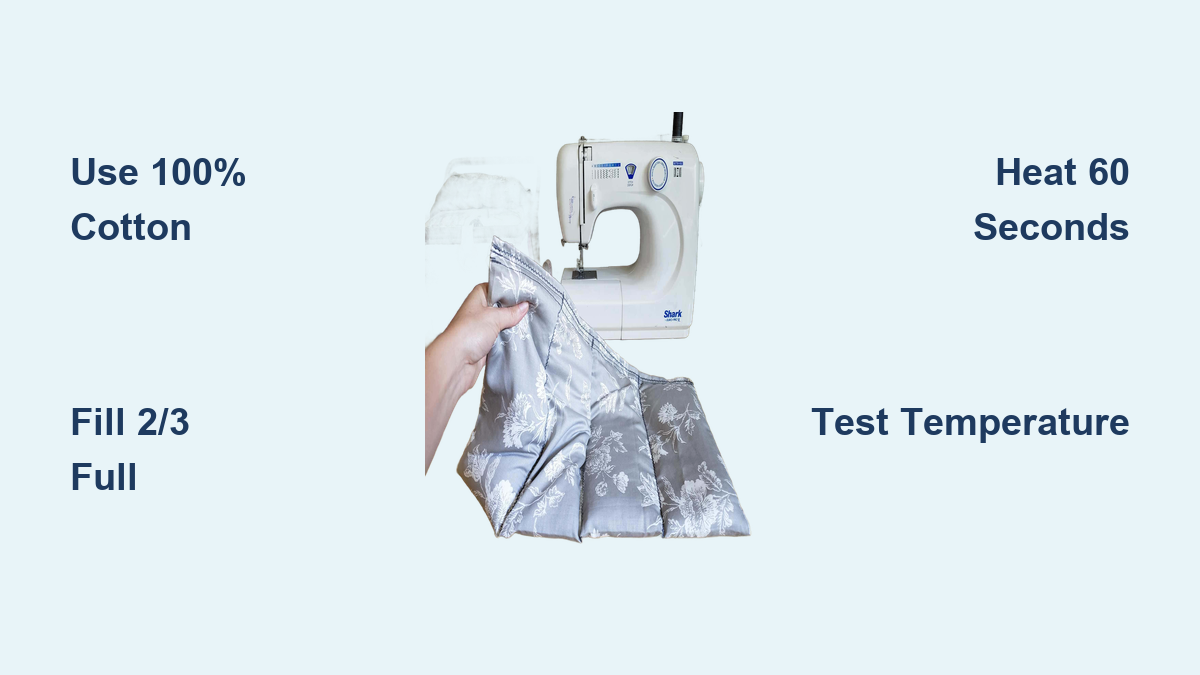
Always choose 100% cotton fabric with no synthetic blends. Polyester and nylon can melt or ignite in the microwave, creating serious fire hazards. Cotton breathes, tolerates heat, and resists quick degradation. If you’re upcycling, double-check that old tube socks or pillowcases are pure cotton. Avoid stretchy or blended materials.
Fill Level Matters More Than You Think
Fill your pad only two-thirds full with uncooked white rice. This gap lets the grains shift and hug your body’s curves. Overfilling makes the pad stiff, reduces contact with sore areas, and causes uneven heat distribution. If you want scent, mix in lavender buds or a few drops of essential oil before sealing the bag.
How to Heat Your Rice Bag Heating Pad Safely
Start with 60 Seconds on High
Place your rice bag in the microwave and heat on high for 60 seconds. This is the standard starting point for most pads. Use oven mitts or a towel when removing it, as the surface may feel hotter than expected.
Always Test Temperature First
Never apply a heated pad straight to your skin without testing. Press it against your inner forearm for 5 to 10 seconds. If it feels too hot there, it’s too hot for sensitive spots like your abdomen or neck. If it needs more warmth, return it to the microwave in 15-second increments until you reach a comfortable level.
Watch for Overheating Warning Signs
Overheating scorches the rice or fabric and may produce a burnt smell or smoke. If you notice off-odors, discoloration, or charring, stop using the pad immediately. Replace the rice or remake the pad if needed. Microwaves vary in wattage, so always adjust timing based on your specific unit.
Applying Heat for Targeted Pain Relief

Best Uses for Your Rice Bag
A rice bag heating pad works wonderfully for:
– Menstrual cramps (place on lower abdomen)
– Back labor during childbirth (apply to lower back)
– Muscle stiffness or soreness (use on shoulders, neck, or legs)
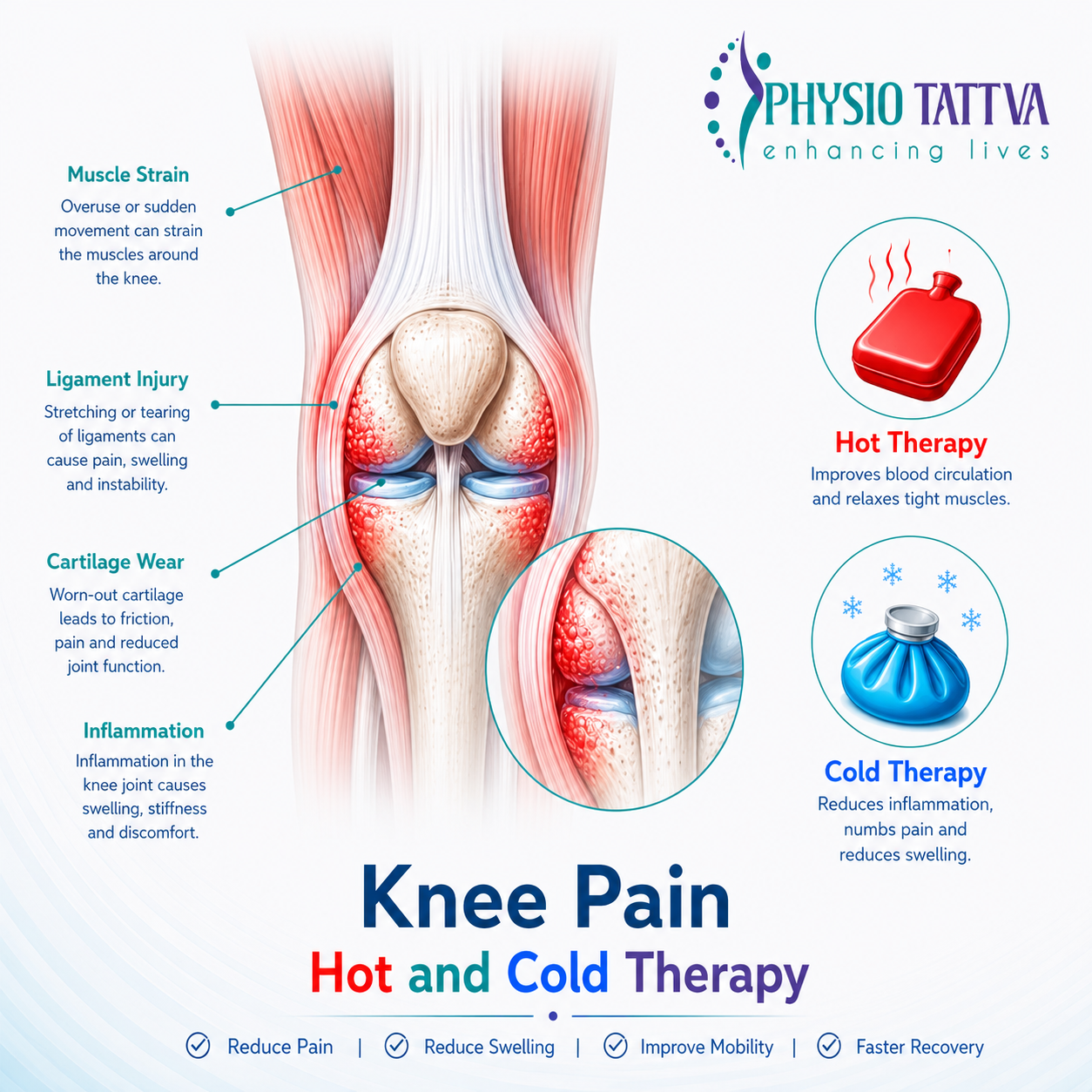
– Joint pain (knees, elbows, wrists)
The moist heat penetrates deep into tissues, relaxing tight muscles and boosting blood flow. Unlike dry electric pads, rice bags mimic moist heat therapy without needing water.
Let It Mold to Your Body
Thanks to the two-thirds fill rule, the pad stays flexible and contours naturally. Drape it over stiff shoulders, tuck it under your lower back while lying down, or wrap it around a sore knee. The even pressure and steady warmth boost both comfort and effectiveness.
Add Aromatherapy for Extra Relaxation
Infuse your rice with lavender buds or a few drops of essential oils like eucalyptus or chamomile. The gentle heat releases the aroma slowly, turning pain relief into a calming sensory ritual. Use oils sparingly, as excess can stain fabric or weaken cotton fibers over time.
Using Your Rice Pad as a Cold Pack
Freeze It for Swelling and Injuries
Your rice bag doubles as a cold pack. Place it in a sealed plastic bag and freeze for at least 2 hours. Once chilled, apply it to sprains, bruises, or inflamed joints to reduce swelling.
Why It Outperforms Gel Packs
Unlike rigid gel packs, a frozen rice pad stays slightly pliable, allowing better contact with the body. It also doesn’t freeze solid, so there’s less risk of frostbite. Always wrap it in a thin towel before applying to skin to prevent direct cold exposure.
Cleaning and Caring for Your Rice Bag Long-Term
Spot Clean Only, Never Machine Wash
Since the rice inside can’t get wet, do not machine wash the pad. Moisture causes mold, clumping, and spoilage. For light soiling, wipe the surface with a damp cloth and mild soap. For stains, use a gentle spot cleaner and let it air dry completely before reuse.
Replace Rice When Needed
Over time, typically after years of use, the rice may develop a stale odor or lose heat retention. When this happens, cut open a seam, dump out the old rice (compost it if possible), wash and dry the fabric shell thoroughly, then refill with fresh uncooked rice. This simple refresh can extend your pad’s life indefinitely.
Critical Safety Tips You Must Follow
Avoid Burns with Proper Testing
Microwaves heat unevenly, so your rice pad may have hot spots. Always test the temperature before each use. Never fall asleep with a heated pad on your skin. This increases burn risk, especially for children, elderly users, or anyone with reduced sensitivity.
Never Use Synthetic Materials
No polyester, no nylon, no blends. Only 100% cotton is microwave-safe. Synthetic fibers can melt or catch fire, posing serious dangers. If you’re unsure about a fabric, don’t microwave it.
Keep Everything Dry
Ensure both the rice and fabric are completely dry before heating. Even small amounts of moisture can turn to steam inside the pad, causing burns when handled or pressed against skin.
Simple Construction Methods to Make Your Own
Sew a Custom Rectangular Pad
- Cut a 12-inch square of cotton fabric.
- Fold it in half with right sides together.
- Sew along one long edge and one short edge.
- Leave a 3 to 4 inch gap on the second short edge.
- Turn right side out.
- Fill with rice two-thirds full, adding optional lavender.
- Fold in the raw edges and sew the opening shut.
This creates a durable, professional-looking pad perfect for targeted therapy.
DIY Rice Sock for Quick Relief
Grab an old cotton tube sock, fill it with rice, then tie a tight knot or sew the end closed. No sewing machine needed. This option is ideal for kids or quick gifts. Just confirm the sock is pure cotton and the knot won’t slip loose.
Build a Multi-Chamber Pillowcase Pad
Cut a cotton pillowcase in half. Starting from the closed end, pour in 1 to 2 cups of rice, then sew a horizontal seam across the width. Repeat until the entire length is divided into rice-filled tubes. Seal the final end. This prevents rice from pooling at the bottom and ensures even heat distribution across the full back.
Why Rice Pads Beat Electric Heating Pads

Safer for Pregnancy and Sensitive Users
Electric heating pads often carry pregnancy warnings due to overheating risks or EMF exposure. Rice pads, heated only briefly and used without electricity, offer a safe, natural alternative for expectant mothers needing relief from back pain or cramps.
No Cords, No Hazards
Without wires or electrical components, rice pads eliminate risks of shock, fire, or tripping. They’re portable, silent, and usable anywhere with a microwave, even in hotel rooms or at a friend’s house.
Cost-Effective and Fully Customizable
A 5-pound bag of rice costs under $2 and fills multiple pads. Use scrap fabric or old clothes to keep costs near zero. You control the size, weight, and scent, something store-bought pads can’t match.
Troubleshooting Common Rice Bag Problems
Pad Smells Burnt After Heating
This means it was overheated. Stop using it immediately. Let it cool, inspect for damage, and consider replacing the rice. Reduce heating time next time, since 60 seconds is usually enough.
Rice Feels Damp or Clumped
Moisture has gotten inside. This can happen if the pad was spot-cleaned and not dried fully, or if steam entered during microwaving. Cut it open, replace the rice, and ensure the fabric is bone-dry before resealing.
Heat Doesn’t Last Long Enough
Check the fill level. Too little rice won’t retain heat well. A 12×6 inch pad should feel substantial but still flexible. Also, older rice may degrade in heat retention, so refresh with new grains every few years.
Frequently Asked Questions About Rice Bag Heating Pads
How long does a rice bag heating pad stay warm?
Most rice bag heating pads stay warm for about 15 to 20 minutes after microwaving. The exact duration depends on the fill density, pad size, and ambient temperature. A well-filled 12×6 inch pad typically retains usable heat long enough for a standard therapy session.
Can I use a rice bag heating pad during pregnancy?
Yes, rice bag heating pads are generally considered safe during pregnancy when used properly. Unlike electric heating pads, they don’t carry pregnancy warnings related to EMF exposure or prolonged overheating. Always test the temperature before use and avoid falling asleep with the pad on your skin.
What type of rice works best for a heating pad?
Uncooked white rice is the standard choice. Generic or cheap white rice works perfectly since the rice isn’t consumed after heating. A 5-pound bag provides enough filler for multiple pads or future refills, making it an economical option.
How do I clean a rice bag heating pad?
Spot clean only. Wipe the cotton exterior with a damp cloth and mild soap for light soiling. Never machine wash the pad, since moisture inside causes mold, clumping, and spoilage. For heavy stains, cut a seam, remove the rice, wash the fabric shell, dry it completely, then refill and reseal.
Can I add essential oils to my rice bag?
Yes, you can add lavender buds or a few drops of essential oils like eucalyptus or chamomile for aromatherapy benefits. Use oils sparingly, as excess can stain fabric or degrade cotton fibers over time. Mix the additives into the rice before sealing the bag.
Key Takeaways for Getting the Most From Your Rice Bag Heating Pad
A rice bag heating pad is one of the simplest, safest, and most effective natural pain relief tools you can own. Always use 100% cotton fabric and fill only two-thirds full so the pad stays flexible. Start with 60 seconds of microwave time and test the temperature on your inner forearm before applying to sensitive areas. Spot clean only, replace the rice every few years if needed, and never use synthetic materials. Whether you’re managing chronic stiffness, easing labor pain, or soothing a child’s tummy ache, this reusable pad delivers consistent, customizable heat without the risks of electric models. Ready to make your own? Start with an old cotton sock and a cup of rice. You’ll be surprised how much relief fits in one small bag.