How to Throw Away a Heating Pad
Your old electric heating pad finally gave out after years of reliable use, or you just finished with a chemical hand warmer. Now you’re staring at it, unsure where it belongs. Tossing a heating pad in the trash without thinking can spark fires, leak chemicals into soil, or add toxic e-waste to landfills. Learning how to throw away a heating pad the right way protects your home, your community, and the environment.
This guide walks you through every step of safe disposal for both disposable and electric heating pads. You’ll learn how to identify your pad type, cool it properly, find the right recycling center, and avoid dangerous mistakes that send thousands of pads to landfills every year.
Identify Your Heating Pad Type Before Disposal
The disposal method you use depends entirely on whether your pad is chemical-based or electric. Mixing them up leads to safety hazards and environmental harm.
Disposable vs. Electric: Core Differences
- Disposable pads create heat through iron oxidation when air hits the inner pouch. Common brands include Hot Hands and ThermaCare.
- Electric pads plug into outlets and contain wiring, thermostats, and heating elements. Sunbeam is a well-known example.
Each type contains different materials that require separate disposal pathways.
Check the Packaging or Label
Look for these clues when identifying your pad:
– Warnings about chemical contents or electrical components
– Brand names and model numbers
– Instructions mentioning “single use” or “do not reuse”
Manufacturer guidelines often include specific disposal recommendations tailored to their product.
Dispose of Disposable Heating Pads the Safe Way

Chemical heating pads need careful handling because of residual heat and non-recyclable internal materials like iron powder, salt, activated carbon, and vermiculite.
Confirm the Pad Is Fully Cooled First
Never throw away a warm pad. This is the single most important rule for disposable pad disposal.
- Most disposable pads stay active for 4 to 12 hours, depending on the brand. Hot Hands typically lasts around 10 hours.
- Place the pad in a well-ventilated area until it feels completely room temperature.
- Press firmly with your hand to check for any lingering warmth.
Putting a warm pad in a sealed trash bag can trap heat and ignite surrounding garbage. This fire risk is real and preventable.
Skip the Compost and Recycling Bins
Used chemical pads cannot be composted or recycled through standard programs.
- The inner pouch contains materials that are not biodegradable and can contaminate soil.
- Even cotton outer layers are usually fused with the chemical layer, making separation nearly impossible.
- Recycling contamination ruins entire batches of paper, plastic, or metal.
Never flush, microwave, or puncture the pad after use.
Toss in Regular Trash Once Cool
After the pad reaches room temperature:
1. Keep the pad intact and undamaged
2. Place it directly into your household garbage bin
3. Avoid sealing it in plastic bags immediately so residual gases can dissipate
In most U.S. municipalities, cooled chemical warmers are accepted in regular trash. However, some localities classify them as hazardous waste, so checking local rules is always wise.
Verify Local Hazardous Waste Rules
Contact your city or county waste management office if:
– You’re unsure about local regulations
– You’re disposing of large quantities from a medical facility
– The packaging states “hazardous” or “special disposal required”
Some areas offer drop-off points or seasonal collection events for chemical waste.
Recycle Electric Heating Pads as E-Waste
Electric heating pads contain copper wiring, circuit boards, and plastics, which makes them electronic waste. They should never go in your regular garbage can.
Recognize End-of-Life Signs
Replace and recycle your electric pad if you notice:
– Only one heat setting works while others fail
– Frayed cords or exposed wires
– Uneven heating or burning smells
– Fabric damage that exposes internal elements
Continuing to use a damaged unit increases fire and shock risk significantly.
Find an E-Waste Recycling Center
Use these resources to locate nearby drop-off sites:
– Earth911 Recycling Search at earth911.com
– Call2Recycle for battery-powered devices
– Your municipal sanitation website
Many centers accept small appliances like heating pads, electric blankets, and massagers.
Use Retailer Take-Back Programs
Several major retailers offer free e-waste recycling for small appliances:
– Best Buy accepts items up to 35 pounds
– Staples recycles electronics under 25 pounds
– Target partners with Call2Recycle for select items
Call ahead to confirm participation and weight limits before dropping off.
Detach Cords When Possible
If the power cord is removable:
– Unplug it before recycling
– Store loosely coiled, never tied tightly
– Some facilities process cords separately due to copper content
This helps recyclers sort components efficiently and recover more materials.
Repair or Replace: Make the Right Call First
Before throwing away an electric heating pad, consider whether repair is worth attempting. In most cases, replacement wins.
Why Repair Is Rarely Feasible
- Heating elements are sewn into fabric layers, making internal access difficult
- Internal thermostats and wiring are sealed for safety
- Reassembling without professional tools risks short circuits or fire
DIY fixes often cause more harm than good and void any remaining warranty.
Replacement Is Usually the Better Choice
Modern heating pads are affordable and packed with safety features. When shopping for a replacement, look for:
– Auto-shutoff timers to prevent overheating
– Overheat protection sensors
– Replaceable cords for longer product life
– Warranties of 3 to 5 years
Remember to recycle the old unit through e-waste channels, not the trash.
Avoid These Dangerous Disposal Mistakes
Common errors can lead to fires, injuries, and pollution. Steer clear of these practices at all costs.
Never Reactivate a Used Pad
Some users try to extend the life of disposable warmers by microwaving, boiling, or resealing them. This is extremely dangerous.
- Microwaving can cause burns, explosions, or chemical leakage
- Once the chemical reaction completes, it cannot be safely reversed
- Attempting reactivation risks serious injury
Don’t Puncture or Cut Open the Pad
Even cooled pads contain fine iron powder and salts that can:
– Irritate skin, eyes, and lungs
– Stain furniture and surfaces
– Harm pets or wildlife if spilled outdoors
Leave the pad sealed and intact until disposal day.
Don’t Flush or Burn Used Pads
- Flushing sends chemicals into water treatment systems
- Burning releases toxic fumes from plastics and metals
Both practices are illegal in most jurisdictions and cause serious environmental damage.
Choose Sustainable Alternatives for the Future
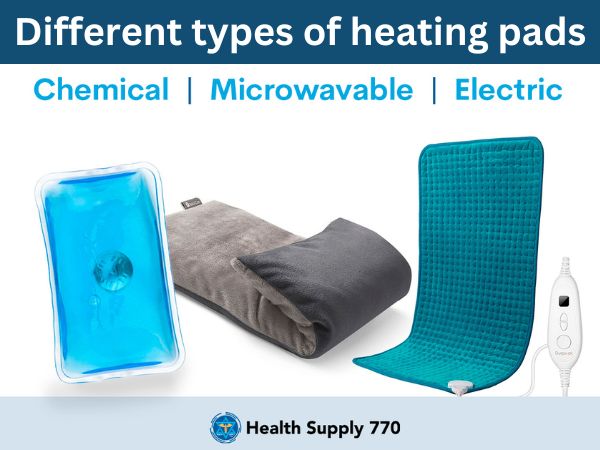
Reducing waste starts with choosing reusable options that last for years instead of hours.
Switch to Microwaveable Pads
Filled with wheat, rice, or flaxseed, these pads offer a greener alternative:
– Heat in the microwave in 1 to 2 minutes
– Last for years with proper care
– Organic filling can often be composted at end-of-life
Just follow heating time guidelines to prevent scorching or fire.
Try DIY Heat Packs
Make your own reusable warmers with simple materials:
– Clean socks or fabric scraps
– Uncooked rice, dried beans, or corn
– A few drops of essential oils for aromatherapy
Sew shut, microwave for 1 to 2 minutes, and enjoy instant warmth. When worn out, compost the filling and repurpose the cloth.
Consider Hot Water Bottles
This classic solution has stood the test of time:
– Uses no electricity or chemicals
– Generates zero waste over its lifespan
– Lasts decades with proper care
Fill with hot (not boiling) water, wrap in a towel, and apply safely to sore muscles.
Maximize Your Heating Pad’s Lifespan
Extending usability means less frequent disposal and fewer items in landfills.
For Electric Pads
- Always unplug after use
- Store flat or loosely rolled, never folded sharply
- Avoid moisture exposure to protect wiring
- Use a protective cover to prevent fabric wear
For Reusable Chemical Pads
- Follow activation instructions exactly
- Do not expose to air longer than needed
- Store unused pads in airtight containers
Most unopened pads last 2 to 5 years on the shelf.
Quick Disposal Checklist
Run through this list before tossing any heating pad.
For Disposable Pads
- Fully cooled to room temperature
- Not punctured or opened
- Not placed in recycling or compost
- Placed in household trash unless local rules say otherwise
For Electric Pads
- Unplugged and inspected for damage
- Not thrown in regular garbage
- Taken to e-waste facility or retailer drop-off
- Cord detached if applicable
Never Do These
- Throw away while warm
- Microwave or boil used pads
- Cut open or reuse disposable units
- Ignore frayed wires or malfunctioning controls
Frequently Asked Questions About Heating Pad Disposal
Can you throw a heating pad in the garbage?
It depends on the type. Disposable chemical pads can go in regular trash once fully cooled. Electric heating pads should never go in regular garbage because they contain electronic components. Instead, recycle them through e-waste facilities or retailer take-back programs.
How long does it take for a disposable heating pad to cool down?
Most disposable pads stay warm for 4 to 12 hours after activation, depending on the brand. Hot Hands typically lasts around 10 hours. Wait until the pad feels completely room temperature to the touch before disposal. Placing a warm pad in a sealed bag or trash bin can cause pressure buildup or fire.
Are heating pads considered hazardous waste?
Disposable chemical pads are generally accepted in household trash once cooled, but some municipalities classify them as hazardous waste due to iron powder and vermiculite content. Electric heating pads are classified as e-waste. Always check your local waste management guidelines if you’re unsure.
Can you recycle a heating pad?
Only electric heating pads can be recycled, and only through e-waste channels. Disposable chemical pads cannot be recycled because their inner pouches contain iron, salt, and carbon that contaminate recycling streams. Never place disposable pads in curbside recycling bins.
What happens if you microwave a used disposable heating pad?
Microwaving a used disposable pad is extremely dangerous. The chemical reaction has already completed, and reheating can cause burns, explosions, or chemical splatter. The iron powder and salt mixture can ignite or rupture the pouch violently. Always dispose of used pads in the trash once cooled.
Can heating pads be composted?
In rare cases, only the outer fabric layer of a disposable pad can be composted if it’s 100% natural fiber and completely separable from the chemical pouch. However, most commercial pads fuse the layers together, making separation impossible. The chemical inner pouch should never be composted because it contaminates soil with iron, salt, and vermiculite.
Final Thoughts on Throwing Away a Heating Pad Safely
Knowing how to throw away a heating pad protects your household from fire risks and keeps harmful materials out of landfills. The key takeaways are simple: cool disposable pads completely before trash disposal, recycle electric pads through e-waste channels, and never puncture, microwave, or reuse chemical warmers.
Your next step is to check your home right now for any old heating pads gathering dust. Identify the type, follow the appropriate disposal method, and consider switching to a reusable alternative for future needs. Small actions like proper disposal add up to meaningful environmental change.