How to Use a Heating Pad for Bearded Dragons
Using a heating pad for a bearded dragon is a topic surrounded by misinformation and risk. While some pet stores recommend under-tank heaters as part of a starter kit, veterinarians and reptile experts overwhelmingly advise against using heating pads inside the enclosure. Bearded dragons (Pogona vitticeps) are desert reptiles that rely on overhead heat to regulate their body temperature, not bottom warmth. Their inability to sense heat through their belly makes them highly susceptible to thermal burns if left on a heating pad, even one set to a moderate temperature.
Despite these risks, some owners still consider heating pads for nighttime warmth or supplemental heat. This guide explains when, how, and under what strict conditions a heating pad might be used without endangering your pet. You will learn why heat lamps are essential, how temperature gradients work, and safer alternatives to heating pads. By the end, you will know exactly how to keep your bearded dragon warm, healthy, and safe without relying on risky equipment.
Why Heating Pads Are Risky
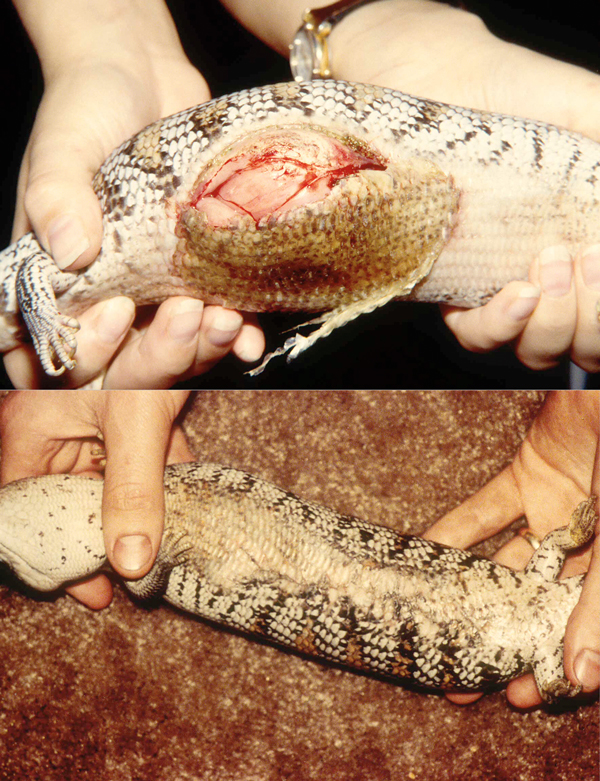
Bearded dragons have unique biological needs that make most heating pads dangerous when used improperly.
No Belly Heat Sensors
Unlike mammals or some reptiles, bearded dragons cannot feel heat through their stomachs. They rely on a specialized organ called the parietal eye (or “third eye”) on top of their head to detect heat and light from above. This allows them to instinctively move toward or away from basking spots under the sun or a heat lamp.
Since they lack thermal sensors on their underside, a bearded dragon will not move off a hot surface, even as it begins to burn. This means they can suffer severe thermal injuries from sitting on a heated glass tank floor for too long.
Burn Risk From Conductive Heat
Heating pads generate conductive heat, meaning the glass or substrate directly above the pad becomes hot. If your dragon lies on that spot:
– The heat transfers directly into their abdomen
– Burns can occur within minutes, especially with poor temperature control
– Symptoms may not appear until tissue damage is already done
Even “low” settings can become dangerous over time due to malfunction, poor ventilation, or incorrect thermostat use.
Safe Temperature Zones for Bearded Dragons

Proper thermoregulation requires two distinct zones in the enclosure.
Basking Spot (Hot Zone)
The basking zone should maintain a surface temperature between 95°F and 105°F (35°C to 40°C). Measure this temperature at the surface where your dragon actually basks, such as a rock or branch, about 10 inches below the heat lamp. This range enables proper digestion and metabolic function.
Use a digital thermometer with a probe placed directly on the basking surface. Do not rely on stick-on gauges or guesswork.
Cool Zone
The cool zone should stay between 75°F and 85°F (24°C to 29°C). For juveniles, aim for 78°F to 83°F to prevent overheating. The cool side must remain significantly cooler than the basking zone to allow proper regulation.
If the cool side reaches 89°F or higher, your dragon has no escape from heat. This often happens when a heat mat warms the entire tank floor.
When a Heating Pad Might Be Used
While not recommended inside the enclosure, there are limited, controlled scenarios where external heating pads may help.
External Use Only
If nighttime temperatures fall below 70°F (21°C), you may need supplemental heat. In such cases:
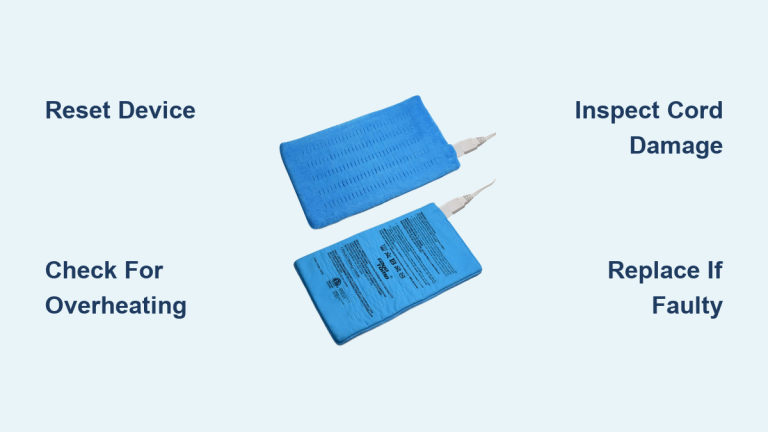
– Attach the pad to the outside of the glass tank
– Never place it under or inside the enclosure
– Ensure the interior glass surface stays below 85°F to prevent burns
This method reduces direct contact risk but still requires constant monitoring.
Side Mounting (Not Recommended)
Some manufacturers suggest side-mounting heat pads. However, dragons may press against the warm glass, uneven heating can create hot spots, and this setup still poses burn risks while disrupting natural behavior. Experts agree that side mounting does not eliminate danger.
Safer Alternatives to Heating Pads
For reliable, safe heating, always prioritize overhead heat sources.
Ceramic Heat Emitters (CHE)
A ceramic heat emitter is the best option for nighttime warmth because it produces heat without light, so it will not disrupt sleep cycles. It mounts overhead in a lamp fixture like a bulb and requires a pulse proportional thermostat to maintain stable temperatures. Since heat comes from above, your dragon can sense and avoid excessive warmth.
Basking Bulbs
A basking bulb serves as the primary daytime heat source and mimics the sun’s radiant heat. Options include halogen, incandescent, or mercury vapor bulbs (with UVB). Position the bulb at one end of the enclosure to create a gradient, and raise or lower it to fine-tune basking temperature.
Never use a heating pad as a substitute for proper basking lighting.
Substrate Dangers Linked to Heat Pads
One of the biggest risks is not the pad itself but what people put on top of it.
The Sand Myth
Pet store staff sometimes claim bearded dragons need a “warm pocket of sand” over a heat mat. This advice is dangerous and outdated:
– Impaction Risk: Juveniles often ingest sand while eating, leading to fatal intestinal blockages
– Burns: Sand conducts heat and can become scalding over a pad
– Hygiene Issues: Sand harbors bacteria, mites, and fungi
Sand should never be used for young bearded dragons and is risky even for adults.
Safe Substrate Options
Use solid, non-particulate materials instead:
– Paper towels or newspaper: Ideal for babies and easy to clean
– Non-adhesive shelf liner: Durable, grippy, and washable
– Tile or linoleum: Provides thermal stability and mimics natural surfaces
– Concrete pavers or slate: Retains heat well when used with overhead basking
These substrates prevent ingestion and allow safe, effective heat transfer from above.
How to Monitor Heat Safely
Accurate temperature tracking is essential, especially if you are considering any form of supplemental heating.
Digital Thermometers Are Mandatory
Avoid analog stick-on thermometers because they are notoriously inaccurate. Use digital probe thermometers with sensors placed at dragon level. Place one probe on the basking surface and another on the floor of the cool side. Check readings daily, especially after equipment changes.
Thermostats Prevent Overheating
If you use any electrical heating device, connect it to a reptile-grade thermostat. A pulse proportional or on/off thermostat prevents dangerous temperature spikes. This is critical even for ceramic emitters or external heat pads.
Without a thermostat, a malfunctioning device can quickly turn lethal.
Installation Mistakes to Avoid
Even well-intentioned setups can go wrong. Here are common errors and how to fix them.
Covering Too Much of the Tank Floor
Never let a heat pad cover more than 25 to 30% of the enclosure’s base. If it covers half or more, the cool zone becomes too warm, your dragon loses its ability to thermoregulate, and the risk of chronic overheating increases. Better yet, do not use internal pads at all.
Placing Pad on the Cool Side
Some suggest putting the pad on the cool side to “balance” temperatures. This is flawed because it raises the coolest part of the tank, eliminating the gradient. Your dragon then has nowhere to retreat from heat, and the cool zone often climbs to 89°F or higher, which defeats the purpose of zoning.
Heat should come from above, not below, and only on the basking side.
Ignoring UVB Lighting Needs
A common mistake when using heat pads is neglecting UVB lighting. Heat pads provide no UVB, and without proper UVB, dragons cannot metabolize calcium, leading to metabolic bone disease (MBD). Always install a Reptisun 10.0 or Arcadia 12% UVB tube bulb across the basking zone.
UVB and heat must work together. Never sacrifice one for the other.
Emergency Signs: When to Act Fast
Watch for these warning signs that your heating setup is failing.
Behavioral Red Flags
- Lethargy or refusal to bask: Could indicate improper temps or illness
- Glass surfing (climbing walls): Often a sign of overheating or stress
- Spending excessive time on the floor under a heat pad: Indicates discomfort or inability to sense heat
Physical Symptoms
- Discolored or blistered belly scales: Early signs of thermal burns
- Swollen abdomen or lack of defecation: Possible impaction from sand
- Soft jaw or limb twitching: Indicates metabolic bone disease from poor UVB
If you see any of these, shut off the heat source immediately and consult a reptile vet.
Step-by-Step: Building a Safe Heating System

Follow this plan to ensure your bearded dragon stays warm and healthy without using risky gear.
1. Set Up Overhead Basking Heat
Install a halogen or incandescent basking bulb at one end of the enclosure. Position a basking platform 10 inches below the bulb and use a digital thermometer to confirm surface temp is 95 to 105°F.
2. Create a True Cool Zone
Leave the opposite end of the tank unheated. Verify cool side floor temp is 75 to 85°F. Improve airflow if temps are too high by using a screen top instead of a glass lid.
3. Add UVB Lighting
Mount a linear UVB tube (Reptisun 10.0 or Arcadia 12%) along the basking side. Replace every 6 to 12 months, even if still glowing, and ensure the dragon can get within 12 inches of the bulb.
4. Monitor Nighttime Temps
Let temps drop to 70°F at night, which is normal and healthy. If room temp falls below this, use a ceramic heat emitter on a thermostat. Never use a heat lamp with light because it disrupts circadian rhythm.
5. Avoid Internal Heating Pads
Remove any under-tank heaters from inside the enclosure. If you must use one externally, attach it to the outside bottom or side of glass and monitor glass surface temp closely, keeping it under 85°F.
Final Tips for Long-Term Safety
Keep your bearded dragon safe with these expert-backed habits.
Clean Substrates Weekly
Spot clean daily and replace paper towels or wipe tiles weekly. Deep clean the enclosure monthly with reptile-safe disinfectant to prevent bacteria buildup that thrives in warm, moist environments.
Inspect Equipment Monthly
Check heat bulbs, UVB tubes, and thermostats for wear. Test digital thermometers for accuracy and replace any device showing inconsistent output.
Observe Basking Behavior
A healthy dragon will bask daily for 8 to 12 hours and move between hot and cool zones naturally. If they avoid the basking spot, check UVB and heat levels.
Frequently Asked Questions About Heating Pads for Bearded Dragons
Can I use a heating pad as the only heat source for my bearded dragon?
No. Heating pads cannot serve as the sole heat source because bearded dragons require overhead radiant heat to thermoregulate properly. A basking lamp is mandatory for creating the 95 to 105°F hot zone.
What temperature should a heating pad be set to if used externally?
The interior glass surface above the pad should stay below 85°F. Use a digital probe thermometer to verify this and connect the pad to a thermostat to prevent dangerous spikes.
Is sand safe to use with a heating pad?
No. Sand is dangerous with or without a heating pad because it causes impaction in juveniles and conducts heat, increasing burn risk. Use solid substrates like tile, paper towels, or shelf liner instead.
What are the signs of a thermal burn on a bearded dragon?
Look for discolored or blistered belly scales, darkened patches on the abdomen, or unusual lethargy. Burns may not appear immediately, so monitor your dragon closely if you suspect overheating.
Do bearded dragons need heat at night?
Bearded dragons can tolerate nighttime drops to 70°F. If your room falls below this, use a ceramic heat emitter on a thermostat rather than a heating pad to avoid burn risks.
How do I know if my cool side is too warm?
Place a digital probe thermometer on the cool side floor. If it reads above 85°F (or 83°F for juveniles), your dragon cannot cool down properly. Remove any internal heat sources and improve ventilation.
Key Takeaways for Safely Heating Your Bearded Dragon
The safest way to use a heating pad for a bearded dragon is not to use one inside the enclosure at all. Rely on overhead heat sources, maintain a proper thermal gradient, and avoid loose substrates like sand. If nighttime warmth is needed, opt for a ceramic heat emitter on a thermostat instead. Your dragon’s health depends on replicating the desert sun, not a warm floor.
Start by auditing your current setup today. Check your basking temperature with a digital probe, verify your cool zone stays below 85°F, and remove any internal heating pads. If you need nighttime support, invest in a ceramic heat emitter and a quality thermostat. These simple changes will prevent burns, impactions, and metabolic disorders, giving your pet a long, vibrant life.