
How to Wash a Buckwheat Hull Pillow
You love your buckwheat hull pillow for its firm, customizable support and natural cooling, but when it starts to smell or looks dingy, you might wonder: can I wash it? The answer is tricky. While the fabric cover and pillowcase can and should be washed, the buckwheat hulls inside must never get wet. Washing the whole pillow like a regular pillow can ruin the hulls, leading to mold, odor, and loss of support. This guide shows you exactly how to clean each part safely, refresh the hulls without water, and extend your pillow’s life for years.
Forget guesswork. With the right method, you will empty the hulls into a pillowcase, wash only the fabric, and sun-dry the filling to keep your pillow fresh, hygienic, and fully functional. You will also learn what to do if the hulls accidentally get wet, how to spot when they need replacing, and how to prevent common mistakes that shorten your pillow’s lifespan.
Empty Hulls Before Washing
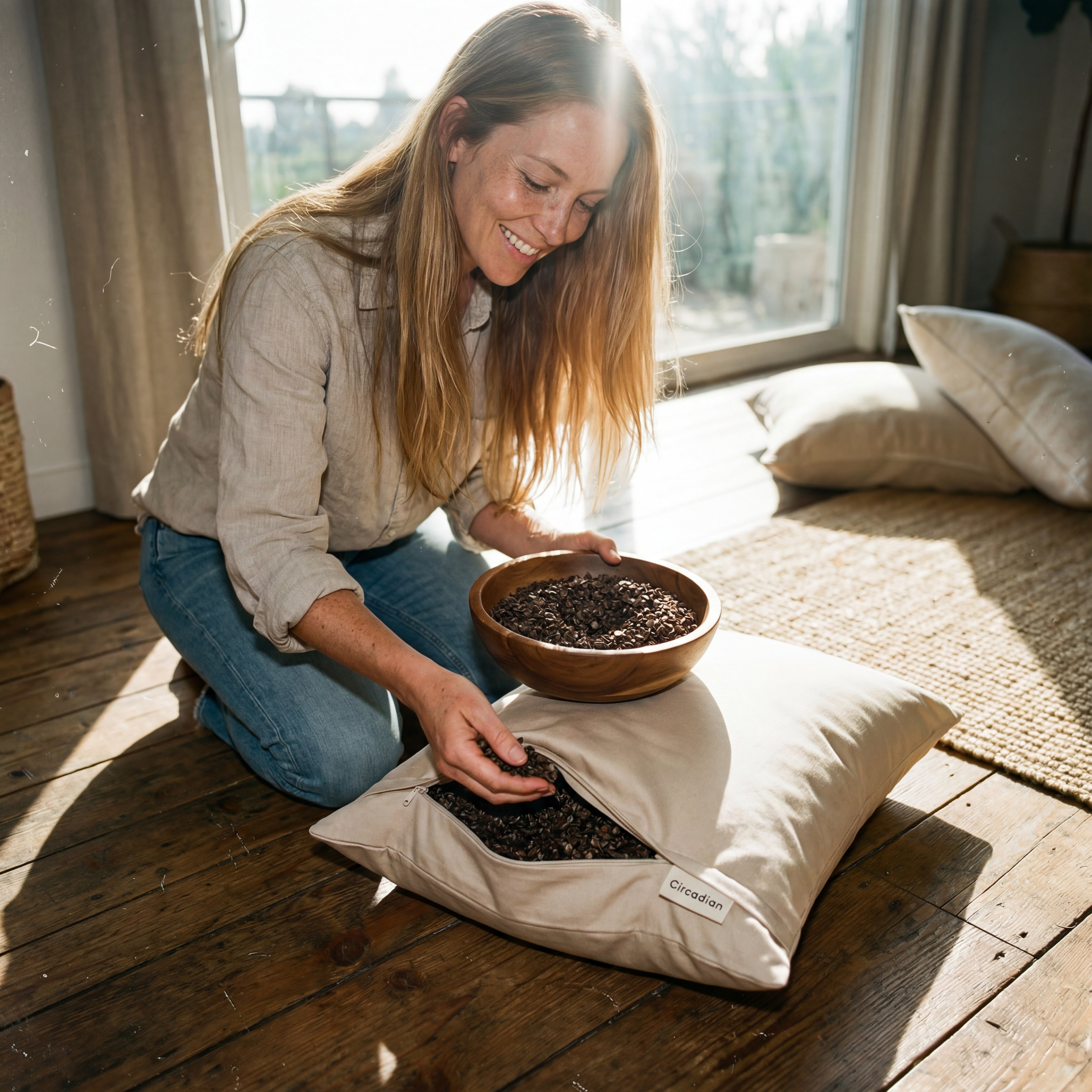
You must remove all buckwheat hulls before cleaning any part of the pillow. Water destroys hull integrity, causing swelling, cracking, and mold. Only the outer cover and removable pillowcase are washable.
Use the Pillowcase Method
This mess-free technique keeps hulls contained and simplifies refilling. Follow these steps carefully to avoid losing any filling.
- Lay the pillow flat on a clean surface.
- Slide the zipped end into a clean pillowcase, covering the entire pillow.
- Unzip the pillow cover fully.
- Gently pull the outer cover backward through the pillowcase, letting hulls pour inside.
- Shake gently to remove any hulls stuck in corners or seams.
- Tie the pillowcase shut to prevent spills.
Pro tip: Have a second person hold the pillowcase open during refilling to avoid hull loss.
Wash the Fabric Cover Safely
Once the hulls are out, clean the outer cover to remove oils, sweat, and dust. Always follow fabric-specific care instructions to avoid shrinkage or damage.
Cotton Cover Washing Steps
Most buckwheat pillows use durable cotton twill, which is machine-washable with caution. Use the proper settings to protect the fabric.
Water temperature: Cold water between 75 and 85 degrees Fahrenheit
Cycle: Gentle or delicate
Detergent: Mild, non-bleach formula
Load: Wash alone or with similar colors
Step-by-Step Process
- Turn the cover inside out to clean seams thoroughly.
- Place in the washer and avoid overloading.
- Use a small amount of detergent with no fabric softener.
- Start the cycle and monitor for excessive hull residue.
Warning: Hot water or harsh detergents weaken fibers and cause shrinkage.
Silk Cover Care
Silk outer covers require extra gentle handling. Never machine wash silk unless the manufacturer label explicitly permits it.
Hand wash only or dry clean unless the label says otherwise.
Use a silk-safe detergent and cold water.
Air-Dry the Cover Completely
Drying is critical. Heat ruins cotton and silk, so never use a dryer. Proper air-drying ensures the cover is completely moisture-free before refilling.
Proper Air-Drying Steps
- Remove cover from the washer immediately.
- Gently press out excess water without wringing.
- Hang flat on a drying rack or line-dry outdoors.
- Turn occasionally to ensure even drying.
- Confirm the cover is 100 percent dry before refilling.
Visual cue: A damp cover feels heavy and may have dark patches. Wait until it feels light and crisp.
Drying time: 12 to 24 hours depending on humidity.
Mistake to avoid: Refilling with a damp cover transfers moisture to hulls, increasing mold risk.
Refresh Hulls Without Water

Buckwheat hulls cannot be washed, but they can be refreshed naturally. Sun-drying is the safest, most effective way to clean and disinfect them without any water exposure.
Sun-Dry for Freshness and Hygiene
UV light kills microbes, removes odors, and evaporates trapped moisture. This method maintains hull quality while restoring freshness.
How to Sun-Dry Hulls
- Spread hulls in a thin layer on a clean tray, box, or towel.
- Place in direct or indirect sunlight for 2 to 4 hours.
- Stir or fluff every 30 to 60 minutes for even exposure.
- Keep away from wind, rain, pets, and children.
Best time: Midday sun during dry weather.
Frequency: Once or twice per year, ideally during seasonal cleaning.
Pro tip: Pair sun-drying with cover washing for a full refresh.
When to Replace Buckwheat Hulls
Even well-cared-for hulls break down over time. Replacing them restores support and airflow to like-new performance levels.
Signs It Is Time to Replace
The pillow feels flat or too soft.
Hulls leave dust or fine particles on your hands.
There is loss of malleability, and the pillow no longer conforms to your neck.
The texture feels compacted with no spring.
A musty smell persists after airing.
Visible crumbling into powder is apparent.
Lifespan: 5 to 7 years with proper care, up to 10 years if kept dry and sun-dried annually.
What to Do If Hulls Get Wet
Moisture is the enemy of buckwheat hulls. How you respond depends on the level of water exposure.
Slightly Damp Hulls
If hulls are slightly damp from humidity or a minor spill, spread them in sunlight for 2 to 4 hours. Stir frequently and confirm they are completely dry before reuse.
Soaked or Saturated Hulls
If hulls become soaked from water, juice, coffee, or any liquid, discard them immediately. Waterlogged hulls swell, crack, and trap moisture internally. Mold can grow within hours, even if hulls appear dry on the surface.
Critical note: Sugary liquids like soda or juice cause fermentation. Never attempt to dry or reuse hulls contaminated with these substances.
Manufacturer advice: Brands like J-Life International recommend complete replacement after any liquid soak.
Prevent Mold and Odor
Buckwheat hulls resist mold when dry, but poor storage or moisture exposure creates problems. Taking preventive measures keeps your pillow fresh between cleanings.
Prevention Tips
Always use a pillowcase and wash it every 1 to 2 weeks.
Air out the pillow monthly by unzipping the cover slightly.
Store in a dry, ventilated area and never in plastic bags.
Avoid humid rooms like bathrooms or basements.
Use a second protective cover if you sweat heavily at night.
Myth: Hulls do not need cleaning. This is false. While they resist microbes naturally, odors and dust accumulate over time.
Long-Term Care Schedule
Following a consistent maintenance routine maximizes pillow life and performance.
| Task | Frequency | Purpose |
|---|---|---|
| Sun-dry hulls | 1 to 2 times per year | Deodorize and disinfect |
| Wash cover and sheath | As needed | Maintain hygiene |
| Inspect hulls | Every 6 to 12 months | Catch breakdown early |
| Replace soaked hulls | Immediately | Prevent mold |
| Air out pillow | Monthly | Promote airflow |
Bonus: Annual sun-drying can extend hull life by 2 or more years.
Common Mistakes to Avoid
Even small errors can ruin your pillow. Steer clear of these common blunders to protect your investment.
Things You Should Never Do
Washing the whole pillow with hulls inside causes irreversible water damage.
Using a dryer shrinks cotton and damages silk fibers.
Storing damp hulls allows mold to develop within hours.
Ignoring hull breakdown leads to poor neck alignment and discomfort.
Using bleach or strong chemicals weakens fabric and irritates skin.
Leaving wet hulls unattended allows rapid microbial growth.
Expert note: One user reported hulls lasting 8 years because they never got wet and sun-dried the filling twice per year.
Key Takeaways for Washing Buckwheat Hull Pillows
Proper care keeps your buckwheat hull pillow fresh, supportive, and long-lasting. Always remove hulls before washing the cover, wash only the fabric in cold water on gentle cycle, and air-dry completely without heat. Refresh hulls once or twice yearly by sun-drying, and replace them immediately if they become soaked. Use a washable pillowcase and clean it every 1 to 2 weeks. Inspect hulls every 6 months for signs of breakdown, and store the pillow in a breathable cotton bag in a dry location. Never use water, soap, or heat directly on buckwheat hulls. Customize firmness by adjusting hull volume for your sleeping position.
With these steps, your pillow returns to like-new condition with hygiene restored, support maintained, and cooling airflow fully functional. A slight natural scent from new hulls is normal and fades within 2 to 3 days. By following this care routine, your buckwheat hull pillow will deliver years of ergonomic, hypoallergenic, eco-friendly comfort.
Frequently Asked Questions About Washing Buckwheat Hull Pillows
Can I wash the whole buckwheat hull pillow in the washing machine?
No. Never place the entire pillow with hulls inside a washing machine. Water destroys the hulls, causing them to swell, crack, and develop mold. Only the outer fabric cover and removable pillowcase are machine-washable.
How do I clean buckwheat hulls without getting them wet?
Sun-dry the hulls instead of washing them. Spread them in a thin layer on a clean surface and place in direct or indirect sunlight for 2 to 4 hours, stirring every 30 to 60 minutes. UV light kills microbes and removes odors without any water exposure.
What happens if buckwheat hulls get wet?
If hulls are slightly damp, spread them in sunlight until completely dry. If they are soaked or saturated with any liquid, discard them immediately. Waterlogged hulls swell, fragment internally, and create ideal conditions for mold growth, even if they appear dry on the surface.
How often should I wash the pillowcase on a buckwheat hull pillow?
Wash the pillowcase every 1 to 2 weeks to prevent oils, sweat, and dust from reaching the inner cover. This reduces how often you need to clean the outer cover itself and extends the life of your hulls.
Can I put the buckwheat hull pillow cover in the dryer?
No. Never use a dryer for the cover. Heat causes cotton to shrink and damages silk fibers. Air-dry the cover by hanging it flat on a drying rack or line-drying outdoors. Ensure it is 100 percent dry before refilling with hulls.
How long do buckwheat hulls last before needing replacement?
With proper care, buckwheat hulls last 5 to 7 years. If kept dry and sun-dried annually, they can last up to 10 years. Replace them sooner if you notice the pillow feeling flat, visible crumbling, or a persistent musty odor that does not go away after airing.