
How to Remove Mold from Pillow: Easy Steps
Finding mold on your pillow can be alarming, especially when you consider you’re breathing near it for 6 to 8 hours every night. Mold thrives in warm, moist environments, and pillows are prime real estate. Nightly sweat, drool, damp hair, and high humidity create the perfect storm for mold growth, often hidden deep inside where you can’t see. Left unchecked, this leads to musty odors, stained fabric, and even respiratory issues.
This guide walks you through exactly how to remove mold on pillow surfaces, when to toss them out, and most importantly, how to prevent it from coming back. Whether you’re dealing with a musty memory foam pillow or a discolored down alternative, you’ll learn the exact steps to take action.
Identifying Mold on Your Pillow
Check for Visible Signs
Start by inspecting your pillow in natural light. Look for dark or colored spots including black, green, gray, pink, or white patches. Mold often appears powdery, velvety, or slightly raised. Brown stains may signal past moisture exposure and early mold development.
Note that not all stains are mold. Sweat and oil buildup can cause yellowing, but if the discoloration doesn’t wash out or spreads, it’s likely microbial.
Sniff for Musty Odors
Smell the pillow closely, especially after it’s been warmed by your body. Mold often produces a musty, earthy, or “wet sock” smell. Some describe it as similar to wet cardboard or old books. If the odor intensifies when you press your nose into the pillow, mold is likely present even if invisible.
Watch for Health Clues
Persistent symptoms that improve when you’re away from home may point to mold exposure. Watch for waking up with coughing, sneezing, or a stuffy nose. Itchy eyes, throat irritation, or skin rashes on your face and neck are also warning signs. Morning headaches or unexplained fatigue may indicate mold exposure. If asthma worsens especially at night, your pillow could be the culprit.
Can You Clean a Moldy Pillow?

When Cleaning Works
You can attempt cleaning only if mold is limited to less than 25% of the surface. The pillow must be machine-washable such as polyester, down, or cotton. There should be no strong musty smell after airing. The pillow should be less than 18 months old, and no one in the household should have asthma or severe allergies.
Success depends on complete drying. Any residual moisture will restart mold growth within 48 hours.
When to Replace Immediately
Throw the pillow away if mold has penetrated the interior. A musty odor that persists after washing is a bad sign. Mold covering more than 25% of the surface means it’s too far gone. Memory foam, latex, or non-washable types must be replaced. Anyone with respiratory conditions means you shouldn’t risk cleaning. The fold test matters: fold the pillow in half and if it doesn’t spring back, it’s too degraded.
Critical information: Porous materials like memory foam trap spores deep inside. Washing may remove surface mold, but complete sanitization is impossible.
Clean Mold from Washable Pillows
Pre-Treat Safely
Work outdoors or in a ventilated area to avoid spreading spores indoors. Wear an N95 mask and gloves to prevent inhaling or touching spores. Gently brush off visible mold with a soft-bristle brush or lint roller. Do not shake the pillow as this releases spores into the air. Spot-treat stains before washing.
Use a Mold-Killing Solution
Choose one of these effective, fabric-safe options.
White vinegar undiluted kills approximately 82% of mold species and is non-toxic. Spray on mold, wait 1 hour, then wash.
Hydrogen peroxide at 3% concentration oxidizes and kills spores while being safe for colors. Spray, wait 10 minutes, then rinse.
Tea tree oil mixed at 10 drops per cup of water provides natural antifungal with long-lasting effect. Spray and air dry before washing.
Borax dissolved at half cup in wash water prevents regrowth. Keep away from pets and children.
Color-safe bleach added at half cup sanitizes colored fabrics without fading. Non-chlorine bleach at half cup effectively kills spores on white pillows.
Never rely on regular detergent alone. It removes dirt but doesn’t kill mold.
Wash the Pillow Properly
Check the care label and only wash if machine-safe. Use the hottest water setting recommended, ideally 140°F or 60°C. Add detergent plus one mold-killing agent such as vinegar and borax. Run an extra rinse cycle to flush out dead spores and residue.
Pro tip: Wash two pillows at once to balance the load and prevent machine damage.
Dry Completely
Tumble dry on high heat if the fabric allows. Heat kills remaining spores. Add dryer balls or clean tennis balls to fluff and speed drying. Air-dry only in direct sunlight for 4 to 6 hours. UV rays help disinfect. Ensure 100% dryness with no damp spots inside.
Never air-dry indoors. The humidity will trigger regrowth.
Clean the Washing Machine After
Run an empty hot cycle with 1 cup of bleach or a commercial washing machine cleaner. This prevents cross-contamination of future laundry.
Pillow Materials and Mold Risk
High-Risk Pillows
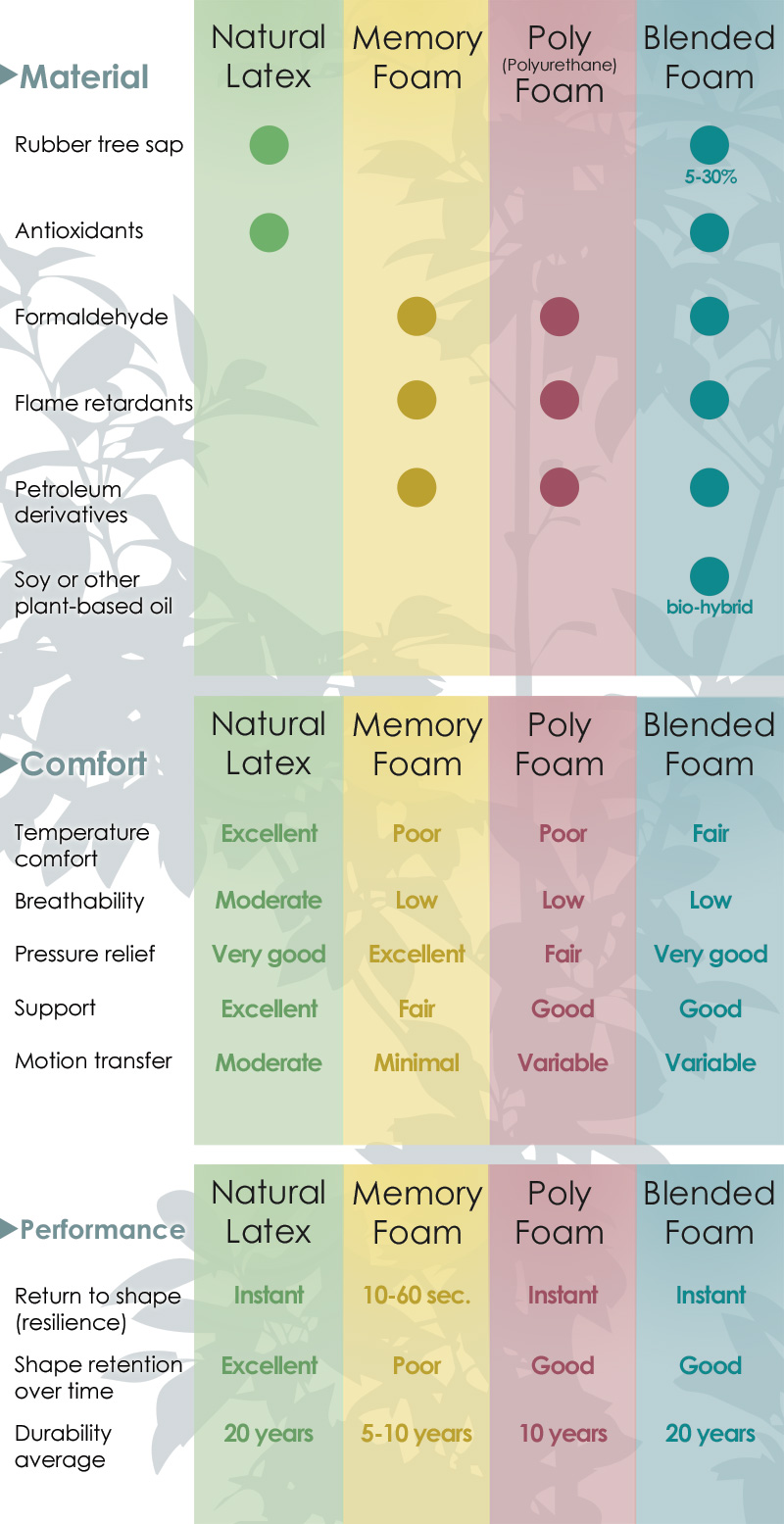
Memory foam traps heat and moisture with poor airflow. It cannot be fully dried. Down and feather pillows absorb sweat easily. The organic material feeds mold and they’re hard to dry completely.
Even hypoallergenic labels don’t mean mold-resistant. They only reduce allergy triggers.
Moderate-Risk Pillows
Synthetic fiber like polyester is machine-washable but still holds moisture over time.
Low-Risk Pillows
Natural latex is inherently antimicrobial, breathable, and resists mold. Buckwheat hull provides excellent airflow and doesn’t absorb moisture. Bamboo charcoal wicks moisture, absorbs odors, and is antibacterial. Copper-infused memory foam has antimicrobial copper but still retains moisture.
Best for mold-prone sleepers: buckwheat, latex, or bamboo-based pillows.
Prevent Mold on Pillows
Use Pillow Protectors
Choose waterproof, zippered encasements made of breathable fabric like bamboo or cotton. This blocks sweat, saliva, and oils from reaching the pillow core. Wash protectors every 2 weeks in hot water to remove buildup.
Pillowcase is not the same as a protector. Regular cases let moisture seep through.
Control Bedroom Humidity
Keep humidity between 30% and 50%. Use a hygrometer costing $10 to $15 to monitor levels. Run a dehumidifier in summer or humid climates. Avoid drying clothes indoors as this adds 2 to 4 pints of moisture to the air.
Above 60% humidity, mold can grow in 24 to 48 hours.
Adopt Daily Habits
Air out pillows each morning by removing cases and propping pillows upright near a window for 30 minutes. Shower and dry hair before bed. Wet hair transfers moisture directly into the pillow. Wash pillowcases every 3 to 4 days in hot water. Use a fan to improve airflow especially in summer.
Replace Pillows Regularly
Replace every 12 to 18 months even if they look fine. After 2 years, up to 10% of a pillow’s weight can be dead skin, dust mites, and allergens. Old pillows harbor bacteria, fungi, and spores even without visible mold.
When to Discard a Moldy Pillow
Immediate Replacement Signs
Mold covering over 25% of the surface means replace immediately. A musty smell that remains after cleaning is a problem. The pillow is over 2 years old. The fold test fails with no bounce-back. Water damage history like flooded or soaked pillows must be trashed within 48 hours.
Dispose Safely
Wear gloves and an N95 mask. Place the pillow directly into a sealed plastic bag. Don’t shake or fluff it. Remove from your home immediately. Wash hands and disinfect the storage area using vinegar or hydrogen peroxide. Clean nearby surfaces like headboard and nightstand to prevent spore spread.
Handle Recurring Mold Issues
Check for Hidden Moisture Sources
If mold keeps coming back, inspect for roof leaks, plumbing issues, or basement dampness. Ensure the bedroom has ventilation through open windows, exhaust fans, or ERV systems. Avoid overusing humidifiers. They can push humidity above 50%.
Call a Mold Professional If
Multiple pillows, mattresses, or walls show mold. Family members have ongoing respiratory symptoms. Mold returns despite cleaning and prevention. There’s a history of water damage or flooding.
What a Professional Does
Professionals perform moisture mapping with thermal cameras. They conduct air quality testing for spore levels. They inspect HVAC systems to stop spore circulation. They create a full remediation plan to fix leaks, install dehumidifiers, and sanitize ducts.
Seasonal Mold Prevention
Summer Defense
High heat means more sweat and slower drying. Use dehumidifiers and ceiling fans. Wash pillows every 2 to 3 months. Air out bedding in morning sunlight.
Winter Strategies
Heating creates condensation. Watch for window fog or wall dampness. Keep humidity at 30% to 40%. Avoid overusing humidifiers. Use exhaust fans when showering or cooking.
Spring and Fall Maintenance
These ideal seasons are perfect for replacing pillows and deep-cleaning bedding. Open windows to ventilate and dry the bedroom. Sun-dry washable pillows for natural disinfection.
Frequently Asked Questions About Mold on Pillows
Can you wash mold off a pillow?
Only if it’s a washable type with minor surface mold. Use hot water plus vinegar or bleach, then dry completely. There’s no guarantee for deep contamination.
Is it safe to sleep on a moldy pillow?
No. Even small mold colonies release spores 24 hours a day. Inhaling them nightly increases allergy and respiratory risks. Replace it.
Can old pillows make you sick?
Yes. After 18 months, pillows collect dust mites, fungi, and allergens even without visible mold. Replace every 1 to 2 years.
Does sunlight kill mold on pillows?
Partially. UV rays and heat kill surface mold but don’t penetrate deep. Sunning is great for maintenance, not full cleanup.
What humidity stops mold?
Keep indoor humidity below 50%. Use a hygrometer. Above 60%, mold grows fast.
Can mold spread from pillows?
Yes. Airborne spores settle on sheets, mattresses, curtains, and walls. Clean or replace moldy pillows fast.
Do memory foam pillows get moldy easily?
Yes. They trap moisture and heat. Must be aired daily and used with a waterproof protector.
Should you toss pillows after water damage?
Yes within 24 to 48 hours. Wet pillows become mold farms fast. No drying method is 100% effective.
Key Takeaways for Removing Mold from Pillows
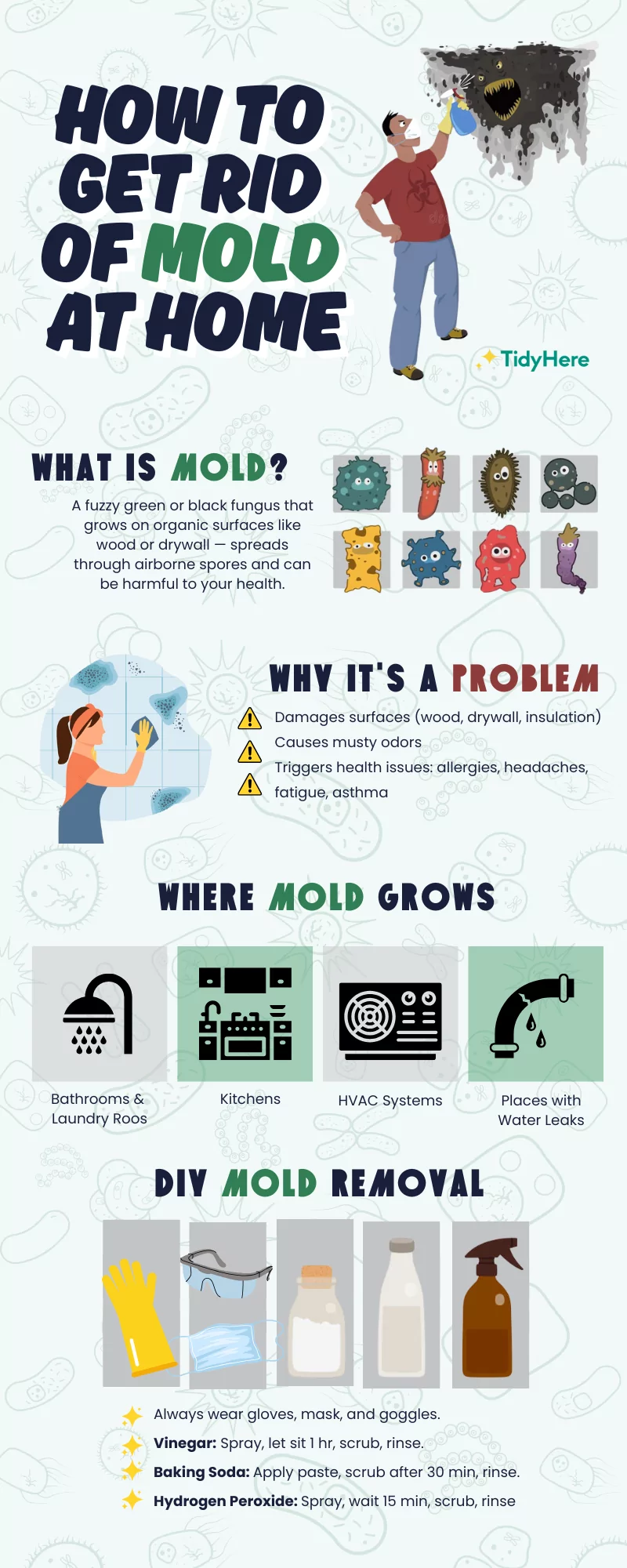
Mold on a pillow isn’t just dirty. It’s a health hazard that requires immediate attention. Minor surface mold on washable pillows can sometimes be treated using vinegar, hydrogen peroxide, or borax with thorough drying. However, porous materials like memory foam cannot be fully sanitized once mold takes hold and should be replaced.
Prevention beats treatment every time. Use waterproof pillow protectors, control bedroom humidity between 30% and 50%, air out pillows daily, and replace pillows every 12 to 18 months. When in doubt, throw it out. Your lungs and your sleep quality will thank you.