How to Dispose of Electric Heating Pad
Your trusty electric heating pad finally gave out after years of soothing sore muscles, and now it sits in your closet. You might be tempted to toss it in the trash, but that simple decision could spark a landfill fire or leak toxins into the soil. Electric heating pads contain copper wiring, plastic controllers, and fabric layers, making them classified electronic waste. This guide explains exactly how to dispose of an electric heating pad through e-waste recycling, donation programs, and creative reuse, so you can clear clutter without harming the planet.
Identify Whether You Have an Electric or Chemical Heating Pad
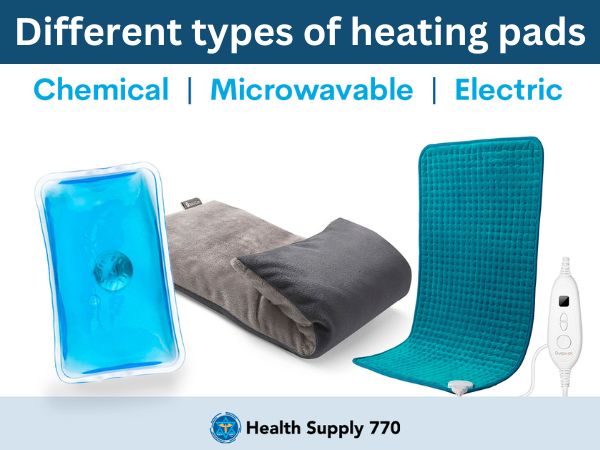
Before you dispose of any heating pad, you need to confirm what type you own. The disposal process differs significantly between electric and self-heating chemical pads.
Electric Heating Pad Components
Electric pads plug into a wall outlet and produce heat through internal wiring. These units contain:
– Copper heating elements
– Detachable power cords
– Fabric outer coverings
– Electronic temperature controllers
Self-Heating Chemical Pad Components
Self-heating pads generate warmth through a chemical reaction involving iron powder, salt, and activated carbon. They require no electricity and typically last 4 to 12 hours before cooling permanently.
Only follow electric pad disposal steps if your device uses a power cord or controller.
Test Whether Your Electric Heating Pad Can Be Repaired

Before assuming your pad is destined for disposal, run through a quick diagnostic. Many heating issues stem from simple fixes rather than permanent damage.
Check the Power Source and Connections
Start with the basics:
– Confirm the power cord is fully plugged into a working outlet
– Inspect the connection between the controller and the pad
– Look for loose plugs or partially seated connectors
Inspect for Visible Damage
Examine the entire pad carefully for:
– Frayed or exposed wires
– Burn marks or discoloration
– Bulges or lumps under the fabric
– Tears in the outer covering
Do not attempt DIY repairs on damaged wiring or heating elements. This creates serious fire hazards.
Verify Warranty Coverage
Check your original paperwork or the manufacturer’s website for warranty details. Many electric heating pads carry 1 to 5 year warranties. If yours is still covered, contact customer service for free repair or replacement options.
Assess the Age of Your Heating Pad
Age plays a critical role in determining whether to repair, donate, or recycle your heating pad.
Typical Lifespan Expectations
Most electric heating pads last between 3 and 10 years depending on build quality and frequency of use.
The Five-Year Safety Threshold
Units older than five years often lack modern safety features like automatic shutoff and overheat protection. Even if your old pad still works, replacing it reduces fire risk and improves energy efficiency.
Prepare Your Heating Pad for Disposal
Once you’ve confirmed your pad is beyond repair or too outdated to keep, take these preparation steps before transport.
Disconnect All Electrical Components
Always unplug the pad first, then:
– Fully detach the power cord from the pad
– Remove the temperature controller unit
– Keep these parts separate from the fabric body
This prevents electrical shorts during handling and helps recyclers sort materials efficiently.
Secure Any Exposed Wires
If wires are frayed or sticking out:
– Wrap the ends with electrical tape
– Coil the cord neatly
– Secure everything with a zip tie
This minimizes risk during transit to recycling facilities.
Recycle Electric Heating Pads at E-Waste Facilities
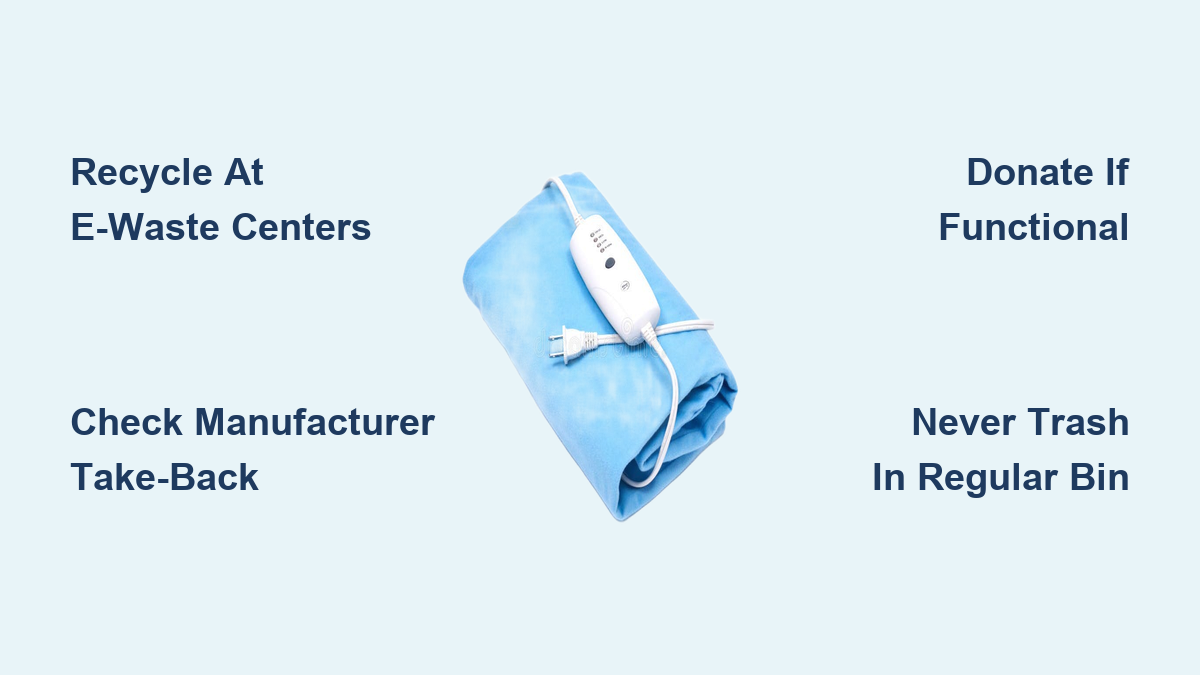
Electric heating pads must be recycled as electronic waste. They should never go in regular trash or curbside recycling bins.
Find Certified E-Waste Centers Near You
Search online using terms like:
– “e-waste recycling near me”
– “electric blanket recycling [your city]”
– Contact your municipal waste department directly
Call ahead to confirm the facility accepts heating pads, since policies vary by location.
What Happens During the Recycling Process
Certified recyclers will:
– Dismantle the pad to access internal components
– Extract copper wiring for reuse in new products
– Separate plastics and fabric for processing
– Safely handle electronic controllers and circuit boards
This process reduces demand for raw material mining and keeps toxic substances out of landfills.
Use Manufacturer or Retailer Take-Back Programs

Many brands and stores offer convenient recycling options that require minimal effort on your part.
Manufacturer Recycling Initiatives
Visit the brand’s website and look for sections labeled “Recycling,” “Sustainability,” or “Take-Back.” Major brands like Sunbeam, UCO, and Beurer sometimes offer:
– Mail-in return labels
– Prepaid shipping programs
– Discounts on new purchases when you return old units
If information isn’t readily available online, contact customer service directly.
Retailer Drop-Off Programs
Major retailers such as Best Buy, Target, and Home Depot often partner with e-waste recyclers. When visiting, ask:
– Is there a drop-off bin for small electronics?
– Do they accept heating pads specifically?
– Is a new purchase required for recycling?
These programs make responsible disposal easy and accessible.
Follow Your Local Municipal Waste Guidelines
Your city or county may have specific rules for electronic household items that differ from general recycling protocols.
Check Official Waste Management Resources
Visit your city or county waste management website and search for:
– “E-waste disposal guidelines”
– “Large item pickup schedules”
– “Electric blanket disposal rules”
Many municipalities offer:
– Scheduled e-waste collection days
– Free drop-off events throughout the year
– Curbside bulky item pickup with advance notice
In regions like Adelaide, Australia, devices containing both electronics and liquids require specific council clarification due to their mixed-material complexity.
Donate Functional Heating Pads to Extend Their Lifespan
If your pad still works safely, donating it keeps it out of the waste stream entirely and helps someone in need stay warm.
Donation Eligibility Requirements
Only donate pads that meet these criteria:
– No frayed wires, tears, or burn marks
– Heats evenly across the entire surface
– Has modern safety features like auto-shutoff
– Less than five years old
Charities often reject older or damaged electric units due to liability concerns.
Where to Donate Working Heating Pads
Consider reaching out to:
– Homeless shelters
– Women’s shelters
– Senior centers
– Community outreach programs
Call first to confirm they accept electric items. Some organizations only allow non-electric textiles.
You can also list working pads on platforms like Freecycle.org, Buy Nothing groups on Facebook, or Goodwill if they accept electronics locally.
Repurpose Non-Functional Pads for Creative Uses
For pads too damaged to recycle immediately or donate, consider creative reuse, but only after removing all electrical components.
Remove Electronics Safely
If you have the skills:
– Carefully cut out wiring and the controller unit
– Dispose of electronic components through proper e-waste channels
– Keep the fabric portion for craft projects
Never use the pad for heating again if you’ve modified it.
Creative Fabric Reuse Ideas
Turn the fabric into:
– Pet bed liners (unplugged and electronics removed)
– Insulating layers for garden covers
– Craft material for quilting, tote bags, or pillows
Handle Self-Heating Chemical Pads Differently

Self-heating pads contain iron powder, salt, and activated carbon that require separate handling from electric units.
Dispose of the Chemical Pouch Properly
Once the pad has cooled completely:
– Never throw the inner pouch in regular trash or recycling
– Do not compost unless the outer layer is 100% natural fiber and fully separated
– Treat the chemical components as potential hazardous waste
Drop Off at Hazardous Waste Sites
Contact your local waste authority to find:
– Household hazardous waste drop-off locations
– Scheduled collection events for chemical products
When in doubt, err on the side of caution and use hazardous waste channels.
Understand the Environmental Risks of Improper Disposal

Knowing why proper disposal matters helps reinforce the importance of following these guidelines.
Prevent Landfill Fires
Frayed wires in electric pads can spark when crushed or exposed to moisture in landfills. These fires are difficult to extinguish and release toxic fumes into the atmosphere.
Stop Soil and Water Pollution
Landfilled e-waste leaches heavy metals and plastics into surrounding soil and groundwater. Recycling recovers copper, plastic, and fabric, reducing the need for raw material extraction.
Conserve Valuable Resources
Recycling one electric pad helps recover materials that would otherwise require energy-intensive mining and manufacturing. Nationally, e-waste recycling saves energy equivalent to powering millions of homes annually.
Avoid These Common Disposal Mistakes
Stay safe and compliant by steering clear of these frequent errors.
Never Place Electric Pads in Regular Trash
Putting them in standard garbage bins risks:
– Fires in collection trucks or landfills
– Injury to sanitation workers
– Environmental contamination from leaching materials
Don’t Assume Curbside Recycling Works
Standard blue recycling bins do not accept electric heating pads. These items go to sorting facilities unprepared for mixed-material electronics and will likely end up in landfills anyway.
Skip Reuse of Damaged Units
Even if a pad heats intermittently, exposed wires create fire hazards. Retire damaged units responsibly through e-waste channels.
Frequently Asked Questions About Electric Heating Pad Disposal
Can electric heating pads be recycled?
Yes, but only through e-waste programs, not curbside bins. Use certified recyclers, retailer drop-off points, or manufacturer take-back programs to ensure proper handling.
Are old heating pads safe to donate?
Only if they are under five years old, fully functional, and undamaged. Most charities reject older electric units due to fire risk and liability concerns.
What if there is no e-waste center nearby?
Contact your local waste management office for information on mail-back programs, annual collection events, or partner drop-off locations. Some manufacturers offer prepaid return shipping labels.
How do I know when a self-heating pad is finished?
It stops producing heat after 4 to 12 hours and feels cool to the touch. Do not attempt to reheat or reuse the pad, since the chemical reaction is irreversible.
Can I compost the fabric from a self-heating pad?
Only if the outer layer is made of 100% cotton or natural fiber and has been completely separated from the chemical pouch. If any chemical residue remains or you’re unsure of the material, dispose of the entire unit through hazardous waste channels.
Key Takeaways for Responsible Electric Heating Pad Disposal
Disposing of an electric heating pad responsibly protects both people and the environment. The three most important points to remember are: electric heating pads are classified as e-waste and must never go in regular trash, recycling through certified facilities recovers valuable materials like copper and plastic, and functional units under five years old can find second lives through donation.
Start by checking your pad’s warranty and testing for simple repairs. If disposal is necessary, locate an e-waste center or manufacturer take-back program in your area. Taking a few extra minutes today ensures a safer tomorrow for your community and the planet.