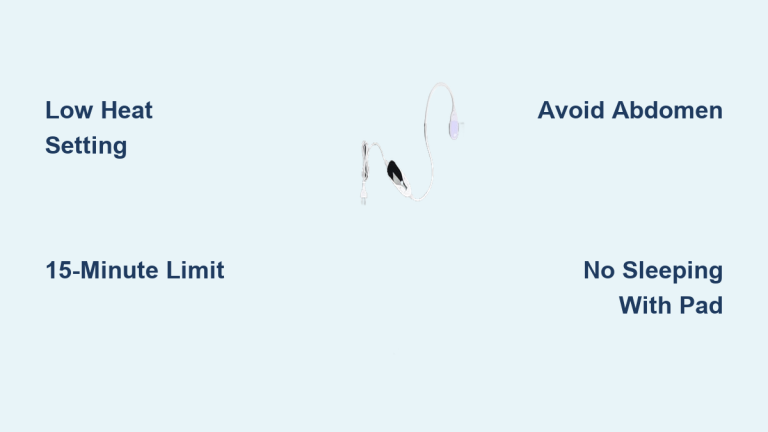

Dog Heating Pad Safety: Quick Guide
Dogs don’t always know when they’re getting too hot, and that hidden danger makes dog heating pad safety a critical concern most pet owners overlook. Human-grade pads can reach temperatures up to 160°F, far above a dog’s normal body temperature of 102°F, turning a comfort tool into a burn hazard in minutes. Older dogs, puppies, and pets with limited mobility are especially at risk, often unable to move away even when heat becomes painful.
The risks don’t stop at overheating. Chewed cords can cause electrocution, faulty wiring may spark fires, and outdoor or unattended use multiplies these dangers. This guide breaks down the real dangers, identifies safe versus dangerous products, and delivers actionable safety rules to protect your dog so you can use heat therapy with confidence.
Choose Safe Heating Pad Types
Not all heating pads are created equal. The type you pick determines your dog’s risk level.
Use Self-Regulating Electric Pads
Self-regulating electric pads are the safest electric option for dogs. They automatically adjust heat based on room temperature and your pet’s body contact, preventing dangerous spikes. Models like the K&H Thermo-Kitty Mat warm only to about 15°F above ambient temperature, staying safely close to your dog’s natural body heat. These work well for older dogs or those with arthritis who need low-level warmth with supervision.
Avoid models without thermostatic control. These can overheat even on “low” settings. Always verify the pad is labeled UL-certified for electrical safety.
Switch to Self-Warming Thermal Mats
No electricity. No risk of burns. No cords to chew. Self-warming pads reflect your dog’s own body heat back using insulating layers. Since they can’t generate heat beyond the dog’s 102°F, overheating is nearly impossible. These work well for mild chills, drafty homes, or dogs who need extra comfort.
Best for puppies, seniors, or dogs in moderate indoor climates. Not effective if the dog is already cold or in freezing environments.
Avoid Human Heating Pads
Human pads are unsafe for dogs. Even on low settings, they can reach 110°F to 160°F, hot enough to cause second-degree burns in minutes. Dogs can’t react quickly like humans, especially when asleep or in pain. These pads lack pet-safe features and should never be used, even with towels as a barrier.
Test Temperature Before Use
A simple test can prevent serious injury.
Perform the Inner Wrist Check
Before placing any pad near your dog, test it on your inner wrist. The skin here is sensitive, similar to a dog’s. If it feels hot to you, it’s too hot for your pet. The pad should feel warm, not hot. If you’re using a self-regulating model, let it warm up for 15 to 20 minutes first, then test.
During initial uses, check the pad temperature every 5 minutes to establish safe heat distribution patterns for that specific device.
Add a Towel Barrier
Even safe pads need a buffer. Place 2 to 3 layers of thick towels or a blanket between the pad and your dog. This diffuses heat and prevents direct skin contact, reducing burn risk. Replace wet or soiled towels immediately since moisture can intensify heat transfer.
Limit Use to 15-Minute Sessions
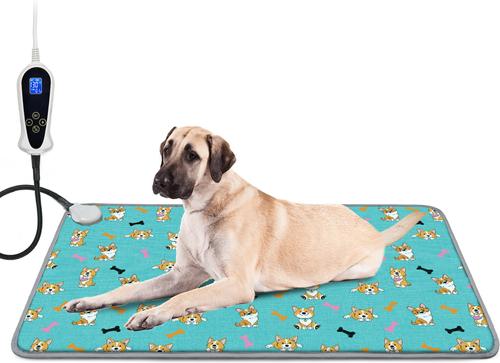
Time is your best safety tool.
Stick to Short Therapy Cycles
Heat therapy should last no more than 15 minutes per session. This is especially true for electric pads. Longer exposure increases the risk of thermal injury, even at moderate temperatures. Use a timer to stay on track.
Best for arthritic stiffness, post-surgery recovery (after 48 hours), or cold-induced muscle tension.
Wait 6 to 8 Hours Between Uses
Allow at least 6 to 8 hours between sessions. This gives tissues time to recover and prevents cumulative heat damage. Overuse can lead to inflammation instead of relief.
Never Leave Unattended or Overnight
Supervision isn’t optional; it’s essential.
Stay Present During Use
Never leave your dog alone with an active heating pad. Even self-regulating models can malfunction. A dog that falls asleep may not wake up if the pad overheats. Watch for signs of discomfort like restlessness, panting, or trying to bite the pad.
If your dog walks away, turn the pad off.
No Overnight Operation
Do not leave heating pads on overnight. The risk of fire, burns, or electrical failure skyrockets during unattended use. Instead, use insulated bedding, heated dog houses (outdoor-rated), or self-warming mats for nighttime warmth.
Place Pads Safely in the Environment
Location matters as much as the device.
Avoid Crates and Confined Spaces
Never place an active heating pad in a crate, carrier, or enclosed bed. These restrict movement, removing your dog’s ability to escape if it gets too hot. Heat builds up quickly in small spaces.
Use only in open, flat areas where your dog can freely move on and off the pad.
Keep Off Elevated Surfaces
Don’t place pads on high beds or platforms. If your dog tries to escape excessive heat, they might jump or fall, risking injury. Stick to floor-level placements.
Prevent Chewing and Electrical Hazards
Cords are a hidden threat.
Use Chew-Resistant Cords
Puppies and chewers pose a real danger. Look for pads with steel-wrapped cords or protective conduit sleeves. Models like the K&H Extreme Weather Heated Pad are built to resist gnawing.
Never run cords under rugs or furniture. This traps heat and increases fire risk.
Inspect Cords Weekly
Check for fraying, exposed wires, or bite marks every week. Replace damaged units immediately. Even minor damage can cause shorts, shocks, or fires.
Recognize Overheating Signs Immediately
Know when to stop.
Watch for Physical Warning Signs
If your dog shows any of these, turn off the pad and remove your pet:
- Excessive panting
- Bright red gums
- Lethargy or confusion
- Restlessness or anxiety
- Visible redness or hair loss on contact area
- Excessive drooling
These are signs of heat stress or early burns. Cool the skin gently with a damp cloth and contact your vet if symptoms persist.
Stop If Behavior Changes
If your dog tries to bite the pad, paces, or refuses to lie down, the heat is likely uncomfortable. Don’t force it. Try a shorter session later or switch to a self-warming mat.
Use Outdoor Pads Only If Certified
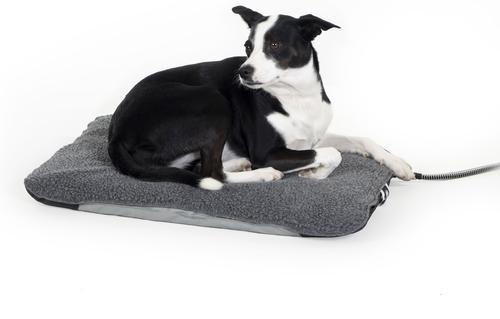
Indoor pads don’t belong outside.
Never Use Indoor Pads Outdoors
Standard heating pads fail in outdoor conditions. Rain, snow, or dew can cause short circuits, shocks, or fire. Even “water-resistant” labels don’t guarantee safety in wet environments. Moisture damages internal wiring and insulation, creating long-term hazards.
Choose Outdoor-Certified Models Only
If your dog stays outside, use only pads rated for outdoor use like the K&H Lectro-Soft Outdoor Heated Bed. These are sealed against moisture, built with chew-resistant cords, and designed to function in cold weather.
Still, supervise use and inspect regularly for damage.
Size Pads for Comfort and Escape
A too-small pad traps your dog.
Pick the Right Size
- Small dogs: minimum 20-inch pad
- Medium/large dogs (50+ lbs): 30-inch or larger
The pad should allow your dog to stretch fully while leaving room to move off the heated area. Never use a pad that covers the entire bed. Always provide a cool zone nearby.
Maintain and Inspect Regularly
A well-maintained pad is a safe pad.
Check for Damage Monthly
Inspect the pad surface, seams, and cord for tears, punctures, or wear. Heat escapes through damaged areas, creating hot spots. Replace at the first sign of malfunction.
Wash Covers Weekly
If your pad has a removable, washable cover, clean it weekly, especially for post-surgery or incontinent dogs. Bacteria buildup can lead to infections. Use mild detergent and air dry.
Store Indoors When Not in Use
Keep indoor pads in a dry, cool place. Avoid garages or sheds where temperature swings and humidity can damage electronics.
Consult Your Vet Before Use
Not all dogs should use heat therapy.
Get Medical Approval First
Talk to your vet before using a heating pad if your dog has:
- Heart disease
- Diabetes (reduced sensation)
- Open wounds or infections
- Cancer (heat can worsen tumors)
- Recent surgery (wait 48 hours post-op)
Heat increases blood flow. This is great for healing, but dangerous if misapplied.
Follow Vet-Recommended Protocols
Your vet can advise on safe temperature settings, optimal session length, and best placement for joint pain. Never use heat on swollen or inflamed areas within the first 48 hours of injury.
Frequently Asked Questions About Dog Heating Pad Safety
Can I use a human heating pad on my dog?
No. Human heating pads can reach 110°F to 160°F, which is far too hot for dogs. Even on low settings, these temperatures can cause second-degree burns within minutes. Dogs cannot react quickly when asleep or in pain, making human pads unsafe for pet use.
How long can a dog safely use a heating pad?
Limit heating pad sessions to 15 minutes at a time. Wait at least 6 to 8 hours between sessions to allow tissues to recover. Longer exposure increases burn risk even at moderate temperatures, so always use a timer.
Are self-warming dog beds safer than electric heating pads?
Yes. Self-warming beds reflect your dog’s own body heat back to them without electricity, cords, or external heat sources. Since they cannot generate heat beyond your dog’s natural 102°F body temperature, overheating is nearly impossible. They are the safest option for general warmth.
What temperature should a dog heating pad be?
Pet-specific self-regulating pads should warm to about 15°F above ambient room temperature. Never exceed 105°F on direct contact. Always test the pad on your inner wrist before placing it near your dog. It should feel warm, not hot.
Can I leave a heating pad on my dog overnight?
No. Overnight use significantly increases the risk of fire, burns, and electrical failure. Even self-regulating models can malfunction. For nighttime warmth, use insulated bedding, self-warming mats, or outdoor-rated heated dog houses instead.
Which dogs are most at risk from heating pads?
Elderly dogs, arthritic dogs, post-surgical patients, puppies, and dogs with thick fur or reduced skin sensitivity face the highest risk. These dogs may sleep deeply, have limited mobility, or cannot feel overheating until significant tissue damage has occurred.
Key Takeaways for Dog Heating Pad Safety

Dog heating pad safety rests on three pillars: the right product, strict protocols, and constant supervision. Self-warming mats are the safest choice for general use, while electric pads should be reserved for short, vet-approved therapy sessions. Always test temperature before use, limit sessions to 15 minutes, and never leave your dog unattended with an active pad.
For your next step, audit your current heating setup using the safety checklist above. If you’re using a human-grade pad or an uncertified product, replace it today with a UL-certified, pet-specific model or a self-warming alternative. When in doubt, skip the electricity and opt for insulated, draft-free bedding instead.