How to Fix a Deformed Pillow
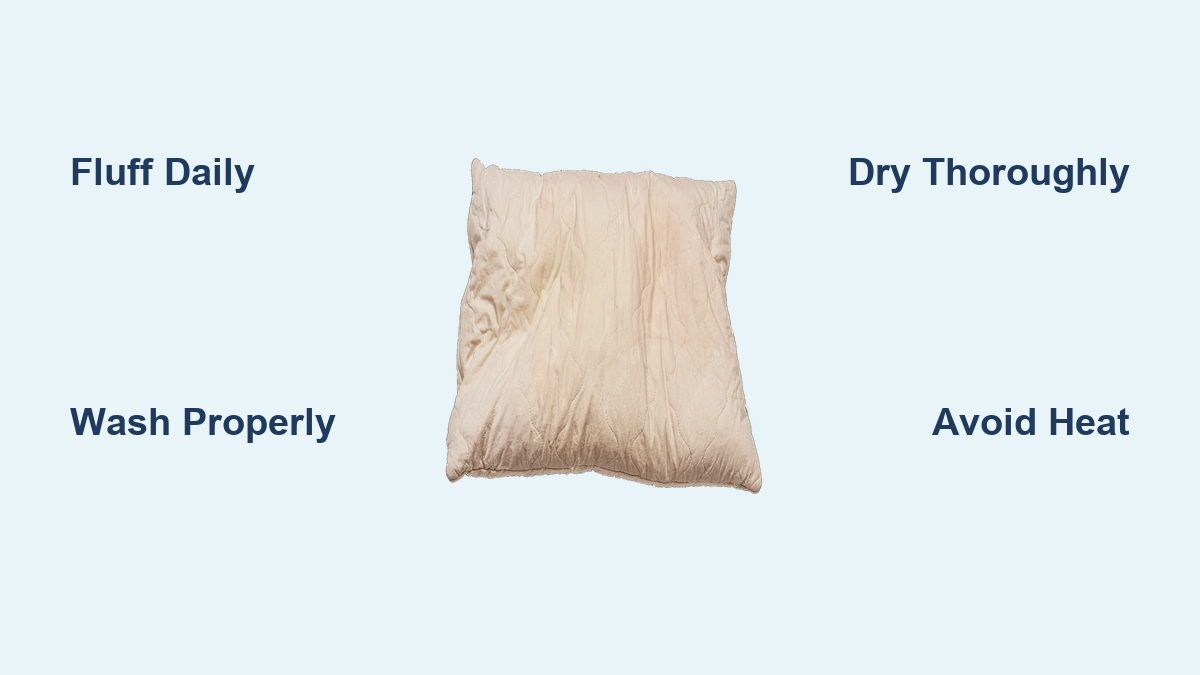
You wake up with neck pain, only to find your pillow is flat, lumpy, and barely holds its shape. A deformed pillow is not just uncomfortable, it can misalign your spine, disrupt your sleep, and harbor allergens. But before you toss it in the trash, know this: most deformed pillows can be restored with the right techniques. This guide covers proven, material-specific methods from fluffing and washing to sun-drying and internal reshaping, so you can revive your pillow, save money, and sleep better.
Whether you have a down, polyester, memory foam, or cotton pillow, each responds differently to repair. The key is matching the method to the material. We will walk you through every step, highlight what to avoid, and show you how to keep your pillow in top shape for years.
Identify Why Your Pillow Lost Its Shape
Understanding why your pillow deformed is the first step to fixing it. Most deformation stems from preventable issues that compound over time.
Daily Compression and Missing Fluffing
Your head weighs 10 to 12 pounds. Night after night, that pressure flattens fill material, especially in soft, low-density pillows. Without daily fluffing, fibers compress permanently. Down, polyester, and shredded foam are especially vulnerable.
Visual cue: A central indentation that does not bounce back when pressed.
Fix: Fluff every morning using the accordion method to redistribute fill evenly.
Moisture and Sweat Buildup
Nightly sweat seeps into the core, causing fibers to clump as they dry unevenly. Over time, this creates hard lumps and encourages mold or dust mites.
Warning sign: Musty smell, discolored spots, or a damp feeling even when the pillow appears dry.
Fix: Wash and dry thoroughly. Use a pillow protector daily to block moisture from reaching the fill.
Improper Washing and Drying
Washing without proper drying is worse than not washing at all. Wet fill clumps together, and trapped moisture leads to mildew and odor.
Common mistake: Using fabric softener, which coats fibers and causes them to stick together permanently.
Solution: Wash with mild detergent only. Dry completely with tennis balls in the dryer to break up clumps.
Low-Quality or Aged Materials
Cheap polyester, poorly processed down, or low-density foam degrade faster. After 1 to 2 years, even the best care cannot restore them.
Test it: Fold the pillow in half. If it stays folded and does not bounce back, it has lost structural integrity and is time to replace.
Restore Loft with Fluffing Techniques
Fluffing is the fastest, cheapest way to revive a flat pillow. Use these targeted methods based on your pillow type.
Use the Accordion Fluff Method
Best for: Down, feather, polyester, and shredded foam.
How to do it:
1. Hold the pillow at opposite ends.
2. Push and pull rapidly like an accordion for 20 to 30 seconds.
3. Rotate 90 degrees and repeat.
4. Finish with light hand kneading across the surface.
Why it works: Breaks up minor clumps and redistributes fill evenly throughout the chamber.
Pro tip: Do this every morning. It takes 30 seconds and prevents long-term compaction from becoming permanent.
Massage Lumps by Hand
Best for: Localized hard spots in any soft pillow.
Steps:
1. Lay the pillow flat on a bed or clean surface.
2. Use fingertips to rub and pull apart compacted areas.
3. Apply circular pressure until the lump softens and blends with surrounding fill.
4. Move to adjacent sections and repeat until the entire pillow feels even.
When to combine: Use after washing or sun-drying for best results on stubborn clumps.
Beat Out Clumps with Tennis Balls in Socks
Best for: Stubborn lumps in fiberfill or down that resist hand fluffing.
How:
1. Put 1 to 2 tennis balls inside a clean sock and tie the end securely.
2. Gently whack the pillow surface, focusing on flat or dense zones.
3. The mechanical agitation breaks up compacted clusters without damaging the fabric.
Alternative: Use a rolling pin on firm, flat pillows like cotton fills.
Use the Dryer to Revive Washable Pillows

The dryer is not just for drying. It is a powerful fluffing tool when used correctly.
Dry with Tennis or Wool Balls
Best for: Down, polyester, cotton, and synthetic fiberfill.
Steps:
1. Confirm the pillow is machine-washable by checking the care label.
2. Place one pillow in the dryer alone to allow full movement.
3. Add 1 to 2 tennis balls in socks or wool dryer balls.
4. Set to low heat or air-fluff mode with no heat.
5. Run for 15 to 30 minutes, stopping halfway to hand-fluff.
Why it works: The balls bounce around inside the drum, continuously beating against the pillow to break up clumps and restore loft.
Frequency: Use monthly or after washing to maintain pillow shape.
Avoid Heat for Foam and Latex
Never use high heat on:
– Solid memory foam
– Shredded memory foam
– Latex pillows
Risk: Heat melts foam, warps structure, and releases harmful fumes.
Safe alternative: Use air-fluff mode only, for 10 to 15 minutes maximum.
Exception: Some shredded foam pillows allow low-heat drying. Check the label first.
Dry Completely to Prevent Mold
A damp pillow will clump again, and fast. Trapped moisture encourages mold growth and odors.
Tip: Run multiple drying cycles if needed. The pillow should feel completely dry inside with no cool or damp sensation when pressed.
Sun-Dry to Disinfect and Refresh

Sunlight naturally cleans and revitalizes certain pillows without chemicals.
Expose to Direct Sunlight
Best for: Down, feather, cotton, and polyester.
How:
1. Place pillow on a clean rack or towel outdoors.
2. Leave for 1 to 3 hours in direct sun, depending on UV intensity.
3. Flip halfway through to ensure even exposure.
4. Bring in before evening to avoid dew absorption.
Benefits:
– UV rays kill bacteria, mold, and dust mites.
– Gentle heat evaporates trapped moisture.
– Removes odors and refreshes the fill naturally.
Warning: Never sun-dry memory foam or latex. UV light breaks down their structure, causing cracks and permanent deformation.
Wash to Reset Severely Deformed Pillows
Washing can fully reset a lumpy, dirty pillow, but only if done correctly.
Wash One Pillow at a Time
Why: This balances the washer drum and ensures thorough cleaning, especially in front-loading machines.
Steps:
1. Check the care label. Only wash if it says machine washable.
2. Use mild detergent with no bleach or fabric softener.
3. Select gentle cycle with warm water.
4. Add an extra spin cycle to remove excess water before drying.
Important: Fabric softener coats fibers and makes them stick together. Avoid it completely.
Dry with Agitation Tools
After washing, proper drying is critical:
- Tumble dry on low heat.
- Add tennis balls or wool dryer balls to break up clumps.
- Stop every 10 minutes to manually fluff.
- Continue until completely dry, which may take 2 to 3 cycles.
Pro tip: For down pillows, dry longer. Clumps form easily if the fill is even slightly under-dried.
Fix Internal Fill Through Seam Opening
When fluffing and washing fail, go inside the pillow.
Open the Seam to Reshape Fill
Best for: Polyester, fiberfill, or down pillows with stubborn clumps that will not budge.
When to do it: Only after external methods have been tried and failed.
Steps:
1. Use scissors or a seam ripper to cut 2 to 3 inches of the top seam.
2. Reach inside and pull apart clumped batting with your fingers.
3. Redistribute fill evenly, ensuring no empty corners or over-stuffed edges.
4. Smooth out folds or trapped sections.
5. Re-stitch by hand or machine using a straight, double-stitch for strength.
Outcome: The pillow regains shape, and the repair is hidden under the pillowcase.
Warning: Do not open memory foam or latex pillows. The fill cannot be reshaped, and you will permanently damage the structure.
Material-Specific Repair Guide

Use this quick-reference to pick the right method for your pillow type.
Down and Feather: Fluff and Sun-Dry
- Flatten easily: Yes, especially with moisture exposure.
- Fix it by: Daily accordion fluffing, hand kneading, and sun-drying.
- Dryer safe: Yes, but only on low heat with tennis balls.
- Never use: High heat or fabric softener.
Pro tip: Sun-drying refreshes down naturally and kills allergens trapped in the fill.
Polyester: Wash and Dry with Balls
- Prone to lumps: Very much so, especially low-density versions.
- Fix it by: Punching, shaking, and tumble drying with balls.
- Washable: Usually yes, but never use fabric softener.
- Lifespan: 1 to 2 years with regular use.
Maintenance: Rotate every few days to prevent one-sided flattening.
Shredded Memory Foam: Air-Fluff Only
- Can it be fluffed: Yes, but never with heat.
- Best method: Air-fluff cycle with tennis balls.
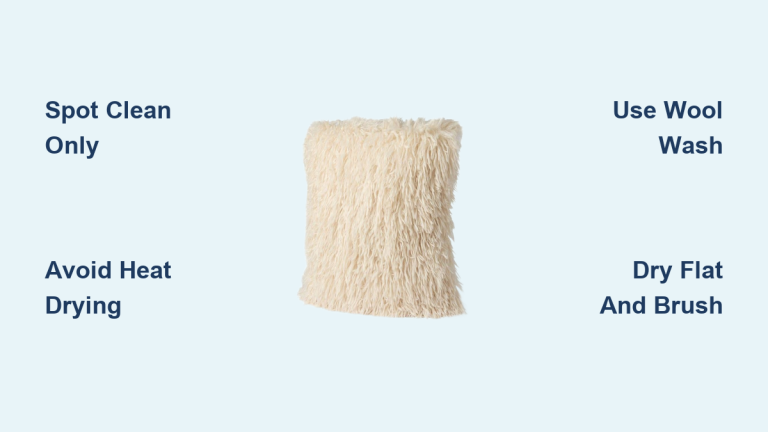
- Washable: Spot clean only unless the label says otherwise.
- Never: Saturate with water or expose to high heat.
Note: It expands slowly. Allow 24 to 72 hours after unpacking or compression to fully recover.
Solid Memory Foam: No Fluffing Possible
- Deformed: If permanently indented, it cannot be fixed.
- Clean by: Spot cleaning with a damp cloth only.
- Dry by: Air out in a ventilated area. Never use the dryer.
- Why: Heat melts foam, and the structure is fixed once it cools.
Warning: Temporary flattening during compression is normal. It regains shape when pressure is released.
Latex: Shake and Air Out
- Resilient but compactable over time with repeated pressure.
- Fix by: Gentle shaking and massaging from center outward.
- Dryer safe: Air-fluff only, for 5 to 10 minutes maximum.
- Avoid: Direct sunlight, as UV degrades natural latex.
Tip: Latex regains shape quickly but needs airflow to stay fresh and prevent odor.
Cotton: Dry Carefully to Prevent Shrinkage
- Compresses easily and holds moisture in the fibers.
- Fix by: Shaking, light punching, and low-heat drying with balls.
- Risk: Over-drying causes shrinkage that cannot be reversed.
- Best method: Machine dry followed by air-drying to remove residual moisture.
Prevent Future Deformation
Fixing a pillow is temporary if you do not stop the problem from returning.
Fluff Daily Without Fail
Spend 30 seconds every morning fluffing your pillow.
Best method: Accordion pull or vigorous shake.
Why: Prevents progressive compaction and extends pillow life by months.
Use a Pillow Protector
A protector blocks sweat, oils, and dead skin from entering the core.
Choose: Breathable materials like cotton or bamboo.
Care: Wash weekly to keep it effective.
Change Pillowcases Weekly
Oils and sweat build up fast. A clean case slows fill degradation significantly.
Bonus: Reduces acne and skin irritation.
Rotate and Flip Regularly
Especially for body pillows, rotate 180 degrees weekly to even out wear.
Double-sided pillows: Flip monthly to distribute pressure.
Follow Care Labels Exactly
Ignoring instructions is the fastest way to ruin a pillow.
Example: Putting memory foam in the dryer destroys it, even just once.
When to Replace Your Pillow
Repair helps, but not forever. Replace when these signs appear.
It Fails the Fold Test
Fold the pillow in half and place a book on it.
If it stays folded, it lacks structural support. Time to replace.
You Wake Up with Neck or Shoulder Pain
A flat or lumpy pillow misaligns your spine and causes morning pain.
Sign: Pain improves when sleeping on a new pillow.
It Is Older Than Its Lifespan
- Down, polyester, shredded foam: 1 to 3 years
- Memory foam, latex: 3 to 5 years
Even with perfect care, materials degrade over time.
It Has Persistent Odors or Stains
If cleaning does not remove smells or yellowing, microbes and allergens are embedded in the fill.
Risk: Triggers allergies or asthma symptoms.
Repurpose or Recycle, Do Not Trash
Do not send your old pillow to landfill.
Donate to Animal Shelters
Many shelters accept clean, non-foam pillows for pet bedding.
Call first: Policies vary by location.
Repurpose at Home
- Use as a floor cushion or garden kneeler.
- Remove fill for craft projects like stuffed toys.
- Cut fabric into rags or quilting squares.
Recycle or Compost
- Check local textile recycling programs.
- Natural fills like cotton or kapok may be compostable. Verify first.
Maximize Value and Sleep Quality
Fixing a deformed pillow is not just about saving 20 to 150 dollars. It is about better sleep, spinal health, and reducing waste.
Cost benefit: Repair extends life and delays replacement.
Sustainability: Fewer pillows end up in landfills.
Comfort: Familiar pillows support your sleep habits. Sudden changes can actually disrupt rest.
If your pillow still works, keep using it. Only replace when support is genuinely gone.
Final Tips for Long-Lasting Pillows
Before you buy your next pillow, consider these upgrades.
- Choose high-density fills: They resist flattening longer.
- Opt for CertiPUR-US memory foam or GOLS-certified latex: These are durable and safe.
- Try kapok: A natural, eco-friendly fill that is clump-resistant.
- Invest in quality: A 100-dollar pillow that lasts 5 years costs less than five 20-dollar pillows.
And always: fluff daily, protect, wash every 3 to 6 months, and dry completely.
Frequently Asked Questions About Fixing Deformed Pillows
Can all deformed pillows be fixed?
Not all pillows can be restored. Pillows with permanently compressed memory foam or latex that has cracked cannot be repaired. Low-quality polyester or down that has lost structural integrity may also be beyond saving. Try the fold test: if the pillow stays folded when compressed, it is time to replace it.
How long does it take to fix a deformed pillow?
Most methods work immediately. Fluffing takes 30 seconds. Sun-drying takes 1 to 3 hours. Washing and drying thoroughly may take half a day or a full cycle. Internal seam repair takes 15 to 20 minutes plus drying time if the fill was washed.
Why does my pillow keep getting lumpy?
Lumpiness returns because the root cause was not addressed. Common reasons include using fabric softener, incomplete drying, lacking a pillow protector, or simply not fluffing daily. Identify the cause and treat it, or the lumps will keep coming back.
Is it safe to put a pillow in the dryer?
Yes, but only if the care label permits and you use the right settings. Use low heat or air-fluff only. Never use high heat on memory foam or latex. Always add tennis balls or dryer balls to break up clumps during the cycle.
How often should I replace my pillow?
Replace soft-filled pillows like down and polyester every 1 to 3 years. Replace memory foam and latex every 3 to 5 years. Replace sooner if you notice persistent lumps, odors, or if you wake up with neck pain that improves on a new pillow.
Key Takeaways for Fixing Your Deformed Pillow
A deformed pillow is rarely beyond repair. With targeted techniques based on material type, most pillows can be restored to functional condition. The accordion fluff method works for daily maintenance. Washing followed by proper drying with tennis balls resets severely lumpy pillows. Sun-drying naturally disinfects and refreshes down, cotton, and polyester fills. Always avoid heat on foam and latex, and never use fabric softener.
Prevention matters more than repair. Daily fluffing, using a pillow protector, and washing every 3 to 6 months dramatically extends pillow life. When repair is no longer viable, repurpose or recycle rather than trash. Your neck, your wallet, and the environment will all benefit.