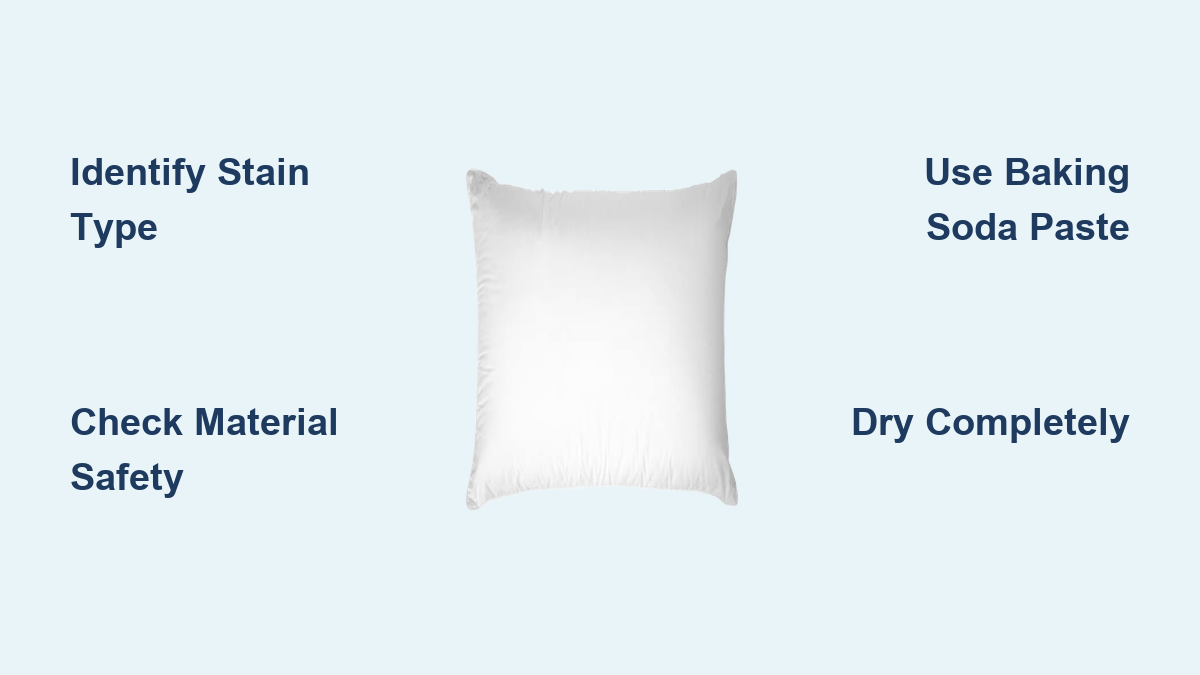
How to Remove Pillow Stains: Quick Steps
Pillow stains are more than just an eyesore. They represent a buildup of sweat, body oils, dead skin, and bacteria that can affect your sleep hygiene and trigger allergies or breakouts. Left untreated, these residues yellow the fabric, create musty odors, and shorten your pillow’s lifespan. The good news? Most pillow stains can be removed with simple household items and the right technique.
Whether you are dealing with a sweat-stained yellow ring, a spilled drink, or dried blood, this guide will walk you through exactly how to remove pillow stains based on material type, stain category, and cleaning safety. You will learn which methods work best, what to avoid, and how to keep your pillows fresh longer.
Identify the Stain Type Before Cleaning

Before applying any solution, determine what caused the stain. The treatment depends entirely on the substance involved.
Sweat and Oil Stains
These appear as yellowish rings and often come with a stale odor. They result from nightly accumulation of body oils, sweat, and hair products. Over time, oxidation deepens the discoloration.
What to look for: yellow patches, especially near the center where your head rests.
Blood Stains
Fresh blood appears red, while dried blood turns brown or black. Never use hot water on blood stains. Heat sets the protein and makes the stain permanent.
Pro tip: Treat blood stains immediately with cold water for best results.
Food, Drink, and Makeup Stains
Coffee, wine, tomato sauce, and makeup contain dyes and oils that penetrate deep into fabric. Tannins in beverages cause stubborn browning.
Quick action: Blot spills immediately to prevent setting.
Mold and Mildew
Dark spots or musty smells indicate mold, often from moisture trapped inside the pillow. This is common in memory foam that was improperly dried.
Warning: Mold can trigger respiratory issues. Treat affected pillows promptly or replace them if contamination is severe.
Check Pillow Material Before Choosing a Method
Not all pillows can be cleaned the same way. Always inspect the care label first.
Washable Pillows (Down, Feather, Synthetic)
These are safe for machine washing. Most standard bed pillows fall into this category.
Key signs: The label says “machine washable” or “hand wash.”
Memory Foam or Latex Pillows
Never submerge memory foam or latex in water. These materials absorb moisture and can develop internal mold if not dried perfectly.
Cleaning limit: Spot clean only, use baking soda for odor, and vacuum with an upholstery attachment.
Dry-Clean Only or Delicate Fill
Some specialty pillows require professional cleaning. If unsure, opt for spot treatment.
Safety check: When in doubt, test any solution on a hidden area first.
Best Cleaning Agents for Pillow Stains

Use the right solution for the stain type. Avoid harsh chemicals unless absolutely necessary.
White Vinegar
Breaks down oils and neutralizes odors. Mix with water or add ½ to 1 cup to the wash cycle.
Best for: Sweat stains and general cleaning.
Baking Soda
Acts as a mild abrasive and odor absorber. Make a paste with water or sprinkle dry on foam surfaces.
Best for: Yellow stains and memory foam deodorizing.
Hydrogen Peroxide (3%)
A gentle bleach alternative. Mix 1 part peroxide with 2 parts water.
Only use on white fabrics after testing for colorfastness.
Best for: Blood, mold, and whitening.
Dish Soap
Cuts through grease and oils. Effective on makeup and food stains.
Use sparingly: A few drops in water is enough.
Mild Detergent (Fragrance-Free)
Prevents skin irritation. Use “All Free & Clear” or non-bio enzyme-free detergents.
Avoid enzyme detergents on delicate fills.
OxyClean Maxforce
For stubborn, set-in stains. Use after natural methods fail.
Follow label instructions carefully.
How to Remove Stains from Washable Pillows
Follow this step-by-step process for down, feather, or synthetic pillows.
Machine Wash Routine
- Wash two pillows at once to balance the drum.
- Use cold or warm water (check the label) and a gentle cycle.
- Add ½ cup white vinegar to the rinse cycle or softener dispenser.
- Use 1/3 the normal detergent amount to avoid residue.
- Run an extra rinse cycle to flush out all soap.
- Add wool dryer balls or tennis balls (placed in socks) to fluff during drying.
Time estimate: 2 to 3 hours including drying.
Spot Treat Before Washing
For visible stains, pre-treat before machine washing.
Yellow Sweat Stains
• Mix 2 tablespoons baking soda with 1 tablespoon water into a paste
• Apply to the stain and wait 20 to 30 minutes
• Dab with a vinegar-soaked cloth to activate lifting
• Rinse with a damp cloth
Blood Stains
• Blot with cold water only
• Dab with hydrogen peroxide solution (1:2 with water) on white pillows
• Do not rub; dab only
Grease or Makeup
• Apply 1 drop of dish soap to a damp cloth
• Gently blot the area
• Rinse with clean water
Never dry until the stain is gone. Heat sets stains permanently.
Clean Memory Foam Pillows Safely
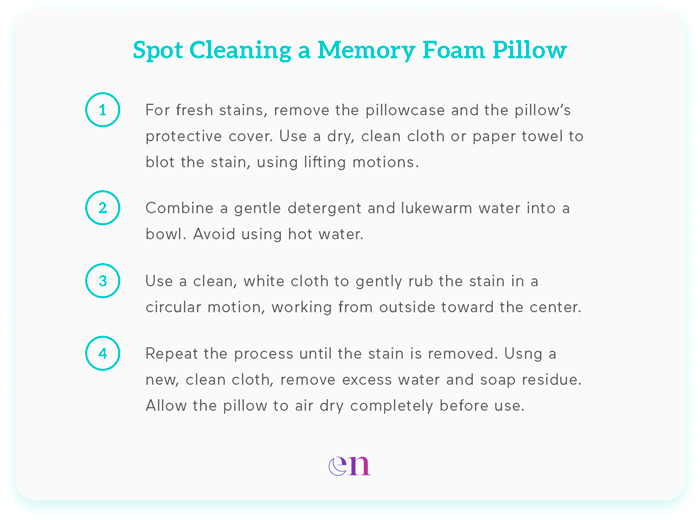
Memory foam cannot be machine washed. Use this method instead.
Baking Soda Deep Clean
- Remove the cover and wash it separately.
- Sprinkle baking soda liberally over the surface.
- Let it sit for 2 to 4 hours (overnight for strong odors).
- Vacuum thoroughly with an upholstery attachment.
Pro tip: Sunlight helps. Air out foam in indirect sun for 1 to 2 hours to kill bacteria.
Spot Clean Spills or Stains
- Mix 1 teaspoon mild detergent with 1 cup cold water.
- Dampen a white cloth. Do not soak it.
- Blot the stain gently.
- Wipe with a clean water-dampened cloth to rinse.
- Pat dry with a towel and air dry completely.
Drying time: 12 to 24 hours. Flip every few hours.
Warning: Never use heat or a dryer on memory foam. It can melt or crumble.
Hand Wash Large or Delicate Pillows
For oversized or hand-wash-only pillows, the bathtub method works best.
Tub Soak Method
- Fill a bathtub with lukewarm water.
- Add 1 to 2 tablespoons mild detergent.
- Submerge the pillow and press gently to saturate.
- Scrub stained areas with a soft brush.
- Drain and refill with clean water. Repeat until no suds remain.
- Press out water. Do not wring.
- Roll in a dry towel to absorb moisture.
- Lay flat to air dry, flipping every 4 to 6 hours.
Drying tip: Use a fan to speed up the process.
Dry Pillows Properly to Avoid Mold
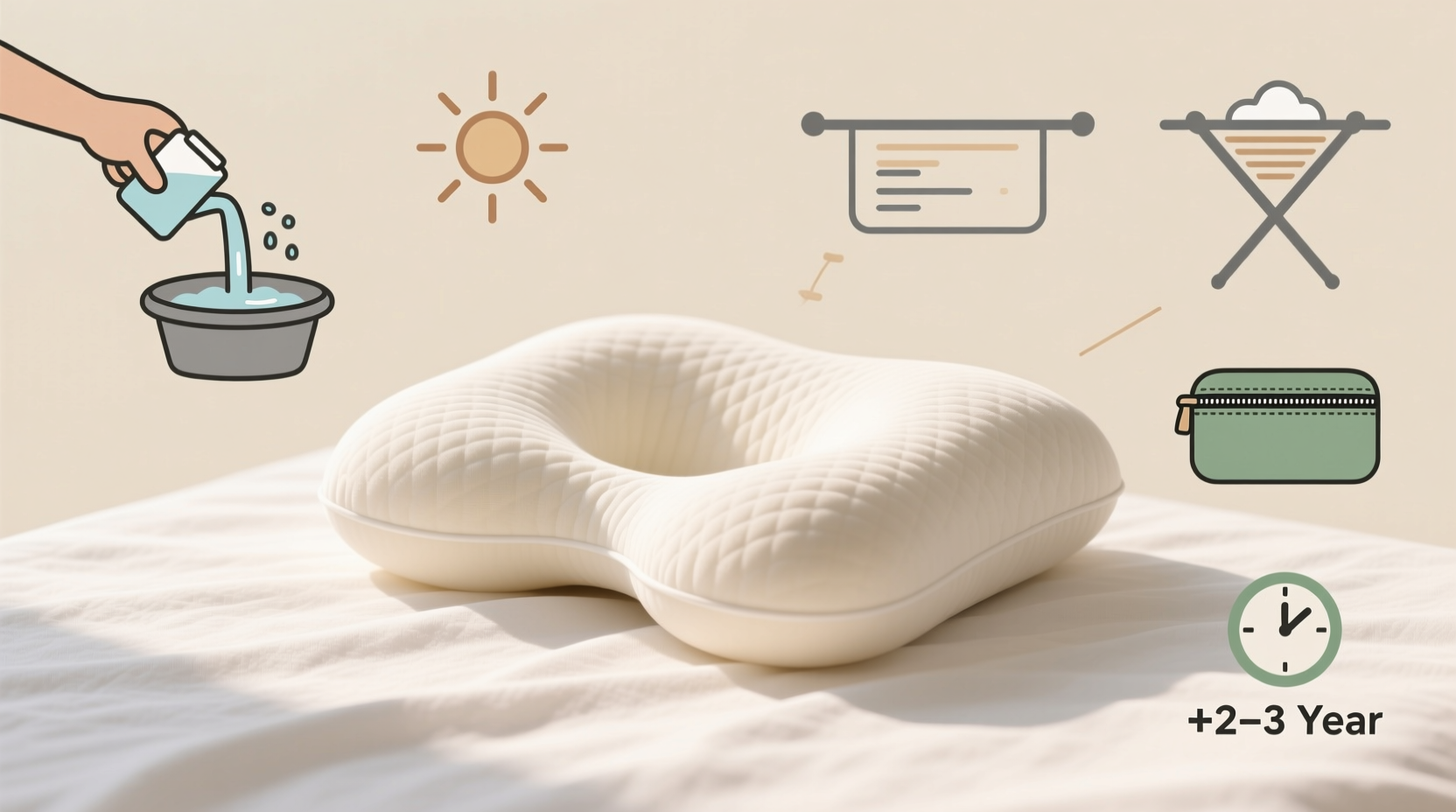
Improper drying causes mold, odors, and ruined fill.
Machine Drying (Washable Types)
• Use low heat or air-dry setting
• Add dryer balls or tennis balls to break up clumps
• Check every 30 minutes and fluff
• Dry until bone dry; squeeze the center to test
Time required: 1.5 to 3 hours, sometimes multiple cycles.
Air Drying (All Types)
• Lay flat on a drying rack or clean towel
• Place in a well-ventilated area
• For white pillows, use indirect sunlight to naturally whiten
• Flip every few hours
Critical: Never use a pillow that still feels damp inside.
Prevent Stains Before They Start
The best way to keep pillows clean is to stop stains before they happen.
Use Pillow Protectors
Wear a waterproof pillow protector under your pillowcase. It blocks sweat, oils, and spills.
Replacement tip: Wash protectors monthly.
Wash Pillowcases Weekly
Skin oils transfer fast. A clean case slows core contamination.
Fluff Daily
Fluffing restores airflow and prevents compaction of residues.
Clean Every 6 Months
Set a reminder for Spring and Fall (align with daylight saving time changes).
Exception: If you sweat heavily or eat in bed, clean every 3 to 4 months.
Troubleshoot Common Problems
Yellow Stains Won’t Come Out
• Reapply baking soda and vinegar paste
• Soak in OxyClean solution following package directions
• For white pillows, lay in sunlight after washing
Pillow Smells Musty After Washing
• Rewash with ½ cup vinegar
• Dry longer; the center may still be damp
• Check for mold inside and replace if present
Fill Is Lumpy After Drying
• Tumble dry again with dryer balls
• Break up clumps by hand every 30 minutes
• Fluff frequently during drying
Stain Spread During Cleaning
This is caused by rubbing instead of dabbing. Always use a blotting motion.
Vinegar Smell Lingers
• Run an extra rinse cycle
• Add 5 drops of lavender essential oil to detergent
When to Replace Your Pillow
Even with cleaning, some damage cannot be reversed.
Replace your pillow if:
• Stains remain after two deep cleanings
• The pillow stays lumpy or flat
• Musty odor persists (sign of internal mold)
• Fabric is torn or degraded
• You wake up with neck pain or allergies
Average lifespan: 1 to 2 years with proper care.
Frequently Asked Questions About Pillow Stain Removal
Can I use bleach to remove yellow pillow stains?
Chlorine bleach is generally avoided because it can degrade fabric and cause skin irritation. Use hydrogen peroxide (1 part to 2 parts water) on white fabrics instead, or lay the pillow in indirect sunlight for natural whitening.
How do I remove old, set-in yellow stains from pillows?
Re-treat with a baking soda and vinegar paste, letting it sit for 30 minutes before washing. For stubborn set-in stains, use OxyClean Maxforce following package directions. Soaking longer in the wash cycle also helps.
Is it safe to machine wash memory foam pillows?
No. Never submerge memory foam in water or put it in a washing machine. Water damages the foam structure, and machine agitation can destroy it. Spot clean only and use baking soda for deep cleaning.
Why does my pillow still smell musty after washing?
Musty odors after washing usually mean the pillow did not dry completely. Rewash with ½ cup vinegar, then dry longer on low heat with dryer balls. If the odor persists, check for internal mold and consider replacing the pillow.
How often should I wash my pillows?
Wash pillows every 6 months under normal use. If you sweat heavily, eat in bed, or have allergies, clean them every 3 to 4 months. Wash pillowcases weekly to reduce core contamination.
Can I put pillows in the dryer?
Only washable pillows (down, feather, synthetic) can go in the dryer on low heat or air-dry settings. Memory foam and latex pillows should never go in the dryer, as heat can melt or crumble the foam. Always check the care label first.
Key Takeaways for Removing Pillow Stains Successfully
Removing pillow stains comes down to three critical steps: identify the stain type, match your cleaning method to the pillow material, and dry thoroughly before use. Using the wrong technique can set stains permanently or damage the fill.
Your next step: Check your pillow’s care label today, identify any existing stains, and gather the supplies you need (baking soda, white vinegar, mild detergent). A single deep clean can restore freshness and extend your pillow’s lifespan by months.