How Long Can a Heating Pad Stay On?
You’re sore after a long day, and your heating pad feels like a miracle. But as you settle in for the night, you wonder: how long can a heating pad stay on before it becomes dangerous? The answer isn’t just about time. It’s about safety, skin health, and knowing when heat helps versus harms. Even on low, leaving a heating pad on for hours, especially overnight, can lead to burns, tissue damage, and mask serious health issues. Most experts agree: limit sessions to 15 to 20 minutes and never sleep with one on. This guide breaks down safe usage, risks of overuse, and how to get pain relief without putting your health at risk.
Safe Usage Guidelines for Heating Pads
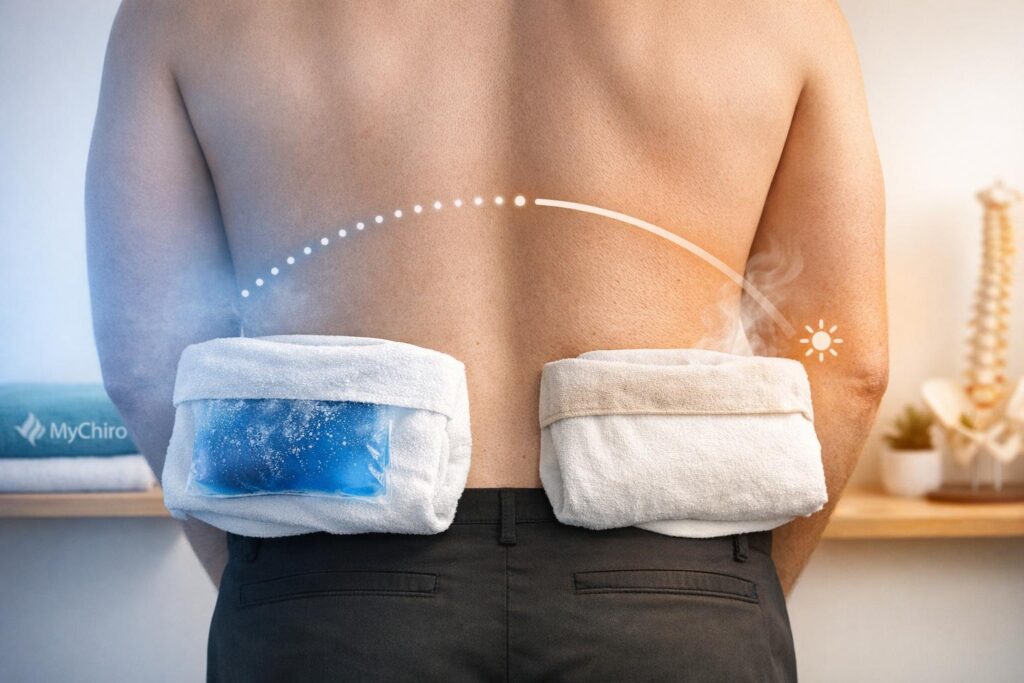
Heat therapy works best when used correctly. Overdoing it, even with low heat, can backfire. Knowing how long your body can safely tolerate heat is key to avoiding injury.
Limit Sessions to 15 to 20 Minutes
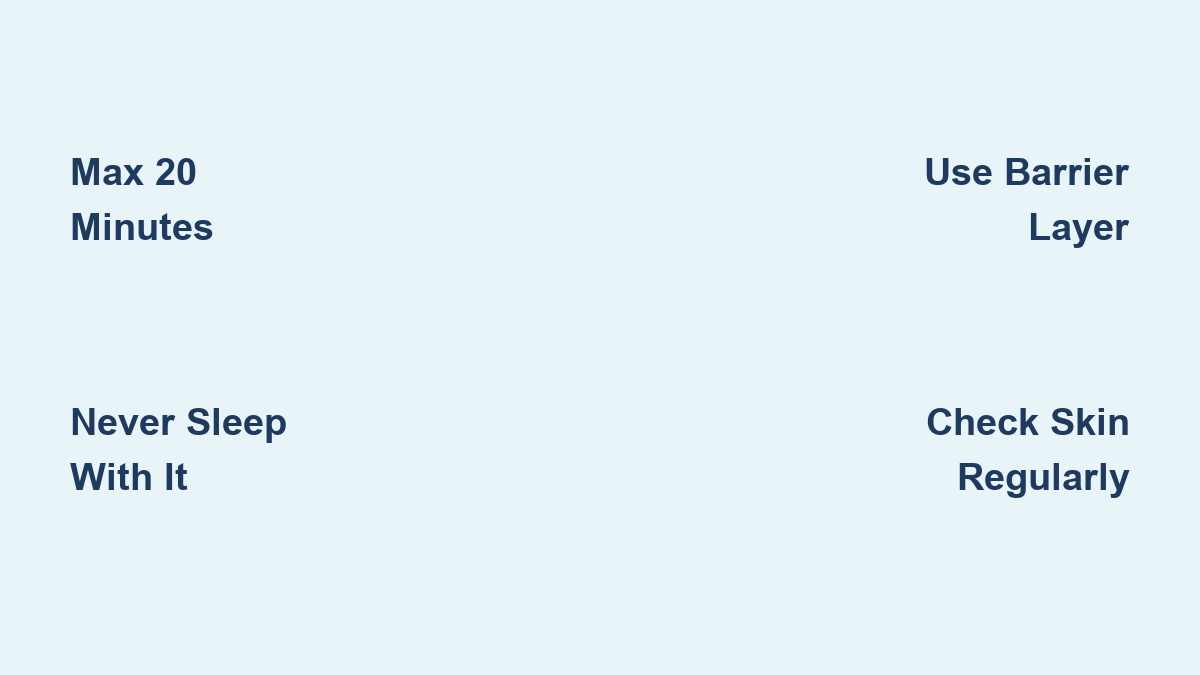
The standard recommendation is to use a heating pad for no more than 15 to 20 minutes at a time. This short window allows muscles to relax and blood flow to increase without risking tissue damage. After each session, take a break of at least 30 minutes before reapplying. This gives your skin and underlying tissues time to cool and recover.
Using heat longer than 20 minutes increases the risk of skin damage from repeated exposure to low-level heat, which can leave discoloration or even permanent tissue injury.
Never Sleep With a Heating Pad On
Falling asleep with a heating pad is one of the most common causes of thermal burns. When you’re unconscious, your body loses its ability to react to discomfort. Even on low, the pad continues to emit heat, potentially raising skin temperature to unsafe levels.
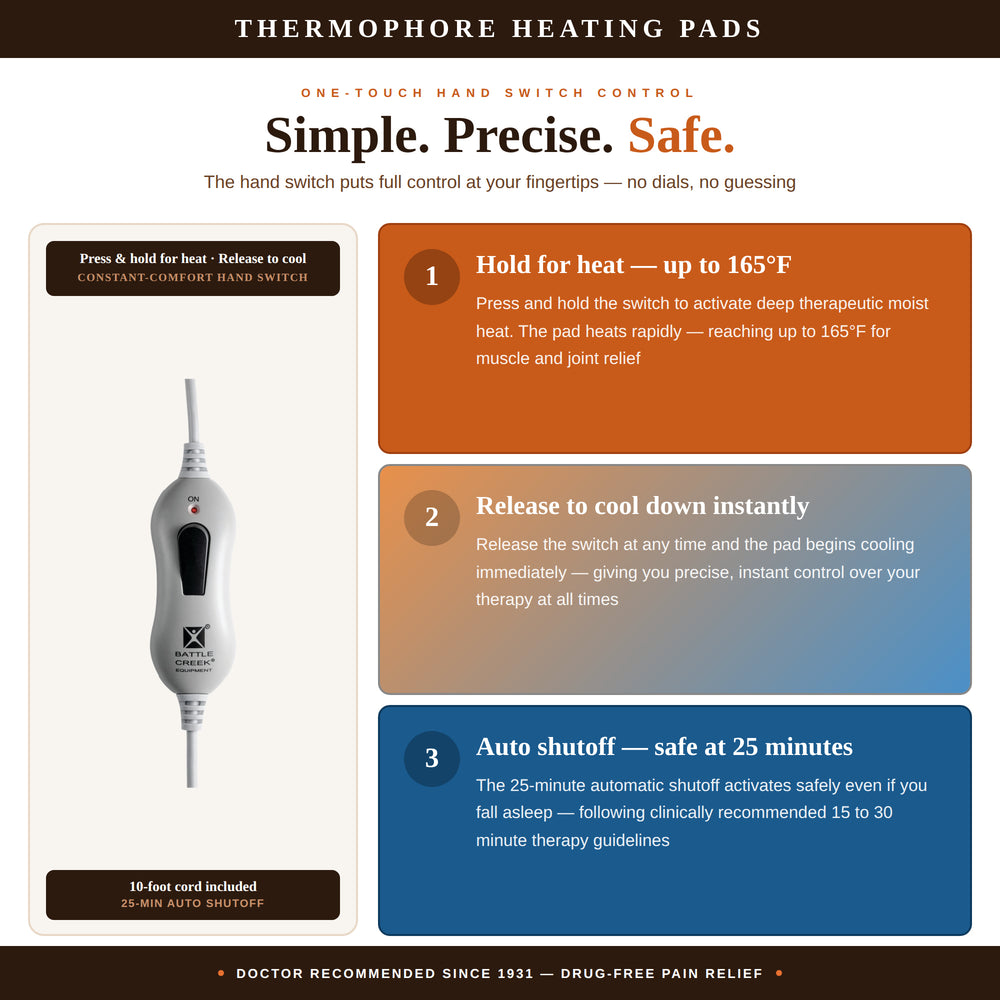
Pro Tip: Set an alarm or use a heating pad with an automatic shut-off feature. Many modern models turn off after 60 to 90 minutes, but that’s still too long for continuous skin contact. Stick to the 20-minute rule for true safety.
Use a Barrier Between Pad and Skin
Always place a thin towel or cloth between the heating pad and your skin. Direct contact increases the risk of burns, especially during prolonged use. This simple step reduces heat intensity and protects sensitive tissue.
Risks of Extended Heat Exposure

More isn’t always better, especially with heat therapy. Using a heating pad for hours on end, even on low, can lead to serious complications.
Low Heat Can Still Cause Burns
Many people assume “low” means safe for long periods. But low-temperature burns are a real danger. These occur when skin is exposed to heat between 104°F and 113°F for over 6 hours. Because the heat isn’t intense enough to cause immediate pain, damage builds silently.
People with diabetes, neuropathy, or reduced skin sensitivity are at higher risk. They may not feel the burn until it’s too late. In severe cases, this can lead to blistering, skin breakdown, or even require medical treatment.
Signs of Heat-Related Skin Damage
Watch for these warning signs:
- Red, blotchy, or mottled skin
- Tingling or numbness under the pad
- Persistent warmth or discomfort after removal
- Darkened or discolored patches
If you notice any of these, stop using the heating pad and let the area heal. Seek medical advice if symptoms don’t improve.
Impact on Blood Flow and Inflammation
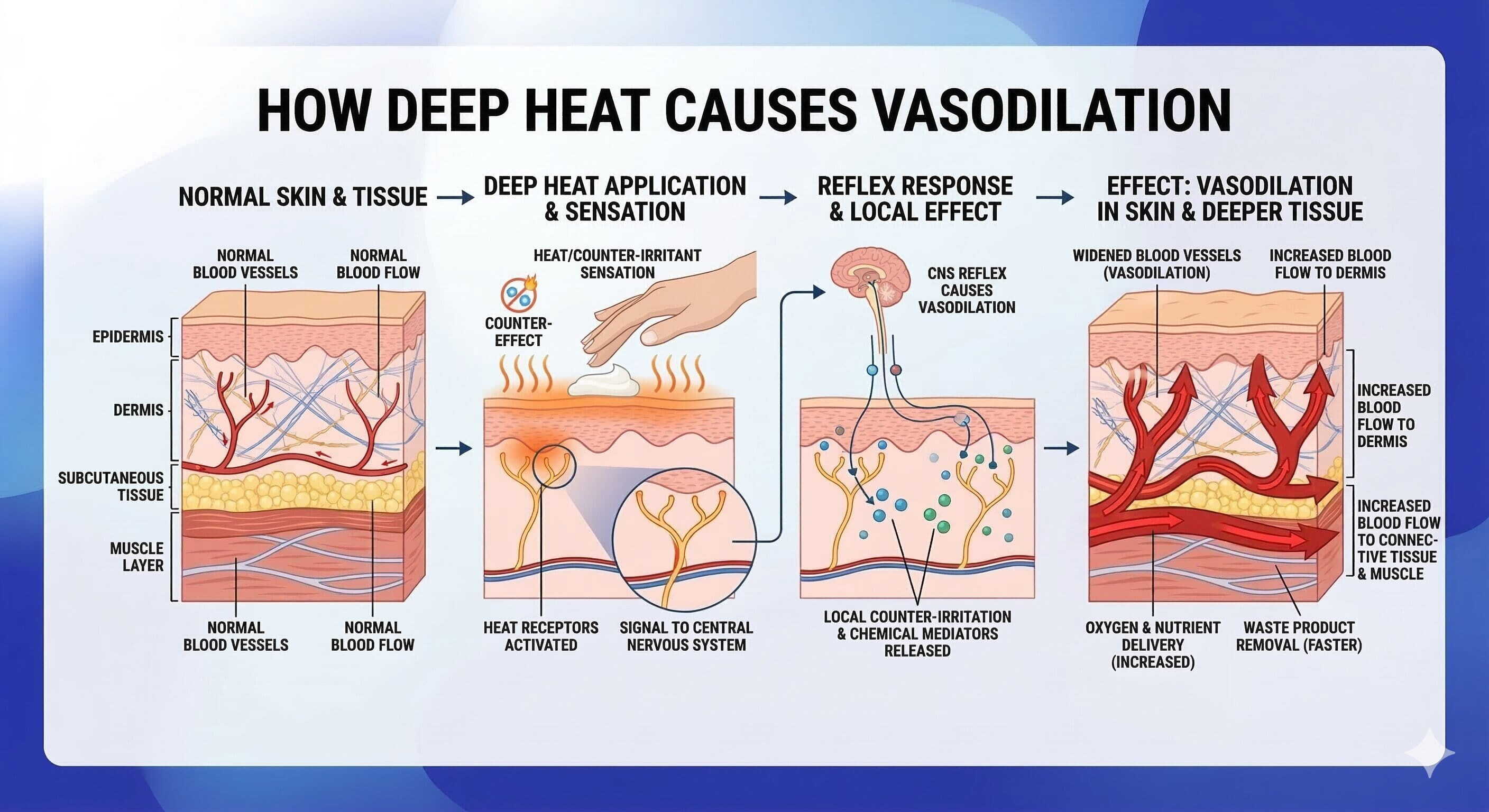
Heat increases circulation, which can help relax tight muscles. But when applied too long, it can backfire and harm rather than heal.
Vasodilation Fatigue Explained
Heat causes blood vessels to widen, bringing more oxygen and nutrients to the area. But prolonged dilation can lead to vascular fatigue, where vessels lose their ability to regulate blood flow effectively. This may result in fluid buildup, swelling, or even worsened inflammation over time.
When Heat Worsens Inflammation
While heat is great for chronic stiffness, it isn’t recommended for acute injuries like recent sprains or swelling. In these cases, heat can increase inflammation and delay healing. If your back pain is new or accompanied by swelling, consider cold therapy instead.
Masking Serious Health Conditions
Relying on a heating pad for constant pain relief can be dangerous if it hides a bigger problem.
Delayed Diagnosis of Underlying Issues
Chronic back pain could signal conditions like:
- Herniated discs
- Spinal stenosis
- Kidney infections
- Inflammatory diseases
- Tumors or referred pain from internal organs
Using heat around the clock may dull the pain enough that you ignore these warning signs. If your pain persists beyond a few days, consult a healthcare provider. Don’t let temporary relief delay proper diagnosis.
When to See a Doctor
Seek medical advice if you have:
- Pain lasting more than 1 to 2 weeks
- Numbness, tingling, or weakness in legs
- Pain that wakes you up at night
- History of trauma or recent injury
- Unexplained weight loss or fever
Heat should never replace professional evaluation.
Choosing the Right Heating Pad

Not all heating pads are created equal. Picking the right one can help you stay safe and avoid overuse.
Look for Safety Features
Choose a heating pad with:
- Automatic shut-off (ideally within 60 minutes)
- Adjustable heat settings
- Overheat protection
- FDA-cleared or UL-certified models
These features reduce the risk of accidental burns and promote responsible use.
Moist vs. Dry Heat
- Moist heat penetrates deeper and may feel more effective at lower temperatures.
- Dry heat can dehydrate skin faster with prolonged use.
If using dry heat, keep sessions shorter and hydrate the skin afterward.
Safe Alternatives for Long-Term Pain Relief
If you’re reaching for a heating pad daily, it’s time to explore safer, sustainable solutions.
Combine Heat With Movement
Short heat sessions before stretching or light exercise can loosen muscles and improve flexibility. But avoid using heat as a crutch. Pair it with movement for better long-term results.
Try Cold Therapy for Flare-Ups
For sudden pain or inflammation, cold therapy (ice pack for 15 minutes) may be more effective. Alternate heat and cold if approved by your doctor.
Consider Physical Therapy
Chronic back pain often responds best to targeted exercises, posture correction, and manual therapy. A physical therapist can create a plan that reduces reliance on heat.
Special Considerations for High-Risk Groups
Some people must be extra cautious with heat therapy.
Diabetics and Neuropathy Patients
Reduced sensation means you may not feel a burn until it’s severe. If you have diabetes or nerve damage:
- Use heat for no more than 10 to 15 minutes
- Check skin frequently
- Avoid direct contact
- Test temperature with your hand first
Older Adults
Aging skin is thinner and more sensitive to heat. Seniors should:
- Use lower settings
- Limit sessions to 15 minutes
- Avoid overnight use
Best Practices Summary
Follow these rules for safe, effective heat therapy:
Stick to the 20-Minute Rule
- Apply heat for 15 to 20 minutes max
- Wait at least 30 minutes between uses
- Never exceed 2 to 3 sessions per day
Monitor Skin and Symptoms
- Check the area every 5 to 10 minutes
- Stop if skin becomes red, blotchy, or numb
- Discontinue use if pain worsens
Use Heat as Part of a Broader Plan
Heat is a tool, not a cure. Combine it with:
- Stretching
- Proper posture
- Strength training
- Medical care when needed
Frequently Asked Questions About Heating Pad Safety
Can a heating pad catch fire if left on too long?
While modern heating pads have safety features to prevent overheating, leaving one on for extended periods increases the risk of malfunction. Always use pads with automatic shut-off and follow manufacturer guidelines to reduce fire risk.
Is it safe to use a heating pad every day?
Daily use is generally safe if sessions stay within the 15 to 20 minute limit and you allow at least 30 minutes between uses. However, daily reliance on heat for pain relief may indicate an underlying issue that needs medical attention.
What happens if you use a heating pad for too long?
Prolonged use can cause low-temperature burns, skin discoloration, tissue damage, and vascular fatigue. In some cases, it can also mask symptoms of serious conditions, delaying proper diagnosis and treatment.
Can you use a heating pad on your back while sleeping?
No. Sleeping with a heating pad is dangerous because you cannot react to overheating. Even with an automatic shut-off, the pad may cause burns before it turns off. Always turn off the pad before sleeping.
Who should avoid using heating pads?
People with diabetes, neuropathy, reduced skin sensitivity, or poor circulation should use heating pads with extreme caution. These conditions reduce the ability to feel heat-related damage, increasing burn risk.
Key Takeaways for Safe Heating Pad Use
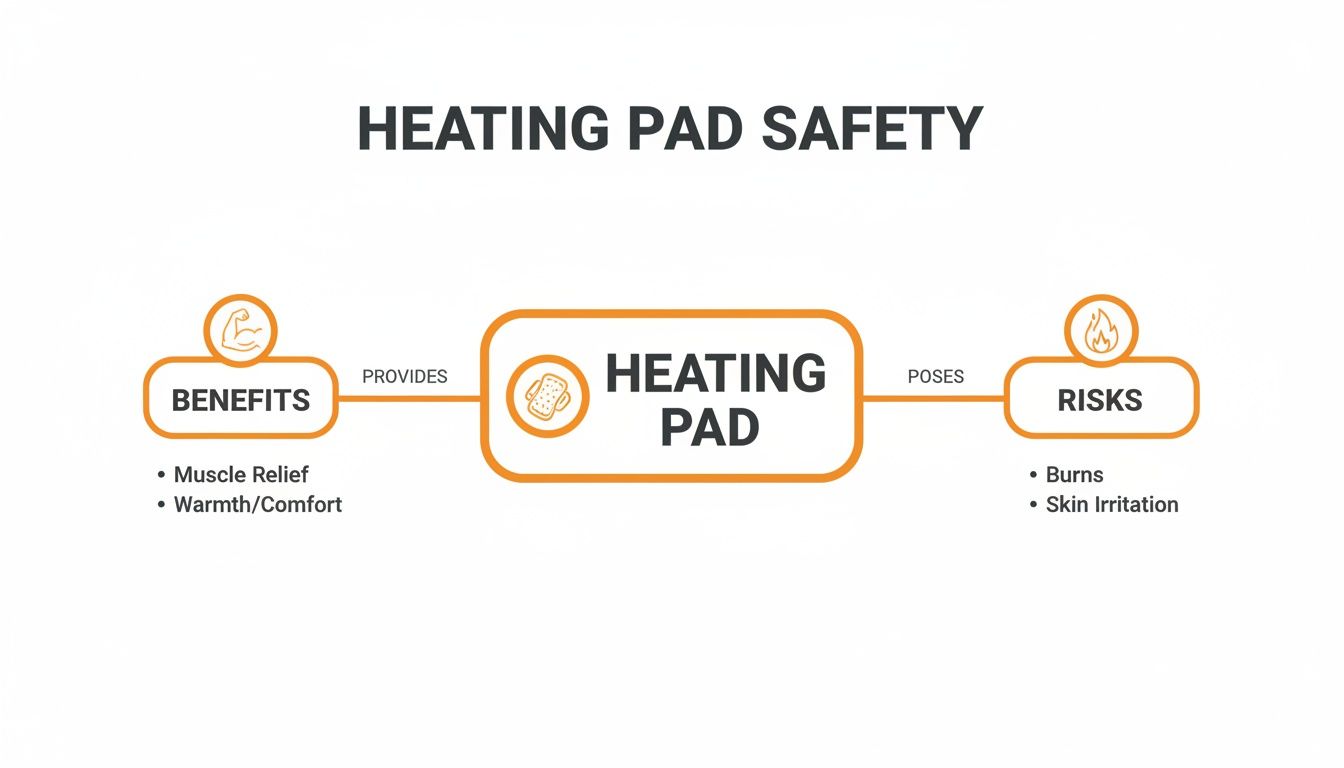
How long can a heating pad stay on? The safest answer is no more than 20 minutes at a time. Longer use, especially overnight or on low for hours, risks burns, tissue damage, and delays in diagnosing serious conditions. Use heat wisely, prioritize safety, and seek professional care for persistent pain. Your body will thank you.