How to Clean a Heating Pad
You rely on your heating pad for soothing relief from muscle aches, joint pain, or menstrual cramps. But over time, it can accumulate sweat, oils, and fabric buildup, especially if used directly against the skin. A dirty heating pad is not just unpleasant. It can harbor bacteria and reduce the lifespan of the device. Knowing how to clean a heating pad properly is essential for hygiene, performance, and safety.
Unlike regular laundry, cleaning a heating pad requires caution because of its electrical components. Never submerge it in water or toss it in the washing machine without checking the manufacturer instructions. Most heating pads are only partially submersible, and improper cleaning can lead to short circuits, fire hazards, or permanent damage. This guide walks you through safe, step by step methods to keep your heating pad fresh and functional without risking your safety.
Unplug and Inspect Before Cleaning

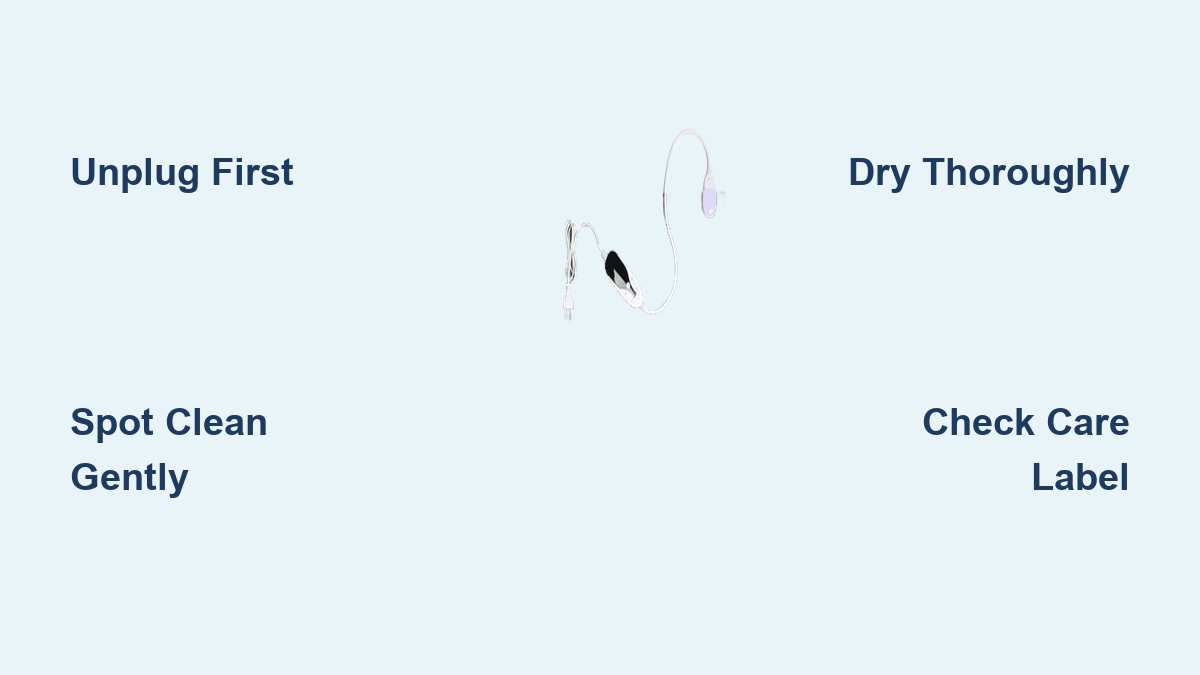
Before any cleaning begins, always unplug the heating pad. Even if it appears off, residual current can pose a danger when moisture is involved. Treat every heating pad as live until confirmed otherwise.
Check the Care Label
Most modern heating pads come with a tag or printed instructions indicating cleaning guidelines. Look for terms like:
– Spot clean only
– Do not immerse in water
– Surface wipe recommended
– Removable cover
If your model has a removable fabric cover, this simplifies cleaning significantly. Many brands design pads with washable outer layers that zip or snap off, allowing safe laundering while protecting the internal wiring.
Visual Inspection Tips
Look for cracks or burns on the surface, frayed wires or damaged plug, sticky or stained areas, and foul odors that signal bacterial growth. If you notice any damage, especially to the cord or heating element, stop use immediately. Cleaning will not fix electrical issues, and using a compromised pad risks burns or shock.
Clean Non-Removable Covers Gently

If your heating pad does not have a detachable cover, you will need to clean it in place. The key is minimal moisture and gentle agents.
Spot Clean With Mild Soap
You will need a soft cloth or sponge, lukewarm water, mild dish soap or laundry detergent (1 to 2 drops), and a dry towel.
Follow these steps:
1. Dampen the cloth, and never soak it.
2. Mix a drop of soap with water and lightly apply to the cloth.
3. Gently wipe soiled areas in circular motions.
4. Use a second clean, damp cloth to wipe away soap residue.
5. Immediately dry with a towel and let air dry completely for at least 4 to 6 hours.
Never spray water directly on the pad. Moisture can seep into seams and reach electrical components.
Remove Odors Naturally
For lingering smells, sprinkle baking soda lightly on the surface. Let it sit for 15 to 30 minutes. Vacuum gently with a soft brush attachment, then wipe with a dry cloth. Avoid strong chemicals like bleach, ammonia, or alcohol because they can degrade fabric and insulation.
Wash Removable Covers Safely
A removable cover makes maintenance much easier. Always follow label instructions, but general best practices apply.
Hand Wash Method (Recommended)
Gather a sink or basin, cold or lukewarm water, gentle detergent, and a mild disinfectant like a hydrogen peroxide based formula.
Follow these steps:
1. Fill basin with water and add detergent.
2. Submerge the cover, agitating gently for 2 to 3 minutes.
3. Soak for up to 10 minutes.
4. Rinse thoroughly under cool running water.
5. Press out excess water, and do not wring.
6. Lay flat or hang to dry away from direct heat.
Machine Wash (If Label Allows)
Only proceed if the care tag says machine washable. Use cold water, a gentle cycle, and mild detergent. Skip bleach or fabric softener. Place the cover in a mesh laundry bag for extra protection. After washing, air dry only and never use a dryer unless explicitly approved.
Disinfect Without Causing Damage
Regular cleaning removes dirt, but disinfecting kills germs, which matters if the pad is shared or used on broken skin.
Safe Disinfecting Options
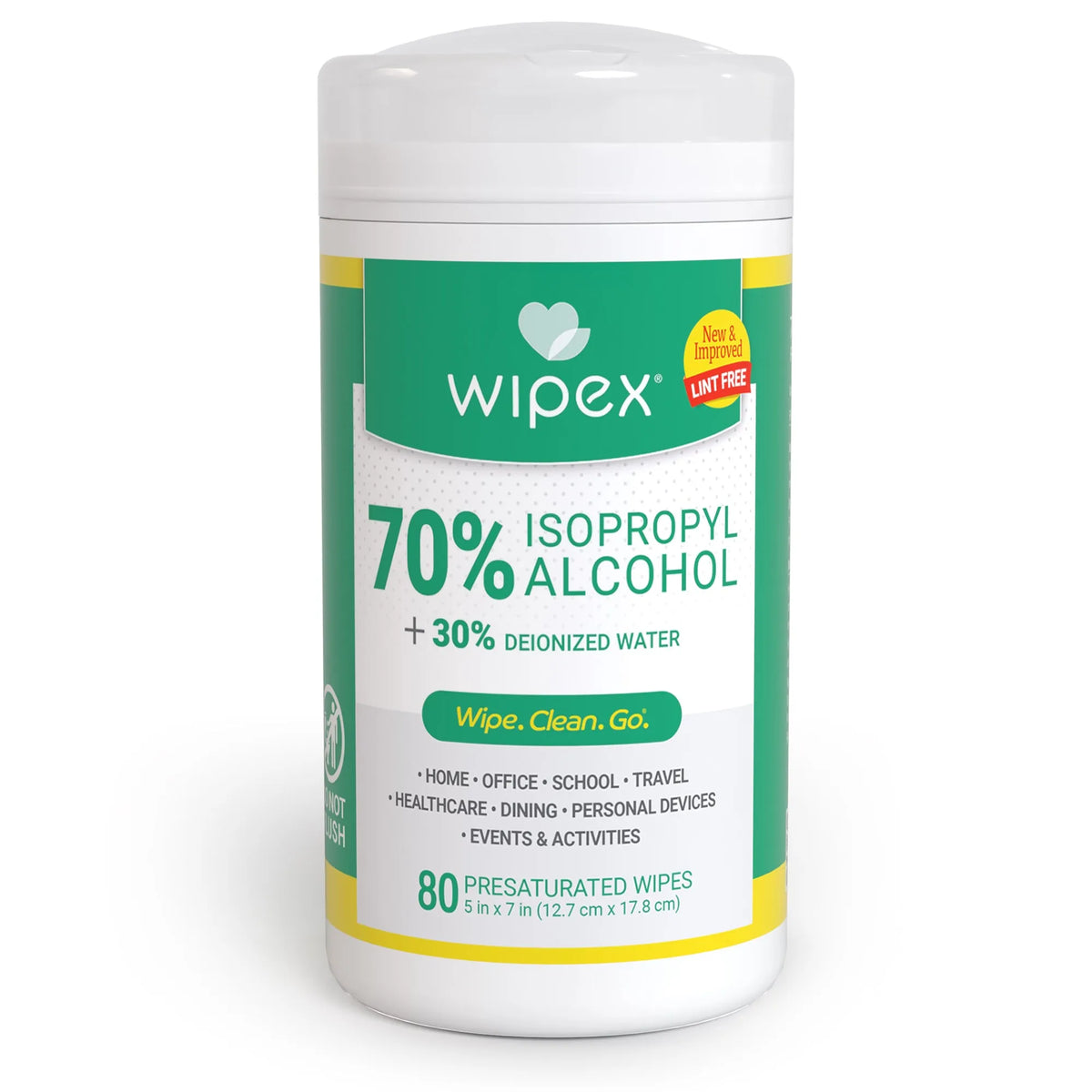
Use a 70 percent isopropyl alcohol wipe for spot treatment. Apply it to a cloth, not directly on the pad, and let air dry. You can also use a hydrogen peroxide solution (3 percent) diluted with water at a 1:1 ratio. Apply with a cloth, then wipe with a clean damp cloth. Commercial disinfectant sprays are acceptable only if labeled safe for electronics or fabrics. Test on a small area first.
Avoid vinegar based cleaners because they can corrode metal components over time.
Frequency Recommendations
Spot clean after every 3 to 5 uses. Deep clean every 4 to 6 weeks. Disinfect after illness or heavy sweating.
Dry Thoroughly Before Use

Moisture is the enemy of electrical devices. Even a slightly damp heating pad can short circuit or overheat.
Drying Best Practices
Wipe the surface with a dry microfiber cloth. Place the pad in a well ventilated area. Use a fan to speed drying, but not a heater. Keep it away from radiators or sunlight. Wait at least 6 hours before plugging in.
Pro Tip: Place the pad on a dry towel and flip it halfway through drying to ensure both sides air out.
Prevent Future Buildup

The easier you make maintenance, the more likely you are to keep up with it.
Use a Protective Barrier
Always place a thin cloth, towel, or T-shirt between your skin and the pad. This reduces direct oil transfer, minimizes sweat absorption, and extends time between cleanings. For frequent users, consider a custom cover made from soft, washable fabric.
Store Properly
Unplug and cool completely before storing. Wrap the cord loosely to avoid tight bends. Keep the pad in a dry, cool place. Avoid folding sharply. Roll or loosely coil instead.
Troubleshoot Common Cleaning Mistakes
Even careful users make errors. Here is how to avoid or fix them.
Problem: Pad Will Not Turn On After Cleaning
The likely cause is moisture in electrical components. Unplug immediately and dry for 24 to 48 hours in a warm, dry area. Do not attempt to use until fully dry. If it still does not work, retire the pad because internal damage may be unsafe.
Problem: Stiff or Discolored Fabric
This is caused by soap residue or harsh cleaners. Rewipe with water only and air dry again. Avoid detergent buildup by rinsing well.
When to Replace Your Heating Pad
No amount of cleaning can revive a failing unit. Replace your heating pad if the surface feels lumpy or hotspots develop, heat output fades, a persistent burning smell appears, or visible wire damage is present. Manufacturers typically recommend replacing heating pads every 3 to 5 years for safety.
Frequently Asked Questions About Cleaning a Heating Pad
Can You Put a Heating Pad in the Washing Machine?
Only if the care label explicitly states it is machine washable. Most heating pads have electrical components that can be damaged by machine washing. Use a gentle cycle with cold water and place the cover in a mesh laundry bag for protection.
How Often Should You Clean a Heating Pad?
Spot clean after every 3 to 5 uses. Deep clean every 4 to 6 weeks. Disinfect after illness or heavy sweating. Regular maintenance prevents bacterial buildup and extends the life of your pad.
Can You Submerge a Heating Pad in Water?
Most heating pads should not be fully submerged. Only models specifically labeled as waterproof or fully submersible can handle water immersion. Always check the care label before exposing your pad to water.
What Is the Best Way to Remove Odors From a Heating Pad?
Sprinkle baking soda on the surface, let it sit for 15 to 30 minutes, and vacuum gently with a soft brush attachment. Avoid harsh chemicals like bleach or ammonia, which can damage fabric and insulation.
Is It Safe to Use Disinfectant on a Heating Pad?
Yes, if you use safe options like 70 percent isopropyl alcohol or diluted hydrogen peroxide (3 percent mixed 1:1 with water). Apply with a cloth, not directly on the pad. Avoid vinegar based cleaners because they can corrode metal parts.
How Do You Know When to Replace a Heating Pad?
Replace your heating pad if you notice lumpy surfaces, hotspots, fading heat output, persistent burning smells, or visible wire damage. Most manufacturers recommend replacement every 3 to 5 years for safety.
Key Takeaways for Safe Heating Pad Cleaning
Cleaning your heating pad does not have to be complicated, but it must be done right. Always unplug before cleaning and check the care label for specific instructions. Use minimal moisture and mild soap for spot cleaning, and hand wash removable covers whenever possible. Dry thoroughly for at least 6 hours before plugging the pad back in.
Start by inspecting your heating pad today. Check the care label, look for any signs of damage, and plan a cleaning schedule based on how often you use it. A well maintained pad delivers better heat, lasts longer, and stays hygienic with minimal effort.